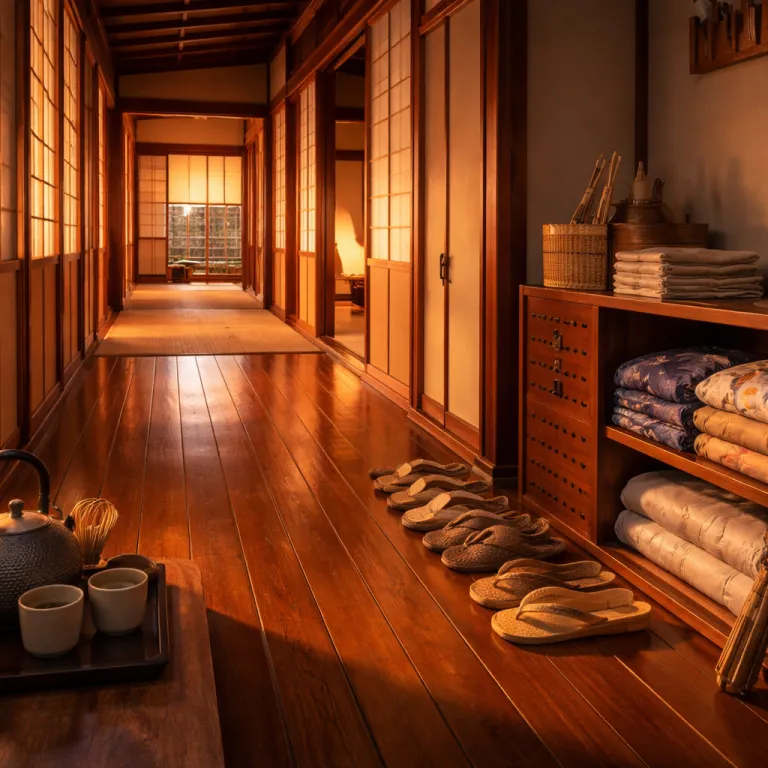
Japan ryokan booking 2026: pressure, patterns and the new map
Japan ryokan booking 2026 is no longer a niche pursuit for insiders. With international arrivals rebounding toward the pre‑pandemic peak of 31.9 million visitors reported by the Japan National Tourism Organization (JNTO) for 2019 in its 2020 statistical release, and government policy steering demand toward high-yield, longer stays, the competition for a quiet traditional Japanese room has intensified. For travelers who once booked guest rooms casually a month out, the new reality is a market where the best hot spring retreats near any major station can sell out 90 days ahead, according to 2023–2024 booking-window data published by major online travel agencies such as Rakuten Travel and Jalan.
Lonely Planet now lists staying at traditional Japanese inns as one of the essential experiences in Japan, and that single editorial decision has pushed many first timers to select popular properties in Tokyo, Kyoto, Osaka and beyond. Selected Onsen Ryokan, a specialist guide, has responded by publishing a list of top ten onsen ryokans, which has further concentrated demand on a handful of luxury ryokan addresses. For travelers planning Japan ryokan stays in 2026, this means that a standard room with a private open-air bath and a guaranteed view of a river or mountains is now the first category to vanish, especially during cherry blossom and mountains autumn periods.
The national inventory of roughly fifty thousand ryokan-style establishments sounds generous, yet only a fraction offer the level of guest rooms, food culture and hot springs that discerning business leisure travelers expect. Heritage properties with a limited number of tatami mats rooms cannot simply add more keys, so their snow covered winter calendars are effectively fixed. By contrast, new builds backed by investors in secondary regions can scale quickly, but the gap between a truly traditional Japanese stay and a generic hot hotel with a token onsen bath is widening fast.
Beyond tokyo and kyoto osaka: where the smartest bookings are shifting
The most interesting story in Japan ryokan booking 2026 is geographic, not just about room categories. As Tokyo and the classic Kyoto Osaka corridor reach saturation on peak weekends, serious travelers are looking to Yamagata Japan, Hida Takayama and lesser known hot spring towns along quiet river valleys. These regions are absorbing new demand while preserving a slower rhythm, where the walk from station to ryokan still passes wooden shopfronts and not convenience stores.
Yamagata, in particular, is emerging as a case study, with snow covered onsen villages that feel cinematic in winter and lush in spring. Here, a luxury ryokan might offer only a dozen guest rooms, each with tatami mats, a private open air bath and a framed view river scene that changes with the seasons. In these mountains, the best properties lean into local ingredients, serving kaiseki that reflects the region’s food culture rather than a generic hotel menu, and that specificity is exactly what high yield tourism policy is trying to amplify.
Hida Takayama, reachable by rail from both Tokyo and the Kyoto Osaka area, is another highlight in the new map of highlight places for Japan ryokan booking 2026. Traditional Japanese streetscapes, a clear river and surrounding mountains make it ideal for travelers extending business trips into leisure. Here, the smartest strategy is to select popular ryokan that balance modern comforts in the standard room category with deeply traditional shared baths, including indoor spring baths and outdoor hot springs that face the mountains autumn foliage.
How to read a listing: separating true luxury ryokan from the boom builds
For Japan ryokan booking 2026, the key skill is learning to read between the lines of a listing. A genuine luxury ryokan will describe not only the size of each room but also the orientation of the view, the materials underfoot and the configuration of baths. Look for explicit mention of tatami mats, shoji screens, private onsen options and whether the open air hot spring faces a river, garden or mountains rather than a car park.
Pay attention to how guest rooms are categorized, because a standard room can mean very different things in different parts of Japan. In a heritage property, the most modest rooms may still offer a partial view river scene and access to exquisite communal hot springs, while higher categories add a private air bath on a terrace. In newer builds, by contrast, some rooms may feel like generic hotel stock with a hot bath attached, so you should select carefully and prioritise layouts that integrate traditional Japanese design with the onsen experience rather than treating the bath as an afterthought.
Food is another decisive filter, especially for business leisure travelers who value both efficiency and depth of experience. Listings that reference seasonal menus, local ingredients and regional food culture usually signal a kitchen that is integrated into the ryokan’s identity, not outsourced. When a property describes multiple baths, including indoor spring baths and outdoor hot springs with snow covered or mountains autumn views, and pairs that with precise information on meal times and room service options, you are likely looking at a ryokan that understands why serious travelers are reshaping Japan ryokan booking 2026 around quality rather than quantity.
Key statistics for ryokan stays in Japan
- Japan hosts an estimated 50,000 ryokan style establishments across the country, according to the Japan National Tourism Organization, which tracks accommodation types in its annual tourism statistics; the 2019 figures were summarized in JNTO’s 2020 tourism report.
- The typical cost per night at a ryokan ranges roughly from 10,000 to 25,000 JPY per person on a half-board basis, based on data compiled by the Japan Ryokan Association and regional tourism surveys published between 2021 and 2023.
Essential questions about booking a ryokan
What is a ryokan ?
A ryokan is a traditional Japanese inn featuring tatami rooms and communal baths. These properties typically offer multi course dinners and breakfasts that showcase local ingredients and regional food culture. For many travelers planning Japan ryokan booking 2026, the combination of tatami mats, onsen baths and attentive service defines the experience.
How to book a ryokan ?
You can use online booking platforms or contact the ryokan directly by email or phone. For peak seasons, especially in hot spring towns with limited guest rooms, it is wise to select and reserve at least two to three months ahead. Many travelers planning Japan ryokan booking 2026 rely on specialist sites such as Selected Onsen Ryokan alongside major global platforms.
Are meals included in ryokan stays ?
Typically, dinner and breakfast are included in the nightly rate at a traditional Japanese ryokan. These meals often highlight local ingredients and regional food culture, served either in the guest rooms or in a dedicated dining room. When planning Japan ryokan booking 2026, always check whether the rate includes both meals, as this affects both value and the overall experience.
Trusted references
- Japan National Tourism Organization
- Japan Ryokan Association
- Selected Onsen Ryokan