The grammar of a ryokan and why it resists export
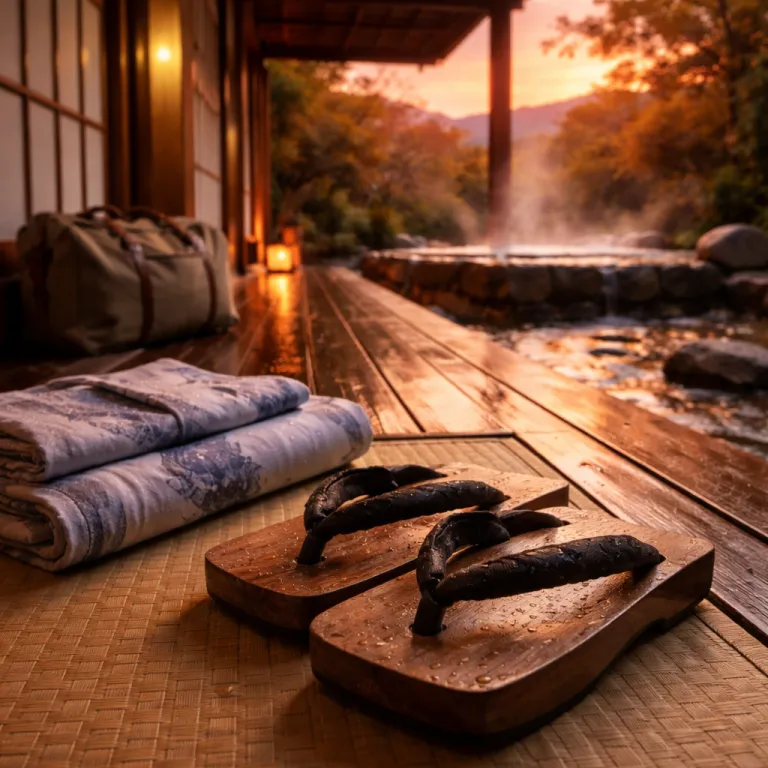
A genuine onsen ryokan outside Japan begins with water, not branding. The grammar of a traditional Japanese inn is built from hot spring provenance, timber architecture, tatami rooms and a service choreography that feels almost invisible yet absolutely precise. When you book a ryokan, you are not just reserving rooms and baths but entering a complete cultural sentence where every bath, every room and every view has been edited for calm.
At its core, the onsen defines the experience, whether you are in Hakone Onsen, Atami Onsen, Shuzenji Onsen or Ikaho Onsen in their original Japanese region. The temperature, mineral profile and flow of the hot spring water shape how long you soak in the open air baths, how the steam moves through the air baths and even how the futon feels when you return to your room. This is why previous attempts at non-Japanese hot springs properties have struggled, because the water felt like a spa feature rather than a living hot spring system.
Architecture comes next in this ryokan grammar, and it travels more easily than water. A property can recreate shoji screens, hinoki bath tubs, low seating and a Japanese garden even when the lake or mountain outside is not Mount Fuji or Lake Kawaguchiko. Yet the allowed view from a private onsen or semi open air bath must still feel curated, with air that carries local scent and a horizon that makes sense for that region, otherwise the onsen private experience becomes a stage set rather than a retreat.
Service choreography is the third essential clause in this sentence. The way staff welcome you into the room, lay out yukata, time the breakfast dinner sequence and guide you to the open air baths is as important as the hot spring itself. When this choreography is exported without context, it can become performance, but when it is adapted to local culture while keeping traditional Japanese courtesy, the ryokan can feel both rooted and open.
The final elements are kaiseki cuisine and cultural context, and these are where most onsen ryokan outside Japan will either succeed quietly or fail loudly. Kaiseki depends on a supply chain of seasonal Japanese ingredients, from river fish to mountain vegetables, which cannot simply be flown in without losing both freshness and meaning. Cultural context matters because a ryokan is not just a place with private open baths and hot springs but a social contract about how guests share space, respect silence and move between public and private zones.
For travelers used to global luxury brands, this grammar can feel unusually strict. Yet it is precisely this structure that turns a simple hot spring bath into a ritual, whether you are in Hakone, Atami or a new onsen ryokan outside Japan that is trying to translate the experience. When you evaluate such a property, ask whether each part of the sentence — water, architecture, service, cuisine and context — has been thoughtfully interpreted for its setting or merely copied as décor.
What can travel, what cannot and why gatekeeping is not the answer
Some components of the ryokan experience are surprisingly portable. Architecture, for instance, can echo Hakone or Kawaguchiko with timber structures, engawa style terraces and rooms that open directly to a Japanese garden or to a wild landscape that plays the same role as Mount Fuji or Lake Kawaguchiko. Service choreography can also travel, with staff trained to manage the rhythm between check in, first onsen bath, kaiseki style breakfast dinner and the final farewell with the same quiet precision you expect in a traditional Japanese inn.
Water provenance is far less negotiable, which is why only destinations with genuine geothermal hot springs should even attempt an onsen ryokan outside Japan. The difference between piped in heated water and a true hot spring is not just temperature but mineral content, flow and the way the air feels above the baths, especially in open air or semi open air baths. When you step into a private onsen or shared spring baths, you should sense that the hot spring is part of a larger geological story, not a decorative feature added to a generic spa room.
Kaiseki supply chains also resist easy export. A chef can design a tasting menu inspired by kaiseki, but without local producers who understand seasonality in that region, the result risks becoming a Japanese themed dinner rather than a coherent breakfast dinner sequence that matches the climate and the hot springs. This is why the mid range sweet spot often wins; a carefully run property with fewer imported luxuries but a tighter connection between kitchen, garden and onsen can feel more authentic than a higher priced ryokan that chases spectacle over substance, as explored in this analysis of the ryokan value sweet spot.
Some purists argue that the ryokan should remain Japan only, and that any onsen ryokan outside Japan is a dilution. There is a logic to this stance, especially when you consider how tightly Hakone Onsen, Atami Onsen, Shuzenji Onsen, Kawaguchiko Onsen and Ikaho Onsen are woven into their local communities, from farmers to artisans. Yet insisting that the tradition never travels can slide into cultural gatekeeping, freezing a living practice instead of allowing it to adapt thoughtfully to new hot spring regions.
The better question is not whether a ryokan can exist outside Japan, but under what conditions it should. A property in Iceland, Taiwan or New Zealand with strong geothermal activity, a clear sense of place and a commitment to traditional Japanese hospitality could, in theory, host a credible onsen ryokan outside Japan. The key is whether the owners treat the ryokan grammar as a discipline — water, architecture, service, cuisine, context — rather than a checklist of features like private open baths, air baths and rooms with a Mount Fuji style view.
For travelers, this means reading between the lines of marketing language. When a property promises an onsen private experience, ask about the source of the hot spring, the design of each bath and the way breakfast dinner is structured around bathing times. When it claims to offer traditional Japanese service, look for evidence of staff training, documented operating standards and a respect for silence and shared space that goes beyond decor.
How to judge an onsen ryokan outside Japan : five markers that matter
When you consider booking an onsen ryokan outside Japan, you need a sharper lens than usual. The first marker is water authenticity; only stay where the hot spring is natural, traceable and central to the property’s identity, not an add on to a generic spa. Ask whether the baths are continuously fed, how the temperature is managed and whether there are both communal spring baths and at least one private onsen or private open air bath for guests who prefer privacy.
The second marker is architectural coherence. A ryokan inspired property does not need to copy Hakone or Atami, but it should use materials, proportions and circulation that support quiet movement between room, onsen and dining spaces, with air that flows naturally rather than through overpowered ventilation. Look for rooms that open to a considered view, whether that is a Japanese garden, a wild lake or a mountain that plays the same emotional role as Mount Fuji above Lake Kawaguchiko, and notice whether the allowed view from each bath feels intentional.
Third comes service choreography, which is where many non Japanese properties falter. A true ryokan rhythm guides you from arrival tea to first bath, then to dinner and finally to sleep, with staff anticipating needs without hovering in your private space. When you wake, the timing of breakfast dinner service should again align with bathing, allowing you to move between hot springs and dining without feeling rushed or observed.
The fourth marker is culinary integrity. A property does not need to import every ingredient from Japan, but it should apply kaiseki logic to local produce, building a menu that reflects the region’s seasons and pairs naturally with time in the onsen. If you see a token sushi platter next to unrelated dishes, you are in a theme resort; if you see a structured sequence that respects temperature, texture and timing, you are closer to a true ryokan experience.
The fifth marker is cultural context and continuity. Ask how the property works with local artisans, whether it has any relationship with Japanese cultural organizations and how it trains staff in traditional Japanese etiquette beyond simple bowing. One example is Gaige House + Ryokan in Glen Ellen, California, which integrates tatami mat rooms, onsen style baths and Japanese cuisine in a Western setting while partnering with local artisans to keep the experience grounded in its own region.
For a traveler used to established destinations like Hakone Onsen or Kawaguchiko Onsen, these markers help you read new openings with a more critical eye. They also help you compare a Japan based stay, perhaps in Kyoto or near Mount Fuji, with an onsen ryokan outside Japan that might be closer to your next business trip. If you want a deeper benchmark for what refined authenticity looks like in Japan itself, the curated guide to Kyoto onsen ryokan stays for refined travelers is a useful reference point.
Where the first truly credible non Japanese onsen ryokan might work
Only a handful of ryokan style properties currently operate outside Japan, with one industry estimate putting the number of serious establishments at around five worldwide. That scarcity reflects how demanding the ryokan grammar is, especially when you try to combine natural hot springs, traditional Japanese architecture and consistent service far from Hakone, Atami or Shuzenji. Yet it also signals an opportunity for destinations with strong geothermal resources and a culture that respects bathing rituals to host the first truly convincing onsen ryokan outside Japan.
Iceland is an obvious candidate, with its dramatic hot springs, cold air and cinematic views that could rival a Mount Fuji silhouette over Lake Kawaguchiko in emotional impact. A carefully designed property here could pair open air baths and indoor air baths with long sightlines over lava fields, using timber and stone to echo both Japanese and Nordic traditions while keeping rooms intentionally simple. The challenge would be to avoid turning the onsen private experience into a selfie backdrop, instead using service choreography and quiet public spaces to encourage the same contemplative rhythm you find in Hakone Onsen or Ikaho Onsen.
Taiwan and New Zealand also stand out as credible hosts for future onsen ryokan outside Japan. Both have established hot springs cultures, landscapes that support powerful views and a growing audience of travelers who understand the difference between a spa weekend and a structured hot spring retreat. In these regions, a property that combines natural hot springs, a Japanese garden, tatami rooms and a thoughtful breakfast dinner sequence could feel less like an import and more like a dialogue between traditions.
Any such project will need to learn from past missteps. Historical attempts at non Japanese onsen ryokan have often failed on water authenticity, inconsistent service and a tendency to treat traditional Japanese elements as décor rather than as a system, which is why organizations like The Ryokan Collection have deliberately framed their Japan only membership as a feature, not a limitation. As one industry explainer puts it clearly for curious travelers, “What is a ryokan? A traditional Japanese inn featuring tatami rooms and communal baths.” and “Are there ryokan outside Japan? Yes, some establishments worldwide offer ryokan-style experiences.”
For booking platforms focused on luxury and premium ryokan, the task now is to separate serious projects from themed experiments. That means vetting water sources, walking every room and bath, checking the air quality in open air baths and confirming that private open baths are positioned for quiet rather than for social media. It also means asking hard questions about staffing, training and long term maintenance, because the real test of any onsen ryokan outside Japan will be whether the experience in ten years still feels as precise as it did on opening day.
If you are the traveler extending a business trip into leisure, this is where your own standards come in. Choose properties that treat the onsen as the heart of the stay, not a side amenity, and that respect both local culture and traditional Japanese hospitality in equal measure. When those elements align, the steam rising from a hot spring in Iceland, Taiwan or New Zealand might finally feel as meaningful as the mist above a dawn bath in Hakone or Kawaguchiko.
Key figures shaping the future of onsen style ryokan
- Industry observers currently identify roughly five serious ryokan style establishments operating outside Japan, a tiny number compared with the thousands of traditional inns across regions like Hakone, Atami, Shuzenji and Kawaguchiko (based on a frequently cited Architectural Digest estimate).
- Gaige House + Ryokan in Glen Ellen, California, is one of the best documented examples of a Western property integrating tatami rooms, onsen style baths and Japanese cuisine, illustrating how carefully curated elements can translate the ryokan grammar into a different region without copying it wholesale.
- Global interest in Japanese culture and hot springs has risen steadily over the past decade, driving both new onsen developments in Japan and experimental onsen style projects abroad, which in turn raises the stakes for booking platforms to distinguish between authentic hot spring experiences and generic spa offerings.