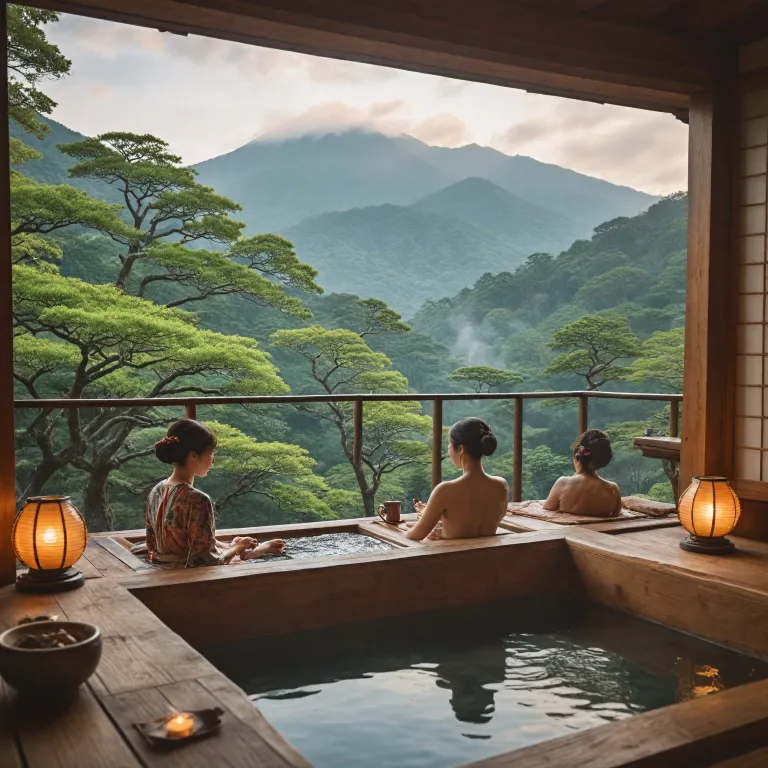
Understanding hakone tattoo friendly onsen culture for refined travelers
Hakone sits in Kanagawa as one of Japan’s most atmospheric hot springs regions. The area’s steamy onsen pools, misty forests, and views toward the Fuji Hakone landscape attract travelers seeking a serene Japanese experience with understated luxury. Yet guests with tattoos often worry whether a traditional onsen Hakone stay will truly feel friendly and relaxed.
In many onsens Japan wide, visible tattoos historically signaled links to organized crime, so some public baths still restrict access. That history can unsettle tattooed guests who dream of soaking in natural hot springs while staying in an intimate onsen ryokan. Today, however, a growing number of hakone tattoo friendly onsen properties balance cultural sensitivity with a more inclusive tattoo policy for international visitors.
For someone planning to book a premium ryokan, clarity matters more than ever. You want to know which friendly onsen options welcome tattoos, which limit tattooed guests to private baths, and which onsens Hakone wide still expect full coverage. This is where a luxury focused booking website can elevate the experience by curating verified tattoo friendly stays. “Yes, several onsen in Hakone accommodate guests with tattoos, including Mizunooto Onsen, Tōnosawa Ichinoyu Honkan, Fuji-Hakone Guest House, Tenzan Onsen, and Hakone Yumoto Onsen Yamatokan.”
These names are more than listings ; they represent different ways to enjoy a hot spring in comfort. Some emphasize secluded private onsen suites, while others provide carefully managed public baths where guests tattoos are allowed under clear conditions. Understanding these nuances before your visit helps you book with confidence and enjoy Hakone Yumoto or Tenzan Onsen without awkward surprises.
Key tattoo policies at leading hakone tattoo friendly onsen
For a luxury minded traveler, the details of each tattoo policy shape the entire onsen Japan experience. Mizunooto Onsen, a modern ryokan in Hakone, offers elegant rooms with private baths that draw hot spring water directly, giving tattooed guests complete privacy. This kind of private onsen arrangement suits couples or friends who prefer to enjoy the hot water without thinking about how other guests view tattoos.
Tōnosawa Ichinoyu Honkan, by contrast, is a historic onsen ryokan where wooden corridors and classic Japanese architecture frame the baths. Here, tattooed guests are guided toward private baths as a respectful compromise between tradition and inclusivity, and the property remains genuinely friendly to international visitors. Fuji-Hakone Guest House takes another approach, operating as a fully tattoo friendly onsen with both indoor and outdoor hot springs where tattoos are openly allowed.
For those curious about public baths, Tenzan Onsen is a renowned day use complex in Hakone. Its policy allows one tattooed person per group in the public hot baths, which means tattooed guests can still enjoy the atmospheric rock pools and hot spring cascades if they follow this rule. This arrangement keeps the onsen Hakone atmosphere calm while signaling that tattooed guests are welcome under transparent conditions.
Hakone Yumoto Onsen Yamatokan adds another layer of refinement with an in house onsen sommelier who curates the hot spring experience. Here, guests tattoos are allowed, and you can choose between public baths and private baths depending on your comfort level. When you book through a premium platform, these distinctions are clearly explained so your visit to Hakone in Kanagawa feels effortless from arrival to final soak.
How a luxury ryokan booking site curates tattoo friendly experiences
Most mainstream platforms still treat onsen tattoo rules as a minor detail, leaving tattooed guests to decode vague notes about hot springs access. A specialized luxury and premium booking website for ryokan stays in Hakone can instead foreground every tattoo policy as a core part of the experience. This approach respects both Japanese culture and the expectations of discerning travelers who value clarity as much as comfort.
On such a platform, each onsen ryokan listing in Hakone or Hakone Yumoto would specify whether tattoos are allowed in public baths, only in private baths, or across all onsens on site. Filters could highlight fully tattoo friendly onsen properties like Fuji-Hakone Guest House, or flag day use options such as Tenzan Onsen for guests staying elsewhere. Detailed notes would explain when a private onsen is recommended, and when guests tattoos must be covered with patches.
For example, a traveler planning to visit both Tenzan Onsen and Mizunooto Onsen could compare how each handles tattooed guests. One might prioritize atmospheric public hot springs with limited tattoo access, while the other emphasizes private baths with complete discretion. The booking flow would then guide you to book the right room type, such as suites with open air private baths fed by natural hot spring water.
To deepen inspiration, the site can cross link refined content, such as a guide to the best ryokan experiences in Takayama for discerning travelers. This editorial layer helps guests understand how onsen Japan traditions vary between regions like Kanagawa and the Fuji Hakone area. The result is a more confident, culturally aware booking process where every hakone tattoo friendly onsen option is presented with nuance.
Designing filters and content for guests with tattoos hakone wide
Thoughtful digital design can make the difference between anxiety and anticipation for tattooed guests. A premium booking site focused on Hakone and other hot springs regions should allow users to filter by “tattoo friendly onsen,” “private onsen only,” and “public baths with conditions.” These filters would apply across onsens Hakone wide, from Hakone Yumoto to more secluded valleys along the Hakone Tozan railway line.
Each ryokan profile should then break down the tattoo policy in plain language. For instance, it might state that tattoos are allowed in all public baths, or that guests tattoos must be covered in shared spaces but are unrestricted in private baths. Where only one tattooed guest per group is accepted, as at Tenzan Onsen, this rule should appear prominently so travelers can plan their visit accordingly.
Editorial content can further explain why some onsen Japan properties remain cautious about tattoos, while others in Kanagawa and the Fuji Hakone region have embraced a more open stance. Articles might compare the feel of a secluded private onsen suite at Mizunooto Onsen with the social atmosphere of a friendly onsen that welcomes tattooed guests in larger public pools. This helps travelers choose between introspective soaks and more communal hot spring experiences.
Visual cues also matter for a luxury audience. Clear icons can indicate whether a hot spring is mixed gender, whether private baths are available by the hour, and whether onsen tattoo coverage patches are provided. When combined with precise wording about onsen Hakone etiquette, these tools ensure that tattoos Hakone travelers feel both respected and well informed before they book.
Maximizing comfort and etiquette in hakone tattoo friendly onsen stays
Even in a tattoo friendly onsen, etiquette remains central to the Japanese hot springs experience. Guests should always wash thoroughly before entering any hot spring, whether in public baths or private baths attached to a ryokan suite. This ritual cleansing is as important in Hakone Yumoto as it is in more remote onsens Hakone travelers may visit along the Hakone Tozan line.
For tattooed guests, a little extra preparation can enhance comfort. Carrying small waterproof patches allows you to adapt quickly if a friendly onsen requests partial coverage in certain public baths, even when tattoos are generally allowed. When you book, check whether the onsen ryokan provides these patches, or whether the property recommends reserving a private onsen for complete ease.
Temperature is another consideration, especially in hot springs that run particularly hot. Sensitive tattoos, or very recent ink, may react poorly to prolonged exposure in a hot spring, so experts usually advise waiting until the tattoo is fully healed before any onsen Japan visit. Once healed, most guests tattoos tolerate the mineral rich hot water well, but alternating between hot baths and cool air can help avoid discomfort.
Communication also builds trust between tattooed guests and staff. If you plan to visit Tenzan Onsen or another hakone tattoo friendly onsen with specific rules, mention your tattoos politely at check in. Staff in Kanagawa’s established hot spring towns are increasingly accustomed to international visitors and will guide you toward the most suitable hot springs, whether that means a secluded onsen Hakone pool or a shared bath where tattoos Hakone policies are clearly relaxed.
Planning an elegant itinerary around hakone tattoo friendly onsen
Designing a refined itinerary around a hakone tattoo friendly onsen stay begins with choosing your base. Many travelers select an onsen ryokan in Hakone Yumoto for easy access to the Hakone Tozan railway and onward connections across Kanagawa. From there, you can book day visits to Tenzan Onsen or other hot springs while returning each evening to a private onsen suite where guests tattoos are welcomed without question.
Another approach is to stay directly at a fully tattoo friendly onsen property such as Fuji-Hakone Guest House. Here, both indoor and outdoor hot springs are open to tattooed guests, allowing you to move freely between baths without thinking about coverage. A luxury booking website can highlight these stays for travelers who prefer absolute clarity and a relaxed, home like atmosphere.
For a more design forward experience, Mizunooto Onsen offers contemporary rooms with private baths that channel natural hot spring water. This suits couples who want to enjoy onsen Japan traditions in privacy while still being close to classic sights in Hakone. You might then schedule a visit to Hakone Yumoto Onsen Yamatokan, where an onsen sommelier can guide you through different baths and explain how the hot springs vary in mineral content and temperature.
Throughout your visit, a curated platform helps you balance time in public baths with restorative sessions in private baths. It can suggest when to book a friendly onsen with flexible tattoo policy, and when to focus on secluded onsens Hakone wide that prioritize quiet contemplation. “Policies vary by facility. Some onsen allow tattoos without restrictions, while others may require covering tattoos or using private baths. It's advisable to check the specific onsen's policy in advance.” “Some onsen, like Tenzan Onsen, allow tattooed guests in public baths under certain conditions, such as limiting the number of tattooed individuals per group. Others may restrict tattooed guests to private baths only.”
Key statistics and essential FAQs for hakone tattoo friendly onsen stays
Understanding the broader context of tattoos in onsen Japan helps frame your expectations. Historically, a significant share of operators restricted guests tattoos, but attitudes have been evolving as international tourism grows. Hakone, with its mix of traditional ryokan and progressive friendly onsen properties, reflects this gradual shift toward more inclusive hot springs culture.
For travelers comparing regions beyond Kanagawa and the Fuji Hakone area, these figures illustrate why a specialized booking platform is valuable. It can identify the minority of onsens Hakone wide that are fully tattoo friendly, while also highlighting those that welcome tattooed guests under specific conditions. This level of detail ensures that every hot spring you book aligns with your comfort level and cultural curiosity.
- Percentage of onsen operators in Japan that banned bathers with tattoos as of 2015 : 56 %
- Percentage of onsen operators that allowed tattooed guests under certain conditions as of 2015 : 13 %
Are there onsen in Hakone that allow guests with tattoos ?
Yes, several onsen in Hakone accommodate guests with tattoos, including Mizunooto Onsen, Tōnosawa Ichinoyu Honkan, Fuji-Hakone Guest House, Tenzan Onsen, and Hakone Yumoto Onsen Yamatokan. These properties range from historic ryokan to modern guest houses and day use complexes. Each offers a different balance between public baths, private baths, and specific tattoo policy details.
Do I need to cover my tattoos at onsen in Hakone ?
Policies vary by facility. Some onsen allow tattoos without restrictions, while others may require covering tattoos or using private baths. It's advisable to check the specific onsen's policy in advance.
Can I use public baths in Hakone if I have tattoos ?
Some onsen, like Tenzan Onsen, allow tattooed guests in public baths under certain conditions, such as limiting the number of tattooed individuals per group. Others may restrict tattooed guests to private baths only. A well curated booking site will flag these distinctions clearly so you can plan each visit with confidence.
trustful_expert_quotes : Japan National Tourism Organization ; Kanagawa Prefectural Tourism Association ; Hakone Town Official Tourism Website