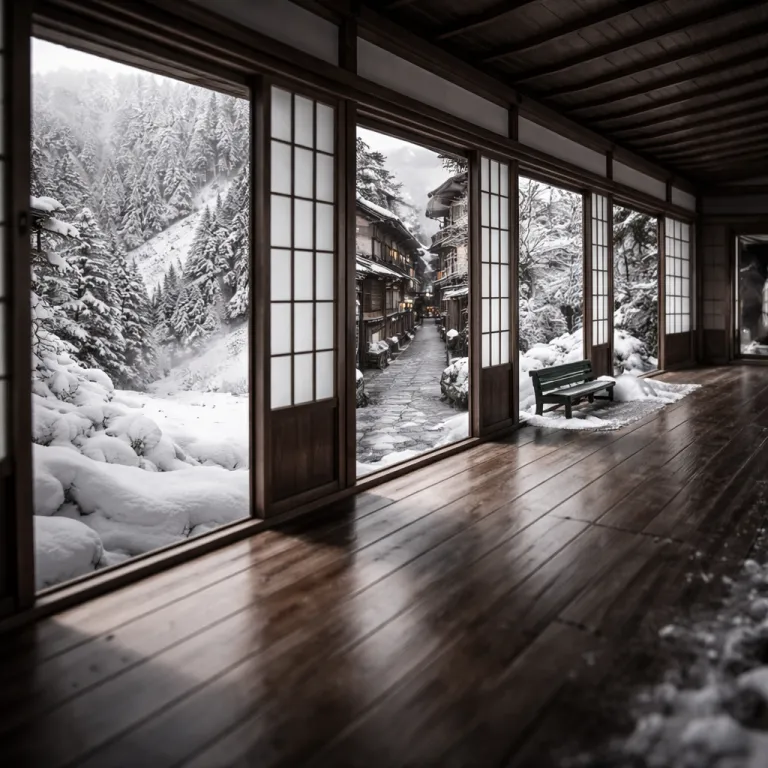
Tohoku ryokan guide to snow and onsen: how the corridor works
The idea of a Tohoku snow country ryokan circuit only really comes into focus when you see how four winter ecosystems line up across northern Japan. Within a 200 kilometre sweep of the Tohoku region, Zao Onsen, Ginzan Onsen, the Hanamaki hot spring corridor and the Oirase Hakkoda area each offer a different balance of hot spring culture, deep snow and travel logistics. If you are choosing one onsen ryokan or planning a circuit of several hot spring inns, reading them side by side is the only way to match your expectations to the right prefecture and valley.
This corridor sits north of Tokyo and runs across Yamagata, Iwate Prefecture and Aomori, with each hot spring settlement shaped by its own mountain weather and railway station access. Zao Onsen is a ski resort village with sulfurous hot springs and open air baths, Ginzan Onsen is a narrow canyon town where historic wooden façades frame the river and snow, Hanamaki Onsen is a low key scatter of ryokan estates along a forested river, and Oirase Hakkoda is the wildest region with heavy snow and long hot spring traditions. When you book a luxury onsen ryokan here, you are not choosing a generic hotel with guest rooms and a bath open until late; you are choosing a specific rhythm of snow, bus transfers, kaiseki timing and how far you want to be from the nearest station.
From shinkansen Tokyo to the final shuttle bus, the transit math matters as much as the onsen temperature. Each destination is reachable within a band of roughly three to five hours from Tokyo Station, but the combination of shinkansen, local train and bus changes the feel of the journey. For many guests, the corridor’s appeal lies in that last quiet stretch on a local bus, when the air cools, the snow deepens and you feel the distance from any city hotel grow with every kilometre.
Zao Onsen versus Ginzan Onsen: ski resort energy or Taishō river theatre
Zao Onsen is where the northern Japan snow onsen experience intersects most clearly with a ski resort map. The village climbs the slope above the main station bus stop, and many onsen ryokans sit within walking distance of both the cable car and the steaming hot spring streets. If you want a ski in ski out onsen ryokan, focus on properties with guest rooms facing the pistes and a large open air bath that stays atmospheric even when day skiers crowd the lifts.
For travellers who care more about the rotenburo than the run, Zao Onsen also has quieter ryokan slightly below the ski resort core, where the hot springs feel more secluded and the snow muffles the sound of nightlife. These onsen ryokans often offer private open air bath terraces, so you can sit in a cloud of steam and sulfur while watching the juhyo snow monsters glow on the ridge. From shinkansen Tokyo, you usually ride to Yamagata Station via Sendai Station or Fukushima Station, then transfer to a bus for around 40 to 60 minutes, and that last stretch defines whether you arrive with ski boots in hand or simply ready to soak.
Ginzan Onsen, by contrast, is theatre. The town is a single narrow street along a river, lined with wooden ryokan façades that light up at night while snow piles on balconies and bridges. The best known onsen ryokan addresses here, such as Notoya and Fujiya, anchor the central strip, while smaller inns and minshuku style places sit slightly back, and the difference in guest rooms, bath design and privacy is significant even though the walk from one end of town to the other takes only a few minutes.
On a luxury and premium booking website, Ginzan Onsen properties often look interchangeable in photos, but the after photo experience is not. Some ryokan have only a few rooms and a single indoor bath open to all guests, while others offer multiple hot spring pools, a private open air bath per suite and kaiseki that rivals urban fine dining. From Tokyo, you usually ride the shinkansen to Ōishida Station on the Yamagata Shinkansen, then take a bus for about 35 to 40 minutes; that final bus ride filters out casual visitors and leaves the river town to overnight guests once the day trippers leave.
Neither Zao Onsen nor Ginzan Onsen should be treated as a Hakone substitute, and that is the point. The cultural temperature is different in this part of the Tohoku region, with fewer foreign language signs, more local families and a slower rhythm in the streets after dinner. If you are used to polished ryokan triangles such as Kanazawa’s refined circuit, reading our analysis of the Ishikawa capital as Hakone’s quietest rival will help you understand how Tohoku’s snow towns trade some gloss for a deeper sense of place.
Hanamaki Onsen corridor: four springs, twelve ryokan and almost no crowds
Hanamaki Onsen is where the Tohoku snow ryokan concept becomes a corridor rather than a single village. Along a roughly 25 minute stretch of river in Iwate Prefecture, four distinct hot spring clusters — Hanamaki, Ōsawa, Namari and Daiyu — host around a dozen ryokan, each with its own balance of tradition, renovation and price. The foreign visitor density here is conspicuously lower than in Zao Onsen or Ginzan Onsen, which means the atmosphere in the baths, dining rooms and corridors feels closer to everyday Japan than to a curated resort.
From Tokyo, you ride the shinkansen to Morioka Station in the northern part of the Tohoku region, then transfer to a local train or a shuttle bus that runs down towards Hanamaki. Many ryokan in this corridor operate a free shuttle from Hanamaki Station or from Morioka Station at fixed times, so your booking window should always include a careful look at arrival and departure schedules. Once you arrive, the decision is not about which hotel is closest to a station, but about which hot spring source, style of guest rooms and type of open air bath you want to live with for two or three nights.
Hanamaki Onsen proper has larger hotel style complexes with many rooms, big banquet halls and multiple hot springs under one roof, which suits groups and families. Ōsawa and Namari lean more traditional, with wooden corridors, quieter guest rooms and open air baths that sit almost at river level, so the sound of water and snow is constant. Daiyu, the smallest of the four, appeals to travellers who want a compact onsen ryokan with a strong sense of local community, where the same staff serve your kaiseki and guide you to the bath opening hours.
Because the corridor takes only about 25 minutes end to end by car, you can base yourself in one ryokan and still visit another hot spring for a day bath, which is a rare luxury in a region where distances are usually long. This is also one of the best areas to feel the seasonal shift, with harvest focused kaiseki in autumn and deep snow around the open air baths in mid winter. If you are mapping a broader Japan itinerary that includes other refined stays, pairing Hanamaki with an elegant ryokan experience in western Honshu, such as the properties we profile in our guide to where to stay in Hiroshima for an elegant ryokan stay, creates a satisfying contrast between snow country and inland sea.
Oirase and Hakkoda: Sukayu’s heritage bath and the wild edge of Tohoku
At the northern tip of any serious Tohoku hot spring itinerary sits the Oirase Hakkoda area, which feels like the wild edge of the region. Oirase Gorge runs for about 14 kilometres through forest and rock, and in winter the streams, waterfalls and trees freeze into a monochrome sculpture garden. Above it, the Hakkoda mountains collect some of the heaviest snow in inhabited Japan, and the hot springs here feel like a necessity rather than a luxury.
Sukayu Onsen is the most storied address, famous for its Hiba wood sennin buro, the so called thousand person mixed bath that has become a symbol of old Tohoku. The practical reality now is more nuanced, with women only hours and conservation measures that protect both the building and the water quality, and any honest onsen ryokan guide should say so clearly. The bath schedule is posted in detail on site, and staff manage the flow of guests so that the steamy air, wood and mineral rich hot spring water never feel like a theme park.
Reaching Oirase and Hakkoda from Tokyo usually means a shinkansen ride to Shin Aomori or Hachinohe, then a bus into the mountains that can take from about 60 to 120 minutes depending on snow. This is where the transit time becomes part of the experience, as the bus climbs into thicker snow and the air temperature drops, and you realise how far you have travelled from any city hotel lobby. Many onsen ryokans in this region offer a shuttle bus from the nearest station, but services can be weather dependent, so a premium booking website should always flag seasonal variations clearly.
Because this is the heaviest snow region in the corridor, shoulder seasons matter. Late March brings a mix of melting snow at lower elevations and lingering powder around the higher hot springs, while late October turns Oirase Gorge into a corridor of red and gold foliage before the first serious snow arrives. If you are pairing Oirase with other mountain stays, our separate guide to a luxury ryokan in Nagano with private onsen and refined Japanese hospitality, available at this Nagano ryokan booking guide, will help you compare how different regions handle snow, access and open air bath design.
Transit, timing and how to read a luxury onsen ryokan listing
For a traveller using a luxury and premium booking website, the most useful Tohoku snow country advice is often about logistics rather than aesthetics. The corridor relies on a combination of shinkansen Tokyo services, local trains and buses, and the way these connect shapes your stay as much as the design of the guest rooms. When planning, always map the full chain from Tokyo Station to the final minutes at your target prefecture, then add realistic buffers for snow and transfers.
Zao Onsen and Ginzan Onsen both lean on Yamagata’s rail network, with Sendai Station and Ōishida Station acting as key gateways for shinkansen passengers. Hanamaki Onsen depends on Morioka Station and Hanamaki Station, with many ryokan offering a free shuttle or a scheduled shuttle bus that must be reserved in advance, especially during the peak winter season. Oirase and Hakkoda rely on Shin Aomori and Hachinohe, and here the bus timetables are more exposed to weather, so you should always check transportation schedules and book accommodations early when snow is heaviest.
Within each onsen ryokan listing, look for three things before you fall for the photography. First, the hot spring credentials: is the water genuinely sourced on site, how many baths are there, and are there both indoor and open air options, including any private open air bath for couples or solo travellers who prefer privacy. Second, the room mix: does the property offer a small number of tatami based guest rooms with a strong sense of place, or a large hotel style building with many rooms and a more anonymous feel.
Third, the rhythm of the stay: what time is check in relative to the last bus, how long is dinner, and when are the bath opening hours quietest for guests who want to soak in silence. The local tourism boards summarise it clearly in their own guidance, noting that “Book accommodations early. Prepare for cold weather. Check transportation schedules.” For a corridor that already sees increased interest in winter tourism and a rise in international visitors, those three sentences remain the most practical onsen ryokan advice you will read.
When to go and why Tohoku is not Hakone — and never should be
Seasonality is the final layer in any serious Tohoku snow onsen plan, because the corridor changes character month by month. From December to March, snow builds across the region, with January usually bringing the deepest cover and February adding snow festivals and illuminated streets in places like Zao Onsen and Ginzan Onsen. By late March, the juhyo at Zao’s ski resort begin to soften, Oirase’s ice starts to melt and Hanamaki’s riverside paths reappear, creating a quieter but still atmospheric window for onsen ryokans.
Autumn is the other sweet spot, especially in the Oirase Hakkoda area where foliage turns the gorge into a long corridor of colour before the first snow. Hanamaki Onsen responds with harvest focused kaiseki, using local river fish, mountain vegetables and rice from the surrounding prefecture, while Zao Onsen and Ginzan Onsen shift from deep winter snow scenes to crisp air and clearer mountain views. Across the Tohoku region, the same hot springs that feel like survival tools in January become contemplative retreats in October, and the open air baths frame foliage instead of snow.
What unites these four destinations is that none of them read as Hakone substitutes, and that is precisely their strength. The cultural temperature is cooler, the language support is patchier and the sense of being in a working region of Japan rather than a polished resort belt is stronger. For the solo explorer who values authenticity over convenience, that trade off is not a compromise but the main reason to ride the shinkansen north and step off into the snow.
FAQ
What is the best time to visit the Tohoku Snow Ryokan Corridor?
The corridor is at its most dramatic between December and March, when snow covers Zao Onsen, Ginzan Onsen, Hanamaki Onsen and the Oirase Hakkoda region. During this winter season, you can combine deep snow scenery with long soaks in hot springs and quiet evenings in traditional ryokan. Shoulder seasons such as late March and late October offer fewer crowds and a mix of remaining snow or autumn foliage.
How can I travel between these Tohoku onsen destinations?
Travel between the main hot spring areas relies on a combination of shinkansen, local trains and buses. You typically ride the shinkansen from Tokyo to a hub such as Sendai Station or Morioka Station, then transfer to a regional train or a shuttle bus into each valley. Car rentals are also an option, but winter driving in heavy snow requires experience and proper equipment.
Are there English speaking services at Tohoku onsen ryokans?
Major ryokan and tourist centres in the corridor offer some level of English assistance, especially at front desks and information counters. Smaller properties may rely on basic English, translation apps or written guidance, so patience and flexibility help. Booking through a specialist platform that focuses on ryokan can also smooth communication before arrival.
Is it necessary to book my ryokan in advance during winter?
Yes, it is important to secure your onsen ryokan well in advance for peak winter dates, especially weekends and national holidays. Zao Onsen and Ginzan Onsen see strong demand from domestic travellers, while Hanamaki and Oirase Hakkoda have fewer properties overall. Early booking also gives you better access to free shuttle services and preferred guest rooms.
What should I pack for a snow country ryokan stay in Tohoku?
Pack warm layered clothing, waterproof outerwear and snow capable footwear for walking between the station, bus stops and your ryokan. Inside, most properties provide yukata, slippers and sometimes coats for moving between indoor and open air baths. A small day bag, reusable water bottle and simple onsen kit with toiletries and a quick drying towel will make each hot spring visit more comfortable.