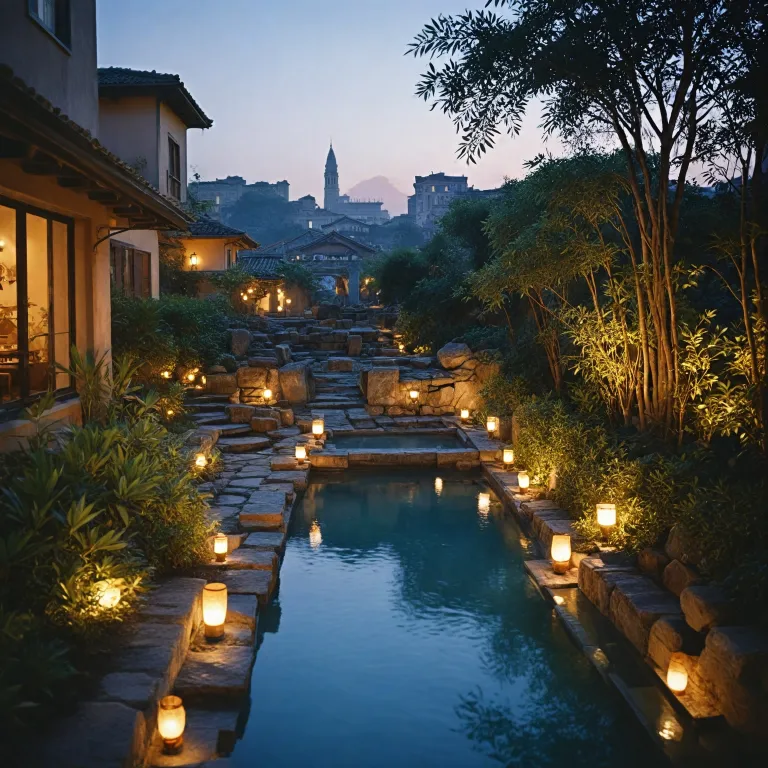
Unveiling the allure of hotels with private onsen in Tokyo
For travelers seeking an authentic Japanese experience, hotels with private onsen in Tokyo offer a rare blend of tradition and modern luxury. These establishments, including renowned names like FUFU Tokyo Ginza and Prostyle Ryokan Tokyo Asakusa, provide exclusive access to private onsen, ensuring privacy and relaxation in the heart of the city. Each ryokan and hotel is designed to immerse guests in the serene ambiance of a traditional Japanese setting, with open air baths and rooms that capture the essence of tranquility.
Private onsen rooms are in high demand, especially among those who value discretion and comfort. The ability to enjoy a hot spring bath within your own room, often with a view of the Tokyo skyline or a peaceful garden, transforms a simple stay into a memorable retreat. Guests can check into ryokan with open air baths, savoring the unique sensation of soaking in mineral-rich waters while surrounded by the city’s vibrant energy. The integration of Japanese style interiors and modern amenities ensures that every moment spent in these hotels with private onsen Tokyo is both authentic and indulgent.
Many of these accommodations also offer traditional Japanese breakfast and dinner, further enhancing the immersive experience. Whether you choose a room with a private onsen or opt for a suite with open air baths, the attention to detail and commitment to hospitality are evident. The proximity to iconic districts like Asakusa and the availability of rooms with views of Mount Fuji or lush gardens add to the appeal. For those planning a stay, it is advisable to book in advance to secure the best rooms with private onsen, as demand continues to rise.
Exploring the unique features of ryokan with private onsen in Tokyo
Ryokan with private onsen in Tokyo stand apart for their dedication to preserving traditional Japanese aesthetics while embracing modern comforts. The Edo Sakura, for example, offers guests the opportunity to unwind in private onsen rooms near the historic Sensoji Temple, blending cultural immersion with relaxation. Cyashitsu Ryokan Asakusa elevates the experience further by incorporating open air baths and authentic tea ceremonies, allowing guests to connect with Japanese heritage on a deeper level.
Rooms with private onsen are thoughtfully designed to maximize comfort and privacy. Many feature open air baths that invite guests to soak under the sky, creating a harmonious balance between indoor luxury and the natural world. The use of natural materials, such as wood and stone, in the construction of onsen rooms enhances the sensory experience, while large windows provide captivating views of the city or tranquil gardens. For those seeking a room with a view ryokan, options abound, with some establishments offering vistas of Mount Fuji or the Tokyo skyline.
Guests can also enjoy Japanese style breakfasts and dinners, often served in-room or in elegant dining spaces. These meals showcase seasonal ingredients and traditional preparation methods, adding a culinary dimension to the stay. The integration of private onsen, open air baths, and exceptional cuisine ensures that every aspect of the guest experience is meticulously curated. For more inspiration on planning your stay, explore this comprehensive guide to luxury ryokan in Tokyo.
How to select the perfect hotel with private onsen in Tokyo
Choosing the right hotel or ryokan with private onsen in Tokyo involves considering several key factors. Location is paramount; proximity to attractions like Asakusa, Shibuya, or the Imperial Palace can enhance your itinerary. Establishments such as Hotel Chinzanso Tokyo offer not only private onsen but also lush garden views, providing a peaceful retreat within the bustling metropolis. For those desiring a more traditional experience, ryokan in Asakusa or near Ueno Park may be ideal.
Room type is another crucial consideration. Some hotels offer suites with open air baths, while others provide onsen rooms with panoramic city or garden views. It is essential to check the availability of rooms with private onsen, as these are often limited and highly sought after. Amenities such as Japanese style futons, tatami flooring, and in-room breakfast dinner service can further elevate your stay. For travelers interested in exploring beyond Tokyo, destinations like Hakone onsen and Atami onsen are renowned for their hot spring resorts and scenic beauty.
When booking, pay attention to policies regarding tattoos, as some communal baths may have restrictions. However, private onsen rooms typically offer greater flexibility and privacy. To ensure a seamless experience, consult trusted travel platforms and official hotel websites for the latest information. For a curated selection of the finest options, visit our Tokyo private onsen hotel recommendations.
Experiencing Japanese hospitality: breakfast, dinner, and beyond
One of the defining features of a stay at a ryokan with private onsen in Tokyo is the emphasis on Japanese hospitality, or omotenashi. Guests are welcomed with meticulous attention to detail, from the arrangement of the room to the presentation of meals. Traditional Japanese breakfast and dinner are often included, featuring seasonal dishes that highlight the region’s culinary heritage. These meals are typically served in-room or in elegant dining areas, allowing guests to savor each bite in a tranquil setting.
Breakfast may include delicacies such as grilled fish, miso soup, and pickled vegetables, while dinner often features a multi-course kaiseki meal. The integration of local ingredients and artistic presentation transforms dining into a memorable experience. In addition to culinary delights, many ryokan offer cultural activities such as tea ceremonies, calligraphy workshops, or guided tours of nearby attractions like Asakusa or Ueno. These experiences deepen guests’ appreciation for Japanese traditions and foster a sense of connection with the local culture.
For those seeking relaxation, the private onsen and open air baths provide a sanctuary for unwinding after a day of exploration. The soothing waters of the hot spring baths are believed to have therapeutic properties, promoting relaxation and well-being. Whether enjoying an air bath with a view of Mount Fuji or soaking in a secluded onsen room, guests are invited to embrace the art of slow living.
Integrating tradition and innovation: the evolution of onsen rooms in Tokyo
The landscape of hotels with private onsen in Tokyo is continually evolving, driven by a desire to blend tradition with innovation. Modern ryokan and hotels are reimagining the onsen experience by incorporating advanced amenities, sustainable practices, and personalized services. For instance, FUFU Tokyo Ginza sets a new standard by offering private onsen in every room, combining contemporary design with the timeless appeal of Japanese hot springs.
Open air baths are now designed to maximize both privacy and scenic views, often featuring retractable walls or floor-to-ceiling windows. The use of geothermal energy and eco-friendly materials reflects a commitment to environmental stewardship, while smart room controls allow guests to customize their experience. The integration of technology does not detract from the authenticity of the stay; rather, it enhances comfort and convenience without compromising traditional aesthetics.
As demand for private onsen experiences grows, more establishments are expanding their offerings to include rooms with unique features such as air baths, panoramic views, and in-room spa treatments. This trend is particularly evident in urban settings like Tokyo, where space is at a premium and guests seek exclusivity. The result is a new generation of ryokan and hotels that honor the past while embracing the future, ensuring that every stay is both meaningful and memorable.
Planning your stay: tips for booking hotels with private onsen in Tokyo
Securing a room with private onsen in Tokyo requires careful planning, especially during peak travel seasons. It is highly recommended to book in advance, as availability is limited and demand is consistently high. When selecting a hotel or ryokan, review the types of onsen rooms offered, including options with open air baths, garden views, or traditional Japanese interiors. Consider the proximity to major attractions, as well as the availability of amenities such as breakfast dinner service and in-room spa treatments.
Before finalizing your reservation, check the hotel’s policies regarding tattoos, as some communal baths may have restrictions. However, private onsen rooms typically provide greater flexibility and privacy. It is also advisable to inquire about the source of the hot spring water, as some establishments use natural geothermal springs while others utilize heated water. For those interested in exploring beyond Tokyo, destinations like Hakone onsen and Atami onsen offer renowned hot spring resorts with breathtaking views of Mount Fuji.
To enhance your stay, explore nearby attractions such as the historic Asakusa district, vibrant Shibuya, or the tranquil gardens of Ueno. Many hotels and ryokan also offer cultural experiences, including tea ceremonies, calligraphy workshops, and guided tours. By planning ahead and selecting the right accommodation, you can ensure a seamless and enriching experience in one of the world’s most dynamic cities. As highlighted in the expert dataset, "Book in advance to secure rooms with private onsen. Check the hotel's policy on tattoos if you plan to use communal baths. Explore nearby attractions to enhance your stay."
Comparing Tokyo’s private onsen hotels: from city views to Mount Fuji vistas
Tokyo’s selection of hotels with private onsen caters to a diverse range of preferences, from urban sophistication to traditional charm. FUFU Tokyo Ginza stands out for its luxurious rooms with private onsen and sweeping views of the city. Prostyle Ryokan Tokyo Asakusa and Cyashitsu Ryokan Asakusa offer a more traditional Japanese experience, complete with open air baths and cultural activities. The Edo Sakura provides a tranquil retreat near Sensoji Temple, while Hotel Chinzanso Tokyo captivates guests with its lush gardens and spa facilities.
For those seeking a room with a view, several establishments offer vistas of Mount Fuji or the Tokyo skyline, creating a memorable backdrop for your stay. The integration of private onsen, air baths, and open air baths ensures that every guest can find an option that suits their preferences. Breakfast and dinner are often included, featuring seasonal Japanese cuisine that highlights local flavors and traditions. Whether you are traveling for leisure or business, these hotels and ryokan provide a sanctuary of relaxation and cultural immersion.
As the demand for private onsen experiences continues to rise, Tokyo’s hospitality industry is responding with innovative offerings and personalized services. By comparing the unique features of each establishment, travelers can select the perfect accommodation for their needs.
Key statistics: hotels with private onsen in Tokyo
- Number of hotels in Tokyo with private onsen: 5 hotels (source: compiled from various travel guides and hotel listings).
- Increasing demand for private onsen experiences in urban settings.
- Integration of traditional Japanese aesthetics with modern amenities in accommodations.
Frequently asked questions about hotels with private onsen in Tokyo
What is an onsen?
An onsen is a Japanese hot spring bath, often associated with traditional inns or ryokans.
Are private onsen common in Tokyo hotels?
While not extremely common, several hotels and ryokans in Tokyo offer private onsen facilities.
Do I need to book in advance for a room with a private onsen?
Yes, it's advisable to book in advance to ensure availability of rooms with private onsen.
References:
Metropolis Japan
Ryokans of Japan
Japan Destination