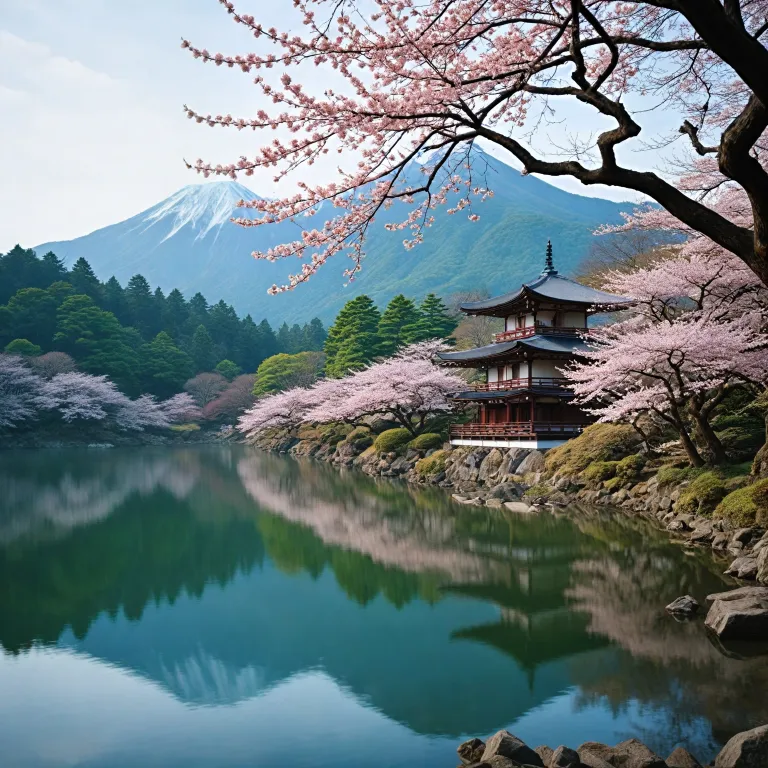
Immersing in traditional Japanese hospitality at Lake Kawaguchiko ryokan
Lake Kawaguchiko ryokan experiences offer a harmonious blend of tradition and luxury, set against the serene backdrop of Mount Fuji. Guests are welcomed into a world where Japanese style and modern comfort coexist, with rooms designed to highlight the natural beauty of the region. Tatami-matted guest rooms, sliding shoji doors, and futon bedding create an authentic atmosphere, while private open air baths provide a tranquil escape.
Many ryokans around Lake Kawaguchiko, such as Fujikawaguchiko Onsen Konanso and Kasuitei Ooya, feature guest rooms with panoramic views of both the lake and Mount Fuji. The presence of hot spring baths, known as onsen, is a defining feature, with options for both communal spring baths and private room air baths. These facilities allow guests to unwind while enjoying the iconic view Fuji and the peaceful surroundings of Lake Kawaguchi.
Attention to detail is paramount, from the carefully arranged kaiseki meals to the seamless integration of air conditioning and modern amenities. The staff’s dedication to traditional Japanese hospitality ensures every guest feels valued and cared for. As you check into your chosen ryokan, the promise of a unique cultural experience awaits, blending the best of past and present.
Choosing the perfect Lake Kawaguchiko ryokan: location, views, and amenities
When selecting a Lake Kawaguchiko ryokan, proximity to Kawaguchiko Station is a key consideration for many travelers. Easy access to the station simplifies arrival and departure, while shuttle services offered by some ryokans further enhance convenience. The location also determines the quality of the view Mount Fuji and the lake, with top establishments like Shuhokaku Kogetsu and Lakeland Hotel Mizunosato renowned for their unobstructed Fuji view and lakeside settings.
Guest rooms vary in size and style, from intimate private rooms with open air baths to spacious suites designed for families or groups. The availability of rooms private with direct access to hot spring baths is a sought-after feature, providing privacy and exclusivity. For those seeking a traditional Japanese experience, rooms with tatami flooring and low tables offer an authentic touch.
Modern amenities such as air conditioning, Wi-Fi, and in-room entertainment are seamlessly integrated without detracting from the traditional ambiance. Many ryokans also offer spring baths with panoramic windows, allowing guests to soak while admiring the view Fuji and the tranquil waters of Lake Kawaguchi. For more information on premium ryokan options, explore this comprehensive guide to luxury ryokan stays.
Signature experiences: onsen culture and private open air baths
The heart of any Lake Kawaguchiko ryokan stay is the onsen experience. Natural hot spring water, rich in minerals, fills both communal and private air baths, offering relaxation and rejuvenation. The tradition of washing before entering the spring baths is strictly observed, ensuring a respectful and hygienic environment for all guests.
Private open air baths, often attached to guest rooms, are a hallmark of luxury. These air baths provide an intimate setting to enjoy the fresh mountain air and the view mount Fuji, especially at sunrise or sunset. Some ryokans, such as Rakuyu, offer reservable private baths for those seeking solitude or a romantic escape.
Guests are encouraged to embrace the full Japanese style experience by wearing yukata and sampling local cuisine. The integration of modern comforts, such as air conditioning and heated floors, ensures year-round enjoyment of the onsen, regardless of the season. For a curated list of top-rated ryokans with exceptional onsen facilities, visit our Lake Kawaguchiko onsen recommendations.
Room types and guest preferences: from traditional to contemporary luxury
Lake Kawaguchiko ryokan accommodations cater to a diverse range of guest preferences, from traditional Japanese rooms to contemporary suites. Tatami-matted guest rooms evoke a sense of tranquility, while Western-style beds and furnishings are available for those seeking familiar comforts. The option for rooms private with open air baths appeals to travelers desiring exclusivity and privacy.
Many ryokans offer guest rooms with floor-to-ceiling windows, maximizing the view Fuji and the shimmering surface of Lake Kawaguchi. The design philosophy centers on bringing the outdoors in, with natural materials and minimalist aesthetics. Families, couples, and solo travelers alike can find suitable accommodations, whether they prefer a classic Japanese style or a modern interpretation.
Accessibility is also considered, with some ryokans providing barrier-free rooms and facilities. The ability to check availability and book specific room types online has streamlined the reservation process, making it easier for international guests to secure their ideal stay. For those arriving via Kawaguchiko Station, shuttle services and clear directions further enhance the guest experience.
Enhancing your stay: local attractions and cultural highlights
Beyond the comfort of your Lake Kawaguchiko ryokan, the region offers a wealth of attractions and cultural experiences. The iconic Chureito Pagoda provides a breathtaking vantage point for viewing Mount Fuji and the surrounding landscape. Strolling along the lake’s edge reveals seasonal beauty, from cherry blossoms in spring to vibrant foliage in autumn.
Guests can explore the nearby Fuji Five Lakes area, each offering unique perspectives of Mount Fuji and opportunities for outdoor activities. The proximity to Kawaguchiko Station makes it easy to access local museums, art galleries, and traditional craft workshops. Many ryokans collaborate with local guides to offer curated tours, deepening your understanding of the region’s history and culture.
Dining is an integral part of the experience, with kaiseki meals showcasing local ingredients and culinary traditions. The fusion of Japanese style hospitality and regional flavors creates memorable dining moments.
Booking tips and etiquette for a seamless Lake Kawaguchiko ryokan experience
Securing a reservation at a Lake Kawaguchiko ryokan requires thoughtful planning, especially during peak seasons such as cherry blossom and autumn foliage periods. It is advisable to book accommodations well in advance to ensure availability of preferred guest rooms and private open air baths. When booking, check if the ryokan offers shuttle services from Kawaguchiko Station for added convenience.
Understanding onsen etiquette is essential for all guests. "Be aware of onsen etiquette, such as washing before entering the baths and not bringing towels into the water. Some ryokans may have restrictions for guests with tattoos; inquire beforehand if this applies." This guidance helps maintain a respectful and enjoyable environment for everyone. Communication regarding dietary restrictions should be made prior to arrival, as many ryokans can accommodate special requests with advance notice.
Upon arrival, guests are typically provided with yukata, toiletries, and towels, minimizing the need to pack extra items. The integration of modern booking platforms has simplified the process, allowing guests to check room availability, select specific amenities, and confirm their stay with ease. Embracing both the traditions and innovations of Lake Kawaguchiko ryokan hospitality ensures a memorable and enriching visit.
Key statistics on Lake Kawaguchiko ryokan and tourism
- Number of ryokans around Lake Kawaguchiko: 50 establishments
- Average annual visitors to Lake Kawaguchiko: 1.2 million people
Frequently asked questions about Lake Kawaguchiko ryokan stays
What is a ryokan?
A ryokan is a traditional Japanese inn that typically features tatami-matted rooms, communal baths, and other public areas where visitors may wear yukata.
Are meals included in a ryokan stay?
Many ryokans include meals, often serving traditional kaiseki dinners and Japanese breakfasts. It's advisable to confirm meal inclusions when booking.
Do ryokans accommodate dietary restrictions?
Some ryokans can accommodate dietary restrictions if informed in advance. It's best to communicate any special dietary needs prior to arrival.
References: Yamanashi Prefecture Tourism Association, Local tourism board, JapanInsides.com