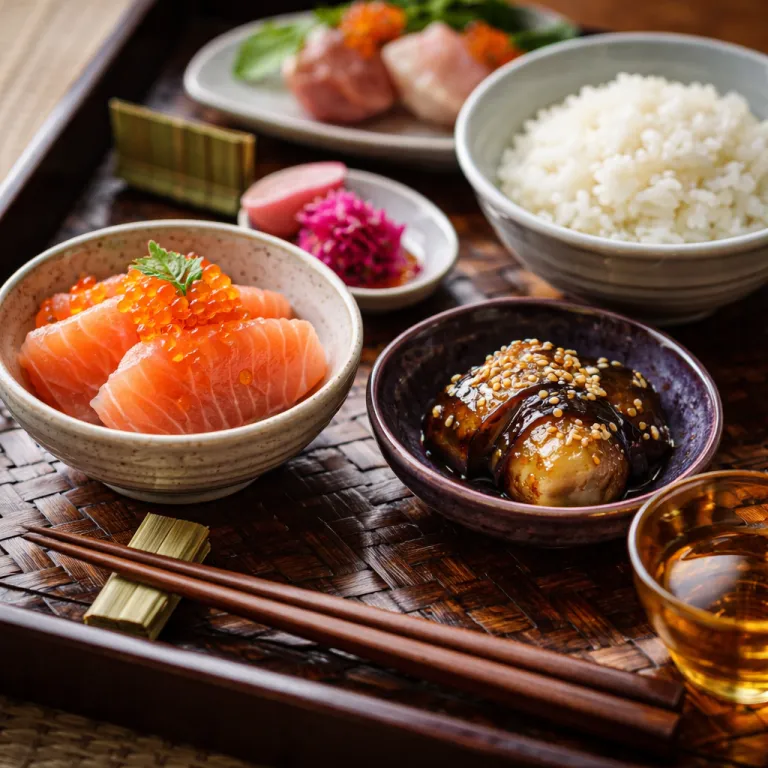
Reading a kaiseki ryokan dinner like a story
Your first kaiseki dinner in a ryokan can feel theatrical yet quiet, like a play performed just for your room. The multi course rhythm is deliberate, and this kaiseki ryokan dinner guide will help you read that rhythm with confidence. In Japan the best ryokans use kaiseki cuisine to turn a simple meal into a narrative about place, season and your particular ryokan stay.
Kaiseki is often described as “a traditional Japanese multi-course meal emphasizing seasonal ingredients and presentation.” This means every course, from the opening sakizuke to the final mizumono dessert, should feel like one chapter in a coherent piece of Japanese cuisine rather than a random parade of food. When dinner is served in your room or in a small private dining alcove, pay attention to how the staff explain each dish and how the flavors build, soften and then reset across the meal.
Many kaiseki dinners in Japan run between seven and around a dozen courses, and a typical kaiseki meal will often feature roughly ten distinct plates served over about two hours. A strong kaiseki dinner will start light, often with a small seasonal bite and a clear broth, then move through sashimi, simmered vegetables, grilled fish and richer plates before returning to rice, miso soup and pickles. When you choose a ryokan, ask whether meals are served in room dining style or in a shared hall, because that single detail will change the intimacy and pacing of your kaiseki dinner.
The sequence of courses and what it tells you
Think of the kaiseki course list as a map of the chef’s priorities. In a classic kaiseki dinner you will usually meet sakizuke, hassun, mukozuke, takiawase, futamono, yakimono, suzakana, a small palate cleanser, shiizakana, then gohan with ko no mono and tomewan before mizumono. A refined ryokan dinner in Kyoto or Kinosaki Onsen will often follow this arc, but the best ryokans bend the rules slightly to highlight local seasonal ingredients.
To make the structure easier to follow, imagine a simple sequence:
- Sakizuke – opening appetizer
- Hassun – seasonal platter expressing the region
- Mukozuke – sashimi course
- Takiawase / Futamono – simmered or lidded dish
- Yakimono – grilled item, often fish
- Suzakana – light vinegar dish
- Shiizakana – richer, more indulgent plate
- Gohan, ko no mono, tomewan – rice, pickles, soup
- Mizumono – seasonal dessert
The hassun course, a small seasonal platter, is where many mid range ryokan meals quietly separate from truly ambitious kaiseki cuisine. If the hassun looks pre plated, with generic grilled fish and identical garnishes for every room, you are probably seeing a more standardized approach to Japanese cuisine rather than a chef driven one. By contrast, when the mushimono steamed dish arrives with vegetables that clearly match the current season and region, you can feel how the kaiseki chef and the ryokan staff have worked with local farmers and fishermen to shape your meal.
Later in the meal the shiizakana or other richer dish will show how far the property is willing to go on cost and craft. Wagyu, local seafood and mountain vegetables can all appear, but the knife work, temperature and timing of when each plate is served matter more than luxury labels. During your trip you will start to notice that a carefully cooked small portion, brought at exactly the right moment, says more about a ryokan than any long menu description.
Freshness, seasonality and where ryokans quietly cut corners
From a guest perspective, the hardest part of any kaiseki ryokan dinner guide is learning to see freshness without acting like a critic. You do not need specialist vocabulary; you just need to watch how the food behaves on the plate and in the bowl. In coastal Japan, especially in places like Kinosaki Onsen, sashimi in the mukozuke course should look almost translucent and feel cool but not icy, while grilled fish should flake easily without drying at the edges.
Seasonal ingredients are the backbone of kaiseki cuisine, and they are also where properties sometimes compromise. Away from the sea, some ryokans rely on frozen fish or generic wagyu, which can make different meals ryokan wide feel strangely similar despite the setting. When your miso soup, simmered vegetables and mushimono all taste as if they could have been served in any region, you are probably experiencing a supply chain driven menu rather than a place driven one.
Look instead for small signals that the meal was built for this exact night of your travel. A tiny dish of mountain herbs in spring, a room dining tray with rice cooked in a clay pot just for your room, or a dessert that uses fruit from a nearby valley all show that the chef respects both season and distance. During a ryokan stay where dinner and breakfast are included, these details justify the rate far more than portion size, and they are what you should seek when you choose a ryokan on any luxury or mid range booking platform.
Dinner, breakfast and the quiet power of the morning tray
Many couples focus on the evening ryokan dinner and treat breakfast as an afterthought. That is a mistake, because the morning meal will often tell you more about the property’s standards than the headline kaiseki dinner. In many ryokans across Japan the same kaiseki chef and ryokan staff who orchestrate your multi course evening service also design the breakfast course sequence.
A thoughtful Japanese breakfast in a ryokan is effectively a lighter kaiseki meal, with rice, miso soup, grilled fish, pickles and small vegetable dishes arranged with the same care as dinner. When breakfast is served in your room, notice whether the rice is freshly cooked, whether the miso soup has depth and whether the grilled fish arrives hot rather than lukewarm. If the breakfast tray feels abundant yet precise, with no wasted food and no tired garnishes, you are probably staying in a house that treats every meal as part of its identity.
From a booking perspective, pay attention to how dinner breakfast combinations are described in the plan details. A higher rate that includes both a full kaiseki dinner and a structured Japanese breakfast can offer better value than a cheaper bed only plan once you factor in the quality of ryokan meals. When you compare options on a platform such as Booking, Agoda or a specialist ryokan site, read guest comments about breakfast as carefully as those about dinner, because patterns in the morning service rarely lie.
Booking strategy, pairings and practical details for couples
For couples planning a romantic trip, the smartest kaiseki ryokan dinner guide starts long before you sit down to eat. When you choose a ryokan, look beyond room photos and focus on how the property talks about kaiseki cuisine, seasonal ingredients and partnerships with local producers. Properties that mention working with regional sake breweries, farmers and fishermen usually care deeply about the dining experience.
During booking, decide whether you want room dining or a small private space, because this will shape the mood of your ryokan stay. If you are using a large platform such as Booking or Agoda, cross check the official site or call to confirm whether kaiseki dinner is served in the room, in a private dining room or in a shared hall. Clarify dietary restrictions well in advance, since kaiseki is a structured multi course format and last minute changes can disrupt the balance of the meal.
On the night itself, let the staff guide your pairings, especially with sake and tea. Many ryokans in Kyoto and beyond now offer curated sake flights that track the progression of the meal, from lighter styles with the opening dish to richer brews with the shiizakana. For peace of mind on a longer travel itinerary, consider travel insurance that covers cancellations, because the most sought after ryokans often require prepayment for plans that include elaborate ryokan dinner and breakfast services, and those meals will be served only on specific time slots.
How to evaluate value from mid range to high end stays
Price bands in Japan can be confusing, especially when mid range ryokans advertise elaborate kaiseki dinners. A useful rule is that in the 15 000 to 30 000 yen per person per night bracket, a large share of the rate is allocated to food rather than to the room itself. When you compare ryokans, think less about square metres and more about how convincingly each property uses kaiseki cuisine to express its region.
In a strong mid range house, the room may be simple but the multi course dinner will feel generous, seasonal and carefully paced. Rice, miso soup and pickles at the end of the meal should taste as considered as the earlier sashimi and grilled fish, and the final dessert should cleanse rather than overwhelm. In higher priced ryokans, you are paying for both elevated ingredients and more staff attention, so expect the ryokan staff to explain each dish, adjust timing to your pace and remember your preferences from dinner to breakfast.
Value also shows in how consistently meals are served across multiple nights of a longer trip. If you stay two or three nights and each meal feels distinct, with different seasonal ingredients and cooking methods such as mushimono, grilled, simmered and raw preparations, the kitchen is doing serious work. When you leave feeling that the food, the room and the onsen formed one coherent memory, you will know that your careful research, your choice of ryokan and even your travel insurance planning were all justified.
Key numbers for kaiseki ryokan dinners
- A typical kaiseki meal at a ryokan often includes around ten courses, which means you should allow at least two hours for a full dinner service.
- Many traditional ryokans offer kaiseki dinners as part of their standard plans, so in most classic properties in Japan you can expect some form of multi course meal to be available.
Expert questions about kaiseki at ryokans
What is kaiseki cuisine at a ryokan ?
Kaiseki cuisine at a ryokan is a traditional Japanese multi course meal that showcases seasonal ingredients, regional specialties and careful presentation, usually served either in your room or in a dedicated dining space. The sequence of courses is designed to move from lighter flavors to richer ones and then back to rice, soup and pickles, creating a sense of balance. In many ryokans this dinner is the centerpiece of the stay and a major factor in the nightly rate.
How many courses should I expect in a kaiseki dinner ?
Most kaiseki dinners at ryokans include between seven and fourteen courses, depending on the season, the chef and the price level of the property. An average of around ten courses is common, which usually includes small appetizers, sashimi, simmered dishes, grilled items, rice, soup and dessert. Because of this length, couples should plan their evening around the meal and avoid scheduling other activities too tightly.
Is kaiseki only available at ryokans, or also in restaurants ?
Kaiseki is not limited to ryokans; it is also served in specialized restaurants across Japan, especially in cities such as Kyoto and Tokyo. The difference is that in a ryokan the kaiseki dinner is integrated into the overall experience of the room, the onsen and the surrounding landscape. Restaurant kaiseki can be equally refined, but it usually stands alone rather than being part of an overnight stay.
Additional frequently asked questions
How should I prepare for my first kaiseki dinner in a ryokan ?
Inform the ryokan of any dietary restrictions well before arrival, since kaiseki menus are planned in advance and rely on precise balance. Wear the provided yukata unless told otherwise, arrive on time for the start of dinner service and be ready to spend at least two unrushed hours at the table. You do not need to understand every term on the menu; simply listen to the staff explanations and taste each course in the order it is served.
What is the etiquette around drinking during kaiseki ?
Most ryokans offer sake, beer and sometimes wine or tea pairings that follow the progression of the meal. It is polite to let the staff suggest pairings, especially if the property works with local breweries or wineries, and to pace your drinking so that alcohol does not overshadow the food. Pouring drinks for your partner and accepting refills with a small nod are simple ways to align with Japanese dining customs.
Can I request changes to the kaiseki menu on the day ?
Last minute changes are difficult because kaiseki relies on seasonal ingredients that are purchased and prepared specifically for that night’s service. If you have allergies, religious restrictions or strong dislikes, communicate them at the time of booking so the kitchen can design appropriate alternatives. On the day itself, small adjustments may be possible, but expecting a completely different menu is unrealistic in most ryokans.
Is it acceptable to take photos during a kaiseki meal ?
Discreet photography is generally acceptable, especially in private rooms, as long as it does not delay service or disturb other guests. Avoid using flash, keep your phone on silent and take photos quickly before you start eating each course. If you are unsure, a simple gesture toward your camera and a questioning look to the server will usually bring a clear, polite answer.
How do I know if a kaiseki dinner is worth the price ?
Focus on the quality of seasonal ingredients, the harmony of flavors across courses and the attentiveness of the service rather than on portion size alone. When the menu reflects the local region, the pacing feels natural and both dinner and breakfast maintain a high standard, the overall value is usually strong. Reading detailed guest reviews and paying attention to how the property talks about its cuisine will help you judge whether the price aligns with the experience.