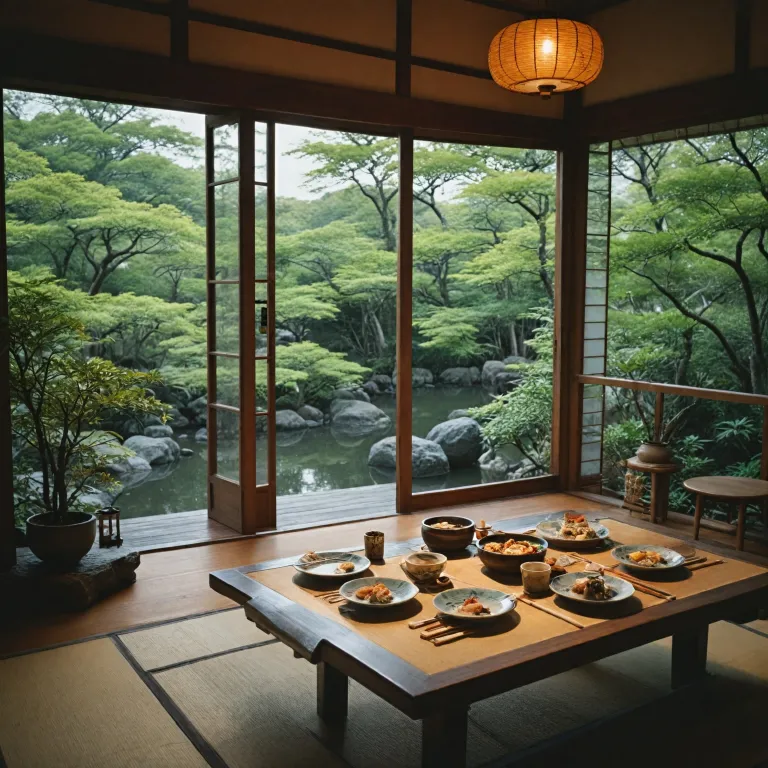
Understanding the essence of booking a ryokan with kaiseki dinner
Choosing to book a ryokan with kaiseki dinner is a commitment to experiencing traditional Japanese hospitality at its finest. A ryokan stay immerses guests in a world where every detail, from the tatami-matted style room to the artfully arranged kaiseki dinner, reflects centuries of cultural refinement. The process of booking is more than a transaction; it is the first step toward a journey that blends culinary artistry, serene onsen bathing, and the subtle rituals of Japanese style living.
When you book a ryokan with kaiseki dinner, you are not just reserving a room; you are securing a curated experience. Many ryokans, especially in Kyoto and Kinosaki Onsen, offer both traditional Japanese style rooms and western style accommodations, allowing guests to select the environment that best suits their preferences. The fee for a stay typically includes dinner and breakfast, with service fees and tax calculated per person. It is important to check the cancellation policy and understand any additional fee that may apply for private baths, upgraded facilities, or extra persons in the room.
Ryokans such as Kamesei Ryokan, Ryokan Motonago, and Kyoto Ryokan Watazen are renowned for their dedication to authentic kaiseki cuisine, often served in the privacy of your style room. Guests will find that the mineral spring baths, whether communal or private, are central to the ryokan experience. The hot spring water, rich in minerals, soothes the body and mind, preparing you for the multi-course kaiseki dinner that awaits. Booking platforms and direct reservations allow you to specify dietary needs, check for private bath tub availability, and review sample itineraries to enhance your stay.
Exploring the culinary artistry of kaiseki dinners in Japanese ryokans
Kaiseki dinner is the pinnacle of Japanese culinary tradition, emphasizing seasonality, presentation, and balance. When you book a ryokan with kaiseki dinner, you are invited to savor a sequence of dishes that showcase local ingredients and regional specialties. In Kyoto, ryokans like Ryokan Motonago and Kyoto Ryokan Watazen serve kaiseki dinners in your room, allowing for an intimate and unhurried dining experience. Each course, from delicate sashimi to simmered vegetables, is a reflection of the chef’s expertise and the region’s bounty.
Guests will appreciate that kaiseki dinners are meticulously prepared, often requiring several hours to fully enjoy. The dinner breakfast combination included in many ryokan packages ensures that your culinary journey continues into the morning, with traditional Japanese breakfast offerings. It is essential to inform the ryokan of any dietary preferences or restrictions in advance, as many now offer vegetarian or vegan kaiseki options. The fee for these meals is typically included in the overall stay, but some ryokans may charge an additional fee for premium ingredients or private dining arrangements.
For those seeking a modern twist, ryokans such as Kishi-ke in Kamakura offer private kaiseki dinners with sake tastings and plant-based cuisine. The facilities mineral baths and private baths enhance the sensory experience, while the style room provides a tranquil setting for both dinner and relaxation. Booking platforms often provide sample itineraries and detailed descriptions of dinner and breakfast menus, allowing guests to tailor their stay to their tastes. For more insights on the best culinary experiences in Japan, explore our comprehensive guide to Japanese dining traditions.
The role of onsen and private baths in the ryokan experience
Onsen, or hot spring baths, are integral to the ryokan experience, offering guests a chance to unwind in mineral-rich waters before or after their kaiseki dinner. Many ryokans, especially in renowned areas like Kinosaki Onsen, provide both communal and private baths. The mineral spring water is believed to have therapeutic properties, enhancing relaxation and preparing guests for the culinary delights of a kaiseki dinner. When you book a ryokan with kaiseki dinner, be sure to check if private baths or bath tubs are available, as these can offer a more secluded and personalized bathing experience.
Facilities mineral baths are often complemented by traditional Japanese architecture and serene garden views, creating a harmonious environment for bathing guests. Some ryokans offer style room options with private onsen, allowing you to enjoy the hot spring experience at your own pace. The fee for private baths may be included in your stay or charged as an additional fee, so it is important to clarify this during the booking process. Service fees and tax are typically included in the overall price, but always review the cancellation policy and internet cancellation terms to avoid unexpected charges.
For travelers interested in exploring multiple onsen towns, sample itineraries can help you plan a journey that includes stays at various ryokans, each with its own unique approach to kaiseki dinner and Japanese style hospitality. To learn more about the best onsen experiences in Japan, visit our dedicated onsen travel resource. Whether you prefer communal bathing or a private bath tub, the combination of mineral spring waters and exquisite dining will leave a lasting impression.
Booking strategies for luxury and premium ryokans with kaiseki dinner
Securing a reservation at a luxury or premium ryokan with kaiseki dinner requires thoughtful planning. High demand, especially during peak seasons in Kyoto and Kinosaki, means that rooms can be booked months in advance. When you book a ryokan with kaiseki dinner, consider both the style room and the type of kaiseki dinner offered. Some ryokans, such as Otani Sanso and Hakone Ginyu, feature monthly changing menus that highlight seasonal ingredients and regional specialties.
It is advisable to check the cancellation policy and understand the terms related to service fees, tax, and internet cancellation. Many premium ryokans offer flexible booking options, but some may require a non-refundable deposit or charge an additional fee for changes. The fee structure typically includes dinner, breakfast, and access to facilities mineral baths, but private baths or upgraded rooms may incur extra costs. Always confirm the number of persons included in the booking, as rates are often quoted per person rather than per room.
For those traveling in groups or with family, inquire about western style rooms or style room configurations that accommodate multiple adults. The average cost for a ryokan stay with kaiseki dinner is around 30,000 yen per night per person, with variations depending on location and amenities. Utilize online reservation platforms and travel guides specializing in Japanese accommodations to compare options and secure the best value.
Enhancing your stay: Customizing your ryokan experience
Personalizing your ryokan stay can elevate your experience from memorable to truly exceptional. When you book a ryokan with kaiseki dinner, communicate your preferences regarding room type, dietary needs, and desired amenities. Many ryokans offer both traditional Japanese style and western style rooms, allowing guests to choose the environment that best suits their comfort. Private baths, garden views, and in-room kaiseki dinners are just a few of the options available to enhance your stay.
Guests will benefit from reviewing sample itineraries provided by the ryokan or booking platform, which often include recommendations for local sightseeing, onsen visits, and cultural activities. The fee for additional services, such as private dining or upgraded bath tub facilities, should be clarified at the time of booking. Service fees and tax are usually included in the quoted price, but always check for any additional fee that may apply for extra persons or special requests.
To ensure a seamless experience, inform the ryokan of any dietary restrictions or allergies well in advance. Many establishments are happy to accommodate vegetarian, vegan, or gluten-free kaiseki dinners, provided they receive sufficient notice. The cancellation policy and internet cancellation terms should be reviewed carefully, especially for premium bookings. By customizing your stay, you will create a unique and enriching journey that reflects your personal tastes and interests.
Practical tips and etiquette for a refined ryokan stay
Observing proper etiquette is essential when staying at a ryokan, especially when enjoying a kaiseki dinner. Upon arrival, guests will be greeted with warm hospitality and guided to their style room, where traditional customs such as removing shoes and wearing a yukata are observed. The dinner breakfast schedule is typically set in advance, with meals served at specific times to ensure freshness and optimal presentation.
It is customary to bathe before dinner, either in the communal onsen or a private bath tub, to relax and prepare for the meal. "Guests typically wear the provided yukata (casual kimono) to dinner, but wearing your own clothes is also acceptable." Kaiseki dinners are served in multiple courses, each presented with meticulous attention to detail. The fee for the meal is included in your stay, but additional fee may apply for premium ingredients or private dining arrangements.
Respect for the staff and other bathing guests is paramount, especially in shared facilities mineral baths. Always check the cancellation policy and internet cancellation terms before confirming your booking. By following these guidelines, you will ensure a harmonious and enjoyable stay, allowing you to fully appreciate the artistry of Japanese style hospitality and the culinary excellence of kaiseki dinner.
Key statistics on booking ryokans with kaiseki dinner
- There are approximately 40,000 ryokans in Japan, offering a wide range of experiences for guests.
- The average cost of a ryokan stay with kaiseki dinner is 30,000 yen per night per person, including dinner and breakfast.
- About 85% of ryokans offer kaiseki dinners as part of their accommodation packages.
Frequently asked questions about booking ryokans with kaiseki dinner
What is a kaiseki dinner?
A kaiseki dinner is a traditional Japanese multi-course meal that emphasizes seasonality, presentation, and balance, often served at ryokans.
How much does it cost to stay at a ryokan with a kaiseki dinner?
The cost varies depending on the ryokan and location, but on average, it ranges from 20,000 to 50,000 JPY per night per person, including dinner and breakfast.
Are there vegetarian kaiseki options available?
Yes, many ryokans offer vegetarian or even vegan kaiseki options. It's important to inform the ryokan of your dietary preferences in advance.