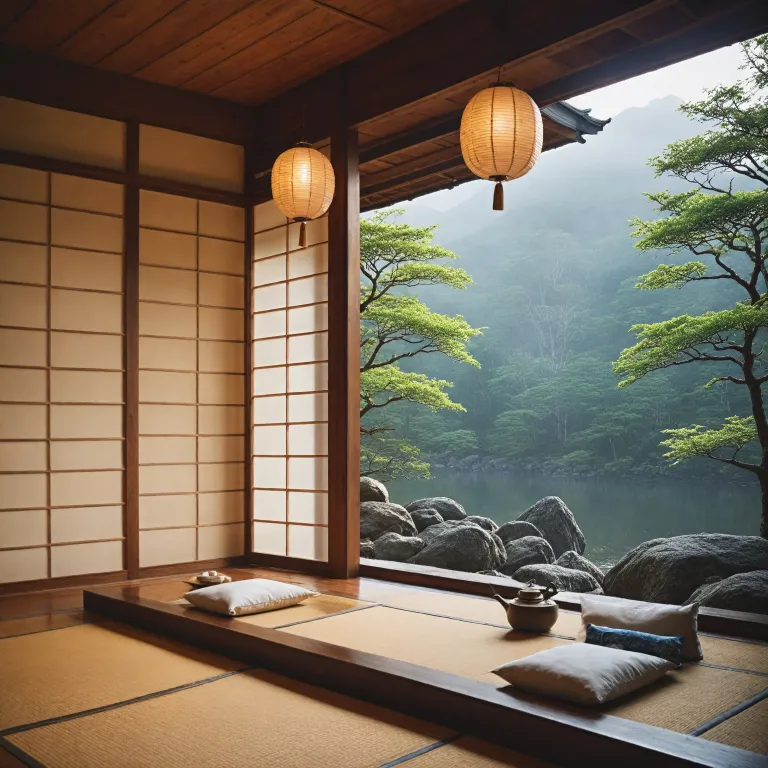
Is Hakone worth visiting for a refined escape from Tokyo
For travelers asking whether Hakone is worth visiting, the answer becomes clear the moment you leave Tokyo Station and glide toward the forested slopes of Fuji Hakone Izu National Park. The short journey makes Hakone ideal for a day trip, yet its layered culture, hot springs, and refined ryokan stays reward a slower rhythm over several days. When you visit Hakone, you step into a landscape where traditional Japan, contemporary art, and views of Mount Fuji coexist in rare harmony.
Hakone is worth visiting if you value atmosphere as much as sightseeing, because the region’s hot springs and ryokan culture are inseparable from its mountains, lakes, and shrines. Many guests arrive at Hakone Yumoto Station, then continue deeper into the hills to intimate ryokan with private onsen and rooms facing cedar forests or river valleys. This is where the question “is Hakone worth visiting” shifts from theory to experience, as you soak in hot spring baths while clouds drift around Mount Hakone’s ridges.
From Lake Ashi cruises with distant Mount Fuji views to the serene approach to Hakone Shrine, every day in Hakone can balance gentle activity with restorative pauses. The Hakone Freepass simplifies transport between ropeways, cable cars, and museums, making a flexible day Hakone itinerary easy even for first time visitors. For those comparing Fuji Hakone to Kawaguchiko, Hakone is worth visiting if you seek both hot springs and world class art, while Kawaguchiko excels for closer lake level views of Mount Fuji.
Art, nature, and hot springs that define whether Hakone is worth visiting
One of the strongest arguments that Hakone is worth visiting lies in its extraordinary art scene set amid volcanic landscapes. The Hakone Open-Air Museum presents monumental sculptures against mountain backdrops, and the famous air museum setting allows you to feel both culture and climate in a single glance. This open air collection, together with the Pola Museum of Art and the Okada Museum of Art, turns a simple day trip into a sophisticated cultural retreat.
Inside these museums, you move from Japanese painting to European Impressionism, then step back outside to steaming hot springs and cool forest air. The Hakone Open-Air Museum alone can fill a day in Hakone, especially when combined with a soak in nearby onsen before returning to your ryokan. For travelers planning a broader circuit that includes Kusatsu or Kawaguchiko, pairing Hakone’s museums with a stay in another renowned hot spring region, such as those highlighted in this elegant Kusatsu onsen ryokan guide, creates a nuanced Japan itinerary.
Beyond the major institutions, smaller venues such as the Hakone Botanical Garden of Wetlands and the Venetian Glass Museum (often called the Hakone Venetian glass attraction) add texture to any visit Hakone plan. Their collections and gardens feel especially appealing in spring, when cherry blossoms frame the mountains and the air remains pleasantly cool. If you are still wondering “is Hakone worth visiting”, consider how few destinations offer hot springs, lake cruises, and world class art within such easy reach of Tokyo.
Ryokan stays, private onsen, and the luxury of time in Hakone
For guests focused on whether Hakone is worth visiting specifically for ryokan stays, the answer depends on how you like to travel. Hakone’s ryokan range from understated traditional inns near Hakone Yumoto to secluded retreats with private open air baths overlooking rivers, forests, or Mount Fuji on clear days. Many travelers choose Hakone over a simple day trip because evenings in tatami rooms, followed by kaiseki dinners and hot springs, define the essence of visiting Hakone.
Rooms in premium ryokan often feature private onsen, allowing you to enjoy hot springs without leaving your suite, which is especially appealing after a full day Hakone itinerary. For those comparing Kyoto and Hakone, a stay in the capital can be beautifully complemented by nights in properties such as those featured in this guide to Kyoto ryokan with private onsen, followed by a quieter interlude in Hakone. In both regions, the combination of seasonal cuisine, meticulous service, and hot spring rituals turns a simple trip into a deeply restorative experience.
Hakone is worth visiting for ryokan enthusiasts who appreciate thoughtful design, multi course dinners, and the quiet luxury of unhurried mornings. While some travelers treat Hakone as a quick stop between Tokyo and Kawaguchiko, staying at least one night allows you to enjoy hot springs when day visitors have left. If you are planning multiple nights in Japan, alternating city stays with ryokan in Hakone, Kawaguchiko, or other onsen towns creates a balanced rhythm of energy and calm.
Planning your Hakone day trip or overnight stay from Tokyo
When evaluating whether Hakone is worth visiting, logistics from Tokyo play a central role for many travelers. The journey from Shinjuku Station to Hakone Yumoto Station is straightforward, and the Hakone Freepass then covers most local transport, from buses to ropeways and lake cruises. This makes a day trip feasible, yet the density of attractions means that visiting Hakone over one or two nights often feels more relaxed.
A classic day Hakone route might include the Hakone Ropeway, Owakudani’s volcanic scenery, a cruise on Lake Ashi, and a visit to Hakone Shrine before returning to Tokyo. However, if you also wish to see the Hakone Open-Air Museum, the Venetian glass collection, or the Pola Museum of Art, an overnight stay becomes more appealing. In that case, arriving early at Yumoto Station, sending your luggage ahead to your ryokan, and then using the Hakone Freepass for flexible sightseeing can make your trip smoother.
Travelers often compare Fuji Hakone with Kawaguchiko when deciding where to prioritize time for Mount Fuji views. Kawaguchiko offers closer perspectives of Mount Fuji and easy lakeside walks, while Hakone is worth visiting for its combination of hot springs, museums, and varied transport experiences. If your Japan itinerary already includes Kawaguchiko, treating Hakone as a cultural and onsen focused complement rather than a direct competitor can help you appreciate both destinations fully.
Is Hakone worth visiting for Mount Fuji views and seasonal beauty
Many travelers ask whether Hakone is worth visiting specifically for Mount Fuji, especially when Kawaguchiko is also on the itinerary. On clear days, the combination of Lake Ashi, the surrounding mountains, and distant Mount Fuji creates a classic Japan panorama that feels almost cinematic. However, visibility can change quickly, so it is wise to treat Fuji views as a welcome bonus rather than the sole reason for visiting Hakone.
Hakone is worth visiting in every season, with spring blossoms, summer greenery, autumn foliage, and winter snow each transforming the hot springs and lakes. In spring, a day trip from Tokyo can include gentle walks near Hakone Shrine and lakeside paths, followed by a hot spring soak as evening cools the air. Autumn brings intense colors to the hills above Hakone Yumoto, while winter emphasizes the contrast between cold air and steaming onsen, especially in outdoor baths.
For those comparing Fuji Hakone and Kawaguchiko, consider how you value variety versus proximity to Mount Fuji. Kawaguchiko excels for repeated, close range views of Mount Fuji and easy access to lakefront promenades, while Hakone is worth visiting for its layered experiences, from museums to ropeways and hot springs. If your schedule allows, including both Hakone and Kawaguchiko in your Japan trip offers the most complete perspective on the Fuji region’s landscapes.
How a premium ryokan booking platform elevates your Hakone stay
Even when travelers agree that Hakone is worth visiting, they often struggle to navigate the nuances of ryokan categories and room types. Luxury and premium properties in Hakone, Hakone Yumoto, and nearby areas around Lake Ashi can vary widely in layout, private onsen options, and views of Mount Fuji. A refined booking platform dedicated to ryokan helps you compare rooms with private hot springs, open air baths, or shared onsen facilities in a transparent, guest centric way.
For someone asking “is Hakone worth visiting for a single night”, the ability to filter for rooms with in room hot springs or guaranteed kaiseki dinners can make that short stay feel truly worthwhile. A well designed site will clarify whether a hot spring bath is genuinely fed by natural onsen water, how many guests each room accommodates, and which spaces offer partial or full Mount Fuji views. It can also highlight whether a property sits closer to Yumoto Station, the museums, or Lake Ashi, which matters greatly for day trip style itineraries.
Because there is currently no specific category tailored to travelers who are new to ryokan culture yet seeking premium experiences, curated editorial content becomes essential. Guides such as this overview of a refined premium ryokan booking experience help bridge the gap between expectation and reality. By combining clear information on hot springs, room layouts, and access from Tokyo, such platforms ensure that visiting Hakone feels not only worth it, but thoughtfully orchestrated from the first search to check out.
Practical insights, expert guidance, and key data on visiting Hakone
When deciding whether Hakone is worth visiting, it helps to balance emotion with data and expert insight. Visitor numbers to Fuji Hakone Izu National Park demonstrate sustained interest, yet the region still offers many quiet corners, especially if you stay beyond a single day trip. As interest in eco tourism and cultural experiences grows across Japan, Hakone’s blend of hot springs, museums, and mountain scenery aligns naturally with these evolving travel preferences.
To refine your own answer to “is Hakone worth visiting”, consider how you like to structure days on the road. If you enjoy alternating active hours with slow meals and long soaks in hot springs, then visiting Hakone, staying in a ryokan, and using the Hakone Freepass for flexible movement will likely feel deeply satisfying. If you prefer fast paced urban energy, Hakone can still work as a day Hakone excursion from Tokyo, but its full charm emerges when you allow time for stillness.
For additional clarity, it is helpful to note that “What is the best time to visit Hakone?”, “How do I get to Hakone from Tokyo?”, and “Are there any passes available for tourists in Hakone?” are among the most frequent questions from international guests. “Hakone is beautiful year-round, but spring and autumn offer mild weather and scenic landscapes.” “Take the Odakyu Romancecar from Shinjuku Station to Hakone-Yumoto Station.” “Yes, the Hakone Freepass offers unlimited transportation and discounts on attractions.” These concise answers, combined with your own priorities around ryokan stays, Mount Fuji views, and cultural depth, should help you decide whether Hakone is worth visiting on your next Japan journey.
Key statistics about Hakone and Fuji Hakone Izu National Park
- International visitors to Japan's national parks : 8 400 000 people, according to the Ministry of the Environment.
- Visitors to Fuji-Hakone-Izu National Park : 3 900 000 people, according to the Ministry of the Environment.
Essential questions about whether Hakone is worth visiting
What is the best time to visit Hakone ?
Hakone is beautiful year round, but spring and autumn offer especially pleasant conditions for hot springs, hiking, and lake cruises. In spring, cherry blossoms frame views toward the mountains, while autumn brings vivid foliage around Lake Ashi and the Hakone Open-Air Museum. Summer is lush and green, and winter emphasizes the contrast between cold air and steaming onsen, making every season a valid answer when asking whether Hakone is worth visiting.
How do I get to Hakone from Tokyo ?
The most convenient route for many travelers is the Odakyu Romancecar from Shinjuku Station to Hakone Yumoto Station, which offers reserved seating and scenic views. From Hakone Yumoto, you can continue by bus, train, cable car, or ropeway using the Hakone Freepass to reach Lake Ashi, Owakudani, and the main museums. This straightforward access from Tokyo makes both a day trip and a longer stay in Hakone easy to integrate into a wider Japan itinerary.
Are there any passes available for tourists in Hakone ?
Yes, the Hakone Freepass is specifically designed for visitors and includes unlimited use of most local transport, along with discounts at many attractions. It covers key routes between Hakone Yumoto, Lake Ashi, the Hakone Ropeway, and major museums such as the Hakone Open-Air Museum. For anyone evaluating whether Hakone is worth visiting, the pass reduces logistical friction and helps you experience more in each day without constantly purchasing individual tickets.
Sources : Hakone Open-Air Museum (hakone-oam.or.jp) ; Pola Museum of Art (polamuseum.or.jp) ; Ministry of the Environment, Japan (env.go.jp)