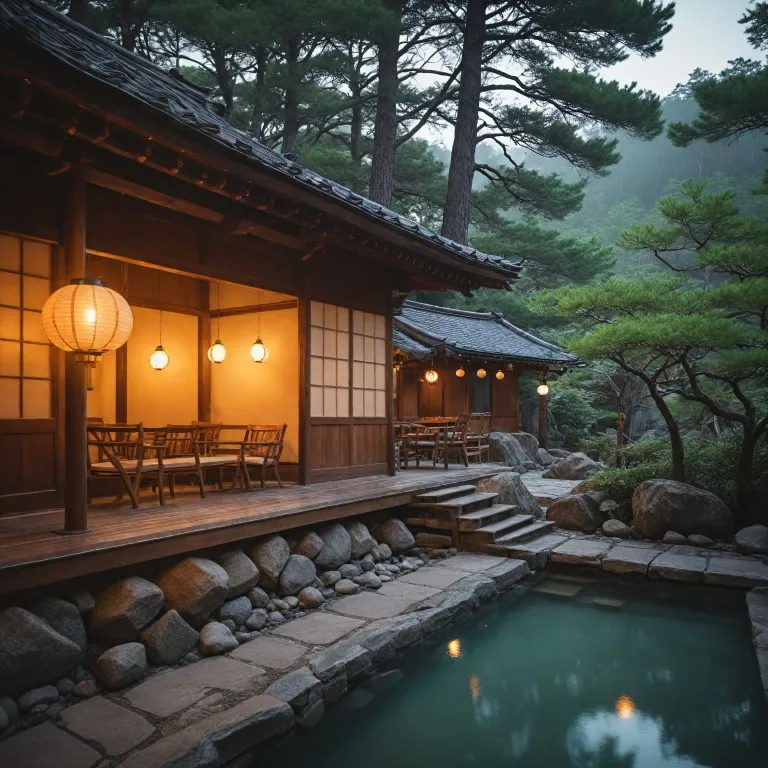
Choosing a kusatsu onsen hotel for an elegant hot spring escape
A refined kusatsu onsen hotel stay begins with understanding the character of this mountain village. Kusatsu is renowned across Japan for its intensely hot spring water, and the town’s compact village layout places many ryokan and hotel options within walking distance of the steaming Yubatake. When you compare each ryokan or resort hotel, focus on how the property integrates the natural hot spring into its architecture and service.
Historic Hotel Ichii stands directly before Yubatake, offering a kusatsu onsen hotel experience where you can watch the hot spring source from your room. Many rooms here are traditional Japanese style rooms with tatami, while some style rooms blend western style beds with shoji screens and low seating. This mix of japanese style and western style rooms allows different persons in the same group to choose the room style that suits their comfort.
Adult only Hanaingen offers a quieter kusatsu onsen setting, combining japanese decor with European furniture for a distinctive style. Its intimate scale appeals to couples seeking a ryokan with private dining and fewer mixed public baths, while still enjoying authentic onsen kusatsu spring water. When selecting between these properties, consider whether you prefer a lively hotel village atmosphere or a more secluded ryokan courtyard ambience.
Across Kusatsu, more than one hundred hot springs feed the town’s baths, and the total hot spring water output per minute reaches thirty four thousand litres. This abundance of spring water means that each onsen hotel can keep its open air baths flowing continuously, preserving the natural hot mineral qualities. For guests, that translates into consistently hot spring bath experiences, whether in large shared baths or smaller open air bath facilities.
Balancing japanese style and western comfort in kusatsu onsen rooms
For many travellers, the ideal kusatsu onsen hotel offers both japanese style rooms and western style rooms under one roof. La Vista Kusatsu Hills exemplifies this balance, with western style rooms inspired by Grimm’s Fairy Tales yet equipped with private open air baths. These rooms allow persons unaccustomed to futons to sleep in western beds while still enjoying a room hot spring bath on the balcony.
In contrast, Hoshino Resorts KAI Kusatsu focuses on a more traditional ryokan atmosphere, with japanese style rooms that frame views of forest and village. Here, sliding doors open onto tatami spaces where low tables, zabuton cushions, and alcoves create a serene style room layout. Guests who value authentic japanese style often appreciate the way the air carries the faint scent of tatami and hot spring steam.
When browsing a luxury booking platform, pay attention to how each kusatsu onsen hotel describes its rooms and baths. Look for clear distinctions between indoor baths, open air baths, and any mixed bathing zones, especially if different persons in your party have varying comfort levels. For more context on exclusive stays with private onsen, consult this detailed guide to the finest ryokan with private onsen.
Room descriptions should specify whether the spring bath in your room uses natural hot spring water directly from Kusatsu sources. Some style rooms feature a modern air bath system that aerates the spring water for a softer sensation on the skin. Others prioritise deep stone tubs on terraces, where you can enjoy crisp mountain air while soaking in your private onsen kusatsu bath.
Understanding baths, air baths, and mixed bathing etiquette in Kusatsu
Bath culture sits at the heart of every kusatsu onsen hotel, and understanding it enhances your stay. Public baths usually separate men and women, but some ryokan still maintain mixed bathing zones, especially in outdoor open air baths. Before entering any baths, confirm signage and follow staff guidance, as etiquette around towels, hair, and photography is strictly observed.
Many properties offer a combination of large indoor baths, semi open air baths, and fully open air bath facilities. These spaces often frame views of forest, courtyard gardens, or the wider village, allowing you to enjoy the changing seasons while immersed in hot spring water. In winter, the contrast between the cold air and the hot spring bath creates a particularly memorable sensation on the skin.
Some contemporary onsen hotel designs incorporate air baths, where jets of air bubble through the spring water for a gentle massage effect. These air baths can be found in both shared baths and private style rooms, and they are especially appreciated by persons seeking a less intense soak. For travellers comparing high end ryokan across Japan, this overview of five star ryokan elegance offers useful context.
Private dining often follows the evening bath, and many kusatsu onsen properties time meals so guests can move seamlessly from spring bath to kaiseki course. When booking, verify whether your ryokan offers in room hot pot dishes or serves dinner in a dedicated private dining room. This detail can significantly shape the rhythm of your stay, especially in a resort hotel where multiple restaurants and baths are spread across a larger hotel village layout.
How luxury booking platforms curate kusatsu onsen ryokan experiences
Luxury and premium booking platforms play a crucial role in presenting each kusatsu onsen hotel with clarity and nuance. Instead of listing only room size and price, the most refined sites highlight whether rooms are japanese style, western style, or hybrid style rooms. They also specify which rooms include open air baths, which rely on shared baths, and how natural hot spring water is piped into each facility.
For example, Kusatsu Onsen Hotel Resort, now rebranding as KAMENOI HOTEL KUSATSU RESORT, offers more than one hundred rooms with varied layouts. A sophisticated booking interface allows persons to filter by style room, view, and bath type, whether they seek a compact japanese style room or a larger western style suite. Clear icons for open air bath access, mixed bathing availability, and shuttle bus services between the hotel village and central Kusatsu reduce uncertainty.
Curated content also explains how each ryokan integrates the surrounding village and landscape into its design. Some properties emphasise a quiet courtyard with seasonal plantings, while others highlight proximity to Yubatake and the traditional Yumomi performances used for cooling hot spring water. A well structured platform will connect these elements so guests understand how their chosen onsen hotel fits into the broader Kusatsu resort experience.
For travellers comparing destinations, editorial features on topics like exclusive ryokan offers and private onsen escapes help contextualise Kusatsu within Japan’s wider hot spring culture. These articles often reference how air baths, private dining, and room hot spring facilities have become key differentiators in the luxury segment. By combining precise filters with narrative guidance, premium booking sites make it easier to match each kusatsu onsen hotel to your personal bathing and dining preferences.
Practical planning: access, shuttle bus options, and seasonal ambience
Planning a stay at a kusatsu onsen hotel involves more than choosing a beautiful room. Kusatsu sits in Gunma Prefecture’s mountains, and many guests arrive via train and bus connections before transferring to a hotel shuttle bus. When browsing ryokan listings, verify whether your chosen onsen hotel provides a complimentary shuttle bus from the nearest station or operates scheduled services only.
Once in the village, distances between ryokan, hotel village complexes, and public baths are usually walkable. However, in winter, snow and ice can make the short walk from your resort hotel to the central hot spring area feel longer, especially for older persons. In such cases, a property with internal corridors linking rooms, baths, and private dining spaces can be more comfortable than one requiring frequent outdoor walks.
Seasonality also shapes the ambience of each kusatsu onsen property. In colder months, the contrast between the freezing air and the steaming open air baths becomes particularly dramatic, and many guests enjoy lingering in outdoor air baths. During milder seasons, sliding doors in japanese style rooms can be left slightly open to let in fresh mountain air while you relax after a spring bath.
Regardless of season, Kusatsu’s abundant natural hot spring water ensures that baths remain consistently hot and mineral rich. This reliability allows each ryokan to maintain multiple baths, from intimate courtyard tubs to expansive mixed bathing zones, without compromising water quality. When booking through a premium platform, look for detailed notes on seasonal views from rooms and baths, such as snow covered trees or fresh green foliage around the open air bath areas.
Elevating your kusatsu onsen stay with dining, wellness, and cultural context
The most memorable kusatsu onsen hotel stays weave bathing, dining, and culture into a coherent experience. Many ryokan offer private dining in either your room or a dedicated salon, serving multi course meals that showcase regional ingredients. After a long soak in a room hot spring bath or one of the larger air baths, these carefully paced meals encourage unhurried conversation.
Wellness focused travellers often seek properties where spring water quality, quiet rooms, and fresh air align. In Kusatsu, the high temperature and strong mineral content of the hot spring water are central to the town’s reputation, and many persons report deep relaxation after repeated soaks. Some ryokan complement the onsen with massage, gentle stretching sessions, or quiet reading lounges overlooking the courtyard or village.
Cultural context also matters, especially for international guests new to ryokan etiquette. Staff at leading properties, including Hotel Ichii, Hanaingen, Kusatsu Onsen Hotel Resort, La Vista Kusatsu Hills, and Hoshino Resorts KAI Kusatsu, increasingly provide multilingual guidance on how to use baths and enjoy meals. As one local overview notes, “Kusatsu Onsen can be visited year-round, but many prefer the winter months for the snowy scenery and hot spring experience.”
Before finalising your reservation, review how each kusatsu onsen hotel explains its japanese style and western style offerings, bath layouts, and shuttle bus logistics. Ensure that the mix of open air baths, indoor baths, and any mixed bathing zones aligns with your comfort level and cultural expectations. With thoughtful planning through a trusted luxury booking platform, your chosen ryokan or resort hotel in Kusatsu can become a deeply restorative base for exploring this storied hot spring village.
Key statistics about Kusatsu onsen
- Number of hot springs in Kusatsu : 100 hot springs.
- Total hot spring water output per minute : 34 000 litres.
Essential questions before booking a kusatsu onsen hotel
What is the best time to visit Kusatsu Onsen ?
Kusatsu Onsen can be visited year round, but many travellers favour the colder months. Snowy streets, rising steam, and hot spring baths create a striking contrast that enhances the sensory experience. However, each season offers distinct charms, from fresh greenery to autumn foliage around open air baths.
Are there English speaking staff at these hotels ?
Many kusatsu onsen hotel properties employ English speaking staff, particularly at larger ryokan and resort hotel complexes. Nonetheless, language capabilities vary, so it is wise to confirm directly with your chosen onsen hotel before arrival. Even where English is limited, clear signage and established bathing routines usually help international guests feel comfortable.
Do these hotels offer meals with the stay ?
Most ryokan and hotels in Kusatsu Onsen provide meal inclusive plans that feature breakfast and dinner. These often highlight local and seasonal ingredients, served either as in room private dining or in dedicated restaurant spaces. When booking, check whether your plan includes kaiseki style dinners, buffet options, or flexible dining times to coordinate with your preferred bathing schedule.