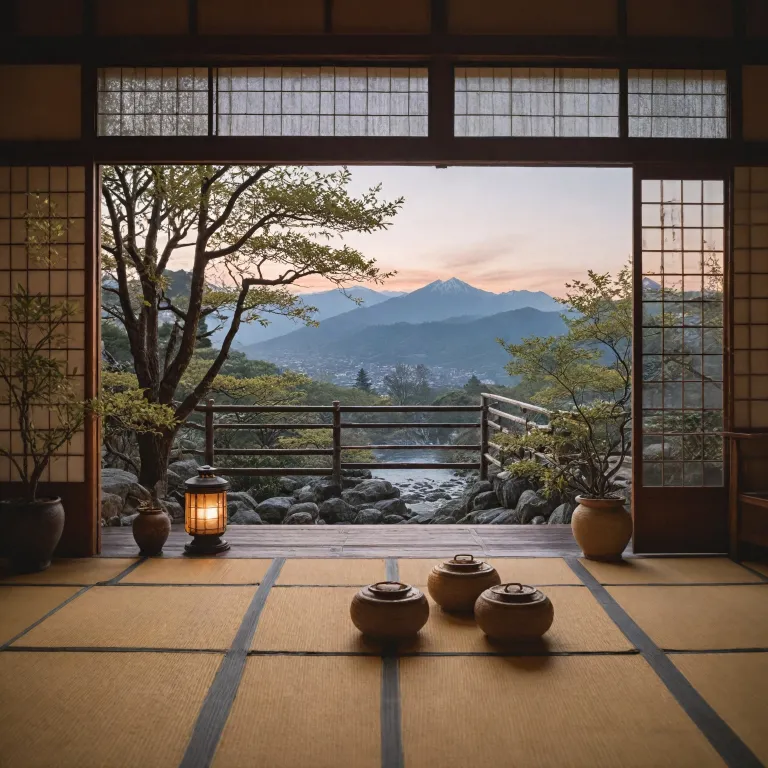
Okuhida onsen for discerning travelers seeking authentic japanese serenity
Nestled in the Northern Japan Alps, the onsen area of Okuhida onsen offers a rare blend of alpine drama and intimate japanese hospitality. This remote corner of Gifu, officially part of Okuhida Onsengo in Takayama, feels worlds away from urban japan, yet it remains accessible by bus from major hubs. For travelers seeking a refined ryokan rather than a generic stay, the region’s hot spring heritage and tranquil baths create an atmosphere of deep, unhurried calm.
Okuhida Onsengo is composed of five distinct onsen towns, each with its own character, water qualities, and style of open air bath. Hirayu, Fukuji, Shinhirayu, Tochio, and Shinhotaka form a compact area, yet the variety of hot spring experiences feels surprisingly extensive. Many ryokan here feature multiple spring baths, including secluded air baths framed by cedar, stone, and snow, allowing you to appreciate the changing japan time throughout the day.
For guests arriving from Takayama, the journey by hirayu bus or other regional services becomes part of the experience, as the road climbs steadily toward the japan Alps. The bus terminal at Hirayu Onsen functions as a practical gateway, with clear english signage and connections deeper into the onsen area. From here, travelers can continue toward shin Hotaka and the shinhotaka ropeway, or settle into a ryokan in Hirayu Onsen, where the first hot spring sources were tapped centuries ago.
Understanding the five villages of okuhida onsengo and their ryokan styles
Within Okuhida Onsengo, each village offers a distinct mood, which matters when selecting a luxury ryokan through a premium booking website. Hirayu Onsen is the most established, with a compact onsen area around the bus terminal and several ryokan that balance heritage architecture with modern comforts. Here, hot spring baths often feature milky or clear waters, and some properties provide both indoor bath options and open air baths overlooking forested slopes.
Further along the valley, Shinhotaka sits closest to shin Hotaka and the shinhotaka ropeway, making it ideal for guests who want dramatic japan Alps panoramas with their onsen. Many ryokan in this area emphasize open air spring baths with wide sky views, and some even offer mixed bathing zones where bathing suits are permitted. Travelers should verify in advance whether mixed baths are available, as policies differ between individual ryokan and between singular bath and larger shared baths.
Fukuji, Tochio, and Shinhirayu are quieter onsen towns, appealing to guests who value seclusion and a slower japan time rhythm. In these villages, the focus often rests on traditional japanese rooms, carefully prepared kaiseki dinners, and intimate hot spring experiences rather than extensive facilities. When using a luxury booking platform, look for detailed descriptions of each ryokan’s baths, including whether they offer private open air bath options, family friendly spring baths, or gender separated air baths with mountain views.
Navigating transport, language, and pricing for a seamless okuhida stay
Reaching Okuhida onsen usually involves a scenic bus journey from Takayama, with services timed to connect with limited express trains from other parts of japan. The hirayu bus terminal serves as the main interchange, with routes fanning out toward the different onsen towns and toward shin Hotaka. For international guests, the presence of english information boards and timetables at the bus terminal significantly reduces stress, especially when planning late arrivals or early departures.
Premium booking websites for ryokan in this onsen area should clearly indicate access details, including approximate bus travel times, seasonal schedule variations, and walking distances from the nearest bus stop. Many ryokan in Hirayu Onsen and the wider Okuhida Onsengo area offer pick up services from the bus terminal, which is particularly helpful if you are traveling with luggage or arriving after dark. When comparing properties, check whether the ryokan provides english support at reception, as this can make it easier to understand bath etiquette, meal timings, and any rules for mixed baths or private spring baths.
Pricing is typically listed in yen, and luxury ryokan stays in this part of Gifu often include both dinner and breakfast, along with unlimited access to the hot spring baths. A refined booking platform should allow you to filter by budget range in yen, specify preferences such as open air bath access, and highlight whether taxes and onsen fees are included. Transparent information about cancellation policies, seasonal surcharges, and any extra charges for private air baths helps guests feel confident before committing to a reservation.
Curating the perfect hot spring experience in okuhida’s ryokans
For many travelers, the essence of Okuhida onsen lies in the ritual of bathing, and a thoughtful booking website should help you curate that experience in advance. The region is renowned for its abundance of hot spring sources, feeding a remarkable number of open air baths scattered across the onsen towns. Some ryokan feature multiple spring baths with different temperatures, allowing guests to alternate between very hot pools and gentler, more tepid waters according to personal comfort.
In Hirayu Onsen and the broader Okuhida Onsengo area, you will find a mix of gender separated baths, reservable private baths, and selected mixed baths where modest swimwear is allowed. A premium platform should clearly label which ryokan offer mixed bathing, whether the mixed bath is a large outdoor pool or a smaller air bath, and what kind of attire is required. This level of detail is particularly important for couples or families who wish to share the hot spring experience while respecting japanese customs and local regulations.
Some properties, such as the well known Okuhida Garden Hotel Yakedake, emphasize extensive garden style open air bath layouts that change character with the seasons. In such places, guests can move between different air baths and spring baths, sometimes with views toward the japan Alps or forested ravines. When evaluating options, look for photos and descriptions that specify whether baths are truly open air, partially sheltered, or indoor, as this will shape your experience during colder months in northern japan.
Balancing tradition, sustainability, and comfort in okuhida’s luxury stays
One of the distinctive aspects of Okuhida onsen is how traditional japanese ryokan culture coexists with modern sustainability initiatives. The region has become a reference point for the integration of geothermal power generation with hot spring tourism to reduce maintenance costs and promote sustainability. For discerning guests, this means you can enjoy deeply relaxing hot spring baths while supporting an onsen area that actively manages its environmental footprint.
Many ryokan in Okuhida Onsengo still feature tatami floored rooms, futon bedding, and multi course kaiseki dinners that showcase seasonal ingredients from Gifu and surrounding regions. At the same time, luxury oriented properties increasingly provide amenities such as in room open air bath facilities, high quality bedding, and reliable english support for international visitors. When using a premium booking website, look for information about room size in square metres, bath type, and whether your plan includes access to private spring baths or only shared air baths.
The surrounding area, including Hirayu Mori and the forests near shin Hotaka, invites gentle walks between soaks, allowing you to experience the crisp mountain air that defines the japan Alps. Some ryokan collaborate with local guides to arrange excursions to the shinhotaka ropeway, where panoramic views of northern japan’s peaks complement the restorative effects of the hot springs. By choosing properties that highlight both cultural authenticity and environmental awareness, you align your stay with the long term preservation of Okuhida’s onsen towns and their precious hot spring resources.
Planning seasonal experiences and activities around okuhida onsen
Okuhida onsen rewards careful seasonal planning, and a sophisticated booking website should help you align your ryokan choice with the time of year. In colder months, the contrast between the hot spring baths and the crisp mountain air becomes especially striking, particularly in open air bath settings where steam rises against snow covered slopes. During milder seasons, air baths framed by fresh greenery or autumn foliage create a different kind of visual drama, especially in ryokan gardens and riverside spring baths.
Hirayu Onsen often serves as a practical base for exploring the wider area, including Hirayu Mori’s forested walking paths and viewpoints. From here, buses connect to shin Hotaka and the shinhotaka ropeway, where you can ascend to high altitude observation decks overlooking the japan Alps. After a day of exploration, returning to your ryokan’s hot spring baths, whether indoor bath or open air bath, becomes a cherished ritual that anchors your experience of northern japan.
When browsing a luxury booking platform, consider how each ryokan’s location within the Okuhida Onsengo onsen area supports your preferred activities. Properties closer to the bus terminal may be more convenient for short stays, while more remote ryokan in quieter onsen towns offer deeper immersion in nature. By paying attention to details such as bus schedules, english language support, availability of mixed baths, and the style of air baths, you can shape an Okuhida onsen stay that feels both effortlessly organized and richly atmospheric.
Key statistics for okuhida onsengo and its hot spring villages
- Number of onsen villages in Okuhida Onsengo : 5 villages forming the core hot spring area.
- Approximate number of open air baths available across the region : 140 baths fed by natural hot spring sources.
- Recorded annual visitors in a peak historical period : 1 140 000 people enjoying the onsen area.
- Recorded annual visitors in a more recent period : 570 000 people, reflecting evolving travel patterns in Gifu and northern japan.
Essential questions about visiting okuhida onsen
What are the five onsen villages in Okuhida Onsengo ?
The five onsen villages in Okuhida Onsengo are Hirayu, Fukuji, Shinhirayu, Tochio, and Shinhotaka, each forming part of the wider Okuhida onsen area in Takayama, Gifu. Hirayu Onsen is closest to the main bus terminal and often the most convenient for first time visitors. Shinhotaka, near shin Hotaka and the shinhotaka ropeway, is particularly appealing for guests who want dramatic japan Alps scenery alongside their hot spring baths.
What is the best time to visit Okuhida Onsengo ?
Okuhida Onsengo offers rewarding experiences throughout the year, with each season highlighting different aspects of the onsen area. Winter emphasizes steaming open air baths against snow covered peaks, while spring and autumn bring vivid colours to ryokan gardens and surrounding forests. Summer stays are ideal for combining cooler mountain air, visits to Hirayu Mori, and excursions on the shinhotaka ropeway with long, unhurried soaks in the hot spring baths.
Are there mixed gender baths in Okuhida Onsengo ?
Yes, some baths in Okuhida Onsengo offer mixed gender bathing, and bathing suits are permitted in certain mixed gender baths. Availability varies by ryokan and by specific bath, so it is essential to check details on your chosen booking website before confirming. Guests who prefer privacy can instead select ryokan that provide reservable private open air baths or suites with in room hot spring facilities.
Sources : visitgifu.com, nippon.com, thinkgeoenergy.com