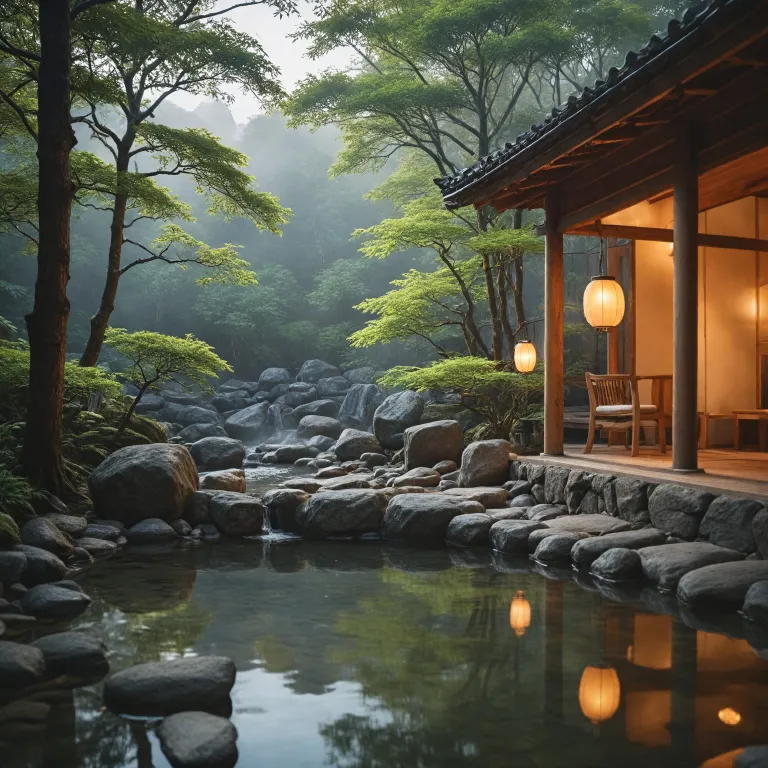
Why an open air bath defines a luxury ryokan stay
An open air bath is often the quiet heart of a refined ryokan stay. In Japan, these outdoor hot baths, or rotenburo, connect the bather to the surrounding air, water, and landscape in a uniquely japanese way. For travelers choosing between many rooms and regions, understanding how an open air bath shapes the experience is essential.
Across the country, from an intimate ryokan in a remote prefecture to a grand onsen resort, the presence of hot springs signals deep cultural roots. Japan’s geothermal context means natural hot water rises from the earth, feeding open air baths that feel both elemental and carefully curated. When a ryokan integrates a hot spring into its architecture, every room and corridor seems to lead you gently toward the baths.
Open air baths are not only about relaxation ; they are also about etiquette, wellness, and quiet ritual. Local governments regulate hot springs and public baths to ensure safety, while ryokan owners refine the design of each air bath to frame a particular view. Bathers move from their rooms to the open air with practiced calm, washing carefully before entering the hot water and treating the shared space with respect.
For many guests, the choice between public bath areas and a bath private to their room is decisive. Luxury properties increasingly offer private onsen terraces, where a single room or suite opens directly onto a steaming open air bath. This blend of privacy, japanese hot spring tradition, and tailored service defines the modern premium ryokan experience.
Choosing the right prefecture and ryokan for open air baths
Selecting the ideal prefecture for an open air bath stay begins with your priorities. Some travelers seek dramatic mountain scenery and a view of mount fuji, while others prefer coastal onsen towns or historic districts with famous public baths. A luxury ryokan booking website should help you filter rooms open to these different landscapes, highlighting which baths are fed by a genuine hot spring.
Regions such as Hakone, Beppu, Hokkaido, and Shikoku each offer distinct onsen cultures and water qualities. When you compare a ryokan in an urban onsen japan setting with one in a rural valley, pay attention to how the open air baths are positioned relative to nature. Many premium properties in each prefecture now feature private rooms with semi open air baths, allowing you to feel the cool air while soaking in hot water.
Price transparency is equally important, especially when fees are listed in yen and include separate charges for private onsen access. A well designed booking platform should clearly indicate any additional fee in yen for reservable air baths or exclusive bath private sessions. This clarity builds trust and allows you to compare rooms and room categories without unpleasant surprises at check out.
For travelers seeking the highest level of service, curated guides to five star ryokan stays in Japan can be invaluable. These resources explain how onsen etiquette, dining, and open air bath design come together in top tier properties. By combining expert insight with detailed filters, a luxury booking website can bridge the gap between online research and the serene reality of stepping into a steaming air bath.
Private onsen, public baths, and how to book them online
One of the most sensitive choices for international bathers is whether to use public baths or reserve a bath private to their room. In many ryokan, large public bath areas include both indoor pools and open air baths, sometimes separated by gender and sometimes mixed. A sophisticated booking website should clearly label which facilities are public baths, which are private onsen, and which rooms open directly onto an exclusive air bath.
Privacy matters for several reasons, including comfort with nudity, family travel, and the question of tattoos. Policies on whether tattoos are allowed vary widely between onsen japan destinations, public bath complexes, and individual ryokan. Because of this, a premium booking platform must state clearly when tattoos are allowed in public baths, when they are restricted, and when a private onsen or private rooms with open air baths are recommended instead.
Online booking tools can also show time based reservations for private baths, indicating any additional fee in yen and the duration of each slot. This is particularly useful in destinations such as Tokyo, where space is limited and a ryokan with private onsen may offer only a few air baths for exclusive use. Clear calendars, multilingual explanations, and photos of each open air bath help guests understand exactly what they are reserving.
For couples or families, rooms open directly onto a terrace with a hot spring fed tub can be the most appealing option. These private rooms often combine tatami flooring, sliding shoji, and a compact open air bath framed by stone and cedar. By presenting these details with precision, a luxury booking website turns a complex mix of room types, baths, and water sources into a calm, confident decision for the guest.
Iconic onsen destinations: beppu, dogo onsen, Hokkaido and beyond
Certain onsen towns have become emblematic of the open air bath experience in japan. Beppu onsen, for example, is renowned for its dramatic steam plumes, varied hot springs, and a wide range of public baths and ryokan styles. In such destinations, a premium booking website must help guests navigate from simple rooms to suites with expansive open air baths and panoramic view options.
In Shikoku, dogo onsen offers one of the country’s most storied public bath houses, surrounded by ryokan that blend history with modern comfort. Here, travelers may choose between traditional public bath rituals and private onsen facilities that bring hot water directly to a secluded air bath. Clear descriptions of whether tattoos are allowed, how hot the baths are, and whether the water is true hot spring water are essential for informed choices.
Further north, onsen hokkaido resorts showcase snowy landscapes, where an open air bath becomes a dramatic contrast between cold air and steaming hot water. Many ryokan in this prefecture design air baths so that rooms open onto decks facing forests or mountains, creating a sense of immersion in nature. A well structured booking interface can highlight which private rooms offer these seasonal views and which rely on shared public baths instead.
As interest in luxury travel grows, more properties across every prefecture are integrating modern amenities into traditional wooden and stone baths. A detailed article on refined open air bathing in Hakone illustrates how design, service, and landscape come together. By curating such content, booking platforms support bathers in choosing not only a ryokan, but a specific style of open air bath that matches their expectations.
Design, etiquette, and accessibility in open air bath experiences
The design of an open air bath shapes how bathers move, relax, and interact with the surrounding environment. Traditional ryokan often use natural stone, cypress wood, and carefully placed lanterns to frame the baths and guide guests from room to water. Modern luxury properties may add subtle lighting, handrails, and step free access, ensuring that the air baths remain welcoming to a wider range of visitors.
Etiquette remains central to japanese hot spring culture, whether you are in a secluded bath private to your suite or a large public bath. Guests are expected to wash thoroughly before entering any hot water, keep towels out of the baths, and speak quietly to preserve the tranquil atmosphere. Booking websites can support this by providing clear etiquette guides in multiple languages, helping first time visitors feel confident before they even leave their rooms.
Accessibility information is another area where premium platforms can excel, especially for bathers with mobility needs or sensory sensitivities. Detailed descriptions of step heights, handrails, and whether rooms open directly onto an air bath without stairs can make the difference between a stressful and a serene stay. This level of transparency aligns with the broader goals of local governments and ryokan owners to promote well being and inclusive tourism.
As one expert explanation notes, “A rotenburo is an open-air hot spring bath in Japan, allowing bathers to enjoy natural surroundings while soaking in mineral-rich waters.” This definition underscores why the relationship between air, water, and landscape is so carefully considered in ryokan design. When a booking website conveys these nuances clearly, it becomes a trusted bridge between centuries old bathing culture and today’s discerning international traveler.
Pricing, value, and managing expectations in yen
Understanding pricing in yen is essential when comparing luxury ryokan that feature open air baths. Room rates often bundle dinner, breakfast, and access to public baths, while private onsen or exclusive air baths may incur an additional fee in yen. A transparent booking interface should separate base room prices from optional bath private reservations, allowing guests to see the true value of each package.
Value in an onsen japan stay is not measured only by room size or the number of baths. Instead, it reflects the quality of the hot spring water, the serenity of the view, and the ease with which rooms open onto nature infused spaces. For some guests, a compact room with a perfectly positioned open air bath overlooking a garden may feel more luxurious than a larger suite without direct access to hot springs.
Premium platforms can enhance trust by providing clear photos, verified guest reviews, and precise descriptions of water sources. Indicating whether the baths use natural hot spring water, how hot the baths typically are, and whether tattoos are allowed in public baths helps manage expectations. This level of detail supports informed decisions and reduces the risk of disappointment upon arrival.
When evaluating options in destinations such as beppu onsen, onsen hokkaido, or onsen fukushima, consider both the monetary cost and the experiential richness. Some ryokan in each prefecture offer modestly priced rooms with access to exceptional open air baths, while others focus on expansive private rooms with high nightly rates in yen. A well designed booking website should make these trade offs visible, empowering bathers to choose the balance of privacy, hot springs, and service that best suits their priorities.
Special considerations: tattoos, mixed bathing, and cultural sensitivity
Cultural sensitivity plays a significant role in planning an open air bath stay in japan, especially regarding tattoos and mixed bathing. While attitudes are gradually changing, some public baths and ryokan still restrict access for guests with visible tattoos. A responsible booking website should clearly indicate when tattoos are allowed, when they must be covered, and when a private onsen or bath private option is recommended.
Mixed gender air baths are less common but still present in certain onsen towns and rural prefecture locations. In these cases, detailed explanations of schedules, separate times, and alternative single gender public baths help guests choose comfortably. Providing this information in advance, alongside photos of the baths and rooms open to each area, reduces uncertainty for international visitors.
Families and couples may prefer private rooms with attached open air baths, especially when traveling with children or older relatives. These arrangements allow everyone to enjoy the hot springs together without navigating complex public bath etiquette or tattoo policies. Booking platforms can highlight such private rooms, specifying whether the hot water is genuine hot spring water and whether any fee in yen applies for exclusive use.
Finally, cultural guidance on topics such as appropriate bathing attire, noise levels, and pre bath washing rituals supports respectful participation in japanese hot spring culture. By integrating etiquette tips, clear policy statements, and nuanced descriptions of air baths and hot springs, luxury booking websites foster trust between bathers, ryokan owners, and local communities. This thoughtful communication ensures that the timeless pleasure of an open air bath continues to thrive in harmony with contemporary travel expectations.
Key statistics about onsen and open air baths
- Number of onsen facilities in Japan : 3 000 facilities.
- Annual visitors to onsen across Japan : 13 000 000 people.
Essential questions about open air baths in Japan
What is a rotenburo?
A rotenburo is an open air hot spring bath in Japan, allowing bathers to enjoy natural surroundings while soaking in mineral rich waters. These baths can be part of large public baths or attached to private rooms in a ryokan. They are central to the japanese hot spring tradition and highly valued in luxury stays.
Are rotenburo baths mixed gender?
Some rotenburo are mixed gender, while others offer separate facilities or private baths. Policies vary by ryokan, prefecture, and individual onsen, so it is important to check details on the booking website. Many luxury properties also provide private onsen options for guests who prefer more privacy.
Do I need to bring anything to a rotenburo?
Most onsen provide basic amenities, but it is recommended to bring your own towel and toiletries. Some facilities may offer rentals or purchases on site, which can be added to your fee in yen. Checking these details in advance helps you pack appropriately for your open air bath experience.
Trustful expert sources : Japan National Tourism Organization ; local prefecture tourism boards ; official ryokan association publications.