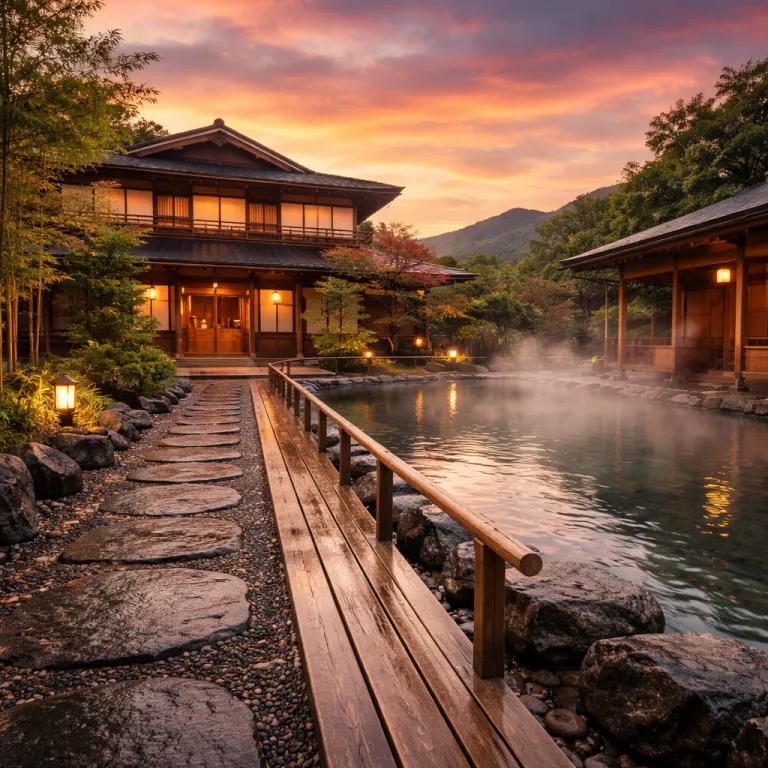
Atona hyatt ryokan 2026 as a new onsen benchmark
Atona is the modern hot spring ryokan brand that Hyatt and Kiraku are preparing to roll out across regional Japan, targeting travelers who want tatami, kaiseki and private baths without sacrificing global booking ease. The atona hyatt ryokan 2026 story sits at the intersection of a global hospitality company and a Japanese operator that already understands how small ryokans work as living cultural assets, which is why this joint venture matters for anyone weighing luxury onsen stays against independent properties. For couples planning a spring ryokan escape, the real question is whether the Atona ryokan concept will feel like a true extension of traditional omotenashi or like a polished resort product wearing a yukata.
The joint venture between Hyatt Hotels Corporation and Kiraku, Inc. is backed by a dedicated Atona Impact Fund, a real estate fund structure that Hyatt and Kiraku describe in their March 27, 2023 Hyatt Newsroom release “Hyatt Announces Strategic Joint Venture with Kiraku for ATONA Brand” and Kiraku’s March 27, 2023 corporate announcement as having secured 10 billion yen in initial capital and targeting 20 billion yen for long term development of luxury onsen ryokans. According to those joint materials, this impact fund will channel money into regional towns where natural hot springs and historic spring water sources risk underinvestment, and the fund will work alongside Takenaka Corporation on design and construction so that each spring ryokan property can integrate contemporary architecture with shoji, tatami and low sightlines to the garden.
In practice, the fund will support a small collection of resorts rather than a mass rollout, and that scale should help the company keep the focus on source to plate kaiseki, serious wellness programming and transparent hot spring water quality reporting. For guests, that could translate into fewer rooms, more attentive service and a clearer sense of how each property’s onsen, dining and architecture connect back to the surrounding community. Hyatt’s March 27, 2023 statement notes that the aim is to create “a limited number of intimate, design-forward hot spring ryokans” rather than a large network of standardized hotels, which sets expectations around room counts and overall footprint even before specific numbers are announced.
Against the existing landscape, the atona hyatt ryokan 2026 positioning places the new Hyatt onsen brand somewhere between Hoshino Resorts’ Kai collection and the more rarefied Hoshinoya flag, while also nodding to the Ryokan Collection’s emphasis on heritage. Hyatt brings distribution, World of Hyatt loyalty integration and media reach, while Kiraku brings on the ground ryokan business expertise and relationships with local artisans who can work with Takenaka Corporation on joinery, timber and stone. As one Oita ryokan owner put it in local press coverage, “If Atona keeps guest numbers low and really respects the hot spring source, it can help protect our town rather than dilute it.”
For travelers, the brand promise will only hold if each hotel keeps guest counts low, maintains genuinely hot spring fed rotenburo and treats wellness not as a spa menu but as a rhythm of bathing, dining and sleeping that feels unmistakably Japanese. A municipal tourism officer in Kyushu summarized the local hope more bluntly: “We do not need another big box resort. We need partners who understand that the spring itself is the main character.”
Yufu, Yakushima and Hakone: three test cases for the atona brand
The first atona hyatt ryokan 2026 openings are planned for Yufu in Kyushu, Yakushima off the southern coast and Hakone within easy reach of Tokyo, and each location signals a different ambition. Hyatt and Kiraku have indicated a 2026 launch window for these initial luxury ryokan properties in their March 27, 2023 joint press releases, and each destination has been selected to showcase a different facet of the Atona ryokan identity. While the companies have not yet confirmed exact opening months or room counts, the language in the Hyatt Newsroom release emphasizes “small-scale properties” that can respond to local context rather than a one-size-fits-all resort template.
Yufu is a classic onsen town where steam rises from drains and hot springs run under the streets, so an Atona property here will be judged on its ability to compete with long established ryokans that already offer deeply hot spring water and multi course kaiseki rooted in Oita produce. A typical seasonal menu in this part of Kyushu might move from sakizuke (a small appetizer of marinated mountain vegetables) to sashimi of local horse mackerel, followed by grilled Bungo beef, a simmered dish of bamboo shoots and tofu, and rice cooked with shiitake from nearby forests, finishing with a light citrus dessert. Hakone, by contrast, is a crowded luxury onsen arena where Hoshino Resorts, independent ryokans and international hotel brands already coexist, which makes it the natural proof ground for whether a global chain co brand can respect ryokan grammar while still feeling like a polished resort.
Yakushima is the outlier and perhaps the most intriguing test for the atona hyatt ryokan 2026 rollout, because this island is defined by moss covered forests, heavy rain and a slower pace that suits couples seeking nature led wellness rather than nightlife. Here the Atona ryokan will open as a spring ryokan style retreat where every room should orient toward cedar covered ridgelines, and where the spa and any additional spas must feel secondary to the open air hot spring baths that frame the landscape. In the March 27, 2023 Kiraku release, the partners highlight Yakushima as an example of how the brand intends to “collaborate with local communities to showcase regional nature and culture,” a phrase that hints at guided forest walks, locally sourced ingredients and low impact architecture.
A municipal tourism official quoted in regional media has already suggested that “a carefully scaled Hyatt onsen brand could extend stays on the island if it works closely with local guides and respects Yakushima’s environmental limits.” If the company leans into low impact construction, works with the Atona Impact Fund to support local guides and uses the impact fund to preserve trails and springs, Yakushima could become the flagship that proves the fund real estate strategy can genuinely revitalize regional Japan.
For travelers tracking design led ryokans, these three sites echo broader shifts already visible at properties like Hoshinoya Nara, where a former prison has been reimagined as one of the most interesting ryokan stories of the decade and is covered in depth in this analysis of a former jail turned high concept stay. The atona hyatt ryokan 2026 portfolio will need similar narrative clarity, with each hotel articulating why its particular hot springs, its specific spring water source and its chosen artisans matter beyond generic luxury.
Media coverage will inevitably compare Atona Impact Fund ambitions with other estate fund backed projects, so transparency around how the fund will support local farmers, fishers and craftspeople will be as important as the thread count on the futons. Clear reporting on water quality, construction methods and community partnerships will likely become part of how reviewers and repeat guests judge whether this new Hyatt onsen brand is living up to its stated impact goals.
How to decide between atona and independent ryokans
For a couple browsing a luxury and premium booking website for ryokans, the choice between the atona hyatt ryokan 2026 portfolio and an independent property at a similar rate comes down to priorities. If you value World of Hyatt points, consistent English language communication and clear policies around cancellations, then a hotel under the Atona ryokan brand will feel reassuring, especially when planning a multi stop itinerary across Japan that mixes city resorts with rural hot spring stays.
Hyatt has stated in its March 27, 2023 Hyatt Newsroom announcement that Atona properties are expected to be bookable through its usual channels once opening dates are finalized, which will appeal to travelers who prefer to manage a full trip through one account. If you care more about generational ownership, idiosyncratic architecture and the quiet eccentricities that only a family run spring ryokan can offer, then an independent member of a curated collection may still be the better fit.
When comparing options on any booking platform, look beyond the word spa and focus on how each property talks about its hot springs, because a true luxury onsen experience depends on the quality and flow of the spring water rather than the number of spas or treatment rooms. Atona branded properties are slated to open with a stated commitment to natural hot spring sources and to Japanese wellness rituals, so you should expect clear information about water temperature, mineral composition and whether baths are continuously fed rather than reheated.
Cross check this with photography of rotenburo, room level floor plans and kaiseki menus, then read a detailed guide to choosing an onsen focused stay in Kyoto to sharpen your eye for what separates a serious ryokan from a generic hot spring hotel. When browsing images, look for descriptive captions and alt text that reference open air rotenburo, tatami suites and views of Yufu, Yakushima or Hakone rather than generic spa imagery.
There is also a geographic question that matters for long term Japan travelers who return often and treat each trip as a chance to map new onsen towns. If you have already stayed in Kanazawa, Kinosaki or Nyuto and used curated city guides to find refined ryokan escapes, then the atona hyatt ryokan 2026 collection can slot into your next itinerary as the controlled variable while you experiment with more idiosyncratic properties elsewhere.
Over time, the way the Atona Impact Fund, the broader estate fund ecosystem and partners like Takenaka Corporation handle real estate, design and community engagement will determine whether this Hyatt onsen brand will be remembered as a label that elevated regional ryokans or as one more global flag that never quite mastered the subtleties of Japanese hospitality.
Key figures shaping the atona x Hyatt ryokan rollout
- The Atona Impact Fund has secured 10 billion yen in initial funding, with a stated target of 20 billion yen to support development of luxury hot spring ryokans in regional Japan, according to the March 27, 2023 Hyatt Newsroom release “Hyatt Announces Strategic Joint Venture with Kiraku for ATONA Brand” and Kiraku, Inc.’s March 27, 2023 corporate press statement on the ATONA joint venture.
- The first atona hyatt ryokan 2026 properties are scheduled to open in three locations: Yufu in Oita Prefecture, Yakushima in Kagoshima Prefecture and Hakone in Kanagawa Prefecture, with Hyatt describing these as the initial test markets for the brand in its March 27, 2023 announcement.
- The joint venture structure combines Hyatt Hotels Corporation’s global distribution network with Kiraku, Inc.’s experience in preserving and operating traditional Japanese properties, while Takenaka Corporation is referenced as a key design and construction partner in the same March 27, 2023 Hyatt and Kiraku materials.
Essential questions about the atona hyatt ryokan 2026 concept
What is ATONA?
What is ATONA? A modern luxury hot spring ryokan brand developed by Hyatt and Kiraku. For travelers, that means a small collection of design forward ryokans that aim to combine traditional Japanese hospitality with the booking ease and service standards of an international company. The focus sits firmly on natural hot springs, regional culture and a level of comfort that will feel familiar to guests who already stay at high end resorts worldwide, while still signaling a distinctly Japanese onsen experience.
When will ATONA properties open?
When will ATONA properties open? The first properties are slated to open in 2026. These initial openings in Yufu, Yakushima and Hakone will act as test cases for how successfully the atona hyatt ryokan 2026 portfolio can translate ryokan traditions for a global audience without diluting their character. Hyatt and Kiraku have not yet published exact opening months, but travelers planning future itineraries can expect booking channels to appear on major platforms and through World of Hyatt once opening dates are confirmed by the company.
Where will ATONA ryokans be located?
Where will ATONA ryokans be located? Initial locations include Yufu, Yakushima, and Hakone in Japan. Each destination has been chosen for its existing or potential strength as a hot spring and wellness hub, from the established onsen streets of Yufu to the nature heavy landscapes of Yakushima and the competitive luxury market of Hakone. Over time, the Atona Impact Fund may support expansion into other regional towns, but these three will define the early reputation of the atona hyatt ryokan 2026 portfolio and will shape how travelers talk about this new Hyatt onsen brand.
Sources: Hyatt Newsroom announcement “Hyatt Announces Strategic Joint Venture with Kiraku for ATONA Brand” dated March 27, 2023; Kiraku, Inc. corporate press release on the ATONA joint venture dated March 27, 2023; Japan National Tourism Organization data; and regional Japanese media reporting on local stakeholder reactions.