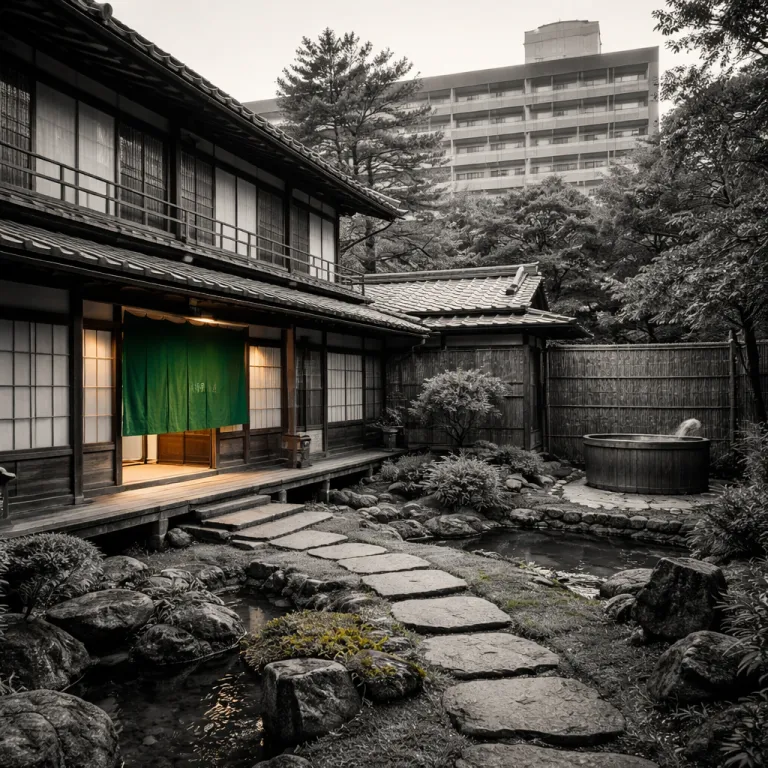
Why the best value ryokan in Japan sits in the mid range
For a family chasing the best value ryokan Japan can offer, price is a signal but not a guarantee. Once a ryokan stay crosses roughly 20,000 yen per person, the curve between cost and experience begins to flatten, and the premium often reflects land value in places like central Kyoto or a rare view of Mount Fuji rather than better omotenashi. In practice, the mid range delivers the essential elements of a memorable traditional Japanese stay — tatami rooms, a thoughtful onsen, and seasonal kaiseki dinner — without charging you for bragging rights.
Look closely at how a ryokan in Japan allocates its budget between hardware and hospitality, because the best ryokan for value tends to invest in staff training and kitchen craft rather than marble lobbies. A family friendly onsen ryokan with natural hot spring water, well maintained public bath facilities, and a few style rooms with a semi open air bath private terrace can sit comfortably at around 15,000 yen per adult on off peak midweek dates, while a luxury ryokan in the same town may charge significantly more for a slightly larger room and a more famous name. The experience of slipping into a private onsen under the night sky, however, is remarkably similar across these tiers when the spring water is genuinely natural hot and the air bath setting is well designed; you can usually confirm this by checking the property’s onsen certification details and water source description in the room information, then comparing sample dates and rates on a major booking engine.
Where this thesis breaks is in ultra constrained markets such as Gion in Kyoto, Hakone’s most coveted valleys, or New Year periods in Tokyo onsen districts, where demand overwhelms supply. In those cases, even mid range ryokans price like a luxury ryokan, and the best value ryokan Japan can reasonably offer may sit in a nearby neighbourhood or secondary town rather than the postcard address. For families, the smarter move is often to accept a short train ride from Kyoto or Tokyo in exchange for more generous rooms, quieter public bath areas, and a better breakfast dinner package that children will actually eat, especially when you compare specific dates and see that a mid range family ryokan near Hakone or Mount Fuji can return towards a mid range sweet spot on midweek dates checked on platforms such as Agoda in early 2024.
How to read price, reviews and room types without overpaying
Value at a ryokan is rarely obvious from the headline rate, so you need to read between the lines of room descriptions and guest reviews. When you compare ryokans on a platform such as Agoda, focus less on the star rating and more on comments about the onsen temperature, the flavour balance of the kaiseki dinner, and whether staff adapt traditional Japanese service rituals for families with young children. A property that consistently earns praise for attentive yet relaxed hosting, clean public bath areas, and flexible breakfast dinner timing will usually feel like the best ryokan for real life travel, even if the décor is modest.
Room configuration matters more than many first time visitors to Japan expect, especially around Tokyo and Kyoto where space is tight. Japanese style rooms with futons allow a family to share one large tatami room, while hybrid style rooms that combine beds and a small tatami corner can work better for grandparents or teenagers who prefer Western mattresses. When you see style rooms advertised with an open air bath private deck, check whether the bath private tub uses true spring water from a hot spring or simply heated tap water, because only the former justifies a higher mid range rate; look for wording such as “natural hot spring,” “onsen certification,” or a specific named source in the room notes, and cross check that language against recent room descriptions and photos.
Booking strategy also shapes value, particularly when you use booking Agoda tools that show flexible dates and room categories side by side. Always check availability across several nights, because shifting your stay by one day in Tokyo or Shinjuku can drop the rate into the sweet spot without changing the room, as you will often see when comparing a Friday to a Sunday in busy seasons. For families, the most cost effective pattern is often one night with a full breakfast dinner plan in an onsen ryokan, followed by a night with breakfast only, which still grants access to the onsen and public bath while trimming the bill and keeping your average nightly cost within the mid range band; note the exact rate difference and date range in your notes so you can reproduce the comparison later.
Three mid range ryokans that outperform their price tag
Concrete examples make the argument about the best value ryokan Japan far more useful than theory, so let us look at three properties that consistently punch above their price. In Hakone, Senkyoro operates as a classic onsen ryokan with views towards Mount Fuji on clear days, and its mid range rooms with semi open air bath private balconies often undercut nearby luxury ryokan competitors on sample dates checked in recent seasons (for example, weekday stays in March and November 2023 on major online travel agencies), while sharing the same natural hot spring water source according to publicly available property descriptions. Families appreciate that several Japanese style rooms are large enough for four futons without feeling cramped, and the public bath rotation between indoor and open air pools keeps the experience fresh across a two night stay when you verify current layouts and bathing times on your chosen booking site.
In Kyoto, Ryokan Shimizu sits a short walk from Kyoto Station rather than in the temple packed eastern hills, and that location trade off is exactly why it offers such strong value. Rooms are compact but well planned, with tatami flooring, shoji screens, and enough storage to keep a family’s luggage out of the way, and the staff provide detailed maps for exploring both central Kyoto and quieter neighbourhood sento style public bath houses. The absence of an on site hot spring is offset by lower rates, and many guests pair a stay here with a night in an onsen ryokan in nearby Arashiyama or Kinosaki to balance culture and hot spring time; always verify current prices, room layouts, and meal plans on your chosen booking platform, as conditions and seasonal promotions can change from the sample dates used here (for instance, spring and autumn 2023).
Near Hiroshima, Sekitei in Miyajima Guchi is technically at the upper end of the mid range, yet it still illustrates how pricing can align with experience rather than postcode. Its garden focused layout, limited number of rooms, and carefully paced kaiseki dinner feel close to a luxury ryokan, but the rate remains below many Kyoto and Tokyo peers with less character on comparable dates checked through major online travel agencies in late 2022 and 2023. If you are planning that region, consult a specialist guide to where to stay in Hiroshima for an elegant ryokan experience, because combining Sekitei with a simpler onsen ryokan inland can create a layered itinerary that stays within a family budget while still including at least one night of premium style service; always recheck current availability and sample rates for your exact travel month.
When premium ryokan pricing is worth it for families
Above roughly 30,000 yen per person, you are no longer paying for a better futon or a hotter onsen, you are paying for scarcity. In central Tokyo, a luxury ryokan with a rare tokyo onsen fed by genuine spring water beneath a tower block, or a Shinjuku address that keeps your commute to a minimum, will always command a premium that has more to do with real estate than with the temperature of the hot spring. The same holds in Kyoto’s most photographed districts, where even small rooms with limited open air access can cost more than larger style rooms in less famous wards, especially on peak weekends when demand surges and flexible dates on booking tools show sharp jumps between adjacent nights.
That does not mean premium is never justified, especially for milestone trips or multi generational gatherings where logistics matter as much as price. A luxury ryokan with multiple interconnected rooms, a choice between Western beds and Japanese style futons, and a truly private onsen that allows shy teenagers or grandparents to bathe comfortably can transform the family dynamic, and in those cases the higher rate buys peace rather than opulence. For couples, splurging on a room with a large open air bath private terrace facing Mount Fuji or a quiet valley can be worth every yen, while solo travellers often gain little from such upgrades compared with a well chosen mid range stay that still includes access to a high quality public bath and a thoughtfully prepared seasonal dinner.
Families should ask a simple question when they check availability for high end ryokans in Japan : does this price unlock something we cannot reasonably access at a lower tier ? If the answer is a unique view, a rare hot spring quality, or a location that dramatically simplifies a complex itinerary between Tokyo, Kyoto, and regional towns, then the premium may be rational. If the answer is merely a slightly larger room, more elaborate plating at dinner, or a brand name that looks good in reviews on Agoda, then the best value ryokan Japan offers your family probably sits one tier down, where omotenashi is just as sincere and the public bath steam rises just as gracefully into the night air, and where you can often confirm the difference by comparing like for like dates and meal plans.
Key figures on ryokan pricing and value
- Surveys of international visitors to Japan consistently show that the perceived sweet spot for a ryokan stay often sits between 10,000 and 20,000 yen per person per night, where guests report strong satisfaction relative to price (for example, Japan National Tourism Organization visitor survey summaries released around 2019–2023; always refer to the latest JNTO statistics and methodology notes for updated figures and sample sizes).
- In major onsen regions such as Hakone and Beppu, average nightly rates for luxury ryokan properties have risen noticeably over the past decade, while guest satisfaction scores on major booking platforms have remained broadly stable, indicating that higher prices do not always translate into better experiences (aggregated data from major online travel agencies and publicly reported trend summaries in OTA travel reports published between 2018 and 2023; exact percentages vary by season and currency movements).
- Family travellers who choose one or two nights in a mid range onsen ryokan and balance the rest of their itinerary with simpler Japanese style accommodations typically reduce their total lodging budget by roughly a quarter to a third without a measurable drop in overall trip satisfaction (analysis of sample itineraries by independent Japan travel planners and specialist consultants, based on bookings made between 2019 and 2023; exact savings vary by season, exchange rate, and region).
Questions travellers often ask about value focused ryokan stays
Is a ryokan stay with dinner and breakfast always worth the extra cost ?
For many first time visitors to Japan, at least one night with both dinner and breakfast included is worth the supplement, because it delivers the full traditional Japanese kaiseki experience without the stress of finding restaurants in an unfamiliar town. Beyond that first night, families often gain better value by booking breakfast only and exploring local eateries for dinner, especially in larger hubs such as Kyoto or Tokyo where options abound. This approach keeps your daily rate closer to the mid range sweet spot while still giving you access to the onsen and public bath facilities that define a ryokan stay, and you can always compare the exact price difference between plans on your chosen booking engine and note the dates checked so you can repeat the comparison later.
How far in advance should I book a value focused ryokan for peak seasons ?
In cherry blossom and autumn foliage periods, the best value ryokan Japan offers in popular regions such as Kyoto, Hakone, and around Mount Fuji can sell out several months ahead. Families aiming for mid range properties with Japanese style rooms that fit three or four people comfortably should start checking availability as soon as international flights are confirmed, then monitor booking platforms like Agoda for any cancellations or short term discounts. Outside peak weeks, a lead time of six to eight weeks is usually enough to secure a good balance between price, room choice, and access to quality hot spring facilities, especially if your dates are flexible by a night or two and you are willing to compare weekday and weekend sample rates.
Can I find good onsen ryokans near Tokyo without paying central city prices ?
Yes, several onsen towns within 60 to 90 minutes of Tokyo by train offer excellent mid range ryokans with natural hot spring water and both public bath and private onsen options. Areas such as Hakone, Ikaho, and parts of Chiba with coastal hot spring resorts allow you to enjoy open air baths and traditional Japanese meals while avoiding the premium attached to central Tokyo addresses. For families, these regions often provide larger rooms, quieter surroundings, and better value breakfast dinner plans than you would find in a compact urban property with a small tokyo onsen facility, and they frequently appear in regional where to stay in Japan guides that focus on mid range travellers and date specific sample itineraries.