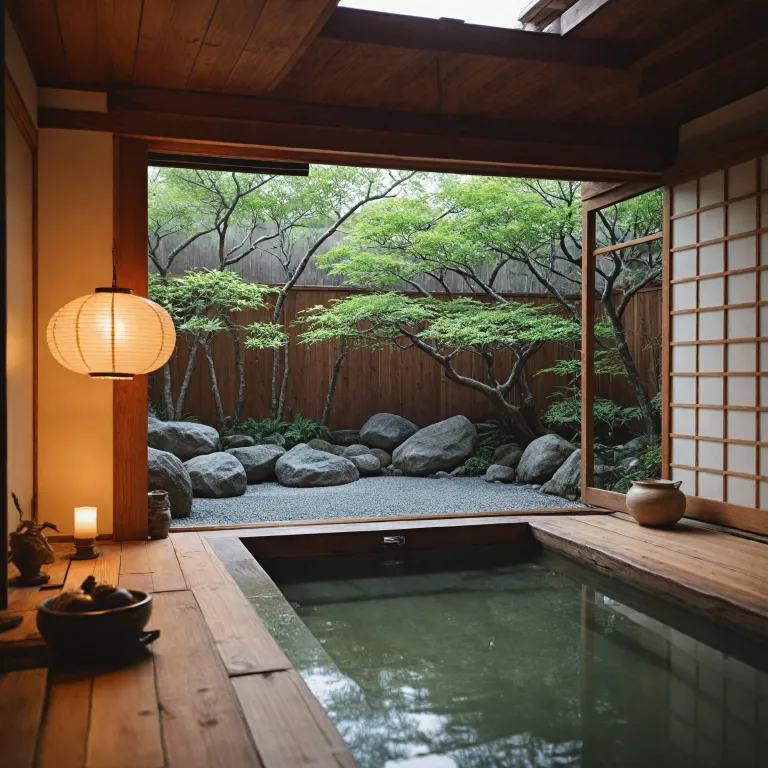
Kyoto ryokan private onsen stays for discerning guests
Choosing a Kyoto ryokan private onsen stay begins with understanding what truly defines traditional Japanese hospitality. In Kyoto, each ryokan and its private onsens are shaped by centuries of etiquette, understated service, and a deep respect for quiet personal space. When you book a ryokan room with private open air baths, you are not just reserving accommodation, you are entering a curated cultural experience where every tatami mat, sliding shoji door, and seasonal breakfast tray is intentional.
Many Kyoto ryokans balance traditional Japanese architecture with modern comforts such as air conditioning, Wi Fi, and refined bedding. A well designed ryokan Kyoto property will offer rooms open to a garden or inner courtyard, allowing fresh air to circulate while you soak in your private onsen or relax on tatami flooring. In these ryokans Kyoto guests can move between their private open air baths and the public spaces, choosing between quiet seclusion and the gentle social rhythm of shared lounges or corridors.
For travelers comparing Kyoto ryokan private onsen options, it helps to look closely at each rating, room layout, and bathing style. Some ryokans feature deep stone hot spring tubs, while others highlight cypress wood air baths that open directly to a landscaped terrace. Before you book, check whether the private onsen uses true hot spring water, how many rooms include private onsens, and whether public baths are also available for a different style of immersion.
Signature Kyoto ryokans with private open air baths
Several standout Kyoto ryokans offer private open air baths that frame the city’s rivers, forests, and temple districts. Along the Oi River in Arashiyama, Ryotei Rangetsu presents rooms with private open air onsen that use mineral rich deep sea water, creating a distinctive texture to each soak. Nearby, Hanaikada combines intimate private onsen baths with refined kaiseki dinners, allowing guests to move from steaming water to multi course seasonal cuisine without leaving the ryokan.
In the mountains of Kameoka, Yunohana Resort Suisen and Sumiya Kiho an both emphasize hot spring authenticity, with many rooms featuring private open air baths sourced from the Yunohana onsen area. These ryokans Kyoto properties appeal to travelers who want a quieter retreat outside central Kyoto, yet still value polished service and traditional Japanese style interiors. When you book a room here, you can enjoy open air baths that face forested hillsides, while public baths remain available for guests who appreciate a more communal rhythm.
Within downtown Kyoto, Sora Niwa Terrace Kyoto Bettei offers a modern interpretation of the Kyoto ryokan private onsen concept, with stylish rooms open to city views and several suites featuring private onsens on their terraces. This ryokan Kyoto option suits travelers who want easy access to restaurants and transport, yet still appreciate tatami accents and carefully prepared breakfast sets. For readers interested in broader coastal perspectives on Japanese hospitality, a detailed guide to a premium ryokan with ocean view can be explored through this elegant ocean view ryokan overview.
How to evaluate rooms, baths, and ratings
When assessing Kyoto ryokan private onsen options, start by examining how many rooms actually include private onsens and how they are configured. Some ryokans Kyoto wide offer only a handful of suites with private open air baths, while others, such as certain onsen focused properties, integrate private onsens into a larger share of their room inventory. Look for clear floor plans that show whether the private open air bath is on a balcony, in a small garden, or within an enclosed space with windows that open for fresh air.
Next, study each rating with a critical but fair eye, paying attention to comments about cleanliness, water temperature stability, and air conditioning performance in both room and bathing areas. Guests often mention whether rooms open directly to scenic views or whether public baths feel crowded at peak times, which can influence your sense of privacy. Before you book, check whether the ryokan distinguishes between hot spring fed baths and standard heated water, especially if you are specifically seeking a true hot spring experience.
Luxury travelers comparing ryokan Kyoto properties should also consider breakfast formats, from elaborate kaiseki style trays to more international options. A well run Kyoto ryokan private onsen establishment will coordinate meal times with bathing schedules, ensuring that private onsens and public baths are comfortably available before or after dining. For a broader perspective on elevated Japanese stays, you can consult this in depth guide to five star ryokan stays in Japan, which outlines service benchmarks relevant to Kyoto ryokans as well.
Traditional Japanese style, tatami rooms, and Kyoto machiya charm
The essence of a Kyoto ryokan private onsen stay lies in the interplay between traditional Japanese design and discreet modern comfort. Many ryokans Kyoto properties feature tatami rooms where futons are laid out after dinner, creating a fluid transition between living and sleeping spaces. In some ryokan Kyoto addresses, these tatami rooms open onto compact gardens or verandas, where private open air baths or air baths are positioned to catch soft morning light.
Kyoto machiya townhouses converted into ryokans often preserve wooden facades, narrow alleys, and intimate courtyards, while integrating air conditioning and contemporary bathrooms. In such Kyoto ryokans, private onsens may be set in stone lined patios or on upper floor terraces, allowing guests to enjoy open air soaking while remaining shielded from public view. Rooms open to these spaces tend to be limited in number, so it is wise to book early and check specific room names or categories that include private onsen access.
Within this landscape, nazuna Kyoto and other design forward properties reinterpret traditional Japanese aesthetics with carefully curated lighting, textiles, and breakfast presentations. A Kyoto ryokan private onsen suite in a machiya style building might combine sliding screens, low furniture, and a compact hot spring tub framed by bamboo fencing. Travelers who value both authenticity and comfort should pay attention to how each ryokan balances tatami, wood, and stone with practical features such as air conditioning, sound insulation, and easy access to public baths when desired.
Notable addresses: nazuna, toshiharu ryokan, and sakura retreats
Among Kyoto ryokans, nazuna Kyoto stands out for weaving traditional Japanese motifs into a contemporary luxury framework. Here, selected rooms offer private onsens or semi open air baths, while shared spaces echo the intimacy of a Kyoto machiya with low lighting and textured walls. Guests considering nazuna Kyoto should check which room categories include private open air tubs, as not every room will feature the same bathing style or view.
Toshiharu ryokan, another respected ryokan Kyoto property, occupies a historic townhouse that showcases tatami rooms, wooden beams, and a serene inner garden. While not every room includes a private onsen, the atmosphere and attentive service often appeal to travelers who value heritage and quiet over large scale facilities. When you book here, you can expect traditional Japanese breakfasts, carefully maintained public areas, and staff who can advise on nearby public baths or hot spring excursions beyond central Kyoto.
For those drawn to more intimate retreats, ryokan sakura and sakura urushitei offer refined alternatives within the broader Kyoto ryokans landscape. These ryokans Kyoto options may feature rooms open to compact courtyards, with some categories including private onsens or deep soaking tubs that evoke hot spring style relaxation. Travelers comparing nazuna, toshiharu ryokan, and sakura properties should review each rating carefully, check room descriptions for private open air or air baths, and consider how close they wish to be to districts such as shimogyo ward or kyoto nijo for sightseeing.
Planning your stay: locations from shimogyo ward to lake Biwa
Location plays a decisive role when selecting a Kyoto ryokan private onsen, especially for travelers balancing sightseeing with slow paced relaxation. In central areas such as shimogyo ward or near kyoto nijo, ryokans Kyoto properties offer quick access to major temples, shopping streets, and transport hubs. Here, rooms with private onsens may be more limited, so it is important to book early, check exact room names, and confirm whether private open air baths or enclosed air baths are included.
Beyond the city center, some ryokan Kyoto choices extend toward the foothills and nearby waters, including the broader lake Biwa region. While not every property around lake Biwa is a traditional ryokan, several accommodations echo ryokan style service and may feature hot spring baths with expansive water views. Travelers who value quiet evenings after exploring Kyoto can consider splitting their stay between a central Kyoto ryokan private onsen and a lakeside retreat, enjoying both urban and waterside perspectives.
Wherever you stay, remember that “A ryokan is a traditional Japanese inn featuring tatami-matted rooms, communal baths, and other public areas where visitors may wear yukata.” Policies on tattoos, use of public baths, and access to private onsens vary, so always check house rules before you book. For a broader overview of exclusive Japanese stays that combine luxury, tradition, and private onsen experiences, you can consult this detailed article on exclusive ryokan offers in Japan, which provides additional context for planning a Kyoto focused itinerary.
Maximizing comfort: air, privacy, and onsen etiquette
To fully enjoy a Kyoto ryokan private onsen stay, it helps to understand how air, temperature, and etiquette intersect in both private and public spaces. Private onsens and private open air baths are usually designed to allow steam to dissipate quickly, with windows or screens that open to gardens or courtyards. When rooms open directly to these areas, effective air conditioning inside the room becomes essential, ensuring that guests can move comfortably between hot spring warmth and cool indoor air.
Many Kyoto ryokans provide guidance on how to use both private onsens and public baths, including washing before entering the water and keeping towels out of the tub. Guests should check whether photography is allowed in private open air spaces, as some ryokan Kyoto properties restrict cameras to preserve privacy for neighboring rooms. In shared public baths, quiet conversation and respect for personal space are expected, while private onsens allow couples or families to relax together without concern for other guests.
Travelers sensitive to air quality or temperature should look for Kyoto ryokans that mention well ventilated air baths, adjustable water controls, and reliable air conditioning in room descriptions. When you book, consider asking whether private onsens are available at specific times or continuously, and whether breakfast can be served in room to extend the sense of seclusion. By aligning your expectations with each ryokan’s layout, rating, and bathing facilities, you can create a Kyoto ryokan private onsen experience that feels both authentically traditional Japanese and tailored to your personal comfort.
Key statistics on Kyoto ryokans with private onsen
- Number of ryokans in Kyoto offering private onsen : 7 establishments currently identified in major travel references.
- Several Kyoto ryokans now feature rooms with private open air baths in addition to public baths, reflecting rising demand for privacy.
- Modern Kyoto ryokans increasingly combine traditional Japanese tatami rooms with air conditioning and in room hot spring style baths.
Essential questions about Kyoto ryokan private onsen stays
What is a ryokan?
A ryokan is a traditional Japanese inn featuring tatami-matted rooms, communal baths, and other public areas where visitors may wear yukata. In Kyoto, many ryokans add private onsens or semi open air baths to this classic framework, allowing guests to enjoy hot spring style bathing in complete privacy. These properties often combine seasonal breakfast menus, attentive staff, and carefully maintained gardens to create a holistic cultural stay.
Are private onsen common in Kyoto ryokans?
While not all ryokans offer private onsen, several in Kyoto provide this amenity for guests seeking privacy. The number of Kyoto ryokans with rooms featuring private open air baths has grown in response to international demand and evolving expectations around personal space. Travelers should check room descriptions carefully, as only specific categories within each ryokan Kyoto property may include private onsens.
Do ryokans with private onsen accommodate guests with tattoos?
Policies vary; some ryokans may allow guests with tattoos in private onsen but not in public baths. In Kyoto, many ryokan owners are gradually adapting to international visitors, yet house rules still differ significantly between properties. It is advisable to check with the ryokan beforehand, especially if you plan to use both private onsens and shared public baths during your stay.