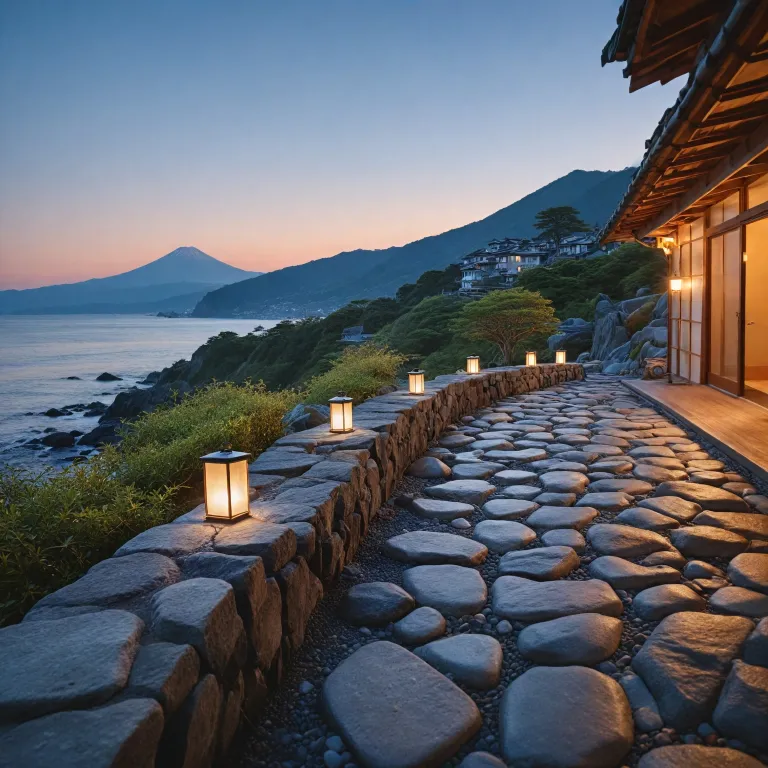
Atami onsen as a coastal retreat for refined ryokan stays
Atami onsen combines a dramatic Pacific coastline with mineral rich hot springs that have attracted travellers to this corner of Japan for centuries. The onsen town of Atami sits on the eastern edge of the Izu Peninsula, where steep hills, sea views, and steam rising from hot springs create an atmosphere that feels both intimate and expansive. For guests choosing a luxury ryokan or premium hotel, this setting offers a rare balance between easy access from Tokyo and a sense of genuine retreat.
The city of Atami is only about 35 minutes from the capital by Tokaido Shinkansen, yet the air feels softer, the pace slower, and the focus firmly on wellness. Atami onsen is renowned for its abundance of hot springs, with more than 500 individual sources and a total discharge of around 20 000 litres of spring water per minute. This concentration of hot springs allows ryokans atami wide to offer a variety of baths, from indoor hinoki tubs to open air baths that frame the sea or forested slopes.
Many travellers arrive at Atami station and are surprised by how quickly the urban landscape gives way to a traditional Japanese onsen area. Within minutes, you can be soaking in spring baths that were once favoured by shoguns, or strolling past a local temple on your way back to your rooms. The combination of coastal air, hot spring steam, and hillside views makes Atami onsen particularly appealing for guests seeking both relaxation and a sense of place.
Understanding onsen etiquette and room types for premium stays
Choosing the right ryokan in Atami onsen begins with understanding how Japanese bathing culture shapes every detail of the stay. In this onsen town, shared hot springs are central to the experience, and etiquette in the baths is as important as the quality of the spring water itself. Guests should shower thoroughly before entering any hot spring, keep towels out of the water, and move calmly between indoor and open air baths to respect the quiet atmosphere.
Luxury ryokans atami wide often offer a mix of large communal baths, semi open air baths, and private onsen facilities attached to suites. These private onsen options are ideal for travellers who feel shy about shared air baths, or for couples who want to enjoy hot springs with uninterrupted sea views. When browsing a premium booking website, pay close attention to how rooms open onto terraces, whether the open air bath is truly outdoors, and how the onsen area is oriented toward the coastline or gardens.
Room descriptions in English may mention both Western beds and traditional Japanese futons, and understanding this distinction helps you choose the right level of comfort. Some rooms feature tatami floors with low tables and sliding shoji screens, while others blend Western style beds with a private onsen atami bath on the balcony. In every case, the best luxury properties in this part of Japan use natural materials, soft lighting, and carefully framed views to connect the rooms with the surrounding hot springs landscape.
Navigating luxury booking platforms when no ryokan category exists
One of the most persistent challenges for travellers booking Atami onsen stays is that many international platforms lack a dedicated ryokan category. This absence can make it difficult to distinguish between a conventional hotel and a traditional Japanese inn that offers authentic spring baths and kaiseki cuisine. When a booking website lists everything simply as a hotel, refined ryokans atami wide risk being hidden among generic properties that do not prioritise the onsen experience.
To navigate this, start by filtering for properties in the onsen area and then reading descriptions carefully for terms like private onsen, open air baths, and spring water drawn directly from hot springs. Look for mentions of tatami rooms, kaiseki dinners, and proximity to landmarks such as Atami castle or a local temple, which often indicate a more traditional Japanese stay. Pay attention to whether rooms open onto terraces with air baths, or whether the property emphasises spa facilities without referencing genuine hot spring sources.
Because many listings are translated into English, nuances can be lost, so cross checking with specialist ryokan platforms can be invaluable. For example, a curated site focusing on refined ryokan stays near gardens, castles, and coasts in Japan can help you understand what to expect from similar properties in Atami. Comparing photos of baths, views, and rooms across several platforms allows you to identify which hotels and ryokans truly integrate hot springs into their design, and which simply offer standard spa amenities.
Signature experiences: open air baths, coastal views, and cultural landmarks
The essence of a luxury stay in Atami onsen lies in how water, air, and landscape come together around you. Many ryokans atami wide position their open air baths to capture sweeping views of Sagami Bay, allowing guests to soak in hot spring water while watching fishing boats or distant fireworks. These open air baths often use natural stone or hinoki wood, and the contrast between the hot springs and the cool sea air creates a deeply restorative sensation.
Beyond the baths themselves, the wider onsen area offers a rich blend of culture and scenery that enhances any premium stay. A visit to Atami castle provides panoramic views over the coastline and the onsen town, while nearby temples and shrines offer quiet corners for reflection between spring baths. Many travellers combine their time in Atami with wider travel across the Izu Peninsula, using the city as a base for exploring rugged coasts, local fishing ports, and other hot springs scattered through the region.
Within the city, properties such as Fufu Atami exemplify how contemporary design can frame traditional Japanese hospitality and hot spring culture. Suites may feature private onsen on terraces where rooms open directly to the sea breeze, creating a seamless transition between interior comfort and the surrounding air baths. Whether you choose a classic ryokan or a modern luxury hotel, prioritising properties that emphasise views, spring water quality, and proximity to cultural sites will elevate your Atami onsen experience.
Wellness, gastronomy, and seasonal rhythms in atami onsen
Wellness at Atami onsen extends far beyond the physical benefits of soaking in hot springs. The mineral rich spring water, averaging around 63 degrees Celsius at the source, is carefully moderated in baths to create a comfortable yet invigorating hot spring experience. Alternating between indoor pools and open air baths allows your body to respond to changes in temperature and air, which many guests find deeply relaxing after long travel days.
Gastronomy is another pillar of a refined stay in this part of Japan, with many ryokans atami wide serving multi course kaiseki dinners that highlight local seafood and seasonal produce. Dining rooms often feature large windows with views over the onsen town or the bay, while some suites offer in room service so that your meals and spring baths remain entirely private. Breakfasts typically blend Japanese dishes with some Western options, and English menus are increasingly available to help international guests understand each course.
Seasonal rhythms shape the atmosphere in Atami, from cherry blossoms in spring to fireworks over the bay in summer, and quiet, crisp air baths on winter evenings. The onsen area remains active year round, but each season offers a different interplay between hot springs, air, and landscape. Planning your stay around these rhythms, and choosing rooms open to the elements through balconies or gardens, ensures that every moment at Atami onsen feels attuned to the wider environment.
Practical planning: access, language, and choosing the right ryokan
Reaching Atami onsen is straightforward, which makes it an ideal first onsen town for travellers new to Japan. High speed trains from Tokyo arrive at Atami station in well under an hour, and from there short taxi rides or local buses connect you to the main onsen area. Many luxury ryokans atami wide offer pick up services from Atami station, so checking this detail on a booking website can simplify your arrival.
Language support has improved significantly, with more properties providing English speaking staff, translated room guides, and multilingual signage in baths and public areas. When browsing options online, look for mentions of English concierge services, detailed onsen guides, and clear explanations of house rules for spring baths. This is particularly important if you plan to use shared hot springs rather than a private onsen, as understanding etiquette ensures a more comfortable experience for you and other guests.
When comparing hotels and ryokans, consider how each property integrates its baths, rooms, and views into a coherent sense of place. Some focus on dramatic open air baths with direct views of Atami castle or the bay, while others emphasise secluded air baths in garden courtyards. Whether you choose a renowned address like Fufu Atami or a smaller traditional Japanese inn, prioritise authentic hot springs, thoughtful design, and proximity to cultural sites across the Izu Peninsula and wider Japan local regions.
Key statistics for atami onsen luxury stays
- Number of hot springs in Atami onsen: 500 hot springs.
- Total hot spring discharge in the Atami onsen area: 20 000 litres per minute.
- Average hot spring temperature in Atami onsen: 63 degrees Celsius.
Essential questions about planning an atami onsen trip
What is the best time to visit Atami Onsen?
Atami Onsen can be visited year-round, but spring offers cherry blossoms, and summer features fireworks festivals. These seasonal highlights pair beautifully with hot springs, as mild evenings make open air baths particularly pleasant. Autumn foliage and quieter winter months also provide atmospheric backdrops for private onsen and coastal walks.
Are there any notable attractions near Atami Onsen?
Yes, attractions include Atami Castle, MOA Museum of Art, and the scenic Jogasaki Coast. Many guests combine time in the onsen town with day trips along the Izu Peninsula, where additional hot springs and coastal trails await. This mix of culture, landscape, and wellness makes Atami a versatile base for wider travel in Japan.
Is Atami Onsen suitable for families?
Yes, Atami Onsen offers family-friendly accommodations and activities, making it suitable for visitors of all ages. Many ryokans atami wide provide larger rooms open to connecting spaces, as well as private onsen options that allow parents and children to bathe together comfortably. Gentle spring baths, accessible walks, and attractions like Atami castle help create a balanced itinerary for multi generational trips.
References: Japan National Tourism Organization (JNTO); Shizuoka Prefectural Tourism Association; Atami City Tourism Association.