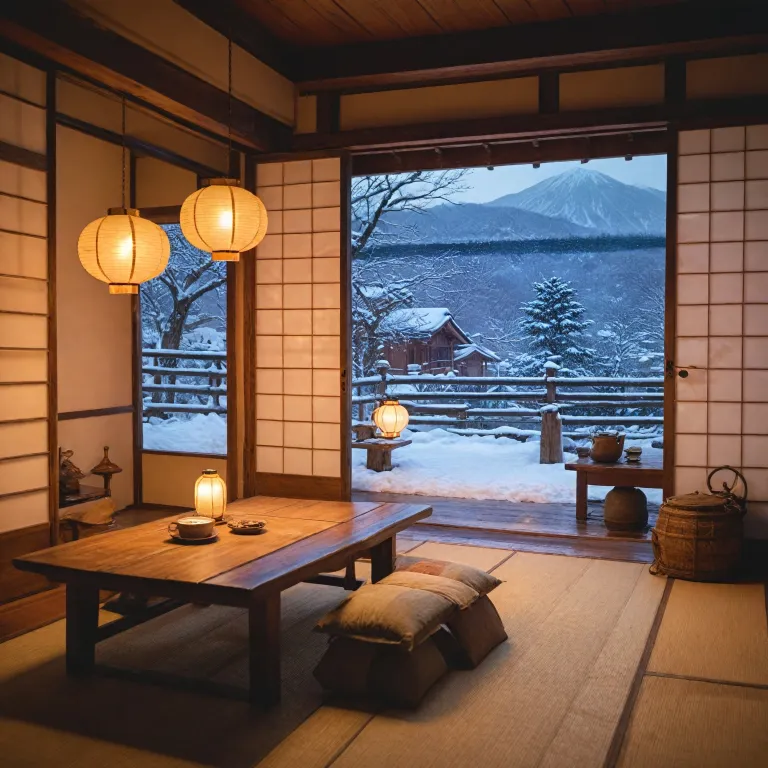
Why a nozawa onsen ryokan is ideal for refined travelers
A stay in a nozawa onsen ryokan suits travelers who value quiet refinement. In this compact mountain town of Nozawa Onsen, natural hot springs meet understated luxury, creating an atmosphere that feels both intimate and deeply rooted in traditional Japanese culture. The combination of onsen, ski access, and thoughtful service makes each ryokan stay feel tailored, even when the property is fully booked.
Here, the word ryokan still means tatami room, sliding shoji doors, and the gentle scent of straw rather than generic hotel corridors. Many accommodations balance traditional Japanese style with discreet comforts such as efficient air conditioning, underfloor heating, and well designed bathrooms, so you can move from hot spring to futon in complete ease. This blend of traditional style and modern practicality is especially evident in established names like Ryokan Sakaya and Kiriya Ryokan, where staff understand international expectations without diluting local character.
For guests comparing options on a luxury booking website, the key is to read beyond the word hotel and focus on how each property describes its onsen ryokan experience. Look for mentions of natural hot springs, open air baths, and seasonal kaiseki dinners, because these details signal a deeper commitment to traditional Japanese hospitality. When you book Nozawa accommodation at this level, you are not just reserving rooms ; you are securing a place in a living hot spring town that has welcomed travelers for centuries.
Understanding the layout of nozawa onsen and its ryokan styles
Before choosing a nozawa onsen ryokan, it helps to understand the town’s compact geography. Nozawa Onsen is a walkable hot spring town, with narrow streets, steaming drains, and small shrines tucked between wooden houses that frame the ski resort slopes above. A good booking website should provide a clear map of the town, showing how close each onsen ryokan sits to the ski lifts, public baths, and dining streets.
Many travelers focus only on how near their accommodation is to the main ski area, yet proximity to the thirteen public hot springs can be just as important. Some ryokan nozawa properties, such as Kiriya Ryokan, emphasize easy access to these communal baths, while others highlight their own in house onsen and open air pools. If you value quiet, consider a ryokan in a slightly elevated part of town, where the air feels cooler and the streets fall silent once evening baths are over.
Within this compact map of Nozawa Onsen, you will also find a spectrum of styles, from intimate family run inns to larger properties sometimes described as a grand hotel. Names like Nozawa Grand and Ryokan Sakaya illustrate how a traditional Japanese inn can scale up without losing its core identity. When browsing accommodation Nozawa listings, pay attention to whether rooms are fully Japanese style, mixed Japanese Western, or more contemporary, because this will shape everything from how you sleep to how you move between the baths and your private space.
Room categories, japanese style details, and what luxury really means
On a premium booking platform, the variety of room categories in each nozawa onsen ryokan can feel overwhelming at first glance. You will see compact tatami rooms, spacious suites with private open air baths, and hybrid layouts that combine Western beds with a traditional Japanese sitting area. The most refined ryokan nozawa properties explain clearly how each room type differs in size, view, and access to onsen facilities, which is essential when you are comparing yen per person rates.
In a classic Japanese style room, you can expect tatami flooring, low tables, and futon bedding that staff lay out each evening after you return from the hot springs. Some rooms at Kawaichiya Ryokan and Ryokan Sakaya add private air baths or small hot spring tubs on the balcony, allowing you to soak in natural hot water while breathing the crisp mountain air. These private baths are especially appealing in winter, when the ski resort slopes glow under floodlights and steam rises from the town’s public baths below.
Luxury in this context is less about opulent décor and more about thoughtful details that make the traditional style feel effortless. Look for rooms with good sound insulation, adjustable air conditioning, and well designed storage so futons can be folded away neatly during the day. When a booking website presents clear photos of multiple rooms and explains how the hot baths, meals, and service differ between categories, it becomes far easier to book Nozawa stays that match your expectations for comfort and authenticity.
Onsen etiquette, baths, and the appeal of natural hot springs
The heart of any nozawa onsen ryokan stay is time spent in the baths. Nozawa Onsen is renowned for its natural hot springs, and many properties pipe this mineral rich water directly into their indoor pools and open air tubs. Guests can also explore the town’s network of public baths, each with its own character, temperature, and local following.
Understanding onsen etiquette will elevate your experience and help you feel at ease among regular visitors. Always wash thoroughly before entering the baths, keep towels out of the water, and move quietly so others can relax in the hot springs without distraction. Policies vary by establishment ; some may allow tattoos, while others may not. It's advisable to check with individual ryokan or bathhouses. This simple guidance, often highlighted on quality booking sites, ensures that first time guests respect local customs from the moment they step into the bathing area.
Within the ryokan itself, you may find separate men’s and women’s baths, alternating schedules, or private family baths that can be reserved in advance. Some properties, including Ryokan Sakaya, feature multiple onsen options, from indoor pools to sheltered open air baths that frame the surrounding mountains. When browsing accommodation Nozawa listings, pay attention to whether the water is described as natural hot spring, how many baths are available, and whether any air baths or special onsen ski packages are offered, as these details can significantly enhance the rhythm of your stay.
Comparing ryokan sakaya, nozawa grand, and other notable stays
For travelers using a luxury booking website, names like Ryokan Sakaya and Nozawa Grand often appear at the top of search results. Ryokan Sakaya is described as an up market yet traditional ryokan in Nozawa Onsen, featuring in house onsens and proximity to ski slopes. This positioning reflects a balance between classic Japanese style hospitality and the convenience many international guests expect from a well run hotel.
Nozawa Grand, sometimes presented as a grand hotel within the town, typically offers a larger inventory of rooms and a broader range of facilities. While still rooted in traditional Japanese aesthetics, it may appeal to guests who prefer more expansive public areas, multiple dining options, and straightforward access to the ski resort base. By contrast, smaller properties such as Kiriya Ryokan and Kawaichiya Ryokan emphasize intimate service, traditional style rooms, and close ties to the local community, including farmers and producers who supply seasonal ingredients.
When you check availability and book Nozawa stays online, use filters and descriptions to compare how each onsen ryokan integrates natural hot springs, cuisine, and location. A refined guide to the best ryokan experiences in Takayama for discerning travelers can also provide useful benchmarks for what to expect from high end Japanese inns in other regions. As you review each accommodation Nozawa listing, consider whether you prefer the scale of a grand hotel, the character of a long established ryokan, or a property that blends both, always ensuring that the onsen, rooms, and service align with your priorities.
Practical booking tips for a luxury nozawa onsen ryokan stay
Securing the right nozawa onsen ryokan begins with timing and clarity about your priorities. Book accommodations in advance, especially during peak seasons, because the most desirable rooms with private open air baths and strong ski resort access sell out quickly. When comparing options, focus on how each property describes its hot spring facilities, meal plans, and room layouts, rather than relying solely on star ratings or generic hotel labels.
On a premium booking website, use the map view to check walking distances between your chosen onsen ryokan, the ski lifts, and the central streets of Nozawa Onsen. This is particularly important if you plan to move frequently between the slopes, the public hot springs, and your accommodation, or if you are traveling with children or older relatives. Pay attention to whether the listing specifies natural hot spring water, indoor and outdoor baths, and any special onsen ski packages that combine lift passes with stays in traditional Japanese rooms.
Finally, examine the pricing structure carefully, as many ryokan nozawa stays are quoted in yen per person rather than per room. This reflects the inclusion of elaborate dinners and breakfasts, access to hot baths, and attentive service that extends well beyond a standard room rate. By reading reviews with an eye for details about air quality, room comfort, and the atmosphere of the baths, you can book Nozawa accommodation that aligns with your expectations for a serene, authentically Japanese style retreat in this storied hot spring town.
Key statistics for planning a nozawa onsen ryokan stay
- Number of public bathhouses in Nozawa Onsen : 13 bathhouses.
- Coordinates of Nozawa Onsen village : 36.9222° N, 138.4472° E.
Essential questions about staying in a nozawa onsen ryokan
What is a ryokan in the context of Nozawa Onsen ?
A ryokan is a traditional Japanese inn that typically features tatami matted rooms, communal baths, and local cuisine. In Nozawa Onsen, many ryokan also channel natural hot spring water into their baths and offer easy access to the town’s public onsen network. This combination of architecture, bathing culture, and regional food defines the experience more than any formal hotel classification.
Are tattoos allowed in Nozawa Onsen’s public baths and ryokan onsens ?
Policies vary by establishment ; some may allow tattoos, while others may not. It's advisable to check with individual ryokan or bathhouses. Luxury booking websites increasingly highlight these policies in their descriptions, so guests can choose accommodation that aligns with their needs and avoid uncomfortable surprises at check in.
When is the best time to visit Nozawa Onsen for onsen and ski experiences ?
Nozawa Onsen is a year round destination, but winter is popular for skiing and enjoying hot springs amidst snow covered landscapes. During this period, the contrast between the cold mountain air and the hot baths feels especially rewarding, particularly in open air pools. Outside the snow season, the town’s quieter streets, lush hillsides, and milder temperatures create a more contemplative atmosphere for guests who wish to focus on onsen culture and traditional Japanese hospitality.