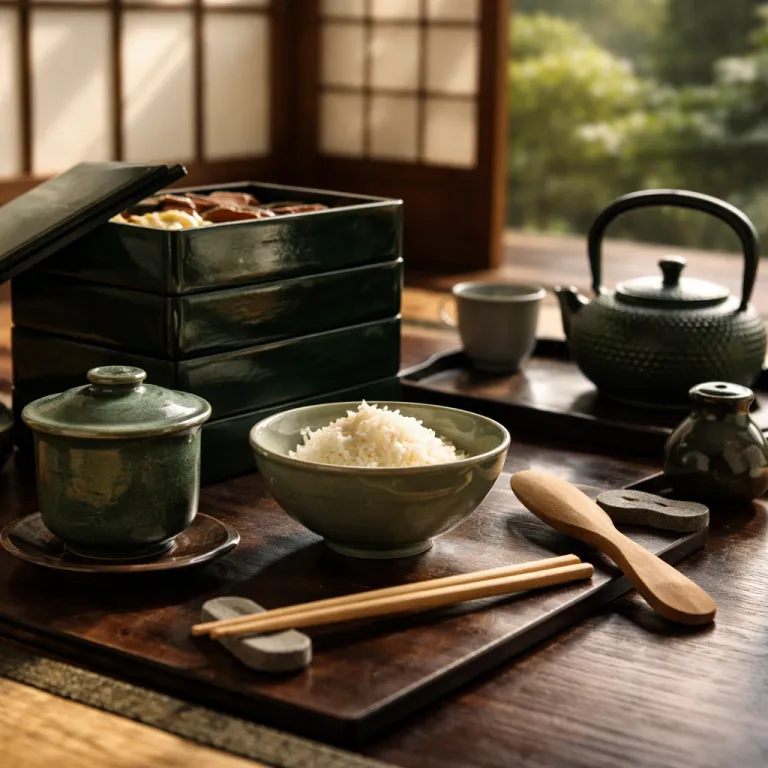
How to Read a Ryokan Breakfast Kaiseki Like a Quiet Manifesto
A serious ryokan breakfast kaiseki is not an afterthought. It is a multi course morning meal where each of the small dishes quietly states what the ryokan in Japan really values, from sourcing to technique and timing. When you are staying in ryokans that take food seriously, the breakfast meal often tells you more than the theatrical kaiseki dinner ever will.
Reading the ryokan breakfast kaiseki like a quiet manifesto
Think of a ryokan breakfast kaiseki as the inn’s mission statement served on lacquer. It is a multi course morning meal where each small dish reveals what the property truly values, from ingredient provenance to cooking technique and service rhythm. When you are staying in ryokans that take food seriously, the first meal of the day often tells you more than the dramatic kaiseki dinner ever can.
At a traditional Japanese ryokan, breakfast is usually served between 7:00 and 9:00, and the sequence mirrors a compact kaiseki ryori progression with rice, miso soup, grilled fish, tamagoyaki, tsukemono and a constellation of side dishes. A typical tray might include Koshihikari rice steamed in a donabe, miso soup built on kombu and katsuobushi dashi, a fillet of salt grilled ayu or salmon, rolled omelette, nori, simmered vegetables and regional pickles. This is the moment when seasonal ingredients, regional tsukemono and the quality of the dashi in the miso quietly reveal whether the ryokan meals are anchored in craft or convenience. When you evaluate a ryokan stay, pay as much attention to how breakfast is served as to the onsen brochure or the view ryokan photography.
The best ryokan Japan properties treat breakfast as a daily ceremony, not a buffet obligation. A good team of ryokan staff will move through the dining room with unhurried precision, adjusting room dining times so grilled fish and steamed rice arrive at the exact right temperature. In guest reviews of long established inns, you often see specific praise for rice that is “shiny and fragrant” or miso soup that “tastes like home cooking,” which is more telling than generic comments about luxury. When you compare ryokan dinner and breakfast side by side, you start to see how the same kitchen handles pressure, repetition and subtlety over more than one meal.
The sequence, the rice, the miso : how to judge the craft
Think of the breakfast kaiseki sequence as a tasting menu written in a softer register. You sit down in your room or in the dining room and the first dishes are usually served almost at once, a tray of small plates that echo the hassun logic of kaiseki dinner but on a tighter canvas. In a strong ryokan hokkaido property or a mountain onsen inn, those first bites of tofu, seaweed salad and tiny seasonal dishes will tell you exactly how the rest of your time there will feel.
Rice and miso are the most diagnostic elements of any traditional Japanese breakfast meal. Many top ryokans specify the rice variety on their printed menus, noting Niigata Koshihikari or Uonuma rice polished in house, and serve it in small batches so each pot tastes freshly cooked. In Niigata, for example, some inns note the exact cooperative that supplies their Koshihikari, treating it almost like a named wine. Perfectly steamed rice, with each grain distinct, signals that the ryokan serve philosophy respects basics, while miso made from real seasonal ingredients and a clean dashi shows more care than any elaborate multi course platter. When a ryokan dinner feels impressive but the breakfast soup tastes like instant powder, you know where the budget and attention have gone.
Watch how hot items are timed and served during your ryokan stay. Grilled fish that arrives lukewarm suggests a reheated grill and a kitchen leaning on batch cooking, while eggs cooked to order show that even a person night rate under pressure has not pushed them into shortcuts. Some properties quietly use individual shichirin charcoal grills or small ceramic burners at the table so the fish finishes cooking in front of you, a concrete sign that they are prioritising texture and aroma over convenience. When you are choosing between a ryokan with private onsen and a city view ryokan, ask specifically about how breakfast meals are handled, not just about the onsen water source.
For travelers prioritising exclusive bathing, this guide to an exceptional ryokan with private onsen in Tokyo is a sponsored internal resource that shows how top properties align their room dining, breakfast service and bathing rituals into one coherent experience. In such ryokans, the private onsen soak before breakfast, the quiet walk to the dining room and the first sip of miso form a single, carefully paced arc. That is the level of integration you should expect when booking at the premium end of the ryokan Japan market.
Where breakfast cuts corners, and how to spot it before you book
Luxury marketing language rarely talks about where properties cheat at breakfast. Yet the gap between a carefully composed ryokan breakfast kaiseki and a reheated spread is exactly where you feel whether the person night rate is justified. When you are staying ryokan side by side on one trip, the contrast in morning meals can be startling.
There are three weak points to watch. First, reheated grilled fish that has been cooked in bulk and held too long, which you will notice when the skin loses its snap and the aroma feels dull rather than clean. Second, commercial tsukemono that taste flat and identical across different ryokans, a sign that the kitchen has outsourced what should be a signature expression of local seasonal ingredients and regional character.
Third, instant miso soup is the quiet saboteur of many ryokan meals. It is easy to hide behind a dramatic kaiseki dinner with elaborate plating, but at breakfast the miso and rice stand almost alone, so shortcuts are obvious. One Kyoto chef once summed it up as “If the morning miso is thin, the promises on the website probably are too.” When a ryokan serve policy leans heavily on Western style options like pastries and scrambled eggs while neglecting the traditional Japanese core, you should question whether the food philosophy matches the onsen narrative.
Before you confirm a ryokan stay, read guest photos of breakfast rather than only the staged images of the ryokan dinner. Look for signs of real room dining care, such as individual burners for grilled fish or small clay pots that keep tofu hot at the table. When a property like the refined Izuyasu ryokan in Kyoto highlights its breakfast as much as its kaiseki dinner in its own materials, that balance usually reflects a deeper respect for the full arc of meals ryokan guests experience.
In room serenity or dining room theatre : choosing your breakfast stage
Where you eat your ryokan breakfast kaiseki matters almost as much as what is on the tray. In room dining creates a cocooned rhythm, especially after a late night soak in a private onsen, while the shared dining room offers a different kind of quiet theatre. Both formats can be luxurious when handled with intention, and both tell you something about the ryokan’s priorities.
In a view ryokan perched above an onsen town, breakfast served in your room lets you watch the steam rise from the baths while you move slowly through each meal course. This is where a good ryokan in Japan will synchronise the arrival of dishes with your pace, adjusting tea refills and grilled items so the multi course flow never feels rushed. Couples often find that this private rhythm turns an ordinary dinner breakfast pairing into a more intimate ritual that frames the entire ryokan stay.
The dining room, by contrast, emphasises choreography and community. You see how the ryokan staff manage timing for many people at once, how quietly they move, how consistently hot food is served across tables. When a ryokan hokkaido property uses the dining room to showcase regional dairy, river fish and fermented dishes, breakfast becomes a compact survey of local food culture rather than just another meal.
For travelers who care as much about atmosphere as about onsen quality, this guide to authentic Japanese luxury in Atami is an internal reference that illustrates how private rooms, public baths and shared dining spaces can be tuned to different types of couples. When you compare ryokans, ask whether breakfast is always in the dining room, always in the room, or flexible by person night and plan. The answer will shape not only your meals but also how you move through time and space during your stay.
Three breakfasts worth booking a ryokan for, and how to plan around them
Some properties in Japan are worth booking for their breakfast alone. At Tawaraya in Kyoto, the morning meal is a study in restraint, with a traditional Japanese tray of rice, grilled fish, miso and seasonal side dishes that feel almost impossibly precise. Longtime guests often mention the way the rice is cooked in small copper pots and the miso soup changes subtly with the seasons. The kaiseki ryori dinner is excellent, but the breakfast kaiseki is where the sourcing and timing show most clearly.
In Hokkaido, ryokan hokkaido stalwarts such as Zaborin use breakfast to highlight regional dairy and mountain vegetables, folding them into a multi course progression that still respects the core of rice, miso and grilled fish. Here, the line between Western style and Japanese elements is handled with unusual finesse, so a couple can move from yogurt and fruit to simmered dishes without any sense of compromise. The private onsen villas and the quiet room dining format make the first meal of the day feel like a private tasting rather than a routine service.
On the Izu Peninsula, Asaba in Shuzenji turns breakfast into a lakeside performance. You sit in a dining room that opens onto a Noh stage and pond, while a sequence of seasonal ingredients arrives with almost ceremonial pacing. The ryokan dinner may be the headline, but the breakfast meal, served with that view, is what many repeat guests quietly remember.
When planning, remember that “What is a typical ryokan breakfast?” has a precise answer : “A traditional Japanese meal with multiple small dishes, including rice, miso soup, grilled fish, and pickles.” “Are ryokan breakfasts included in the room rate?” is equally practical : “Often included, but policies vary; confirm with the specific ryokan.” “Can dietary restrictions be accommodated at ryokan breakfasts?” matters for many travelers : “Yes, inform the ryokan in advance to arrange suitable meals.”
For couples with dietary needs, the key is to contact the ryokan staff well before your arrival and explain clearly what you can and cannot eat. High level kitchens that can execute a refined kaiseki dinner can usually adapt breakfast dishes too, but they need time to plan alternative meals and source appropriate seasonal ingredients. When a ryokan serve policy shows flexibility at breakfast, from adjusted miso bases to carefully handled fish free trays, it is usually a sign of a genuinely guest centred operation rather than a scripted performance.
Balancing tradition, Western style touches and your own rhythm
For many international guests, the question is not whether a ryokan breakfast kaiseki is beautiful, but whether it feels approachable every morning of a longer trip. Some ryokans in Japan now offer a parallel Western style breakfast, with eggs, bread and coffee, alongside the traditional Japanese tray. The way they balance these options tells you a great deal about their understanding of global travelers without diluting the core of ryokan meals.
At the premium end of the ryokan Japan market, the most thoughtful properties keep the traditional multi course structure intact while allowing subtle customisation. You might choose grilled salmon instead of mackerel, or request a lighter miso, yet the meal still arrives as a coherent sequence of dishes rather than a hotel style buffet. This approach respects both the heritage of kaiseki ryori and the reality that not every person night guest wants the same intensity of flavour at 7:30 in the morning.
When you are staying ryokan for several nights, consider alternating full traditional breakfasts with lighter versions. Some ryokans will quietly adjust portion sizes or swap one or two dishes while keeping the overall dining rhythm, especially if you communicate your preferences early. Over time, you will start to read the breakfast tray as a daily report on the kitchen’s mood, the market’s seasonal ingredients and the property’s deeper values.
FAQ
What should I expect from a traditional ryokan breakfast kaiseki ?
You can expect a traditional Japanese multi course meal built around rice, miso soup, grilled fish, tamagoyaki, tsukemono, nori and several small side dishes. The food is usually served on a lacquered tray either in your room or in the dining room during fixed morning hours. Many ryokans also weave in seasonal ingredients that reflect their specific region.
Is breakfast usually included in the ryokan room rate ?
Breakfast is often included in the person night rate, especially when you book a dinner breakfast plan. Some luxury ryokans offer separate options for room only, breakfast only or half board with ryokan dinner and breakfast combined. Always confirm what meals are included before finalising your ryokan stay.
How do I handle dietary restrictions at a traditional Japanese ryokan ?
Inform the ryokan staff of your dietary restrictions well before arrival, ideally at the time of booking. High level kitchens that can prepare kaiseki dinner usually manage alternative breakfast meals if they have enough time to source suitable ingredients. Be as specific as possible about what you can eat so they can adjust individual dishes without breaking the overall meal structure.
Should I choose in room breakfast or the main dining room ?
In room dining offers more privacy and a slower pace, which many couples appreciate after using the onsen or private onsen early in the morning. The main dining room lets you see the full choreography of service and often provides better views or a stronger sense of place. Both formats can be good, so choose based on whether you value intimacy or atmosphere more.
How can I tell if a ryokan takes breakfast as seriously as dinner ?
Look for signs such as perfectly cooked rice, miso with depth of flavour and hot dishes served at the right temperature. Guest reviews and photos that praise breakfast specifically are often more reliable than generic comments about food. When a property highlights its morning meals alongside its kaiseki dinner, it usually signals a deeper commitment to overall dining quality.
In the end, a ryokan breakfast kaiseki is both a meal and a manifesto. If you learn to read the rice, the miso, the timing and the setting, you will understand not only how well you are being fed, but also how seriously the ryokan takes the quiet hours that frame your stay.