Unique Places to Stay in Japan: Why Ryokans Stand Out
Why ryokans are the most unique places to stay in Japan
Among all the unique places to stay in Japan, a refined ryokan stay offers the deepest connection to traditional Japanese hospitality. In a single property you move from tatami-floored rooms to fragrant wooden corridors, then to a steaming onsen that feels far removed from any modern city. For travelers comparing hotels in Japan, this style of inn turns a simple place to sleep into a cultural experience.
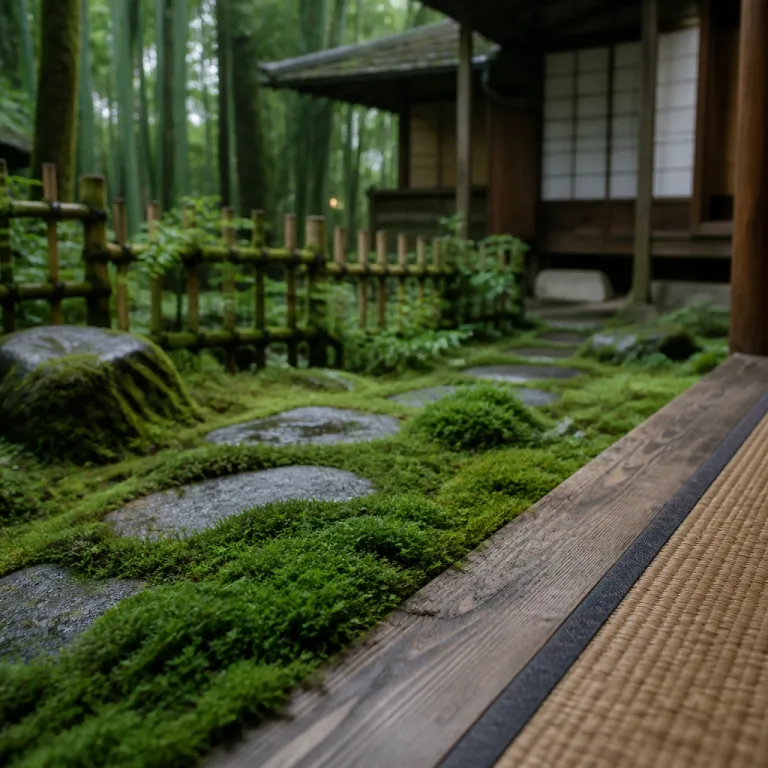
A classic luxury ryokan is usually located in a quiet onsen town or a historic district in Kyoto, rather than in the busiest part of Tokyo. Your room becomes a serene retreat, with sliding shoji screens, futon bedding laid out each evening, and a carefully framed view of a garden or river that feels almost like a private Mount Fuji landscape. This traditional Japanese setting contrasts sharply with standard hotels, where rooms often feel interchangeable from one city to another.
When you travel across Japan and stay in these inns, the rhythm of the day is shaped by the hot spring baths and the kaiseki dinner rather than by a hotel check-in time or a breakfast buffet schedule. You soak in mineral-rich hot springs before changing into a light yukata, then return to your room to find a multi-course meal that showcases regional ingredients. For many guests this is the best way to experience both Japanese-style design and heartfelt service in one carefully curated place.
Hidden gem ryokans in Tokyo and Kyoto that feel far from the city
Tokyo is often associated with neon lights, capsule hotels, and high-rise business towers, yet it also hides some of the most unique places to stay in Japan. In quieter neighborhoods such as Yanaka or Asakusa you can book a ryokan located down a narrow lane, where a lantern marks the entrance and the only sound you hear is water trickling into a stone basin. These properties offer a softer side of the city, turning a short stay into a calm Japanese-style retreat.
Kyoto excels at this balance between urban convenience and traditional Japanese atmosphere, especially along the Kamogawa River, in Gion, and in the Higashiyama district. Here, ryokans and small boutique hotels often frame a view of tiled rooftops, temple pagodas, or seasonal cherry blossoms that you will want to post on Instagram without filters. During spring, petals drift past open-air onsen baths, while in autumn the same rooms look out over fiery maples that make every view post feel cinematic.
For travelers curious about how heritage brands evolve, the story of onsen ryokan expansion is illuminating; you can read a thoughtful analysis in this article on global ambitions in the onsen ryokan world. Whether you choose a discreet Kyoto inn such as Tawaraya Ryokan or Hiiragiya, or a central Tokyo hotel with a few Japanese-style rooms, always check availability early because the best hidden gems often have only a handful of rooms. These intimate places stay fully booked in peak cherry blossom season and during major city festivals, when both domestic and international guests compete for the same limited room inventory.
Balancing luxury, price, and authenticity on premium ryokan platforms
Luxury-focused booking platforms dedicated to ryokans help you filter the most unique places to stay in Japan without losing hours in translation. Instead of scrolling through generic hotels, you can refine your search by private onsen access, room size, or whether the property is located near a hot spring river or a quiet temple. This level of detail matters when a single stay can define your entire impression of Japan.
Industry surveys and tourism statistics suggest there are tens of thousands of traditional inns and small guesthouses across the country, which means careful curation is essential if you want the best match for your travel style. A premium site will highlight whether rooms have open-air hot springs, whether dinner is served in-room or in a dining hall, and how far the place is from major stations in cities like Kyoto or Tokyo. It should also make hotel check-in steps transparent, from dietary requests to whether tattoos are accepted in shared baths, so there are no surprises when you arrive.
For travelers comparing price points, mid-range properties can sometimes outperform ultra-expensive hotels across Japan; this is explored in depth in an article about why a 15,000 yen ryokan can surpass a 40,000 yen option, available here as a guide to the mid-range sweet spot for ryokan stays. When you check availability on a specialized platform, look beyond glossy photos and read how each property handles service, meal pacing, and onsen etiquette. These qualitative details often matter more than whether the room has the latest technology or a particularly hot trend in interior design.
From capsule hotels to treehouses : contrasting stays across Japan
Not every traveler wants the same level of immersion, which is why the spectrum of unique places to stay in Japan is so wide. At one end you have capsule hotels in dense city centers, offering compact pods that appeal to solo travelers who value efficiency over space. At the other end you find treehouse lodgings located in forests such as Yakushima, where the only sound at night is wind moving through cedar branches.
Capsule hotel stays in Tokyo or Osaka are usually the most affordable option, with an average cost around 3,000 yen per night according to figures commonly cited by the Japan National Tourism Organization (JNTO). These capsule hotels across Japan are designed for one person per pod, so they are not ideal for families but work well for a quick city stopover. As the official guidance notes, "Are capsule hotels suitable for families? Generally designed for solo travelers; may not be ideal for families."
Between these extremes sit ryokans, temple lodgings, and concept properties like Book and Bed, each offering a different way to experience Japan with a strong sense of place. Temple stays on Mount Koya, for example, allow guests to sleep in simple Japanese-style rooms, join morning prayers, and soak in shared baths that feel almost like a monastic onsen. When you compare these experiences with standard business hotels on the Tokyo side or a playful themed hotel such as Hotel Gracery in Shinjuku, you see how varied the accommodation options can be while still feeling distinctly Japanese.
Design details that turn a ryokan stay into a story worth sharing
What separates the most unique places to stay in Japan from ordinary hotels is often the smallest design decision. A carefully placed tokonoma alcove in your room, a single ikebana arrangement, or a window framing a partial Mount Fuji view can transform a simple stay into a memory. These touches invite you to slow down, notice textures, and appreciate how traditional Japanese aesthetics shape every corner.
Many luxury ryokans feature indoor and outdoor hot spring baths, where the contrast between cool air and hot water heightens your senses. In winter you might soak while snow falls on black rocks, while in spring the same onsen is framed by cherry blossoms that drift onto the surface like pale confetti. Guests often feel compelled to post Instagram stories or a carefully composed view post, not for vanity but to capture the quiet drama of the scene.
Even playful elements can coexist with elegance, such as a themed Hello Kitty room in a family-friendly hotel located near a major station, while the rest of the property maintains a calm Japanese style. When you check availability on a premium platform, look closely at room descriptions to see whether you prefer minimalist tatami rooms or more eclectic spaces that mix Western beds with traditional details. The best places stay true to their concept, whether that is a serene ryokan, a design-forward hotel in Tokyo, or a capsule hotel that turns compact living into an art form.
How to choose and book the right ryokan for your trip
Selecting among the many unique places to stay in Japan starts with clarifying what you want from the experience. If your priority is a private open-air onsen with a mountain view, focus on ryokans located in hot spring regions such as Hakone, Beppu, Kinosaki Onsen, or Yufuin rather than in the center of a large city. Travelers more interested in food and culture might prioritize Kyoto or Kanazawa, where traditional Japanese kaiseki cuisine and historic districts are within walking distance of their rooms.
When you use a luxury booking website, always check availability across several dates because the best ryokans often have fewer than twenty rooms. Pay attention to whether the rate includes dinner and breakfast, whether the hot springs are gender-separated or mixed, and how late you can arrive for hotel check-in procedures. Solo travelers should also read policies carefully; this detailed guide on booking a ryokan room for one explains how some properties adjust meals and room assignments for individual guests.
Before you finalize any reservation, review etiquette notes so you feel comfortable moving between your room, the onsen, and shared spaces. Respecting customs such as removing shoes, washing thoroughly before entering hot springs, and wearing the provided yukata correctly will deepen your connection to Japan. With thoughtful planning, your itinerary can include a mix of ryokans, capsule hotels, and perhaps a themed hotel like Hotel Gracery, giving you a layered understanding of how Japanese hospitality adapts to every type of traveler.
Key figures about unique stays and ryokans in Japan
- Japan hosts a very large number of traditional inns and small guesthouses, often estimated in the tens of thousands by industry groups, which means travelers seeking unique places to stay in Japan have an exceptionally wide range of traditional Japanese-style accommodations to choose from.
- The average cost per night in a capsule hotel is frequently quoted at around 3,000 yen based on data summarized by the Japan National Tourism Organization (JNTO), making capsule hotels one of the most budget-friendly ways to stay in a major city like Tokyo while still enjoying a distinct Japanese-style experience.
- Mount Koya in Wakayama Prefecture offers dozens of temple lodgings, as reported by the Japan National Tourism Organization, giving travelers a rare opportunity to stay in active Buddhist temples with shared baths that feel similar to simple onsen facilities.
- Capsule hotels have been operating since the late nineteen seventies, while ryokans and temple lodgings have existed for centuries, illustrating how Japan combines long-standing hospitality traditions with modern, space-efficient hotels across the country.
- Trends tracked by national tourism bodies show a rise in eco-friendly accommodations and cultural experience-focused stays, which reinforces the appeal of ryokans, treehouse lodgings, and other characterful properties that highlight local nature, hot springs, and regional cuisine.
FAQ about ryokans and unique places to stay in Japan
What is a ryokan and how is it different from a hotel ?
A ryokan is a traditional Japanese inn featuring tatami rooms, futon bedding, and often communal onsen baths fed by natural hot springs. Unlike a standard hotel, a ryokan stay usually includes elaborate kaiseki dinners and Japanese breakfasts served either in your room or in a small dining hall. The focus is on seasonal cuisine, quiet surroundings, and rituals that reflect regional culture rather than on uniform amenities across multiple hotels.
Are capsule hotels suitable for families traveling in Japan ?
Capsule hotels are generally designed for solo travelers, with individual sleeping pods arranged in shared corridors and separate areas for men and women. Because each capsule hotel pod fits only one person and common spaces are compact, families often find it difficult to stay together comfortably. For parents with children, a ryokan with a family room or a standard hotel located near major stations in Tokyo or Kyoto is usually a better choice.
Can anyone stay in a temple lodging on Mount Koya ?
Temple lodgings on Mount Koya welcome all respectful travelers, regardless of religious background, who wish to experience monastic life for a short stay. Guests sleep in simple Japanese-style rooms, eat vegetarian shojin ryori meals, and can join early morning prayers or meditation sessions with resident monks. These stays offer a quieter alternative to city hotels and are considered some of the most unique places to stay in Japan for spiritually inclined visitors.
How far in advance should I book a luxury ryokan with onsen ?
For popular hot spring regions and high-end ryokans, booking three to six months ahead is advisable, especially during cherry blossom season, autumn foliage, and major holidays. Properties with only a few rooms and private open-air hot springs often sell out first, so early check-availability searches on specialized platforms are essential. Last-minute rooms sometimes appear, but travelers seeking specific views or meal plans should not rely on late bookings.
Is it possible to stay in both ryokans and modern hotels during one trip ?
Combining ryokans, capsule hotels, and contemporary hotels on the Tokyo side in a single itinerary is an excellent way to understand the diversity of Japanese hospitality. Many travelers choose modern hotels in large cities for convenience, then add one or two nights in a ryokan located in a hot spring town or historic area. This mix allows you to enjoy efficient transport access, playful themed stays such as a Hello Kitty room or Hotel Gracery cinema view, and a deeply traditional Japanese onsen experience in the same journey.