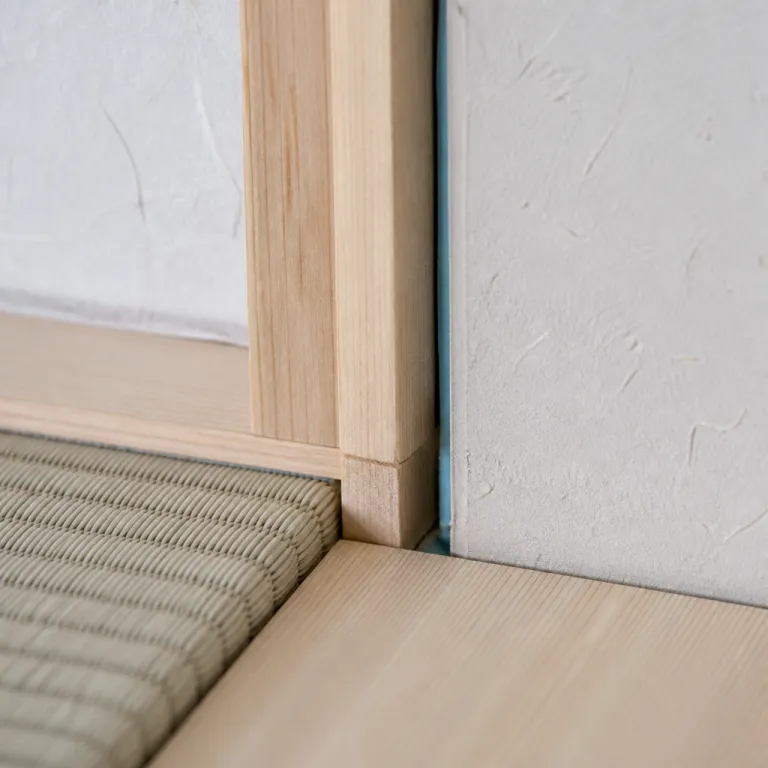
The akiya pipeline and the new life of the kominka ryokan
Across rural Japan, the quiet crisis of empty akiya houses is reshaping how travelers sleep, bathe, and linger over breakfast. The Ministry of Internal Affairs and Communications estimated in its 2018 Housing and Land Survey that Japan had around 8.49 million vacant homes, roughly 13.6% of the total housing stock, and a growing share of these are traditional folk houses. A growing wave of kominka ryokan conversion in Japan through adaptive reuse is turning abandoned wooden dwellings into intimate guest houses where cedar beams, irori hearths, and tatami floors frame your stay. For couples used to polished city suites, these reimagined Japanese houses offer a different kind of luxury, one measured in silence, starlight, and the creak of an existing building that has finally found a new purpose.
Adaptive reuse in this context means taking a traditional Japanese house or kominka / machiya townhouse and upgrading it just enough for modern comfort while preserving its cultural significance and historical architectural character. In practice, that might involve reinforcing the original wooden construction, adding energy efficient underfloor heating, and inserting discreet bathrooms so the traditional Japanese layout and unique architectural details remain intact. The best operators treat each Japan kominka project as a long conversation between past and present, asking what to keep, what to reuse, and what to let go so the building can host guests for another century.
For travelers, the appeal is immediate yet layered, especially when you care about cultural heritage and local economies rather than only about room size. You are not just booking a bed; you are stepping into an architectural heritage story where every shoji screen, clay wall, and garden view has survived multiple eras of change. When you choose a restored kominka ryokan that follows thoughtful adaptive reuse principles, your stay directly supports preserving existing structures that might otherwise have been demolished or left to decay.
From machiya alleys to dispersed villages: where adaptive reuse is heading
In Kyoto and Kanazawa, the kominka machiya and other Japanese houses tucked into narrow streets are becoming a new kind of urban ryokan, with tatami rooms and hinoki baths hidden behind modest facades. These projects show how kominka ryokan conversion in Japan through adaptive reuse can work even in dense neighborhoods, provided the existing building meets legal safety standards and the renovation respects the historical architectural rhythm of the street. If you are weighing a tower hotel against an urban ryokan typology address, the latter often delivers a richer sense of place with only a few guest houses spread across a block.
Outside the cities, the albergo diffuso model has taken root in places like NIPPONIA Sasayama Castle Town Hotel in Hyogo Prefecture, where multiple akiya houses Japan wide in one village are restored as a decentralized inn. Here, adaptive reuse turns scattered kominka and machiya into a network of rooms, restaurants, and lounges, so your walk between dinner and your Japanese house becomes part of the experience. This dispersed construction approach keeps the traditional building fabric intact, supports local economies by using village craftspeople, and gives couples a rare chance to feel embedded in daily life rather than isolated in a single complex.
For a deeper sense of how these spaces work at room level, it helps to understand the vocabulary of a ryokan room, from shoji to tokonoma and engawa, before you book. Reading a guide to the tatami floor layout and the way a garden view is framed will make every adaptive reuse stay more legible and more rewarding. When you next scroll through a property gallery, you will be able to read each view post almost like a floor plan, seeing how the existing building has been preserved or altered and how the kominka ryokan conversion in Japan has been interpreted.
What gets preserved, what changes: inside the adaptive reuse toolkit
Step into a well executed kominka ryokan conversion in Japan and you will notice what has been left untouched before you notice what is new. The skeletal architectural structure, from the main pillars to the roof trusses, usually remains, preserving the cultural heritage value and the unique architectural proportions that define Japan kominka houses. Floors may be subtly raised, walls insulated, and windows double glazed, but the traditional Japanese sense of scale and shadow is carefully maintained.
Behind the scenes, adaptive reuse specialists work with local governments, structural engineers, and artisans to bring an existing building up to current codes without erasing its soul. Fire safety, seismic reinforcement, and accessibility requirements all impose legal constraints, especially on two storey wooden guest houses that must now pass a full permit process when renovated. As Kyoto-based architect Go Hasegawa has noted in interviews about traditional house renovations, every visible brace or pipe risks disrupting the calm of a room, so “technical solutions have to disappear into the historical architectural fabric, or guests will feel the regulation before they feel the room.” This is where the tension lies; every intervention must be threaded through the building without compromising the cultural significance that makes the property worth saving.
Inside the rooms, you will often find a quiet choreography between old and new that feels almost invisible when done well. A sunken irori hearth might be retained as a sculptural element while underfloor heating and energy efficient glazing keep winter nights comfortable for couples unused to drafty Japanese houses. Bathrooms, lighting, and climate control are inserted with surgical precision so that the kominka ryokan conversion in Japan remains a place where preserving existing materials and textures matters as much as adding modern amenities.
Regulation, demolition, and the ethics of where you book
Every adaptive reuse project in Japan sits inside a dense web of regulation that shapes what you eventually experience as a guest. The Minpaku Law, fully implemented in 2018, limits many short term rentals to a set number of operating days per year unless they obtain a full hotel license, which pushes serious operators toward properly licensed ryokan style guest houses rather than casual home shares. For travelers, this means that a kominka ryokan conversion in Japan with a clear legal status usually signals stronger safety standards, better staffing, and more stable operations.
At the same time, new building permit rules for two storey wooden structures mean that even modest renovations of existing buildings can trigger a full approval process. Some owners decide that demolition is easier than adaptive reuse, especially in onsen towns where the Japan Tourism Agency has discussed subsidies to clear abandoned properties and improve safety. When you choose a stay that has invested in preserving a traditional Japanese house instead of replacing it with a new construction, you are quietly voting for architectural heritage over short term convenience.
Ethical booking on a luxury platform starts with reading beyond the instagram post and the polished marketing copy. Look for clear explanations of how the project handled the existing building, whether local artisans were involved, and how the operation supports local economies through employment and sourcing. When a property shares this level of detail in a post shared on its own site rather than only in a post instagram campaign, it usually reflects a deeper commitment to cultural heritage and adaptive reuse.
How to read listings and choose your next adaptive reuse stay
When you browse a premium booking website for ryokans, treat each listing as a small architectural case study rather than just another room with a nice view. Start by checking whether the property clearly identifies itself as a kominka, a machiya, or another form of traditional Japanese house, and whether the description explains how the kominka ryokan conversion in Japan was handled. Phrases like “renovated existing building” or “preserving historical architectural details” are encouraging, but you should still look for specifics.
Photo galleries and captions can be surprisingly revealing if you read them with care instead of skimming like a casual Japan read on your commute. A thoughtful operator will show both wide shots of the houses and close ups of joinery, earthen walls, and tatami edges, not only the onsen and the dinner tray. When you tap through an instagram carousel and then view post details on the booking site, compare what is highlighted in each space; if the social media focus is all on food and not on the building, the adaptive reuse story may be thin.
Finally, pay attention to how the property situates itself within its town or village, because the best guest houses act as quiet engines for local economies rather than isolated retreats. Look for mentions of collaborations with nearby farms, craftspeople, and guides, and for evidence that the cultural significance of the Japan kominka or kominka machiya is being interpreted for guests rather than simply used as a backdrop. When a stay feels both energy efficient and emotionally generous, sharing its architectural heritage in clear language instead of only through a single glossy view post, you have likely found a place where the inn has died but the building truly lives.
FAQ
What is adaptive reuse in Japan for ryokan style stays ?
Adaptive reuse in Japan means transforming old buildings, such as kominka folk houses and machiya townhouses, into modern facilities while keeping their core structure and character. In the ryokan context, this involves reinforcing the original construction, adding discreet bathrooms and heating, and meeting current safety regulations without erasing traditional Japanese design. As summarized in Japan Tourism Agency guidance on historic buildings, it is about “transforming old buildings into modern facilities” while retaining their identity.
Why are traditional ryokans and kominka being adapted instead of rebuilt ?
Many traditional ryokans and Japanese houses face declining demand, high maintenance costs, and strict legal requirements, which makes simple preservation difficult. Adaptive reuse allows owners and developers to preserve cultural heritage, attract modern tourists, and support local economies by turning underused houses into guest houses with contemporary comfort. This approach keeps architectural heritage alive while responding to how couples now travel and book, especially in regions with high akiya rates.
What should I look for when booking an adaptive reuse ryokan ?
Check whether the listing clearly states that it occupies an existing building such as a kominka or machiya and explains what was preserved during renovation. Look for evidence of compliance with regulations, mention of local artisans or materials, and details about energy efficient upgrades that respect the original architectural heritage. Reviews and detailed property descriptions often reveal whether the cultural significance of the house is being honored or merely used as decoration.
Are adaptive reuse ryokans as comfortable as newly built properties ?
Well executed adaptive reuse projects can be as comfortable as new builds, especially when they integrate modern insulation, heating, and plumbing with care. You may notice slightly lower ceilings, creaking floors, or smaller windows, but these are part of the traditional Japanese spatial experience rather than flaws. If you value character, cultural heritage, and a strong sense of place, the trade off usually feels more than worthwhile.
Do adaptive reuse stays cost more than standard accommodations in Japan ?
Prices vary widely, but many kominka ryokan conversions sit in the premium range because structural reinforcement, careful construction, and compliance with legal standards are expensive. You are paying not only for a room but for the preservation of an existing building and the work of local craftspeople. For couples seeking meaningful stays, this often represents good value compared with anonymous rooms that offer comfort but little cultural depth.