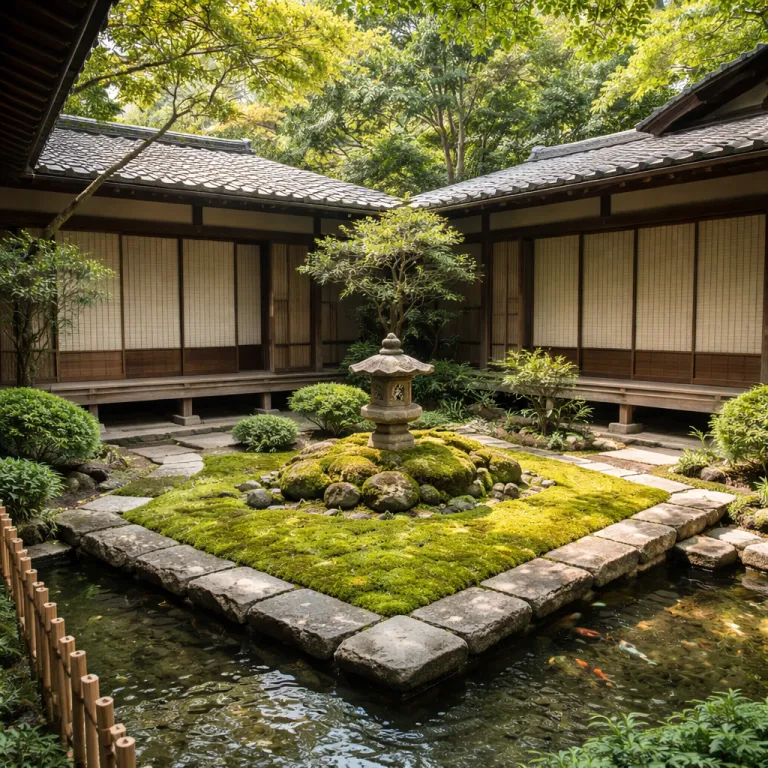
Why kanazawa belongs on every serious ryokan itinerary
Kanazawa is the rare japanese city where a ryokan stay feels naturally woven into daily life. In this kanazawa ryokan guide, the focus is on how the city’s compact area, Edo era streets and dense craft scene turn a simple room into a base for deep cultural travel. You move between kenrokuen garden, higashi chaya and omicho market on foot, then return to a quiet japanese inn that still feels part of kanazawa city rather than a stage set.
Think of kanazawa as Kyoto’s quieter cousin ; the same layered history, fewer tour buses and a more intimate relationship between artisans, temples and traditional japanese hospitality. The shinkansen now runs directly to kanazawa station, which means guests can step off the train, walk kanazawa’s streets within minutes and check into a ryokan without a long transfer, making a three or four night stay unusually efficient. For travelers who care about how a place feels between the famous sights, this balance matters more than a checklist of attractions.
The city’s ryokan scene splits into three clear clusters that shape any serious kanazawa ryokan guide. First, central kanazawa near kanazawa castle and castle park, where mid range and luxury properties sit within walking distance of key districts and japanese gardens. Second, the forested Yuwaku onsen area, technically outside kanazawa city but emotionally part of its story, where hot spring inns lean into quiet, moss and cedar. Third, the classic hot spring belt of Yamashiro and Yamanaka onsen, where the best ryokan combine deep craft traditions with onsen hot baths that justify leaving the city lights behind.
Central kanazawa: castle, chaya districts and walkable ryokan stays
Staying in central kanazawa works when you want to walk from your ryokan to kenrokuen garden at opening time, then reach higashi chaya before the tour groups. Properties like Asadaya show how a luxury ryokan in this area can feel both urbane and deeply traditional japanese, with tatami rooms, in room kaiseki and a level of service that quietly anticipates what guests need. Sumiyoshiya, by contrast, is a polished mid range inn near kanazawa castle park, where english speaking hosts and free wifi make the stay easy for first time visitors to japan.
From these central japanese inn options, you can walk kanazawa’s main axis in a single day ; start at kanazawa station, cross to omicho market for breakfast, then continue toward the castle, kenrokuen garden and the preserved streets of higashi chaya. The best hotels kanazawa in this cluster keep you within walking distance of the ninja temple district and smaller shrines, so you can slip back to your room between visits rather than commute across town. For travelers comparing ryokan and hotel choices, this kanazawa ryokan guide leans toward inns that let you move mostly on foot and feel the city’s rhythm.
Motoyu Ishiya sits slightly outside the dense center yet still reads as part of the kanazawa story, a historic ryokan dating back centuries in a wooded area that feels like a soft transition toward the onsen towns. Its japanese style rooms open onto a garden where the line between curated landscape and wild forest blurs, which is exactly what many guests seek when they choose a ryokan over a standard hotel. If you are planning a broader circuit of japan with other refined stays, pairing central kanazawa with an elegant ryokan experience in Hiroshima can create a satisfying contrast between castle town atmosphere and coastal calm.
Yuwaku onsen: forested hot springs on kanazawa’s doorstep
Yuwaku onsen is where kanazawa exhales ; a compact hot spring village in the hills that feels far from the city yet sits close enough for an easy transfer. For many readers of this kanazawa ryokan guide, a night or two here is the missing piece between urban craft immersion and full countryside retreat, especially if you value onsen hot baths more than nightlife. The area’s ryokan are smaller, more personal and often family run, with rooms that open onto cedar slopes rather than city streets.
In Yuwaku, the hot spring water becomes the main event, and the ryokan room is designed around that slow ritual of bathing, resting and seasonal kaiseki. Communal onsen and, in some cases, private rotenburo turn a simple stay into a reset, particularly after days spent walking between kanazawa castle, kenrokuen garden and the busier corners of omicho market. A traditional japanese inn here will usually offer japanese style futons, shoji screens and low tables, so guests should check in ready to embrace the full rhythm of a japanese stay rather than expect a western hotel layout.
Because Yuwaku onsen is smaller than the better known hot spring towns, availability can be tight during peak travel periods, so it pays to check availability early and be flexible with room types. Many properties sit within walking distance of small shrines and forest paths, which means you can walk after dinner and hear only water and wind rather than traffic. If you are planning a longer japan itinerary that strings together several hot spring stays, consider pairing Yuwaku with a luxury ryokan in Hakone that offers private open air baths and traditional japanese hospitality, creating a north south onsen arc anchored by kanazawa city.
Yamashiro and Yamanaka onsen: craft rich retreats beyond the city
Yamashiro onsen and Yamanaka onsen sit further from kanazawa, yet they are central to any serious kanazawa ryokan guide that values craft and deep bathing culture. Yamashiro is the quieter benchmark, home to properties such as Beniya Mukayu, where minimalist architecture, onsen hot baths and curated silence set a standard many ryokan aspire to. Here, the rooms often frame japanese gardens like living scrolls, and the inn’s connection to kutani pottery heritage turns every plate and tea cup into part of the stay.
Yamanaka onsen leans more into mountain energy, with hot spring inns strung along a river gorge and walking paths that link baths, bridges and small ateliers. Both places reward guests who care about how japanese style design, local materials and seasonal cuisine intersect, rather than those simply seeking the cheapest room with free wifi. For travelers comparing hotels kanazawa with these onsen towns, the trade off is clear ; in the city you gain walking distance to kanazawa castle, kenrokuen garden and higashi chaya, while here you trade that for immersion in hot spring culture and craft continuity.
These onsen towns also sit within a broader regional story, where visiting supports the resilience of Ishikawa’s tourism economy after recent disruptions along the Hokuriku coast. Staying in Yamashiro or Yamanaka, then returning to kanazawa city for a final night near kanazawa station, creates a satisfying loop that balances urban and rural rhythms. If you are building a longer seasonal route through japan, an elegant cherry blossom tour with luxury ryokan stays can easily weave kanazawa, these hot spring towns and other regions into a coherent, slow travel arc.
How to plan a 3 to 4 night kanazawa ryokan stay
A well structured kanazawa ryokan guide should translate into a clear itinerary, and three to four nights is the sweet spot for most travelers. One effective pattern is two nights in central kanazawa, one night in Yuwaku onsen and an optional extra night in Yamashiro or Yamanaka, depending on how much hot spring time you want. This sequence lets you walk kanazawa’s core sights, then decompress in quieter japanese inn settings without constant packing and unpacking.
On day one, arrive at kanazawa station by shinkansen, check into a central ryokan or refined hotel and spend the afternoon between omicho market and the streets around kanazawa castle park. Day two can focus on kenrokuen garden at opening, followed by higashi chaya, the ninja temple area and smaller japanese gardens that rarely appear on quick hit lists. By returning to the same room that night, you gain a sense of the city’s evening pace, from quiet lanes near the castle to more animated streets closer to the station.
Day three is the pivot ; check out after breakfast, transfer to Yuwaku or one of the further onsen towns and let the hot spring define the schedule rather than a list of temples. Here, the best practice is to check availability for rooms with either private baths or easy access to the main onsen, then build the rest of your stay around slow meals and short walks. On the final day, you can either return directly to kanazawa station for onward travel across japan or add a last night in the city to revisit a favorite place before leaving.
When kanazawa beats Kyoto as a ryokan base, and when it does not
For many readers of this kanazawa ryokan guide, the unspoken question is whether kanazawa can replace Kyoto as a base for a ryokan focused trip. Kanazawa wins when you value manageable scale, walkable distances between kenrokuen garden, higashi chaya and omicho market, and a ryokan scene that still feels integrated into everyday japanese life. Kyoto still excels if you want sheer volume of temples, a wider range of ultra luxury properties and direct access to nearby regions like Nara without extra transfers.
In kanazawa, the best ryokan and mid range inns tend to be smaller, with fewer rooms and a closer relationship between hosts and guests, which suits travelers who prefer quiet authority over spectacle. Many properties offer free wifi and thoughtful amenities, yet the emphasis remains on japanese style rooms, seasonal cuisine and proximity to places like kanazawa castle and castle park rather than on flashy hotel facilities. A simple walk kanazawa circuit from kanazawa station through the old districts shows how compact the city is compared with Kyoto, which can feel sprawling and fragmented on a short stay.
There is also a regional dimension ; by choosing kanazawa city and its surrounding onsen towns, your travel spend supports an area still rebalancing after recent shocks along the Hokuriku coast. Local tourism boards, ryokan associations and independent owners have collaborated on updated maps, clearer signage and better multilingual support, which makes it easier for international guests to check in, understand etiquette and move between properties. As one local resource puts it without embellishment, “A traditional Japanese inn featuring tatami rooms and communal baths.”, and that simple definition still anchors what makes a ryokan stay in kanazawa quietly compelling.
FAQ
What is a ryokan, and how does it differ from a hotel in kanazawa ?
A ryokan is a traditional japanese inn featuring tatami rooms, futon bedding and often communal onsen baths, while a hotel in kanazawa usually offers western style beds and a more conventional layout. In kanazawa city, many ryokan also include kaiseki dinners and japanese breakfasts in the stay, turning the room into part of the cultural experience rather than just a place to sleep. Hotels kanazawa can be better if you need late check in flexibility or prefer a familiar international format.
Are meals included in kanazawa ryokan stays, and can they handle dietary needs ?
Many ryokan in and around kanazawa include elaborate kaiseki dinners and breakfasts in the nightly rate, especially in onsen towns like Yuwaku, Yamashiro and Yamanaka. These meals showcase local seafood, mountain vegetables and regional ceramics, so they are a major part of the stay rather than an optional extra. Some ryokan can cater to dietary restrictions if informed in advance, but guests should check availability of suitable menus before confirming a room.
How far are the main sights from central kanazawa ryokan areas ?
From most central ryokan and japanese inn options near kanazawa castle park, you can walk to kenrokuen garden in around fifteen minutes and reach higashi chaya in roughly twenty. Omicho market usually sits within a similar walking distance, which means you can structure your day around short walks rather than long transport rides. The ninja temple district is slightly further, but still manageable on foot or by a brief bus ride from the main hotel and ryokan cluster.
Do kanazawa ryokan offer private onsen or only shared baths ?
Across the wider kanazawa area, a significant share of ryokan offer access to onsen hot baths, with some providing private rotenburo attached to certain rooms. In central kanazawa city, space constraints mean many properties focus on smaller communal baths, while in Yuwaku, Yamashiro and Yamanaka you will find larger hot spring facilities. Because demand for private onsen is strong, it is wise to check availability early and click through detailed room descriptions before booking.
Should I stay only in kanazawa, or also in nearby onsen towns ?
For most travelers, a mix works best ; two nights in central kanazawa for easy access to kenrokuen garden, higashi chaya and omicho market, plus one or two nights in Yuwaku, Yamashiro or Yamanaka for deeper hot spring time. Staying only in the city gives you more restaurant choice and simpler logistics from kanazawa station, but you miss the full japanese onsen rhythm. Splitting your stay lets you enjoy both the cultural density of kanazawa city and the slower pace of nearby hot spring places without rushing.