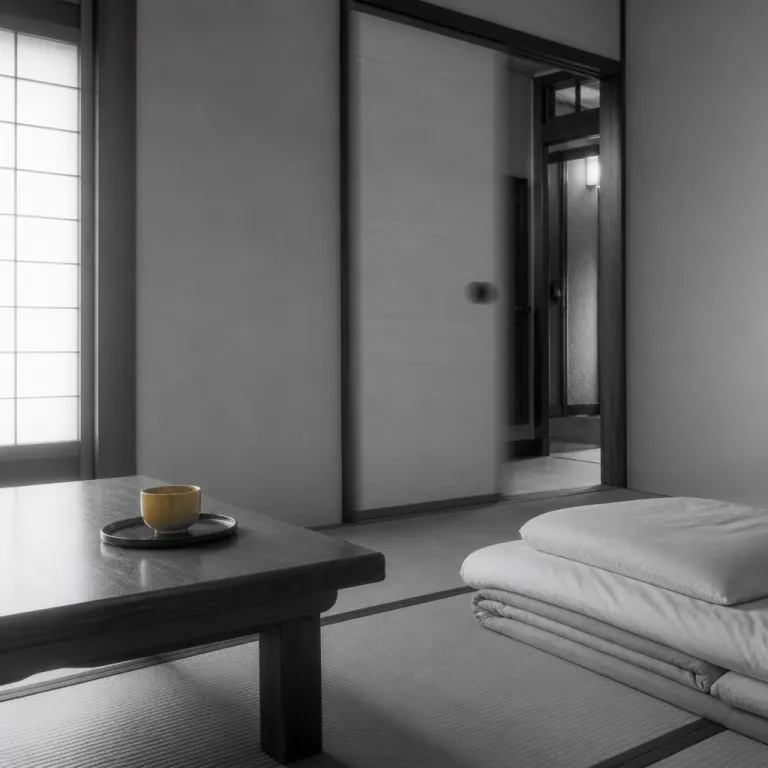
Solo ryokan stay Japan guide: how pricing really works when you book alone
Booking a solo ryokan stay in Japan feels simple until you see the rate. Most traditional Japanese inns price per person, so the cost for one guest in a room designed for two will usually rise by around twenty to thirty percent. That means a Japanese style room listed at ¥30,000 per person with two guests can quietly become ¥36,000 to ¥39,000 when a solo traveler confirms a single occupancy stay.
For a first time solo traveler, understanding this pricing logic is the real starting point. A classic ryokan stay bundles kaiseki dinner, Japanese breakfast, access to the onsen bath and often a private bath slot, so the single supplement reflects fixed kitchen and staff costs rather than a penalty for traveling alone. Many of the best onsen ryokan properties still prefer two guests per room, yet an increasing number now publish clear solo traveler plans that show transparent per person pricing and fewer surprises at check in.
When you compare rooms, look beyond the headline rate and read how the ryokan offer is structured for solo guests. Some traditional Japanese inns keep the same price per person but restrict solo bookings to specific style rooms or to weekdays outside peak seasons. Others charge a premium only on the first night of staying and then reduce the supplement for additional time, which can make a longer stay traditional experience better value for a solo traveler who wants to settle into one town rather than keep traveling every day.
To see how this works in practice, imagine a Japanese style room advertised at ¥30,000 per person for two guests, including dinner and breakfast. A couple would pay ¥60,000 in total, but a solo traveler might see a quoted rate of ¥36,000 for the same room: ¥30,000 as the base per person charge plus a ¥6,000 single supplement that covers the fixed cost of preparing a full kaiseki meal and staffing the room for one guest instead of two.
Finding solo friendly onsen towns and ryokans that actually welcome one guest
The most useful solo ryokan advice does not start with a property name, it starts with a town. Certain onsen towns in Japan are naturally calibrated for solo travelers, because the rhythm of the stay is outside the room and in the streets, the hot springs and the public baths. Kinosaki Onsen on the Sea of Japan coast is the clearest example, where guests in yukata wander between seven public hot springs and the private rooms become a quiet base rather than the entire experience.
In Kinosaki, many onsen ryokan are relaxed about a solo traveler booking a Japanese style room, because the guest will spend much of the time out visiting each hot spring and exploring the compact town on foot. The same logic applies in Kurokawa Onsen on Kyushu, where the tegata wooden pass encourages traveling between multiple onsen bath houses instead of staying inside one ryokan private enclave all evening. For a deeper look at northern circuits, the Hokkaido onsen ryokan circuit around Noboribetsu, Jozankei and Yunokawa has become a reference route for solo travelers who want serious hot springs without the crowds of the Golden Route, and you can read an honest breakdown of that region in this Hokkaido onsen ryokan circuit guide.
Urban ryokans in Tokyo, Kyoto and Osaka also work well for a solo ryokan stay, especially for business style stays that blend western style beds with Japanese style public baths. Properties such as Yuen Bettei Daita in Tokyo design compact style rooms for one or two guests, with rooms located above a calm onsen bath floor that feels like a retreat from the city. When you search in Japanese, the term “ohitorisama” on booking sites is a strong signal that the ryokan stay is genuinely configured for solo travelers rather than reluctantly accepting a single room booking only in low season.
How to read plans, supplements and taxes on luxury ryokan booking sites
On a premium booking website for ryokans, the real solo traveler guidance lives in the fine print of each plan. You will often see multiple plans for the same room ryokan category, with different kaiseki menus, private baths access and cancellation terms, and the solo traveler rate may only appear when you toggle the number of guests to one. Many luxury onsen ryokan still hide single occupancy availability behind phone or email, so using both online booking and a short call can unlock better style rooms or dates.
Expect the average single supplement to sit around twenty percent above the base per person rate, which aligns with commentary from Japanese booking platforms that place the typical solo traveler room rate uplift near that figure. Internal benchmarks from major Japanese groups such as Hoshino Resorts and Ichigo Hotel REIT show that revenue managers track single occupancy yield closely compared with double stays, even if they do not always publish a precise index number. When you factor in the national departure levy and local onsen taxes, it is worth reading a clear explanation of the ¥1,000 international departure tax introduced by the Japanese government in 2019 before you finalize your Japan travel budget.
Peak periods change everything for solo guests, because many ryokans simply will not accept a one person booking in a large style room when they can sell to two or three guests. During such times, a solo traveler should look at urban properties, smaller room ryokan categories or western style rooms that are designed for business travelers and priced more flexibly. For shoulder seasons and weekdays, a luxury ryokan offer may include solo specific plans with in room dining, guaranteed private bath slots and even late check out, which can transform the value of staying alone in a traditional Japanese inn.
Dining alone at kaiseki: what actually feels different when you are solo
Many first time solo travelers worry less about the onsen and more about the kaiseki table. In reality, the dining experience is where a solo ryokan stay in Japan often shines, because the choreography of courses, sake pairings and quiet service suits a reflective guest who wants to pay attention. In room kaiseki, served in a Japanese style room on low tables before the futon ceremony, feels entirely natural for one guest and allows you to control the pace of the evening.
Counter style dining, sometimes offered in urban onsen ryokan or design forward properties, can be even better for a solo traveler who enjoys watching the chef assemble each dish. The only moment that can feel slightly exposed is breakfast in a communal dining hall, where long tables of guests in yukata sit side by side and the solo traveler may be placed at a corner table. In practice, staff are used to this pattern and, as one reference explains clearly, “Is it awkward to stay at a ryokan alone? Not really; staff are accommodating.”
When you book, use the notes field or a short message to request either in room breakfast or a quieter corner of the dining room, which most ryokan staff will arrange without fuss. If you prefer western style breakfast, say so in advance, because some ryokans prepare limited western style plates and prioritize guests who requested them at the time of staying. Over several nights, the rhythm of dinner, onsen bath, sleep and breakfast becomes a deeply personal ritual, and many guests report that their most memorable traditional Japanese meals were eaten in silence, alone, with only the sound of a nearby hot spring for company.
Onsen etiquette for one: private baths, timing and comfort
Thermal water is the heart of any serious solo ryokan stay Japan guide, and bathing alone changes the way you use it. In a shared onsen bath, the etiquette is the same whether you are solo or in a group, yet the emotional experience can feel more intense when you have no one to talk to and nothing to do but watch the steam. For many solo travelers, this is the point, because the combination of hot springs, mountain air and silence is hard to find anywhere else in Japan.
Private baths, known as kashikiri, play a different role for a solo traveler than for couples or families, because you do not need privacy from a companion but you may want control over time and temperature. Booking a ryokan private bath for forty five minutes allows you to adjust the water, step out to a deck and return without worrying about other guests, which can be helpful if you are new to Japanese bathing culture. Some onsen ryokan include one private bath session in their ryokan offer for solo guests, while others charge a separate fee per use, so check whether private baths are included in your room ryokan plan before you arrive.
If you prefer to use only communal baths, timing becomes your best tool for comfort. Early morning and late evening are usually the quietest periods, when most guests are either sleeping or eating, and a solo traveler can often have a large onsen bath almost to themselves. In larger properties with multiple style rooms located around different wings, you may find one indoor pool, one outdoor hot spring and one semi private bath area, so rotate through them over your stay to understand which space suits your own rhythm of traveling and resting.
Choosing the right room type when you are the only guest
Room selection is where a luxury booking website can genuinely guide a solo traveler, because not every Japanese style room feels comfortable when you are alone. Large style rooms with multiple alcoves and four futons can feel cavernous for one guest, while a compact style room with a single futon or a small western style bed may feel more proportionate and calming. When you read room descriptions, pay attention to whether the rooms are located near the onsen, above the dining floor or in a quieter annex, because this will shape your sense of privacy.
For a solo ryokan stay in Japan, a hybrid style room that combines tatami with a low western style bed can be ideal, especially if you are traveling for several weeks and want consistent sleep. Many onsen ryokan now design specific style rooms for solo travelers, with smaller footprints, integrated private baths and thoughtful lighting that makes the space feel warm rather than empty. If you value long soaks, look for a room ryokan category that includes an in room onsen bath or at least a deep private bath, because this allows you to bathe on your own schedule without walking through the corridors every time.
Noise is another factor that changes when you are alone, because you will notice every sliding door and every footstep in the corridor. Ask whether the rooms located near the lobby or elevator are noisier, and request a room at the end of a hall if you are sensitive to sound. For peak summer and autumn foliage, when availability tightens, this peak season ryokan strategy guide offers practical advice on choosing towns and properties where a solo traveler can still secure one of the best rooms without paying an extreme single supplement.
Planning your solo ryokan circuit: routes, timing and booking tactics
A thoughtful solo ryokan stay Japan guide treats your trip as a circuit rather than a single night. Instead of booking three expensive nights in one famous onsen town, consider stitching together two nights in a lesser known onsen ryokan, one night in an urban ryokan and one night in a coastal inn, which spreads both cost and experience. This approach suits solo travelers who enjoy traveling by train, because many of the best hot spring towns sit on scenic regional lines rather than the main Shinkansen corridor.
Solo travel in Japan is rising steadily, and ryokans are adapting with more solo traveler packages, clearer English language booking pages and flexible check in times. Industry observers note that “Solo travel rising. Ryokans adapting to solo guests. Increased solo traveler packages.” which aligns with what you now see on major Japanese booking platforms and specialist agencies. When you plan, use both online booking tools and, where necessary, a short phone call or email, because some of the most traditional Japanese inns still release their best style rooms only through direct contact with guests.
Book your most important ryokan stay first, especially if it includes a rare private bath or a specific kaiseki focus such as crab season or mountain vegetables. Then build the rest of your Japan travel around that anchor night, using flexible urban stays and business style ryokans to fill gaps where rural properties will not accept solo bookings on weekends. If you remember to book in advance, request in room dining when you want privacy and always check for single supplements before you confirm, your solo ryokan circuit will feel intentional rather than improvised, and each stay traditional moment will add a distinct layer to your overall experience.
Key figures for solo ryokan stays in Japan
- Many traditional ryokans apply an average single supplement of around 20 %, which means a solo guest in a room designed for two will typically pay one fifth more than the base per person rate (based on aggregated examples from major Japanese booking platforms and industry commentary).
- Revenue benchmarks from major Japanese groups indicate that the solo traveler room rate uplift is monitored closely against standard double occupancy, showing how seriously revenue managers treat single stays when planning inventory (summarized from public reporting by large hospitality operators such as Hoshino Resorts and Ichigo Hotel REIT).
- Check in at most ryokans usually starts around 15:00, with dinner commonly served near 18:00 and breakfast around 8:00, while check out often falls at 10:00, so solo travelers should time their train arrivals to avoid rushing these fixed meal slots.
- Industry context shows solo travel to Japan increasing year round, which has encouraged more ryokans to create solo traveler packages that bundle in room dining, private bath access and flexible cancellation terms specifically for one guest.
FAQ about staying solo at a ryokan in Japan
Is it awkward to stay at a ryokan alone as a solo traveler ?
For most guests, staying alone at a ryokan feels calm rather than awkward, because the service style is discreet and staff are used to hosting solo travelers. As one reference states directly, “Is it awkward to stay at a ryokan alone? Not really; staff are accommodating.” The quiet rhythm of bathing, dining and resting suits a solo guest who wants time to decompress between days of travel.
Do ryokans usually charge a single supplement for solo guests ?
Many ryokans do charge a single supplement, because their pricing is based on per person costs for meals and staffing rather than on the room alone. The uplift often sits around twenty percent above the base per person rate, though some luxury properties may charge more on peak dates. It is essential to check the final solo rate on the booking screen and, if necessary, confirm by email before you commit to a non refundable plan.
Can you stay at a Japanese ryokan without speaking Japanese ?
Yes, you can stay at a Japanese ryokan without speaking Japanese, especially in major onsen towns and urban areas where many staff speak basic English. Booking websites aimed at international travelers usually provide English room descriptions, meal details and onsen etiquette notes. If you are concerned, choose properties that clearly state English support and send your key requests in simple language before arrival.
How far in advance should a solo traveler book a ryokan stay ?
Solo travelers should book popular onsen ryokan at least several weeks ahead, and sometimes months in advance for peak foliage or holiday periods. Because many properties limit the number of rooms they will sell to single guests on busy nights, early booking secures both availability and better room categories. For midweek stays in less famous towns, a shorter lead time is often sufficient, but it is still wise to reserve once your route is clear.
Is a private bath necessary for a solo ryokan stay in Japan ?
A private bath is not necessary for a solo ryokan stay, but it can enhance comfort if you are new to Japanese bathing culture or prefer to control your own pace. Many solo travelers are perfectly happy using communal onsen baths at quiet times such as early morning or late evening. If you value long, unhurried soaks, booking at least one session in a private bath or choosing a room with an in room tub can be a worthwhile indulgence.