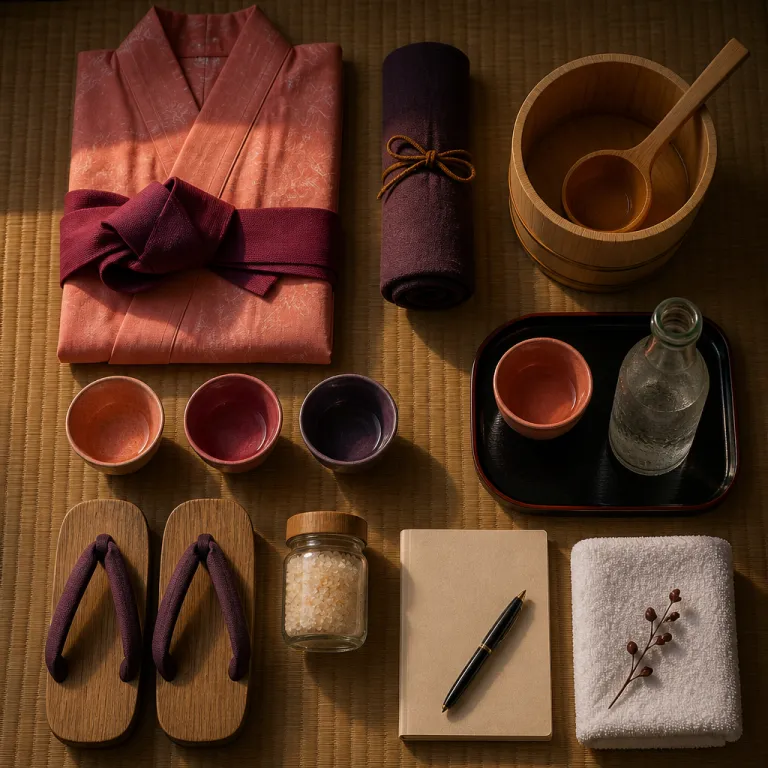
From one night to toji: when a ryokan stay slows down
The typical couple books a single night at an onsen ryokan, arriving late, bathing once, then rushing back to the city the next morning. A toji-style multi night hot spring retreat stretches that rhythm over at least three nights, turning the onsen from a scenic backdrop into the quiet center of your stay. By the third sunrise, the baths, the rooms, and even the mountain air begin to feel like part of your own daily routine.
Toji, the traditional Japanese practice of extended hot springs therapy, was historically prescribed for periods of two to three weeks in mineral rich waters. Modern couples rarely have that duration, yet a three to five night stay still allows your body to adapt to repeated hot spring immersion and your mind to settle into a slower, restorative pattern. Many onsen operators now design mini toji programs that compress the classic arrival, therapeutic, and consolidation phases into a long weekend or a quiet midweek escape, often described in regional tourism board materials and local onsen association guides.
For a toji focused stay, the onsen ryokan itself matters more than the surrounding sightseeing list. You are choosing not only hot springs and outdoor baths, but also the cadence of meals, the privacy of indoor bath options, and the way the staff reads your needs over several days. Couples who enjoy both traditional Japanese rituals and modern Japanese comforts should look for style rooms that balance tatami, shoji, and futon with western style beds, comfortable seating, and enough space to rest between multiple baths; properties such as Kuroyu Onsen in Nyuto or Iwaiya in Tamatsukuri are often cited in Japanese 湯治プラン listings as examples of this hybrid approach.
How three nights change your body in the hot spring rhythm
On the first evening, most people step into the hot baths as if they were a spa novelty, staying too long in the spring water and underestimating the effect of repeated heat on circulation. By the second day of a multi day onsen retreat, your body starts to understand the pattern of shorter soaks, cool down periods in the open air, and long stretches of rest in your room. By the third night, the baths feel less like an event and more like a gentle, mineral rich metronome for your entire stay.
Traditional guidance for toji suggests two to three hot springs sessions per day, with each bath lasting around ten minutes in water that is comfortably hot but never overwhelming. This aligns with advice from Japanese onsen organizations and prefectural health pamphlets, which often recommend limiting each soak to about 5–10 minutes in water typically ranging from 40–42°C (104–108°F), with at least the same amount of time spent resting and hydrating between sessions. Modern mini toji programs often pair these regular hot spring baths with light physical activities such as forest walks among cedar trees and structured rest periods in quiet indoor spaces, echoing research from Japanese balneology societies that links moderate bathing and gentle movement with improved circulation and sleep quality.
Regions such as Tamatsukuri in Shimane, Misasa in Tottori, and Nyuto in Akita are known for spring baths with specific reputations, from skin friendly spring water to gentle radon rich hot springs documented in local tourism and medical bathing literature. A three night stay in these areas allows you to test how your own body responds to different outdoor baths, indoor bath facilities, and private baths reserved by the hour. If you are planning a Hakone escape focused on this rhythm, look for properties that combine serious bathing facilities with calm grounds; an example is the refined relaxation described in the guide to Hakone hot spring stays with elevated comfort, where multiple pools, varied temperatures, and quiet lounges support a toji-like pace.
What actually changes in service when the ryokan knows you are staying
On night one, staff at a luxury ryokan will usually treat you like any other short stay couple, guiding you through onsen etiquette and the layout of the indoor and outdoor baths. By night two of a longer booking, your nakai has already noticed how long you linger in the open air bath, whether you prefer the indoor bath in the early morning, and how much you eat at kaiseki dinner. By night three, the service subtly shifts from scripted hospitality to a more personal, almost residential rhythm, similar to the way long term guests are treated at classic toji inns in places like Kusatsu or Kinosaki.
Extended stay guests often see their kaiseki dining adjusted, with lighter menus on the second or third evening so that repeated hot spring immersion and rich meals do not feel overwhelming. Some onsen ryokan properties quietly reserve certain time slots in the larger baths for long stay guests, or suggest off peak hours when the air baths and outdoor baths are almost private. A few traditional Japanese inns with strong toji heritage even open staff only baths or less crowded spring bath annexes to couples who have committed to several nights; for example, long stay plans at Misasa Onsen’s ryokan cluster or Nyuto’s semi residential lodgings sometimes include access to quieter annex baths noted in local 湯治プラン brochures.
Privacy also evolves over a multi night stay, especially if you have booked a room with a private onsen or semi open air bath on the terrace. On the first day, you may alternate between the public hot springs and your own private baths, testing temperatures and views over the surrounding trees. By the third day, many couples settle into a personal pattern, perhaps using the shared rotenburo only at dawn and relying on their private onsen for evening soaks; if you are weighing these options, the decision grid in this guide to choosing between private and shared onsen experiences is a useful framework.
Choosing the right onsen ryokan for a mini toji retreat
Booking a toji oriented multi night onsen ryokan stay is less about chasing the most photogenic outdoor bath and more about aligning the property with how you actually like to rest. Start by deciding whether you want a fully traditional Japanese environment with tatami only style rooms, or a modern Japanese and western style hybrid with sofas, desks, and perhaps a separate bedroom. For couples planning to work a little during their stay, that difference in room layout can matter as much as the quality of the baths; for instance, a three night stay at a semi modern inn in Hakone or Yufuin might cost around ¥25,000–¥40,000 per person per night with two meals, while simpler 湯治プラン at local inns in Misasa or Nyuto can start closer to ¥10,000–¥15,000 with streamlined dining.
Next, look closely at the bathing infrastructure, not just the marketing photos of one dramatic outdoor bath framed by snow and trees. Serious toji friendly properties will offer multiple indoor baths, several outdoor baths with different temperatures, and sometimes dedicated spring baths for women and men that rotate daily. If you value privacy, prioritize rooms with private baths fed directly by hot spring water, or at least reservable family baths that can be booked for exclusive use; many Japanese language booking sites and official onsen town portals list whether a ryokan’s private onsen uses true source water or reheated tap water.
When searching Japanese booking sites, the term 湯治プラン signals a toji oriented plan, often with simplified dining and slightly more modest style rooms to encourage longer stays. Some local inns in places like Nyuto or Misasa operate almost as semi residential hotels, with jiyu ryokan style plans that include access to shared kitchens for guests staying a week or more. For couples who care as much about food as about the baths, pairing such a stay with a dedicated kaiseki evening in Kyoto at a place like an elevated Gion kaiseki restaurant can balance the simplicity of toji with one night of high end dining.
Practical booking strategy for couples planning three nights or more
Once you have chosen your region and style of onsen ryokan, the booking details will determine how comfortable a three night toji retreat actually feels. For couples traveling from the United States, it is worth emailing the property directly after reserving to confirm bath facilities, meal patterns, and any toji specific guidance. Clear communication before arrival helps the staff tailor your stay from the first bath rather than adjusting only after the second night; many ryokan websites and official tourism portals now include contact forms in English specifically for this purpose.
Ask explicitly about the number and type of baths available during your dates, including any maintenance closures that might affect outdoor baths or indoor bath rotations. Clarify whether rooms with private onsen use true hot spring water or simply heated tap water, and whether private baths are open air, partially enclosed, or fully indoor. If you are sensitive to heat, request information about water temperature ranges and whether there are cooler spring baths or air baths designed for gentle acclimatization, and consider packing a simple toji checklist: a refillable water bottle, light loungewear for resting between soaks, and a small bag for carrying towels and skincare to the communal baths.
Pricing for three or more nights often differs from the standard one night rate, especially on 湯治プラン that may reduce dining complexity in exchange for better value. Some properties will offer a lower rate if you skip daily room cleaning, which can suit couples who prefer a more residential feel during extended stays. When you arrive, follow the core toji advice shared by experienced practitioners and municipal onsen guides; start with shorter soaks to avoid overexertion, stay hydrated and rest between baths, and follow onsen etiquette for a respectful experience.
FAQ
How long should a modern toji stay last for couples
Traditional toji programs in Japan often ran for two to three weeks, especially in regions with strong medical bathing reputations documented by local balneology research groups. For most modern travelers, a three to five night stay at an onsen ryokan offers a realistic balance between time, budget, and the benefits of repeated hot spring immersion. If you respond well to the rhythm, you can always plan a longer return focused on a single hot spring area.
How many times per day should we bathe during toji
Most wellness oriented properties suggest two to three sessions per day, with each bath lasting around ten minutes in comfortably hot water. This aligns with common Japanese onsen advice that emphasizes short, frequent soaks rather than one long session, especially when the water temperature is around 40–42°C (104–108°F). Listen to your body, shorten sessions if you feel light headed, and always rest and hydrate between baths; official onsen town brochures and prefectural health department leaflets repeat this guidance for first time visitors.
Are meals always included in a toji multi day onsen stay ryokan plan
Many luxury and premium ryokan include breakfast and dinner in their standard rates, even for extended stays. Some toji specific plans, especially in more local areas, may offer simplified meals or self catering options to keep costs manageable over a longer duration. When booking, confirm whether your plan includes full kaiseki dining every night or a lighter, more repetitive menu designed for multi day guests, and check whether the inn follows a typical toji pattern of hearty breakfasts and simpler dinners.
How does a three night toji stay differ from a regular spa weekend
A typical spa weekend often focuses on one long treatment day with massages, facials, and a single extended soak. A three night toji stay instead emphasizes repeated, shorter hot springs sessions, structured rest, and simple routines that support gradual physical and mental adjustment. The result feels less like a one time indulgence and more like a gentle reset of your daily rhythm, closer to a wellness retreat than a conventional hotel break.
Can international visitors easily book toji focused ryokan stays
International visitors can book many toji friendly properties through major reservation platforms, but the most specialized 湯治プラン sometimes appear only on Japanese language sites. If you are serious about a multi day program, consider emailing the ryokan directly to ask about extended stay options, simplified dining, and any wellness guidance they provide. Clear questions about baths, rooms, and pricing will help you identify properties that genuinely support toji rather than simply offering a standard overnight onsen stay, and official regional tourism websites often list inns with a long history of hosting 湯治 guests.