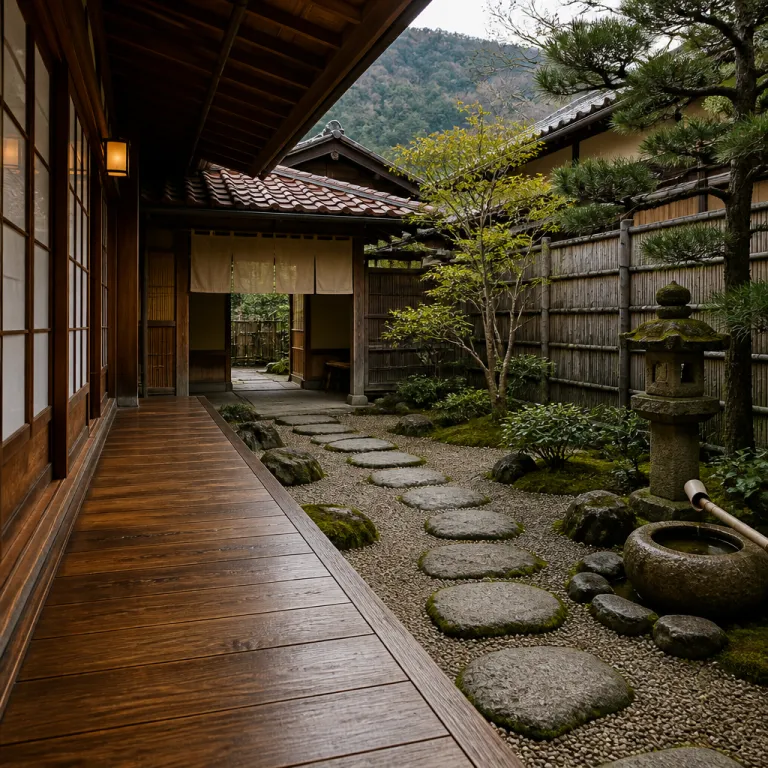
Understanding the refined aura of Tachibana in Hakone
A stay at aura tachibana in Hakone is about more than a comfortable room and a scenic hot spring view. It is a chance to feel the quiet atmosphere of a traditional ryokan while still enjoying the precision of a modern star hotel experience in Hakone Japan. Guests who value culture, privacy, and time to breathe in the mountain air will find this ryokan especially rewarding.
Located at 40 Yumoto, Hakone-machi, Ashigarashimo-gun, Kanagawa, aura tachibana sits about 10 minutes on foot from the historic onsen district of Hakone Yumoto and roughly 600–700 metres from Hakone-Yumoto Station on the Odakyu Line. From the ryokan you can reach the hot spring baths, the Hakone Open Air Museum, and several museum art collections in roughly 30–45 minutes by local train and bus, which matches the travel times listed on Hakone’s official transport guides and makes it ideal for travellers who want to balance relaxation with exploration. The surrounding Hakone Japan landscape, with its natural hot springs and forested hills, shapes the entire rhythm of your stay at this Tachibana hotel.
Unlike many larger hotels in Hakone, this ryokan focuses on a limited number of rooms to preserve a calm atmosphere. With around 45–50 guest rooms divided between two main wings, the property feels intimate rather than crowded, and the staff have more time to anticipate what guests need before they even ask. In guest feedback about aura tachibana on major booking platforms, you will often see comments about how the subtle, retreat-like mood makes the property feel like a cultural hideaway rather than a standard hotel stay.
The role of cultural ambassadors at a ryokan
At a luxury ryokan such as aura tachibana, cultural ambassadors are the quiet bridge between guests and local life in Hakone. These team members explain the meaning of the onsen rituals, guide you through the etiquette of using a private bath, and help you plan visits to nearby museum art spaces without feeling rushed. Their role is to make every room, every bath, and every shared space feel like part of a living story rather than a simple hotel corridor.
Many cultural ambassadors at this Tachibana hotel grew up in or around Hakone Yumoto, so they understand the rhythm of the hot spring town. They can suggest the best time to enjoy the open air hot spring baths when the steam rises gently into the cool mountain air and the crowds are thin. When guests ask about the official check-in time or the schedule for dinner and bathing, these ambassadors often weave in small anecdotes about local customs, turning a practical detail into a moment of connection.
Because aura tachibana attracts international guests, cultural ambassadors also act as interpreters of Japanese hospitality values. They explain why the ryokan asks guests to shower before entering the spring baths, why certain rooms have tatami floors, and how the ambience of the onsen changes from morning to night. Their presence ensures that the ryokan remains both accessible to first time visitors and deeply authentic for repeat guests who return to Hakone Japan regularly.
Rooms, private onsen, and the art of slow time
The rooms at aura tachibana are designed around the idea that time should slow down as soon as you slide open the door. Many rooms feature a private onsen or private bath fed by natural hot spring water, allowing guests to soak without leaving their own quiet space. When you compare reviews of different hotels in Hakone, this combination of privacy and authentic hot spring access is one of the main reasons travellers choose this Tachibana hotel.
Standard rooms tend to offer a harmonious mix of tatami flooring, low seating, and large windows that frame the Hakone air and mountain views. Larger rooms and suites may include open air baths on the terrace, where guests can enjoy the hot spring water while listening to the river below Hakone Yumoto. Whether you choose a compact room or one of the more spacious rooms with a private onsen, the overall feeling is consistent: calm, understated, and attentive to detail.
For travellers arriving from Tokyo or other busy cities, the first hot bath at aura tachibana often feels like a reset. The natural hot spring baths ease travel fatigue, while the quiet rooms encourage you to put your phone aside and simply watch the changing light. Cultural ambassadors sometimes suggest the best times for bathing, such as early morning when the air is crisp, or late evening when the ryokan is almost silent and the stars above Hakone Japan are visible.
Understanding amenities beyond the room
While the rooms and private baths are central, the shared amenities at aura tachibana also shape the guest experience. The main indoor onsen areas feature multiple spring baths with different temperatures, allowing guests to move from one hot pool to another at their own pace. Some sections include semi open air baths, where the natural hot spring water meets the cool Hakone air for a balanced sensation.
Guests who prefer more privacy can reserve a private bath or private onsen session, which is especially appreciated by couples or families who are new to Japanese bathing culture. These private spaces often come with thoughtful amenities such as skincare products, comfortable seating, and soft lighting that enhances the tranquil character of the ryokan. When you read reviews of this hotel Hakone property, you will notice how often guests mention feeling both cared for and unhurried in these areas.
Beyond the baths, aura tachibana offers amenities that support longer stays, such as lounges, reading corners, and sometimes curated information about local museum art and cultural events in Hakone Japan. Cultural ambassadors may organise small introductions to onsen etiquette or share insights about nearby attractions, turning what could be simple hotel amenities into gateways to the wider Hakone Yumoto community. This approach reflects a philosophy where every shared space, not just the rooms, contributes to the overall atmosphere of the ryokan.
Location, access, and the rhythm of Hakone Yumoto
One of the practical strengths of aura tachibana is its location near Yumoto Station, the main gateway to Hakone Yumoto. From Yumoto Station, guests can reach the ryokan in around 8–10 minutes on foot or a brief taxi ride, which makes arrival and departure times far less stressful than at more remote hotels. This easy access is especially valuable if you plan to explore multiple areas of Hakone Japan during a two or three night stay.
The surrounding district of Yumoto Hakone is known for its long history as a hot spring resort town. Streets near the station are lined with traditional shops, small museums, and cafés where the air often carries a faint hint of natural hot spring minerals. Cultural ambassadors at this Tachibana hotel can suggest walking routes that pass both historic bathhouses and modern museum art spaces, allowing guests to feel how old and new coexist in Hakone.
For travellers arriving by car, aura tachibana typically offers free parking for a limited number of vehicles, which is not guaranteed at every star hotel in the region. Free parking allows guests to leave their vehicle safely while they use public transport to reach more remote sites such as the Hakone Open Air Museum or the shores of Lake Ashi. When planning your schedule for activities, this flexibility makes it easier to combine relaxed mornings in the ryokan with active afternoons around Hakone Japan.
Proximity to museums and cultural sites
Staying at aura tachibana places you within convenient reach of several key cultural attractions in Hakone. The Hakone Open Air Museum, one of Japan’s most respected outdoor museum art spaces, is accessible by train and cable car from Yumoto Station in about 40 minutes, making it a straightforward half day trip. Cultural ambassadors at the ryokan can advise on the best time to visit, often suggesting early arrival to enjoy the sculptures in the cool morning air before the paths become crowded.
Other nearby museums include the Okada Museum of Art and the Pola Museum of Art, both of which offer rich collections that pair well with a slow ryokan stay. Guests often spend a morning soaking in the hot spring baths at aura tachibana, then head out after a relaxed check-in to explore these museum art spaces. Returning to the ryokan in the late afternoon, they can enjoy another hot bath or private onsen session before dinner, creating a balanced rhythm of culture and rest.
Because the ryokan team understands that many guests are art lovers, they sometimes curate small displays or printed guides that highlight current exhibitions in Hakone Japan. This attention to cultural detail reinforces the refined identity of the property, where the hotel is not just a place to sleep but a base for engaging with the region’s creative life. When you read reviews from guests who visited both the museums and the hot spring baths, you will often see comments about how the combination deepened their appreciation of Hakone.
How a luxury booking website curates aura tachibana
For travellers comparing multiple hotels in Hakone, a well designed luxury booking website can act as a trusted cultural ambassador in its own right. On a specialised ryokan platform, the page for aura tachibana should present more than room sizes and prices; it should convey the property’s character through photography, detailed descriptions, and verified guest reviews. This level of curation helps guests understand why a particular room with a private bath or open air hot spring might suit their travel style.
Serious booking platforms often send inspectors to stay at the ryokan, test the onsen facilities, and evaluate amenities such as free parking, dining, and service. Their reports then inform the way aura tachibana is presented online, from the order of room categories to the explanation of spring baths and private onsen options. When a website explains clearly how the natural hot spring water is sourced and how the rooms are arranged, guests can make confident choices before they even reach Hakone Yumoto.
Some platforms, such as Ryokan Stay, publish transparent criteria about how they select each hotel Hakone property they feature. On their page about the curation logic behind an honest ryokan guide, they outline how they assess authenticity, service, and onsen quality, which is directly relevant when evaluating aura tachibana. By relying on such curated information rather than generic listings, guests gain a clearer sense of the offers that matter most to them, whether that is a specific room layout, a private bath, or proximity to Yumoto Station.
Reading reviews with a cultural lens
When you browse reviews of aura tachibana on a luxury booking website, it helps to read them with a cultural lens. Pay attention to how guests describe the onsen experience, the behaviour of cultural ambassadors, and the overall mood of the ryokan rather than focusing only on room size or price. Comments about the quality of the hot spring water, the comfort of the rooms, and the timing of meals often reveal more about the true character of this Tachibana hotel.
Look for reviews from guests who mention both the private onsen facilities and the shared spring baths, as this comparison can clarify whether the private bath upgrade is worth it for your stay. Some travellers value the open air hot spring on the balcony, where the natural hot water meets the cool Hakone air, while others prefer the larger indoor baths with more varied temperatures. By reading multiple perspectives, you can decide which options align with your own rhythm of rest and exploration in Hakone Japan.
It is also useful to note how reviewers describe practical aspects such as check-in, dinner times, and access from Yumoto Station. Positive comments about smooth arrival, clear explanations from staff, and reliable free parking suggest that the hotel manages logistics as carefully as it manages the onsen. When these practical strengths combine with praise for the serene atmosphere and the attentiveness of cultural ambassadors, you can be confident that aura tachibana will support both your comfort and your curiosity.
People as cultural ambassadors: from Tokyo stages to Hakone springs
The idea of cultural ambassadors at a ryokan like aura tachibana connects naturally with Japan’s wider creative world. In Tokyo, artists such as voice actors and pop singers act as ambassadors of contemporary Japanese culture through their performances. Their careers, shaped by recording studios, microphones, and live stages, mirror how ryokan staff in Hakone Japan translate local traditions into experiences that modern guests can understand.
For example, a voice actor moving from theatre to animation work shows how a performer can reinterpret classic narratives for new audiences. In a similar way, cultural ambassadors at aura tachibana reinterpret long standing onsen customs, explaining to international guests why the natural hot spring baths are used in a particular order or why certain rooms are arranged around a central bath. Individual creative journeys in the city often echo the quieter, hospitality focused stories unfolding in places like Hakone Yumoto.
Pop singers who built their careers in groups and later as solo artists represent another facet of this cultural bridge. Their music, often produced in Tokyo’s Kanto region, travels across Japan and beyond, just as the reputation of a refined ryokan such as aura tachibana spreads through reviews and word of mouth. When guests arrive from Tokyo to this Tachibana hotel, they carry with them expectations shaped by contemporary Japanese culture, and the ryokan’s cultural ambassadors respond by weaving those expectations into the timeless rhythm of hot spring life.
How staff embody the Tachibana aura
Within aura tachibana, cultural ambassadors are not performers on a stage, yet their presence is just as carefully tuned. They manage subtle details such as the timing of the first hot bath, the way the air in the open air onsen feels at different hours, and the quiet guidance offered when guests are unsure about etiquette. Their goal is to ensure that every interaction, from check-in at the front desk to late night questions about the spring baths, reinforces the calm, unhurried spirit of the ryokan.
Many of these staff members receive training that combines practical hotel skills with deep knowledge of Hakone Japan’s history and onsen culture. They learn how to explain the difference between indoor baths and private onsen options, how to suggest the best time to visit the Hakone Open Air Museum, and how to respond when guests ask about free parking or access from Yumoto Station. This blend of logistical expertise and cultural storytelling is what transforms a standard hotel stay into a ryokan experience.
For guests, the result is a feeling that the people of aura tachibana are not just employees of a hotel Hakone property but guardians of a particular way of life. Whether they are guiding you to your room, preparing your private bath, or recommending a museum art exhibition, they act as living links between the hot spring traditions of Hakone Yumoto and the evolving tastes of travellers from around the world. In this sense, the distinctive Tachibana aura is as much about people as it is about architecture, water, or air.
Practical booking tips for aura tachibana
When planning a stay at aura tachibana, start by deciding how important a private onsen or private bath is for your trip. Rooms with open air hot spring baths on the balcony tend to book out quickly during peak seasons in Hakone Japan, especially weekends and national holidays. If soaking in natural hot water under the night air is a priority, reserve these rooms early and pay close attention to the room descriptions on your chosen booking website.
Next, consider your arrival and departure times in relation to Yumoto Station and the ryokan’s official check-in time. Many guests prefer to arrive in Hakone Yumoto by early afternoon, drop their luggage at the Tachibana hotel, and then explore nearby streets or a small museum before returning for the evening hot spring ritual. When you plan your evening around dinner and bathing, remember that ryokan meals are usually served at set times, and cultural ambassadors can help you coordinate your schedule so you never feel rushed.
Finally, review the practical amenities that matter most to you, such as free parking if you are driving, or shuttle options from Yumoto Station if you are travelling by train. Check whether your chosen room includes breakfast and dinner, how many shared spring baths are available, and whether there are quiet lounges or reading spaces for downtime between soaks. By aligning these details with the consistent service described in guest reviews, you can ensure that your stay at aura tachibana in Hakone feels both effortless and deeply rooted in local culture.
Choosing the right room and rate plan
Room categories at aura tachibana typically range from standard rooms without private baths to suites with generous open air hot spring terraces. If you are new to onsen culture, starting with a room that uses the shared spring baths and then booking a single private onsen session can be a balanced choice. This approach lets you experience both the social side of the hot spring tradition and the quiet intimacy of a private bath without committing to the highest room category.
Rate plans often vary depending on whether meals are included, how flexible the cancellation policy is, and whether special Tachibana offers are available for longer stays. Some plans may include perks such as slightly extended check-out, complimentary use of a private bath, or small amenities in the rooms that enhance the overall sense of comfort. When comparing prices across different hotels in Hakone, remember that a ryokan stay usually includes both accommodation and elaborate meals, which changes the value equation compared with a standard star hotel.
Before finalising your booking, read the fine print about taxes, onsen fees, and any conditions related to free parking or shuttle services from Yumoto Station. If anything is unclear, contact the ryokan directly via the official website or use the messaging tools on your booking website to ask specific questions about rooms, baths, or access. Clear communication at this stage ensures that when you finally arrive in Hakone Yumoto, you can move smoothly from the station to your room, from the room to the hot spring, and from the hot spring to a restful night within the calm aura of aura tachibana.
Key figures and trends for luxury ryokan stays in Hakone
- Hakone is one of Japan’s most visited hot spring regions, welcoming several million domestic and international visitors each year according to regional tourism statistics, and a significant share choose to stay in ryokan style properties rather than conventional hotels, reflecting a strong preference for hot spring culture and personalised service.
- Surveys of international travellers to Hakone Japan consistently show that access to natural hot spring baths is cited as a primary motivation for the trip by many respondents, which helps explain the popularity of ryokan such as aura tachibana that offer both shared and private onsen options.
- Properties located within walking distance of Yumoto Station, including several hotel Hakone and ryokan establishments, report comparatively higher occupancy rates across weekdays because easy rail access reduces travel time from Tokyo and encourages short, spontaneous stays, according to local accommodation reports.
- Visitor research in Hakone indicates that guests who combine onsen stays with visits to museum art institutions such as the Hakone Open Air Museum and the Pola Museum of Art tend to stay at least one night longer on average, underlining the value of cultural ambassadors who can connect hot spring experiences with nearby arts venues.
FAQ about aura tachibana and luxury ryokan bookings
What makes aura tachibana different from other hotels in Hakone ?
Aura tachibana distinguishes itself by combining authentic ryokan traditions with modern comforts such as rooms with private onsen, thoughtful amenities, and a calm atmosphere that emphasises slow time. Its location near Hakone Yumoto and Yumoto Station offers easy access while still feeling secluded. Cultural ambassadors on site help guests understand onsen etiquette and local customs, which many reviews highlight as a key strength.
How do I choose between a room with a private bath and shared spring baths ?
If privacy and flexibility in bathing time are priorities, a room with a private bath or open air private onsen is ideal, especially for couples or families. Guests comfortable with shared spaces can opt for standard rooms and use the larger indoor and outdoor spring baths, which often provide more variety in temperature and atmosphere. Many travellers at aura tachibana choose a mix by booking at least one private bath session while also enjoying the main hot spring areas.
Is aura tachibana suitable for first time visitors to Hakone Japan ?
Yes, aura tachibana is well suited to first time visitors because its cultural ambassadors explain ryokan etiquette, onsen rules, and local transport in clear, patient ways. The proximity to Yumoto Station simplifies arrival and departure, and amenities such as free parking and multilingual support reduce stress. Reviews from international guests often mention feeling both welcomed and gently guided through their first hot spring experience.
How far is aura tachibana from major museums and the Hakone Open Air Museum ?
From aura tachibana, guests can reach the Hakone Open Air Museum in under an hour using trains and cable cars from Yumoto Station, making it an easy half day excursion. Other museum art destinations such as the Okada Museum of Art and the Pola Museum of Art are accessible by bus or a combination of rail and bus. Cultural ambassadors at the ryokan can suggest the best routes and approximate times for visits based on current schedules and crowd patterns.
What should I check before confirming my booking at aura tachibana ?
Before confirming, review the room type, whether meals are included, and if your plan offers any special Tachibana offers such as later check-out or complimentary private onsen use. Confirm practical details like free parking availability, access from Yumoto Station, and any restrictions on hot spring use such as cleaning times for the baths. Clarifying these points ensures that your stay at this Tachibana hotel in Hakone aligns with your expectations for comfort, culture, and relaxation.