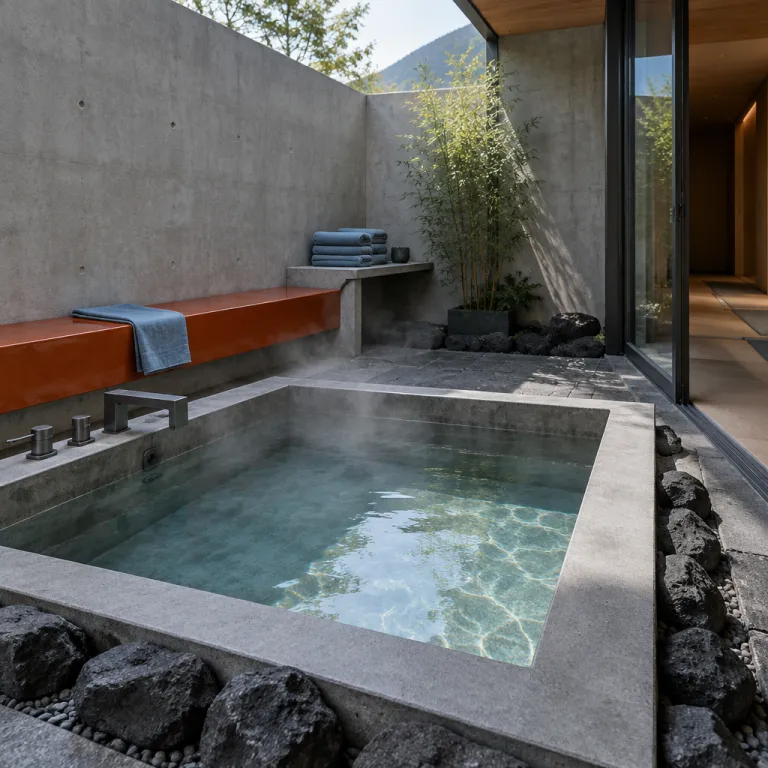
Hakone ryokan with private onsen for refined hot spring stays
A Hakone ryokan with private onsen offers an intimate way to experience one of Japan’s most accessible hot spring regions. In a traditional Japanese setting, you step from your tatami guest rooms straight into steaming spring baths that frame forested hills or, on clear days, the distant outline of Mount Fuji. For travelers who value privacy and calm, these secluded open air baths turn a simple overnight stay into a deeply restorative ritual.
When you plan a ryokan Hakone stay, the first decision is whether you want guest rooms with private onsen or to rely mainly on the larger communal baths. Many luxury properties in the Hakone area now design private rooms so that the baths include hot spring water piped directly from local sources, giving you the same mineral rich experience as the main baths Hakone is famous for. Before you confirm your reservation, always verify the exact room category that includes a private open air tub, because these specific rooms with private onsen often sell out first on weekends and national holidays.
Most high end ryokan in Hakone Yumoto, Gora, and nearby valleys balance privacy with access to shared facilities. You might enjoy a long soak in your own hot spring bath on the terrace, then later visit the larger communal baths for a different water temperature or view. A well designed Hakone ryokan with private onsen will let you move easily between your secluded room, the open air baths, and the dining area where seasonal kaiseki meals are served in a quiet, unhurried rhythm.
Choosing between Hakone Yumoto, Gora, and other onsen areas
The Hakone area is not a single village but a collection of hot spring districts, each with its own character. Hakone Yumoto sits at the gateway to the region, and a ryokan Hakone stay here suits travelers who want easy rail access and quick transfers from Tokyo. From Shinjuku Station, the journey to Hakone Yumoto typically takes about 85–90 minutes by Odakyu Romancecar limited express, or around 35 minutes from Odawara on the Hakone Tozan Line. In contrast, Gora lies higher in the hills, where many guest rooms with private onsen look across wooded slopes and feel more secluded.
When you compare options for a Hakone ryokan with private onsen, consider how you plan to spend your days. Hakone Yumoto works well if you want to step off the train, check in, and be in your private rooms or the communal baths within minutes, with shops and cafés close by. Gora, especially around long established luxury properties such as Gora Kadan or Hyatt Regency Hakone, offers a quieter atmosphere where private open air baths and spring baths feel wrapped in nature, but you rely more on cable cars and buses to move around.
Some travelers pair Hakone with other hot spring destinations, such as a refined Kusatsu onsen escape in Japan’s most storied hot spring town, which you can read about in this detailed guide on a Kusatsu onsen ryokan stay. If you plan such a multi stop itinerary, it becomes even more important to reserve at least one ryokan Hakone stay that includes rooms with private onsen, so you can compare different hot spring waters and bathing styles. Whether you choose Hakone Yumoto, Gora, or smaller hamlets, always confirm that the rooms include either indoor hot spring baths or open air tubs fed by genuine onsen sources, not simply heated tap water.
What to expect inside guest rooms with private onsen
Stepping into a traditional Japanese room in Hakone, you will usually find tatami flooring, sliding shoji screens, and low furniture arranged to frame the view. Many private rooms now integrate a semi open air bath on a balcony or in a small garden, so you can slide a door open and step directly from the sleeping area into your own hot spring retreat. This layout keeps the bathing space close yet separate, allowing the main room to stay cool and dry while the baths remain warm and steamy.
Luxury guest rooms with private onsen in Hakone often include thoughtful details that elevate the experience. Expect yukata robes, high quality toiletries, and sometimes adjustable lighting around the private open air tub, so evening baths feel theatrical without losing their calm. When you review room descriptions, look carefully at floor plans and note whether the rooms include indoor spring baths, outdoor tubs, or a combination, because each configuration shapes how you will use the space throughout the day.
Families or small groups should pay attention to how many people each room can comfortably host, especially when futons are laid out after meals. Some ryokan in Hakone Yumoto and Gora offer larger private rooms with separate sitting areas, which makes it easier to share the space while still enjoying baths reserved for your group. For more ideas on multi person stays, you can explore this guide to Kyoto ryokan stays for families, then apply similar criteria when you book a Hakone ryokan with private onsen for your own travel party.
Balancing private onsen, communal baths, and seasonal meals
A refined Hakone ryokan stay is about more than the room and the hot spring water. The rhythm of the day moves between your private onsen, the larger communal baths, and carefully timed meals that showcase local produce and seafood. When you make a reservation, you are not only securing guest rooms but also a complete sequence of experiences that unfold from check in to check out.
Many ryokan in the Hakone area design their communal baths to complement the private rooms with onsen, rather than replace them. You might have a smaller private open air tub attached to your room, then visit the main baths Hakone properties are known for, where indoor and open air pools offer different temperatures and mineral compositions. This balance lets you enjoy quiet soaks in your own space, while still sampling the full range of hot spring baths, from stone lined outdoor pools to larger indoor facilities with picture windows.
Meals are another reason to secure your preferred dates early, because some plans include elaborate kaiseki dinners and multi course breakfasts served either in the dining area or in your private rooms. Traditional Japanese cuisine at a ryokan Hakone stay often highlights mountain vegetables, river fish, and seasonal specialties that change monthly. If you have dietary needs, confirm them at the time of booking so the kitchen can adjust your meals without compromising the overall harmony of the menu.
How to use a luxury booking website for Hakone ryokan
When you use a luxury booking website to secure a Hakone ryokan with private onsen, the key is to move beyond simple price comparisons. Start by filtering for ryokan in Hakone Yumoto, Gora, and nearby districts, then narrow the results to guest rooms with private onsen or rooms with open air baths. Once you have a shortlist, compare availability across several dates, because shifting your stay by even one night can open access to better room categories or more spacious layouts.
A well designed premium booking platform will let you inspect each room in detail before you commit. Look for clear labels that show whether the rooms include indoor spring baths, private open air tubs, or both, and whether the baths attached to your room use genuine hot spring water. Use the photo galleries and floor plans to confirm how the bathing area connects to the main room, and read descriptions carefully to see if the property offers both communal baths and private rooms with onsen, or focuses mainly on one style.
For travelers extending work trips, some platforms also curate itineraries that blend business and leisure, such as turning two conference days into a tatami weekend, as outlined in this guide to a business trip extension in a ryokan. One frequent visitor, for example, shifted a Tokyo meeting by a day to secure a midweek rate at a Hakone Yumoto ryokan, saving enough on the room to upgrade to a suite with a larger private onsen. When you review such packages, pay attention to check in times, meal inclusions, and whether late arrivals still allow you to enjoy the communal baths. Always complete your booking only after confirming that your chosen room type clearly states “with private onsen” or “with open air hot spring bath”, to avoid last minute surprises at check in.
Maximizing comfort in Hakone’s climate and hot spring environment
Hakone’s mountain climate shapes how you will use both private onsen and communal baths throughout your stay. Cooler evenings make open air baths especially appealing, while misty mornings invite slow soaks in indoor spring baths that look out onto gardens. When you choose a Hakone ryokan with private onsen, consider how the room’s orientation and ventilation will feel across different times of day.
Many ryokan Hakone properties design their guest rooms so that the baths remain warm without overheating the sleeping area. Sliding doors or glass partitions let you keep the bathing space open to fresh air while containing steam, which is particularly important in humid months. When you compare room types, look for notes indicating whether the rooms include climate control that can handle both the heat from the hot spring water and the cooler mountain air at night.
Some travelers prefer private rooms with fully enclosed indoor baths, while others seek private open air tubs that let them feel the changing weather directly. In Gora, for example, a room with open air baths might face a forested slope, while in Hakone Yumoto the same style of private onsen could overlook a river. Whatever you choose, balance your time between the baths attached to your room and the larger communal baths, where different hot spring pools often vary in temperature and mineral content, giving your body a gentler way to adjust.
Planning your itinerary around onsen time and local experiences
Thoughtful planning lets you enjoy both the serenity of your private onsen and the wider attractions of the Hakone area. Many guests like to arrive early enough to check in, change into yukata, and take a first soak in their room’s spring baths before dinner. This initial pause helps you shift from travel mode into the slower rhythm that a ryokan Hakone stay encourages.
The next day, you can schedule sightseeing between bathing sessions, using the morning for visits to the Hakone Open Air Museum, Lake Ashi cruises, or short hikes, then returning in the afternoon to your guest rooms with private onsen. Because hot spring bathing can be surprisingly tiring, alternating activity with rest in your private rooms or the communal baths keeps the experience enjoyable rather than overwhelming. When you consider multiple nights, aim for at least one full day with no major excursions, dedicated mainly to moving between your room, the baths Hakone properties offer, and leisurely meals.
On departure day, many travelers like to wake early for a final soak in their private open air tub, letting the cool mountain air contrast with the hot spring water. After breakfast, you can complete your check out formalities at the front desk, then perhaps take a last walk around Hakone Yumoto or Gora before boarding the train. By structuring your itinerary around the natural rhythm of bathing, resting, and dining, a Hakone ryokan with private onsen stay becomes not just accommodation, but the central experience of your journey.
Key figures on Hakone ryokan and hot spring travel
- Hakone receives several million domestic and international visitors each year, with pre-pandemic figures from the Japan National Tourism Organization indicating that the wider Fuji-Hakone-Izu region attracted well over 20 million annual trips in the late 2010s, making it one of Japan’s most visited hot spring areas and ensuring strong demand for guest rooms with private onsen during weekends and holidays.
- Surveys of inbound travelers by the Japan Tourism Agency in the mid-2010s consistently show that staying in a traditional Japanese ryokan ranks among the top three desired cultural experiences, alongside visiting temples and trying local cuisine, which explains why ryokan Hakone properties often reach full availability months in advance during peak seasons.
- Onsen bathing is associated with measurable relaxation benefits, with Japanese health studies reporting reductions in self assessed stress levels and muscle fatigue after regular hot spring use, supporting the value of booking rooms with access to both private onsen and communal baths for multi night stays.
- Hakone’s hot spring sources vary in mineral composition, with local tourism boards listing more than a dozen distinct spring types in the area, including sulfur rich, simple alkaline, and sodium chloride springs, which is why many ryokan highlight whether their baths include specific spring baths known for skin friendly or muscle soothing properties.
FAQ about booking a Hakone ryokan with private onsen
How far in advance should I book a Hakone ryokan with private onsen ?
For weekends and holiday periods, you should review options and complete your booking at least two to three months ahead, especially for guest rooms with private onsen. Midweek stays in Hakone Yumoto or Gora may offer more flexibility, but private rooms with open air baths still sell out quickly in popular properties.
What is the difference between private onsen and communal baths in Hakone ?
A private onsen is a hot spring bath reserved for a specific room or for limited time slots, giving you exclusive use without other guests present. Communal baths are shared facilities, usually separated by gender, where multiple guests bathe together following traditional Japanese etiquette, and they often offer larger pools and more varied spring baths.
Do all Hakone ryokan rooms include hot spring water in the baths ?
Not every room in every ryokan Hakone property has direct hot spring water, so you must read descriptions carefully. Some guest rooms include standard baths with heated tap water, while higher categories offer private open air or indoor spring baths fed by genuine hot spring sources.
Is a Hakone ryokan with private onsen suitable for families or groups ?
Many ryokan in the Hakone area offer larger private rooms or connecting guest rooms that work well for families and small groups. When you compare options, look for room types that specify capacity, note whether meals are served in room or in a dining area, and confirm that the private onsen layout suits your group’s comfort level with shared bathing.
What should I know about onsen etiquette before using the baths ?
Before entering any hot spring baths, whether private or communal, you must wash thoroughly at the shower stations and rinse off all soap. Swimwear is not used in traditional Japanese onsen, towels stay out of the water, and quiet conversation is preferred so that everyone can relax in the shared atmosphere.