Quiet luxury before the label: how the ryokan rewrote the rules
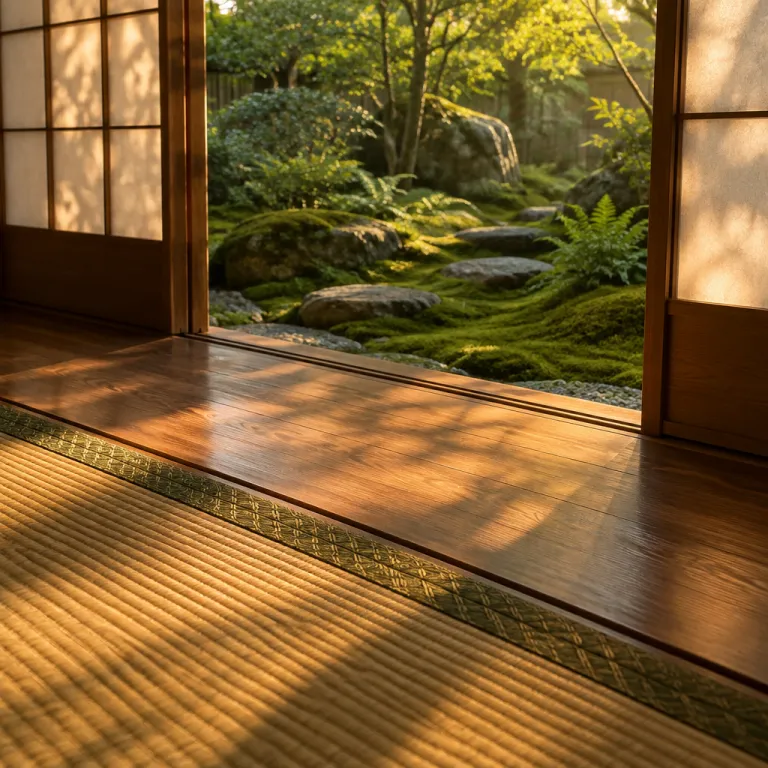
A quiet luxury ryokan in Japan does not announce itself with logos or marble lobbies. In a traditional guest room, the first impression is negative space: pale shoji, tatami floors and a low table set for tea rather than a desk stacked with branded stationery. For many first time visitors, that absence of clutter feels almost austere, yet it is the foundation of ryokan luxury and the reason these properties still define understated refinement.
In global luxury hotels, discreet comfort usually means muted tones, fine linens and a concierge who remembers your name. At a Japanese inn, the same idea runs deeper, because the entire stay is structured around the rhythm of the onsen, the kaiseki dinner and the futon bedding ceremony rather than around a bar program or a lobby scene. This is why a single tatami room in Kyoto or Hakone can command a higher rate than a suite in a city hotel, even when the bath is shared and the amenities are intentionally sparse.
What looks like minimalism to a guest from abroad is, in fact, a precise expression of Japanese hospitality codes. The stay is built on the concepts of ma, the charged empty space, and omotenashi, the anticipation of unspoken needs, which together create a form of quiet luxury that predates any marketing trend. When you stay ryokan style, you are entering a system where every object in the room, from the tea tray to the yukata, has a purpose and a time, and nothing is there simply to signal status.
The minimalist room: when less furniture means more hospitality
Walk into a classic Japan ryokan room and you will not find a minibar, a pillow menu card or a row of branded bath products. Instead, you step onto tatami floors, slide open shoji screens and notice that the space is almost bare, which is why learning the vocabulary of a ryokan room transforms the experience. The quiet luxury here lies in how the room can shift from salon to bedroom to private dining space without ever feeling crowded.
During the day, the low table anchors the room, and guests sit on zabuton cushions facing the garden or the inner courtyard. When it is time for kaiseki dinner, the nakai sets the table with lacquerware and seasonal ceramics, turning the same room into a private restaurant that rivals many luxury hotels for intimacy and detail. Later, while you are at the onsen or taking a hot spring bath, the staff quietly clears the dishes and prepares the futon bedding, so the room becomes a sleeping space without any visible effort.
This absence of display is the opposite of luxury by accumulation, where more furniture and more amenities signal higher status. In a ryokan context, the value comes from flexibility and from the way each object appears only when needed, whether that is a tea set on arrival or a tray for breakfast served in room the next morning. For travelers used to Western hotel layouts, this choreography of objects and time is often the moment when the idea of quiet luxury stops being abstract and becomes a lived experience.
Onsen, ma and the art of invisible service
The onsen is where quiet luxury in Japan hospitality becomes physical rather than visual. A natural hot spring bath, whether shared or a private onsen attached to your room, is not treated as a spa add on but as the axis around which the entire stay revolves. When the water is genuinely natural hot spring sourced, the property will often list the mineral composition, such as sodium chloride or simple sulfur springs, with the same pride a sommelier reserves for a wine list.
Service around the bath is intentionally understated, and that restraint is part of the luxury. Staff will explain the etiquette once, then step back, trusting guests to move between washing area, indoor bath and open air tub at their own pace, while quiet details such as perfectly folded towels and unobtrusive bath access signage keep the flow effortless. The most refined ryokans warm the private bath in your room before you return from kaiseki dinner, so you encounter steam and silence rather than a cold tub and a complicated control panel.
This is where the concept of ma, the meaningful empty space, shapes both architecture and service: the gaps between interactions are as carefully designed as the interactions themselves, as explored in depth in this analysis of why the ryokan room feels calm. In a Western luxury hotel, staff often perform attentiveness in visible ways, while in a Japanese inn the highest compliment is that you barely notice the team at all. As one Kyoto attendant put it, “If you remember the room more than you remember me, I have done my job.”
The price paradox: paying more for less at the ryokan
For many international guests, the first surprise is that some of the most expensive accommodation in Japan is a simple tatami room with no television and, in some cases, a shared hot spring bath. This price paradox defines the upper tier of traditional inns, because what you are paying for is not square meters or a list of amenities but time, privacy and a highly curated experience. A night in a top tier property in Kyoto or along the Tokyo–Hakone corridor can cost from ¥60,000 to well over ¥120,000 per person, even when the visible hardware seems modest.
The value sits in the intangibles that do not photograph well. A multi course kaiseki dinner and a refined Japanese breakfast, both included in the rate, can easily match or exceed the culinary level of many urban luxury hotels, especially when the menu is built around local spring vegetables, river fish or mountain herbs. Add to that the rhythm of multiple onsen sessions, the option of a private bath attached to your room, and the constant but invisible attention of staff, and the ryokan stay begins to look less like a simple night and more like a full day retreat.
For business leisure travelers extending a trip, this model can be a revelation. Instead of paying separately for a room, restaurant reservations and spa treatments, you invest in a single rate that compresses everything into one seamless stay, from tatami floors underfoot to the last cup of tea before checkout. The wider quiet luxury debate in global hospitality often circles around design language, yet the ryokan shows that guests will pay a premium when time, care and cultural depth are bundled into one coherent experience.
From kyoto to hakone: what hotels borrow, and what they miss
As luxury hotels across Japan and beyond chase the quiet luxury trend, many borrow surface elements from ryokans without adopting the underlying philosophy. You see it in city properties that add tatami inspired textures, low furniture and a token onsen style bath, yet still center the lobby bar and the brand narrative rather than the guest’s internal experience. The result can be visually appealing, but it rarely delivers the same depth as a traditional stay side by side with the mountains or the sea.
Some of the most interesting experiments happen along the Hakone–Kyoto and Tokyo–Hakone routes, where hybrid properties blend ryokan architecture with the operational logic of a luxury hotel. These places might offer Western beds alongside futon bedding, flexible dinner times instead of a fixed kaiseki dinner hour, and more casual bath access rules to suit international guests. For travelers who want a gentle entry point into Japanese inn culture, such hybrids can work well, but they also highlight how easily the ryokan can be reduced to an aesthetic when the cultural frame is softened.
The industry scale up of Japanese style accommodation, led by groups such as Hoshino Resorts and its KAI brand, raises similar questions about craft and consistency, which we examine in this guide to large scale ryokan brands. For the individual traveler, the practical takeaway is clear: when you read guide style descriptions or any in depth review, look beyond the images of open air baths and minimalist rooms, and ask how the property structures time, meals and service. Quiet luxury in this context is not about whether the bath is stone or cedar, but about whether the entire stay feels like a coherent narrative rather than a themed hotel weekend.
How to choose a quiet luxury ryokan for your next stay
Selecting the right ryokan for a first or second visit to Japan starts with clarifying what quiet luxury means to you personally. If your priority is immersion in onsen culture, focus on properties with genuine natural hot spring sources, clear information about bath access and the option of a private bath or private onsen attached to your room. Travelers who care most about cuisine should prioritize inns known for their kaiseki dinner, seasonal menus and thoughtful breakfast sequences that showcase local produce.
Location shapes the experience as much as hardware. A secluded mountain ryokan between Tokyo and Hakone may offer deeper silence and darker night skies, while a central Kyoto property allows you to step from tatami floors into temple districts within minutes, which can be ideal for business travelers with limited time. In both cases, the most refined Japanese hospitality reveals itself in how the staff manage your schedule, from timing the kaiseki dinner around your arrival to arranging early morning onsen sessions before meetings or sightseeing.
When you read guide style reviews or consult any serious resource, pay attention to details that signal authentic ryokan luxury rather than a themed hotel. Look for mentions of futon bedding quality, the pacing of courses during kaiseki dinner, the way guests are addressed and whether the property limits room numbers to preserve calm. These specifics tell you far more about the depth of the experience than generic labels like luxury hotels or design forward hotel, and they help ensure that your stay aligns with the centuries old quiet luxury that inspired the trend in the first place.
FAQ
What makes a ryokan different from a luxury hotel in Japan ?
A ryokan is a traditional Japanese inn built around tatami rooms, onsen bathing and kaiseki dining, while a luxury hotel usually follows international standards with fixed room layouts and à la carte services. In a ryokan stay, dinner, breakfast and access to a natural hot spring bath are typically included in the rate, and service is delivered by a dedicated attendant rather than a rotating team. The focus is on time, ritual and cultural immersion rather than on a wide range of facilities.
Do I need a private onsen or private bath to enjoy quiet luxury ?
A private onsen or private bath attached to your room offers extra privacy, which some guests value, especially couples or first time visitors. However, many of the most authentic ryokans rely on shared hot spring baths, separating times for men and women and maintaining very high standards of cleanliness and etiquette. The quiet luxury comes more from the quality of the water, the design of the space and the unhurried rhythm than from exclusivity alone.
How formal is kaiseki dinner at a ryokan ?
Kaiseki dinner at a ryokan is structured and seasonal, but it is not intimidating when staff guide you gently through each course. You usually wear the provided yukata, sit in your room or a small dining area and follow the sequence of dishes at a relaxed pace. The formality lies in the craft of the cooking and presentation, while the atmosphere remains calm and unforced.
Is a ryokan stay suitable for business travelers extending a trip ?
A ryokan stay can work very well for business leisure travelers who want to decompress after meetings. Many properties near Tokyo–Hakone or in accessible parts of Kyoto offer check in times that align with evening arrivals and can adjust kaiseki dinner timing slightly. The combination of onsen, quiet rooms and attentive but unobtrusive service makes it an efficient way to reset without planning multiple separate activities.
How should I read guide style reviews when choosing a ryokan ?
When you read guide articles or reviews, focus on concrete details rather than adjectives. Look for information about tatami floors quality, futon bedding comfort, the structure of breakfast, and how many rooms the property has, because fewer rooms usually mean a calmer atmosphere. Reviews that explain how staff manage time, onsen etiquette and meal pacing are more useful than those that only praise views or design.