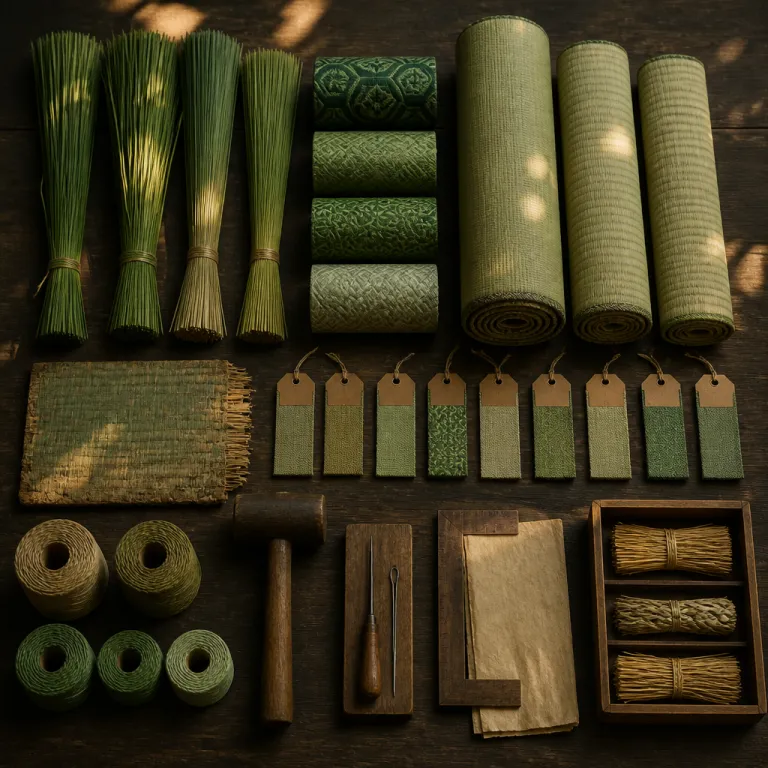
Why your next luxury ryokan stay depends on invisible hands
When you book a luxury ryokan in a famous onsen area, you probably focus on the open air onsen bath and the kaiseki cuisine rather than the tatami under your feet. Yet every traditional japanese mat, every sliding door and every carved transom in the guest rooms is the result of a shrinking circle of traditional craftsmen in Japan. For travelers planning a ryokan stay, understanding this human infrastructure explains why the most authentic properties feel different from a generic hotel with japanese style décor.
Across Japan, ryokan owners are racing to renovate aging properties while the pool of artisans qualified to handle true traditional architecture contracts. According to figures cited by the Japan Tatami Association in industry briefings, tatami makers fell from roughly 1 500 craftsmen to about 300 over two decades, and that decline now shapes how many rooms can be refurbished each year in a luxury ryokan. When you are staying in a ryokan room that smells of fresh igusa rush and looks perfectly aligned, you are experiencing the work of a craft that is literally scheduled to capacity.
This pressure is especially visible in classic ryokan areas such as Kyoto, Hakone and Kinosaki, where hot spring tourism has surged. Renovation projects for high quality properties compete for the same tatami makers, plasterers and carpenters, so the time needed to reopen a wing of guest rooms can stretch from months to years. For guests, that means the most sought after japanese style suites with private onsen or a room open to a quiet garden may be limited in number, and booking early through a specialist platform becomes less a luxury and more a necessity.
Inside a ryokan renovation: tatami, plaster and the cost of authenticity
Behind every serene ryokan experience lies a renovation checklist that reads like a roster of endangered arts. Tatami makers, sakan plaster masters, fusuma painters, ranma carvers and joinery carpenters each handle a different layer of the traditional japanese envelope that separates your room from the garden. When a property commits to a full ryokan renovation by traditional craftsmen in Japan, the schedule is dictated not by the hotel’s marketing calendar but by when these shokunin can actually appear on site.
Authentic tatami for guest rooms uses hand woven rush, natural rice straw cores and traditional edging, and these materials cost several times more than industrial boards. Natural clay plaster for walls, real urushi lacquer for beams and hand carved ranma panels above the sliding doors all add to the renovation budget, yet they are what make a luxury ryokan feel quietly alive rather than themed. The economics are simple: when owners choose cheaper substitutes, the room may look good in photos, but the sound underfoot, the air in the space and even the way light moves across the surfaces change in subtle ways that seasoned travelers notice.
Restoration specialists describe a typical project as a choreography of trades, where the tatami room is left open only after carpenters finish structural work and plasterers complete the walls. In a classic Kyoto ryokan such as Tawaraya, the tea room, the kaiseki dining area and the private onsen suites each require different levels of craft attention, and the time allocation for each space reflects the owner’s priorities. As one Kyoto-based architect who oversees heritage renovations explains, “For a ten-room wing, a full cycle of structural reinforcement, new tatami and wall restoration can easily run eighteen months and cost 20 to 30 percent more than a conventional hotel fit-out.” When you stay ryokan side in such properties, you are effectively walking through a living ledger of decisions about where to invest in traditional architecture and where to accept discreet modern interventions.
The crafts at risk: tatami makers, plasterers and joinery masters
The most fragile link in the ryokan renovation traditional craftsmen Japan chain is the tatami maker, because their work touches almost every room. Industry data shows a steep fall in active tatami workshops, and the association representing them has been blunt about the cause: “Why is there a shortage of tatami makers? Aging craftsmen and few apprentices.” For guests, that translates into fewer fully tatami floored guest rooms and more hybrid spaces where only part of the room uses traditional japanese flooring.
Plaster specialists, known as sakan, face a similar demographic cliff, and their natural earthen walls are essential to the acoustic calm that defines a high quality ryokan stay. When these artisans are unavailable, owners sometimes opt for plasterboard and paint, which can look good initially but lacks the moisture buffering and tactile depth of real clay. Over a long day of meetings followed by a late arrival, you may not consciously register the wall finish in your room, yet your sleep, your sense of quiet and even how the onsen steam dissipates in the air onsen corridor are all influenced by these materials.
Traditional joinery carpenters, trained in tsugite and shiguchi techniques that allow timber frames to lock without metal fasteners, are also in short supply. Their skills matter most in older properties where structural beams, verandas and engawa corridors facing the garden must be reinforced without losing their original lines. When you choose a stay in a heritage property rather than a newly built hotel, you are effectively casting a vote for these crafts to remain economically viable, because every reserved room helps fund the next phase of careful restoration.
Kyoto, Tawaraya and the benchmark for living tradition
Kyoto remains the reference point for travelers who want a ryokan experience that feels anchored in centuries of japanese culture rather than in tourism trends. In this city, the best properties treat renovation as a continuous process, scheduling tatami replacements, fusuma repapering and garden maintenance in quiet periods so that guest rooms never feel tired. A stay at a legendary luxury ryokan such as Tawaraya illustrates how deeply traditional architecture, japanese cuisine and service rituals are interwoven.
Here, the tea room is not a decorative extra but a working space where matcha is prepared with the same care as the kaiseki cuisine served in your room. Meals served on lacquer trays reflect the seasons, and the food is calibrated to the pace of your day, whether you have spent time in meetings or walking temple districts. The hot spring water is often brought in rather than sourced on site, yet the onsen bath experience is framed by open air views of a moss garden, shoji filtered light and the quiet creak of timber that only long lived properties possess.
Kyoto’s ryokan owners face the same craft shortages as their peers in other areas, but their scale and reputation give them slightly better access to artisans. When tatami makers must choose between a small countryside property and a central Kyoto renovation, the economic logic is clear, and that shapes which regions retain fully traditional japanese style rooms. For guests, this means that booking early at benchmark properties is wise, while also considering stays in lesser known areas where owners are investing in careful restoration and need international visitors to justify the cost.
How government programmes and modern tools are reshaping the craft pipeline
Japan’s government agencies and cultural organizations have recognized that the craft pipeline behind ryokan renovation is thinning, and they are experimenting with ways to slow the loss. Subsidies for training new artisans, support for regional technical schools and grants for properties that commit to traditional methods all aim to keep tatami makers, plasterers and carpenters in business. Some prefectures now offer incentives for young people to apprentice in these trades, pairing them with restoration specialists who work across multiple properties in a given area.
Modern tools are also entering the workshop, not to replace hand skills but to extend them, with laser measurement, improved cutting equipment and better logistics helping small équipes handle more projects in less time. In some cases, materials such as rush for tatami are imported to stabilize supply, while the finishing work remains firmly in the hands of japanese craftsmen. The official answer to the question “How does the shortage affect ryokan? Delays in restoration and maintenance.” is now being addressed through a mix of innovation and targeted funding rather than through a simple shift to synthetic materials.
For travelers, this policy landscape has practical consequences when choosing where to stay ryokan side. Properties that participate in such programmes often highlight their use of traditional materials, their collaboration with named artisans and their commitment to preserving japanese culture through architecture, food and bathing rituals. When you read that a luxury ryokan has recently completed a wing of guest rooms with new tatami, restored tea rooms and upgraded private onsen facilities, you are seeing the visible outcome of these behind the scenes interventions.
How to book with intent: reading between the lines of a ryokan listing
For a business leisure traveler extending a trip, the challenge is to translate all this background into smart booking decisions on a luxury and premium ryokan platform. Start by looking for clear descriptions of traditional architecture elements such as tatami rooms, shoji screens, engawa verandas and inner garden views, because these details signal investment in authentic renovation. When a property notes that only some rooms are fully tatami floored or that certain wings are under restoration, it is being honest about the constraints imposed by the current craft shortage.
Pay attention to how the ryokan describes its onsen facilities, whether they are large communal baths, intimate open air onsen pools or suites with a private onsen attached to the room. A well maintained hot spring area with natural stone, timber and good ventilation suggests ongoing collaboration with skilled builders, while a generic tiled spa may indicate a more cost driven approach. The same applies to food: a focus on kaiseki cuisine or refined japanese cuisine served either in room or in a dedicated dining area usually reflects a broader respect for tradition that extends to the building fabric.
Finally, read for signals about sourcing and service, such as mentions of local craftsmen, seasonal ingredients and curated sake pairings, and use specialist content to deepen your understanding of what that means in practice. An article such as the guide to what the brewmaster pours when the kaiseki turns to the hassun on ryokan stay platforms helps you connect the dots between meals served, architecture and regional culture. When you align your expectations with this reality, you not only secure a good room for your own stay but also support the properties and artisans who keep the ryokan experience from sliding into mere nostalgia.
Key figures behind the craft crisis
- The number of registered tatami makers in Japan fell from about 1 500 craftsmen to roughly 300 over two decades, according to the Japan Tatami Association, illustrating a decline of around 80 percent in the core workforce that serves ryokan renovation.
- This contraction means that each remaining tatami workshop now covers a much larger geographic area, increasing travel time and limiting how many guest rooms they can refurbish in a given period for luxury ryokan properties.
- Government and cultural organizations have launched training programmes for new artisans, but these initiatives are still catching up with the pace of retirements, so delays in restoration and maintenance remain common for traditional japanese inns.
- Owners of heritage properties report that using authentic materials such as hand woven tatami, natural clay plaster and real lacquer can raise renovation costs significantly compared with synthetic alternatives, yet these investments are crucial to maintaining high quality guest experiences.
FAQ: what travelers ask about artisans and ryokan renovation
Why is there a shortage of tatami makers for ryokan renovation ?
The shortage stems from an aging cohort of craftsmen and a lack of younger apprentices entering the trade, which has reduced the number of active tatami workshops from well over a thousand to only a few hundred across Japan. Many tatami makers operate as small family businesses, and when no successor is available, the workshop simply closes. This directly affects how many traditional japanese rooms can be maintained each year in ryokan properties.
How does the tatami shortage affect my ryokan stay ?
Fewer tatami makers mean longer intervals between full room refurbishments, so some guest rooms may have older flooring or partial tatami layouts instead of wall to wall mats. Owners often prioritize suites, rooms with private onsen and spaces used for kaiseki meals served in room when allocating scarce craft resources. As a guest, you may notice that the most traditional japanese style rooms are limited in number and book out quickly during peak seasons.
What measures are being taken to support traditional craftsmen in Japan ?
Government agencies and cultural organizations are funding training programmes, offering subsidies for apprenticeships and supporting technical schools that teach tatami making, plastering and carpentry. Some prefectures provide grants to ryokan that commit to using traditional materials and certified artisans in their renovation projects. These measures aim to sustain both the crafts and the authenticity of properties that anchor local japanese culture and tourism.
How can I support artisans when choosing a luxury ryokan ?
You can prioritize properties that clearly state their use of traditional materials, their collaboration with named craftsmen and their focus on preserving original architecture. Booking tatami rooms, suites with carefully maintained open air onsen baths and stays that include full kaiseki cuisine signals demand for high quality, craft intensive experiences. Leaving detailed feedback about these aspects also encourages owners to keep investing in authentic renovation rather than cheaper, less durable alternatives.
Should I book far in advance if I want a fully traditional room ?
Yes, booking early is wise, especially in popular areas such as Kyoto, Hakone or major onsen towns where demand for limited traditional rooms is intense. Because renovation cycles are constrained by artisan availability, the number of guest rooms with fresh tatami, restored tea rooms and classic garden views is often capped. Early reservations through a specialist platform give you better access to these spaces and help ryokan plan future restoration work with more confidence.