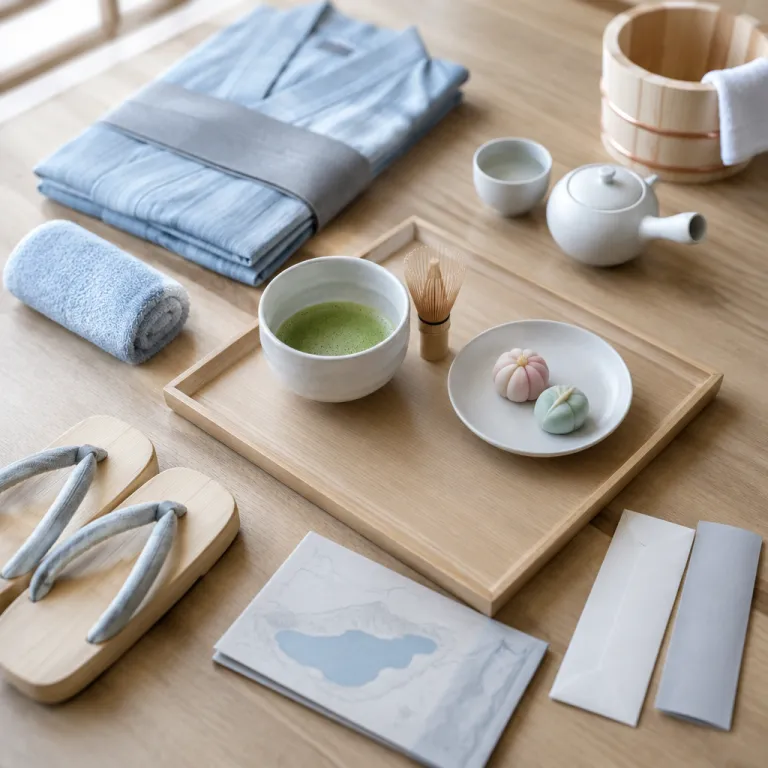
Understanding where to stay in Hakone for a refined ryokan escape
Choosing where to stay in Hakone shapes your entire onsen journey. This volcanic pocket of Japan offers a dense cluster of ryokan, each with its own character, hot spring water quality, and views of Mount Fuji. Before you reserve any stay in Hakone, decide whether you want lake panoramas, forest seclusion, or quick access to a station.
Hakone is compact on the Hakone map, yet each valley feels distinct and rewards slow exploration. Luxury travelers usually compare Hakone Yumoto, Gora, and the Lake Ashi shoreline, because these areas balance convenience, atmosphere, and refined Japanese style hospitality. When you plan where to stay, think about how many baths you want to enjoy in a day and how much time you wish to spend on trains or buses.
Most premium ryokan in Hakone focus on the quality of their onsen rather than flashy hotel facilities. Natural hot spring water feeds both indoor and open air baths, and the mineral composition varies subtly between districts. If you value privacy, look for rooms with a private onsen or an exclusive terrace bath so you can bathe at any hour of the day.
Hakone Yumoto and the art of effortless arrival
Hakone Yumoto is the traditional gateway for Japan travel into this hot spring region. The compact streets around Hakone Yumoto Station are lined with long established ryokan, confectionery shops, and day onsen facilities that welcome both overnight guests and day trippers. If you prefer a short transfer and minimal luggage handling, this is often the most practical place to stay.
From Tokyo Station, the journey via Odawara on the Shinkansen and onward Hakone Tozan Line typically takes about 70–90 minutes, while the direct Romancecar from Shinjuku to Hakone Yumoto averages roughly 85 minutes according to Odakyu Railway timetables. Many luxury properties here sit within a few minutes’ walk or a short shuttle ride from Yumoto Station, which makes late night arrivals from Tokyo far less stressful. As you compare options for a stay near Hakone Yumoto, pay attention to whether the ryokan offers luggage delivery from the station and whether rooms include semi open air baths or fully enclosed private hot spring tubs. These details can transform a simple stay into a seamless, deeply relaxing experience.
Yumoto’s riverside ryokan typically feature classic tatami rooms, kaiseki dinner, and generous breakfast served either in room or in serene dining halls. Many guests choose a plan that includes both dinner and breakfast because it simplifies the day and lets them focus on the onsen and the surrounding nature. For value focused luxury, consider midweek dates after peak holiday periods and consult specialist guides on seasonal rate drops, such as those explaining where September ryokan prices fall to roughly half of August rates.
Gora, Lake Ashi, and the lakeside ryokan that define where to stay in Hakone
Gora sits higher in Hakone, where cooler air and mountain views create a different mood from Hakone Yumoto. This area is ideal if you want a stay that combines art museums, refined gardens, and ryokan with elaborate open air baths. The Gora Station hub connects the mountain railway, cable car, and ropeway, so a hotel here works well for guests who plan to explore all day.
Many Gora ryokan offer rooms with private onsen, often on balconies that frame Mount Fuji on clear mornings. When you review room descriptions, look carefully at bath details, because some private tubs are standard heated water while others are true hot spring fed baths. If you are particular about water quality, confirm that your in room bath is supplied directly from a natural hot spring source.
Lake Ashi, also known as Ashinoko, is the other major answer to where to stay in Hakone for scenery. A lakeside stay near Lake Ashi gives you calm water views, easy access to sightseeing cruises, and sometimes direct vistas of Mount Fuji rising beyond the lake. For a concrete example of a refined lakeside place to stay, examine the detailed presentation of Hakone Ashinoko Hanaori, a serene lakeside ryokan for refined stays, which illustrates how contemporary Japanese style design can coexist with traditional onsen culture.
How to choose the right ryokan layout, rooms, and private onsen options
When deciding where to stay in Hakone, room configuration matters as much as location. Traditional Japanese style rooms feature tatami flooring, sliding shoji doors, and futon bedding that staff lay out after dinner, while hybrid rooms combine Western beds with tatami sitting areas. For couples or small families, a single spacious room with a private onsen often feels more intimate than multiple adjoining rooms.
Luxury ryokan in Hakone usually classify rooms by view, bath type, and floor level rather than by simple size. You might see categories such as riverside rooms with open air baths, mountain view suites with semi open air tubs, or lake facing rooms with indoor stone baths fed by hot spring water. As you compare categories, look beyond square meters and consider whether the bath is a genuine onsen facility or a standard heated tub.
Privacy expectations differ between Japanese guests and many international travelers, so read descriptions carefully. Shared gender segregated baths are the norm, but high end properties increasingly offer bookable family baths or fully enclosed private onsen spaces by the hour. If you are shy about communal bathing yet still want the full hot spring experience, prioritize a place to stay that guarantees an in room hot spring bath for every stay.
Cuisine, kaiseki dinner, and the rhythm of a ryokan day
Food is central to any stay in Hakone, and the kaiseki dinner is often the highlight. This multi course meal showcases seasonal ingredients from across Japan, presented in a sequence that balances texture, flavor, and temperature. When you reserve, you will usually choose between a plan with dinner and breakfast included or a breakfast only stay that lets you dine outside.
For a fully immersive experience, select a kaiseki dinner plan and arrive by mid afternoon so you can bathe before the meal. Most ryokan schedule dinner at fixed times, often between 18:00 and 19:30, and the staff will coordinate your onsen schedule so that your bath and your courses align smoothly. Breakfast the next day tends to be a generous Japanese style spread with grilled fish, rice, miso soup, and small side dishes, though some properties also offer Western plates.
Luxury travelers who enjoy culinary exploration sometimes pair a stay in Hakone with a night in Kyoto, where urban ryokan and refined city escapes offer different interpretations of kaiseki. A specialist platform that curates elegant ryokan retreats and hotels with onsen in Kyoto can help you compare regional cooking styles and service philosophies. By alternating nights between mountain hot spring towns and cultural capitals, you create a Japan travel itinerary that balances nature, art, and gastronomy in a single journey.
Practical booking strategies, availability, and navigating the Hakone map
Securing the right place to stay in Hakone requires attention to timing and availability. Peak seasons around cherry blossoms and autumn foliage see the most limited availability, especially for rooms with private onsen and clear Mount Fuji views. To improve your chances, start to check availability several months ahead and remain flexible about which station you use as your base.
The Hakone map can look complex at first glance, with its web of trains, buses, and ropeways. In practice, most luxury travelers choose between staying near Yumoto Station for easy access, near Gora Station for museum hopping, or near Lake Ashi for tranquil water views and open air baths. When comparing options, note the walking time from the nearest station, whether the ryokan offers a shuttle, and how late the final train or bus returns in case you dine outside.
For a smooth Japan travel experience, align your ryokan stay with your wider route through Japan. Many guests arrive from Tokyo in the late morning, enjoy a day of sightseeing around Lake Ashi or the Owakudani hot spring area, then check in by mid afternoon for a long bath before dinner. Others come from Kyoto or Osaka, combining city based onsen stays with mountain retreats to experience different expressions of Japanese hospitality across multiple hotels and ryokan.
Key figures on Hakone ryokan stays and hot spring travel
- The Hakone area welcomes several million visitors each year, and tourism statistics from Kanagawa Prefecture indicate that hot spring stays remain one of the primary reasons international travelers choose this region over other day trip destinations from Tokyo.
- Surveys by the Japan Tourism Agency suggest that more than half of inbound visitors who stay in a ryokan rank the onsen experience and kaiseki dinner as the most memorable elements of their trip, ahead of shopping and urban sightseeing.
- Data from regional railway operators highlight that Hakone Yumoto Station consistently records the highest passenger numbers in the area, confirming its role as the main gateway for travelers deciding where to stay in Hakone.
- Accommodation reports from Japanese hospitality associations show that rooms with private onsen often sell out first on weekends and holidays, which underlines the importance of checking availability early if you want a private bath.
FAQ about where to stay in Hakone and ryokan bookings
Is Hakone Yumoto or Gora better for a first ryokan stay ?
Hakone Yumoto is better if you want the easiest access from Tokyo, short walks from the station, and many traditional ryokan in a compact area. Gora is better if you prefer a quieter atmosphere, closer proximity to museums and the ropeway, and more properties with mountain views and open air baths. Both areas work well for a first stay in Hakone, so your choice depends on whether convenience or scenery matters more.
How many nights should I stay in Hakone to enjoy the onsen ?
One night is enough to experience a classic ryokan rhythm of afternoon arrival, pre dinner bath, kaiseki dinner, and a morning soak before breakfast. Two nights allow you to slow down, explore Lake Ashi or Owakudani during the day, and still have time for multiple baths without rushing. Travelers who value relaxation over sightseeing often say that a two night stay in Hakone feels like a complete hot spring retreat.
Do I need a room with a private onsen, or are shared baths enough ?
Shared gender segregated baths usually offer the largest pools, the best views, and the most atmospheric hot spring settings. A room with a private onsen is ideal if you are shy about communal bathing, traveling as a couple, or want to soak late at night without checking opening hours. Many guests choose a ryokan that offers both, using the shared baths for variety and the private bath for quiet moments.
What is the typical price range for a luxury ryokan in Hakone ?
High end ryokan in Hakone often charge a per person rate that includes dinner and breakfast, with prices rising for rooms that feature private onsen or premium views of Mount Fuji or Lake Ashi. As a broad guide, many luxury stays fall in the range of ¥40,000–¥80,000 per person per night, with weekends and holidays significantly more expensive than weekdays. Checking availability across several dates and comparing inclusive plans is the most reliable way to understand the true cost of your stay.
How far in advance should I book a ryokan in Hakone ?
For peak seasons such as cherry blossoms and autumn foliage, booking three to six months in advance is prudent, especially if you want a room with a private bath. Outside those periods, you can often find good availability a few weeks ahead, though the most desirable rooms with private onsen may still sell out early. If your dates are fixed, it is always safer to secure your place to stay as soon as your wider Japan travel itinerary is confirmed.