Why ryokan kaiseki dietary restrictions allergies must be planned before you book
At a luxury ryokan in Japan, the kaiseki dinner is not a flexible restaurant menu but a carefully scripted multi course performance. The entire sequence of ryokan meals is designed weeks in advance around seasonal ingredients, so any dietary restrictions or food allergies must be communicated before your ryokan stay is even confirmed. If you wait until check in to mention that you are vegetarian vegan or cannot eat shellfish, the kitchen will usually only omit dishes rather than redesign the meal.
For serious planners of Japan travel, the phrase you need is shokuji seigen, which means dietary restrictions and signals to the reservation équipe that your meals at the ryokan require special handling. High end properties often send a detailed form asking about each ingredient group, from wheat and soy to crustaceans and buckwheat, and your answers will shape every kaiseki meal that is served during your stay. Budget friendly inns may simply note that you cannot eat certain foods and will base their response on omission, so you should keep in mind how important the full kaiseki experience is for this particular trip.
Remember that ryokan food is not only about dinner but also about the elaborate dinner breakfast pairing that frames each day. The same kaiseki chefs who design your evening ryokan dinner will often plan a lighter but still multi course breakfast, and both meals ryokan wide are built from the same pantry of seasonal ingredients. When you declare dietary restrictions or food allergies, you are not just changing one plate at one time but reshaping the entire rhythm of how you eat in your room and in the dining hall.
What kaiseki kitchens usually can and cannot change for special diets
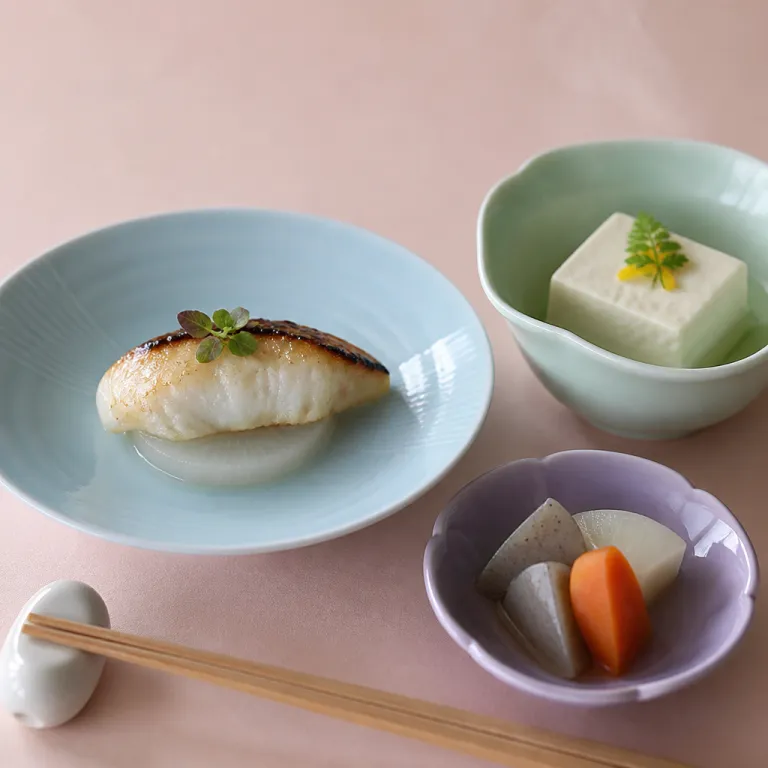
Kaiseki in Japan is defined by its structure as a traditional multi course Japanese meal, and that structure limits how far a kitchen will bend for special requests. A standard ryokan kaiseki dinner will include sashimi, grilled fish, simmered dishes, a steamed course, rice, pickles and miso soup, all served in a sequence that showcases texture, temperature and seasonality. When you add dietary restrictions or food allergies to this choreography, some elements adapt gracefully while others simply disappear.
From years of visiting properties from Kyoto to Tohoku, I have seen that most ryokan meals can accommodate guests who do not eat raw fish by substituting grilled or simmered dishes, but the time dinner is served and the number of courses rarely change. Kitchens are more constrained when guests request gluten free or fully vegetarian vegan menus, because soy sauce, miso and dashi are foundational ingredients in almost every course. As one standard reference on kaiseki puts it without embellishment, “Can kaiseki accommodate vegetarians? Some establishments can adjust menus for vegetarians; inform them in advance.”
Even when a property markets flexible kaiseki meals, the reality is that the menu is based on what local farmers and fishmongers deliver that morning. A chef may remove shellfish for a guest with food allergies, yet the same grill or fryer might still be used, which matters if your allergy is severe. Before you commit to a ryokan stay, ask specific questions about substitution versus omission, and read detailed reviews of elevated kaiseki dining experiences in Kyoto such as this Gion kaiseki review to calibrate your expectations.
Vegetarian, vegan and shojin options: how realistic are they at a ryokan
For guests focused on plant forward food, the gap between the image of delicate vegetable dishes and the reality of kaiseki dashi is often surprising. Even when a meal looks entirely composed of vegetables, the broth that gives depth to the miso soup or the simmered course is usually based on katsuobushi, the shaved bonito that defines Japanese umami. That means a standard ryokan dinner is rarely vegetarian vegan in the strict sense, even if the visible ingredients appear meat free.
The most reliable alternative for such guests during Japan travel is shojin ryori, the Buddhist temple cuisine that is naturally plant based and often fully vegan. Some high end properties in Kyoto and mountain regions collaborate with temple chefs or have in house expertise to create shojin inspired kaiseki meals, but this must be requested clearly at booking and reconfirmed closer to the time of your trip. True vegan kaiseki meals remain a niche offering, and not every served ryokan kitchen has the tools, training or separate stocks required to execute them without compromise.
Families planning a ryokan stay with one vegetarian child and omnivorous parents should keep in mind that kitchens prefer to design one coherent menu based on shared seasonal ingredients. A property such as a classic Kyoto ryokan with a strong culinary program may offer parallel tracks, where one room receives a mostly plant based meal while another room ryokan wide follows the standard sequence. When you write to the property, specify whether you require strict vegan food or simply wish to avoid meat and fish, because the level of adjustment the kitchen will offer depends on that clarity.
Managing food allergies and the 28 allergen framework in Japanese kitchens
Food allergies are treated differently from lifestyle dietary restrictions in most ryokan kitchens, and that distinction matters for your safety. Japan uses a framework of specified allergens, often referred to as tokutei genryo, which covers items such as egg, milk, wheat, buckwheat, peanuts, shrimp and crab, and professional kitchens are trained to recognize them. According to guidance from the Ministry of Health, Labour and Welfare, a smaller group of allergens must be labeled by law, while additional items are recommended for voluntary labeling, and together these categories are commonly described as a list of 28 major allergens in Japanese food service.
In practice, smaller countryside properties may have limited space to separate tools and oil for guests with severe food allergies, while larger luxury ryokan can sometimes dedicate equipment for the most critical cases. You should ask directly whether the kitchen can avoid cross contamination or only remove obvious ingredients from your kaiseki meals, especially if your allergy involves airborne exposure. The dataset used by many culinary schools in Japan notes that “Do kaiseki meals include raw fish? Yes, sashimi is typically included; inform the restaurant if you have concerns.” and the same logic applies to allergens that are woven through sauces and stocks.
Parents traveling with children who have multiple allergies should request written confirmation of what the ryokan will and will not change, and keep in mind that emergency medical care in rural onsen towns can be some distance away. For peace of mind, some families choose properties in major cities where hospitals are within a short taxi ride, then use day trips for onsen rather than committing to an isolated ryokan stay. Whatever you choose, align your expectations with the property’s privacy policy and communication style, and document every agreement about ingredients, dishes and preparation methods in your email trail.
Children at the kaiseki table: from okosama plates to junior menus
Bringing children to a ryokan in Japan can be magical, but only if you understand how their meals will be handled. Under roughly six years old, most properties serve an okosama set, a child’s plate with familiar food such as hamburger steak, fried shrimp, omelette and a small bowl of miso soup, rather than a miniature kaiseki dinner. From about seven to twelve, many ryokan offer a junior kaiseki, sometimes called shokunin no kodomo zen, which mirrors the adult multi course structure with gentler flavors and fewer challenging textures.
This gap between the child’s set meal and the junior kaiseki matters when your child will not eat raw fish or strongly flavored Japanese dishes. Some kitchens handle it gracefully by substituting grilled chicken or lightly seasoned seasonal ingredients, while others simply remove the sashimi course and leave an empty space in the sequence. When you book, ask for photos or a sample menu of both the okosama plate and the junior kaiseki, and keep in mind that the time dinner is served is usually fixed for families, often around 18:00, to keep service smooth.
For parents who prefer to feed younger children earlier or in private, a room ryokan with in room dining can be a better fit than a communal hall. In such settings, staff will quietly lay out the low table, and later return for the futon ceremony that signals the transition from meal to sleep, a ritual explored in depth in this guide to how serious ryokans handle the futon ceremony. Aligning your child’s appetite, bedtime and tolerance for unfamiliar food with the structure of kaiseki meals is one of the most important travel tips for a smooth family stay.
How to communicate your needs and choose the right ryokan for your table
Selecting the right property for complex dietary restrictions or multiple food allergies starts long before you enter your tatami room. When you browse options for your next Japan travel, look beyond the onsen photos and read how each ryokan describes its meals, paying attention to whether the menu is rigidly chef’s choice or explicitly flexible. Properties that highlight seasonal ingredients and partnerships with local farmers often have more confidence in adjusting a dish or two, but they still need precise information from you.
Your first message should list every restriction clearly, separating medical allergies from preferences such as vegetarian vegan or halal, and stating whether trace amounts are acceptable. Ask whether the kitchen can provide a fully alternative kaiseki dinner and breakfast sequence, or whether they will simply remove certain dishes from the standard menu, and request that this be noted on your reservation. It is reasonable to inquire how many courses will be affected, given that the average number of courses in a traditional kaiseki meal is eight, and this shapes the value you receive from the ryokan stay.
To make this easier, you can adapt a simple booking email such as: “We have shokuji seigen. One guest has a medically diagnosed allergy to shrimp and crab (no trace, no shared oil). Another guest does not eat raw fish but can eat cooked fish and meat. Can your kitchen prepare dinner and breakfast for us safely, and which courses would change or be removed?” A short checklist of questions about cross contamination, separate equipment and emergency access will help you compare properties consistently.
Key figures on kaiseki structure and dietary flexibility
- The average number of courses in a traditional kaiseki meal is eight, which means that changing even two courses for dietary restrictions alters a quarter of the experience and should be discussed before booking.
- Most high end ryokan request that guests submit dietary information at least three to seven days before arrival, because seasonal ingredients are ordered and prepped in batches based on expected menus.
- Japan’s specified allergen framework, as outlined by the Ministry of Health, Labour and Welfare, distinguishes between legally mandated and recommended items and is often summarized in practice as 28 major allergens that professional kitchens are trained to recognize and label, though cross contamination protocols still vary significantly between small family run inns and larger properties.
- In many onsen regions, dinner and breakfast together account for more than half of the perceived value of a ryokan stay, so guests with strict diets should prioritize properties that can confirm written menu adjustments.
FAQ: dietary needs at the kaiseki table
Can kaiseki accommodate vegetarians and vegans at a ryokan ?
Some ryokan can adjust menus for vegetarians by reducing meat and fish and emphasizing tofu, vegetables and grains, but standard dashi stock is usually fish based. Fully vegan kaiseki requires separate stocks and sauces, so only a limited number of properties can offer it reliably. Always request written confirmation that both dinner and breakfast will be adapted to your needs.
Is gluten free kaiseki realistic during a ryokan stay ?
Gluten free kaiseki is challenging because soy sauce, miso and many seasonings contain wheat, and these appear across multiple courses. Some kitchens can use tamari or specially sourced sauces, but cross contamination in fryers and shared equipment is common. Guests with celiac disease should ask detailed questions and may be safer at properties experienced with Western dietary standards.
Do kaiseki meals always include raw fish ?
Most traditional kaiseki dinners include a sashimi course, even at mountain ryokan far from the coast, because raw fish is considered a core expression of seasonality. Guests who do not eat raw fish can usually request grilled or simmered alternatives, but the number of courses will remain similar. Inform the property at booking so the chef can plan a coherent sequence rather than improvising on the night.
How seriously do ryokan kitchens treat severe food allergies ?
Japanese kitchens generally take declared severe allergies such as shellfish or buckwheat very seriously and will adjust menus to avoid those ingredients. However, the ability to prevent cross contamination depends on kitchen size, layout and staffing, so you should ask whether separate tools and oil can be used. For anaphylactic allergies, consider staying in larger properties near medical facilities and carry appropriate medication.
What should families with picky eaters or children who fear unfamiliar food do ?
Families with children who are wary of raw fish or strong flavors should choose ryokan that offer clear children’s menus, including okosama plates and junior kaiseki options. Request photos or sample menus in advance and confirm whether substitutions such as grilled chicken or plain rice can be provided without extra charge. In room dining can ease pressure, allowing children to eat at their own pace while adults enjoy the full kaiseki sequence.
References
- Japan Tourism Agency – official guidance on accommodation and dietary needs for international visitors, including how ryokan communicate with guests who have food allergies or religious dietary rules.
- Ministry of Health, Labour and Welfare of Japan – information on specified allergens, mandatory and recommended labeling items, and food safety standards used by professional kitchens.
- Japan National Tourism Organization (JNTO) – resources on vegetarian, vegan and halal friendly dining in Japan, plus practical advice for finding vegan kaiseki ryokan in Kyoto and other major cities.