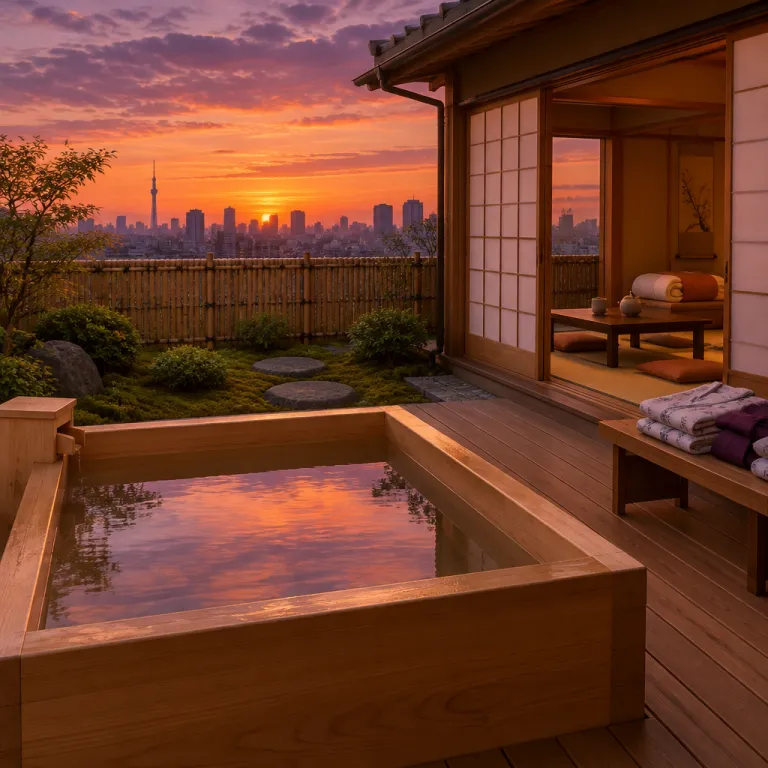
Choosing a tokyo onsen hotel for a refined urban retreat
A carefully chosen Tokyo hot spring hotel lets you pair steaming baths with the city’s neon skyline. In central Tokyo, you can move from a quiet onsen to a late ramen stop in minutes, which makes this style of hotel experience uniquely appealing for a modern guest. When you plan your stay with intention, a single night in the right room can feel like a full wellness escape.
Travelers often compare traditional countryside ryokan stays with an urban onsen ryokan in Tokyo Japan. A city based tokyo onsen hotel will not always have a vast garden or riverside views, yet it compensates with easy access to Shinjuku nightlife, Michelin starred dining, and quick transfers from any airport. When you read reviews and examine each rating, focus on how well the property balances authentic Japanese style bathing with the pace of urban life.
Many travelers arrive via Haneda Airport, then head straight to an onsen hotel to wash away jet lag in natural hot mineral water. Others land at a different airport and choose budget options for the first night, saving their splurge for a final tokyo onsen hotel stay before departure. Whatever your route, always check availability early, because the most atmospheric onsen hotels with rooftop baths and strong reviews book out quickly during peak spring and autumn seasons.
Why Shinjuku and ryokan yuen define the modern tokyo onsen hotel
Among central districts, Shinjuku stands out for its blend of skyscrapers, gardens, and transport links. A refined tokyo onsen hotel here lets a guest step from a quiet hot spring bath into the energy of Golden Gai or Omoide Yokocho within a short minute walk. This contrast between serenity and spectacle is exactly what many travelers seek in Tokyo Japan.
Ryokan Yuen and its sister property Yuen Shinjuku have become reference points for the urban onsen ryokan concept. At each hotel, you find a compact yet elegant room, carefully chosen room amenities, and a rooftop onsen that frames the skyline while you soak in natural hot water. When you read a review of Ryokan Yuen or a detailed series of reviews about Yuen Shinjuku, pay attention to how travelers describe the balance between traditional Japanese style hospitality and contemporary design.
For travelers comparing different cities with a similar spirit, guides to refined stays in Kanazawa with ryokan spirit can provide a useful benchmark. Those Kanazawa properties show how a hotel can feel like a countryside ryokan while still being close to urban attractions, and a strong tokyo onsen hotel should achieve the same. When you evaluate hotels in Shinjuku, look for similar cues in each rating and review before finalizing your booking.
Room types, layouts, and room amenities that matter for onsen stays
Choosing the right room type in a Tokyo hot spring hotel shapes your entire hotel experience. A compact double room may suit a solo traveler who spends most of the night in the onsen, while a larger twin room can feel more comfortable for friends sharing a longer stay. Families or couples who value privacy sometimes prefer an onsen ryokan suite with a private tub fed by natural hot water.
When you compare room amenities, look beyond the usual list of toiletries and Wi Fi. In a serious tokyo onsen hotel, thoughtful touches such as yukata robes, woven slippers, and high quality tea sets signal a commitment to Japanese style hospitality. A well designed room should make it easy to move between the hot springs, the sleeping area, and any small tatami corner without clutter or confusion.
Travelers who have stayed in traditional properties in other cities, such as those highlighted in this guide to where to stay in Kanazawa for an elegant ryokan experience, often arrive in Tokyo with clear expectations. They look for onsen hotels that echo the calm of a countryside ryokan while still being a short minute walk from train stations and restaurants. When you read reviews and examine each rating, note how often guests praise the layout of the double rooms and twin rooms, because this feedback usually reflects real world comfort.
From airport to hot spring: logistics for a seamless tokyo onsen hotel stay
Arriving smoothly at your chosen city onsen retreat starts with smart planning from the airport. Many international travelers land at Haneda Airport, which offers a relatively short transfer to central Tokyo Japan and the main Shinjuku hub. If you time your arrival well, you can be in a rooftop onsen or indoor hot spring less than an hour after clearing immigration.
When comparing transport options, consider whether you prefer a limousine bus, train, or taxi from Haneda Airport to your hotel. A bus can drop you near major hotels in Shinjuku, while trains often provide the fastest route to a central tokyo onsen hotel with good reviews. Taxis cost more than most budget options, yet they can be worthwhile after a long flight if your thought is focused on reaching the onsen quickly.
Accessibility also matters, especially for travelers with mobility needs or those using strollers or service dogs. A detailed resource such as the honest ryokan accessibility guide can help you assess how well a tokyo onsen hotel or urban ryokan supports different guests. When you check availability and complete your booking, contact the property directly if you require step free access to the hot springs or specific room amenities in your double room or twin room.
Manyo Club, toyosu manyo, and other hot springs escapes within Tokyo
Not every memorable hotel experience in Tokyo requires sleeping on site, because some travelers pair a central tokyo onsen hotel with dedicated spa complexes. Facilities such as Manyo Club and Toyosu Manyo offer expansive hot springs, relaxation lounges, and dining, which can complement a shorter stay in a compact city hotel. This approach works well if you want both an authentic onsen ryokan atmosphere and the flexibility of different neighborhoods.
Manyo Club, located in Yokohama, is reachable from Tokyo Japan by train and functions as a full scale hot spring resort. Some travelers choose to spend a night there, while others visit for the day and then return to their tokyo onsen hotel in Shinjuku or another district. In contrast, Toyosu Manyo brings the natural hot water experience closer to the city’s modern bayside developments, which makes it easy to combine with shopping or dining.
When you read a review of Manyo Club or browse reviews of Toyosu Manyo, compare the atmosphere with that of smaller onsen hotels. Large complexes can feel more like leisure centers, while a dedicated tokyo onsen hotel or urban ryokan often delivers a quieter, more intimate hotel experience. Your final booking strategy might involve one night in a traditional ryokan, another in a design forward hotel, and a day visit to a major hot spring facility.
Balancing budget options and luxury in tokyo onsen hotels
Price ranges for a tokyo onsen hotel can vary widely across Tokyo Japan. You will find true luxury onsen hotels with expansive suites and private hot springs, as well as carefully curated budget options that still offer a satisfying soak in natural hot water. The key is to decide where you want to allocate your budget between room amenities, location, and bathing facilities.
Some travelers choose a modest double room in a well located Shinjuku hotel, then invest in premium dining or spa treatments during their stay. Others prioritize a larger twin room or suite in an onsen ryokan, accepting a slightly longer minute walk from the nearest station. When you compare ratings and read each review, look for consistent praise of cleanliness, water quality in the onsen, and overall value for the nightly rate.
Thoughtful travelers often keep a running thought log while reading reviews, noting which hotels deliver the best balance of cost and comfort. A well managed tokyo onsen hotel should feel welcoming whether you booked a premium suite or one of the more accessible budget options. Before you check availability and finalize your booking, confirm any extra charges for access to the rooftop onsen or private hot spring baths, because these fees can significantly change the overall price.
How to read reviews and ratings for your ideal ryokan style stay
Online reviews and aggregated ratings are essential tools when choosing a tokyo onsen hotel. A single glowing review can be persuasive, yet patterns across many guests tell a more reliable story about each hotel experience. Focus on how travelers describe the onsen water, the quietness of the room at night, and the professionalism of staff.
Pay attention to comments about the rooftop onsen, especially in properties such as Ryokan Yuen or Yuen Shinjuku that highlight skyline views. If multiple reviews mention that the hot springs feel crowded at peak times, you may want to adjust your bathing schedule or consider alternative options. Consistent praise for Japanese style breakfasts, thoughtful room amenities, and easy access from Haneda Airport usually signals a well run tokyo onsen hotel.
When you are ready to check availability and complete your booking, revisit your saved thoughts about each property’s strengths. A balanced decision weighs location in Tokyo, proximity to Shinjuku or other hubs, and the quality of the natural hot water in the onsen ryokan. By reading reviews carefully and interpreting each rating in context, you give yourself the best chance of a restorative, memorable stay in your chosen tokyo onsen hotel.
Key figures about tokyo onsen hotel stays
- According to the Japan National Tourism Organization, Tokyo welcomed more than 14 million international visitors in the most recent pre pandemic year (JNTO inbound statistics, 2019), and a growing share of these travelers specifically searched for onsen hotels and ryokan style stays.
- Data from the Tokyo Metropolitan Government indicates that Shinjuku Station handles over 3 million passengers per day (Tokyo transport statistics, 2018), which makes nearby tokyo onsen hotel properties especially convenient for multi day city itineraries.
- Surveys by major Japanese travel agencies show that access to natural hot hot springs ranks among the top three factors influencing domestic travelers when they choose a hotel or ryokan for leisure trips (for example, JTB domestic travel trend reports from 2019).
- Industry analyses suggest that average nightly rates for central tokyo onsen hotel stays can be 20 to 40 percent higher than standard business hotels, reflecting the added value of onsen facilities and enhanced room amenities.
FAQ about choosing a tokyo onsen hotel
What is the main difference between a tokyo onsen hotel and a traditional ryokan ?
A tokyo onsen hotel usually combines modern building design with communal hot springs, while a traditional ryokan emphasizes tatami rooms and multi course kaiseki dinners. In Tokyo Japan, many properties blend both approaches, offering Japanese style elements within a contemporary hotel experience. Your choice depends on whether you prioritize classic formality or urban convenience.
Is it necessary to stay overnight to enjoy an onsen in Tokyo ?
Overnight stays in a tokyo onsen hotel or onsen ryokan provide the most immersive experience, yet day use is also possible. Complexes such as Manyo Club and Toyosu Manyo welcome day visitors who want to enjoy natural hot baths without a nightly booking. Some hotels also sell day passes to their rooftop onsen or indoor baths.
How far in advance should I book a tokyo onsen hotel ?
For peak spring cherry blossom and autumn foliage seasons, you should check availability and secure your booking several months ahead. Popular properties such as Ryokan Yuen and Yuen Shinjuku often sell out early, especially for weekends. Outside peak periods, a few weeks’ notice is usually enough for most onsen hotels.
Are there budget options for onsen hotels in central Tokyo ?
Yes, you can find budget options that still offer access to hot springs or communal baths, particularly in and around Shinjuku. These properties may provide smaller double rooms or twin rooms with simpler room amenities, yet they can still deliver a satisfying hotel experience. Reading recent reviews helps you identify which affordable tokyo onsen hotel maintains strong cleanliness and service standards.
Which airport is more convenient for reaching a tokyo onsen hotel ?
Haneda Airport is generally more convenient than other airports for reaching central Tokyo and many tokyo onsen hotel properties. Transfer times to Shinjuku and other major hubs are shorter, which means you can reach your hotel and its onsen facilities sooner after landing. If you arrive at a different airport, allow extra time and consider direct bus options to major hotels.
Suggested sources for further reading : Japan National Tourism Organization inbound statistics (2019), Tokyo Metropolitan Government tourism and transport statistics (2018–2019), and major Japanese travel agencies such as JTB domestic travel trend reports.