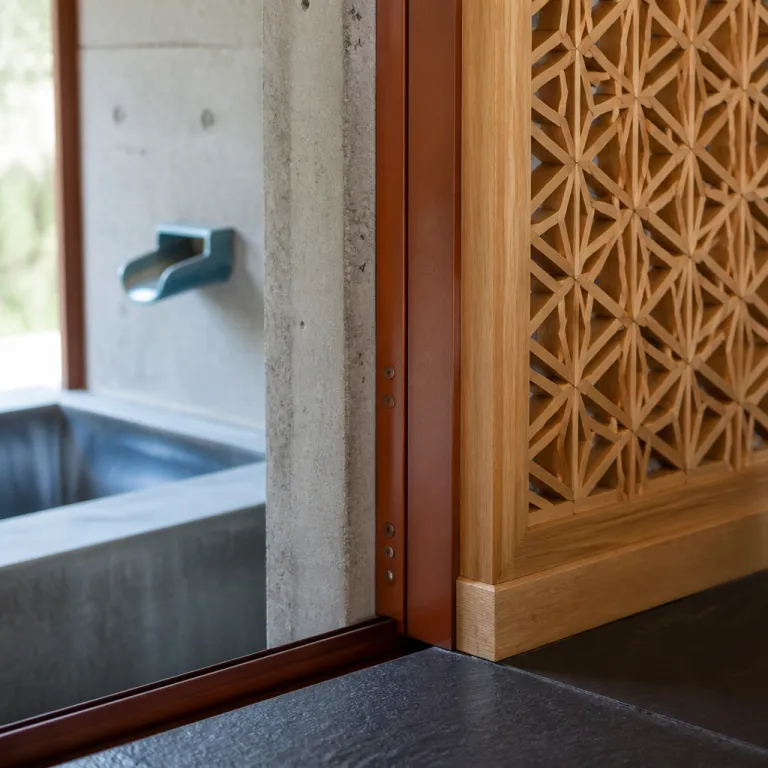
The 30 onsen, 30 cultures promise as a design stress test
KAI at thirty properties is not just another growth story in Japan ; it is the most ambitious onsen ryokan scaling experiment the country has seen. Hoshino Resorts has framed the hoshino kai ryokan expansion 2030 as “30 onsen ryokans, 30 onsen cultures”, which turns a development pipeline into a design discipline that every new general manager will feel in the tatami underfoot. For you as future guests, the question is simple yet sharp ; will each KAI feel like a singular spring ryokan rooted in its valley, or like one more polished tourism hotel in a growing chain of hotels.
Today KAI sits at around twenty three properties, with eight more set open across Kusatsu, Miyajima, Zao and Ureshino before the decade closes. This hoshino kai ryokan expansion 2030 is being delivered through both renovations of existing unique lodgings and new constructions, always under the same hotel brand umbrella that also carries Hoshinoya, Risonare and OMO. The risk is obvious ; when one brand stretches from ski resorts in Hokkaidō to city tourism hubs near Kansai Airport, the gravitational pull toward sameness grows stronger than the steam rising from any hot spring.
Hoshino Resorts argues that the 30 cultures framing is the antidote to that sameness, not a slogan pasted on a brochure. At KAI Kusatsu, for example, the planned Silk Art Rooms reference Gunma’s silk heritage, while KAI Zao will lean into Yamagata’s winter culture with design that speaks to snow, cedar and mountain onsen. If the hoshino kai ryokan expansion 2030 stays honest, each KAI will read its region as carefully as a kaiseki chef reads the seasons, and that is where the brand either becomes the Aman of Japan or proves that ryokan craft can scale without losing its soul.
For a business leisure traveler stepping off a flight at Kansai Airport and opening a booking app, this scale has a clear upside. One interface will soon connect you to thirty onsen ryokan properties across resorts Japan wide, from coastal KAI Anjin to island facing KAI Miyajima and snow bound KAI Zao. Yet the same consolidation that makes your booking frictionless also nudges KAI toward the Marriottisation of onsen, where the room categories feel familiar and the rituals risk becoming choreography rather than culture.
The internal tension is sharpened by the rest of the Hoshino portfolio. Hoshinoya properties operate as ultra composed resorts, while Risonare leans into family friendly design and OMO city hotels such as OMO Osaka target urban tourism with playful branding. When one company controls Hoshino Resorts, Hoshinoya, Risonare, OMO and KAI, the temptation is to let brand manuals dictate more than local artisans, yet the 30 cultures promise insists that each KAI must start from its onsen source and its village, not from a corporate template. For travelers who care about craft, the test is whether KAI remains the ryokan brand within this constellation of brands, or drifts toward being just another polished hotel.
Independent ryokan owners watch this hoshino kai ryokan expansion 2030 with a mix of admiration and unease. On one hand, inbound tourism and domestic demand for refined onsen experiences have been revived by Hoshino’s marketing reach, which lifts the entire market for traditional stays. On the other, when a single operator can place KAI properties in almost every major tourism region of Japan, from Tokyo accessible prefectures to remote hot spring valleys, the visibility gap between independents and a scaled hotel brand widens with every new opening.
For you, the traveler, the design question becomes a booking question. Do you choose a KAI because the brand guarantees a certain standard of futon, kaiseki and onsen, or because KAI Miyajima, KAI Anjin and KAI Zao each interpret their landscapes and cultures in ways no other onsen ryokan could. The answer will determine whether KAI at thirty properties feels like a collection of resorts kai in name only, or a true atlas of onsen cultures that still respects the intimacy of ryokan craft.
The kitchen question: can corporate kaiseki stay regional
Ryokan craft lives or dies in the kitchen, long before you slide open the shōji to your private onsen. KAI’s culinary program is famously rigorous, with chefs trained through a central curriculum that ensures every property can serve a multi course kaiseki that feels both accessible to international guests and faithful to Japanese seasonality. In the context of the hoshino kai ryokan expansion 2030, that central training is both a strength and a potential weakness ; it guarantees competence, yet it can flatten the wild edges that make regional kitchens unforgettable.
At its best, KAI uses the corporate backbone to support local nuance rather than erase it. A coastal property such as KAI Anjin can lean into seafood and maritime history, while KAI Miyajima can build menus around Seto Inland Sea produce and temple town traditions, all while staying within a recognizable KAI framework. The question is whether, as more resorts Japan wide join the portfolio, the menus will converge toward a safe middle that pleases the broadest tourism market, or whether each chef will be empowered to push deeper into local techniques and ingredients.
For travelers extending a business trip in Tokyo into a weekend at a spring ryokan, this matters more than you might think. You are not just booking a room ; you are booking a narrative told through dishes, from the first sakizuke to the final rice course, and that narrative should change as dramatically between KAI Zao and KAI Kusatsu as the landscapes themselves. If the hoshino kai ryokan expansion 2030 results in kaiseki that tastes interchangeable across properties, then the 30 cultures promise will have failed its most intimate test.
Hoshino Resorts is not blind to this tension. The company has long positioned KAI as the onsen ryokan brand that foregrounds regional culture, while Hoshinoya handles more globalized luxury and Risonare focuses on family friendly resorts with broader palettes. In practice, that means KAI kitchens are expected to work closely with local producers, fisheries and sake breweries, translating regional nature into plated experiences that feel specific rather than generic.
From a booking perspective, a consolidated platform that lists KAI, Hoshinoya, Risonare and OMO hotels side by side can either clarify or confuse. On a luxury and premium booking website for ryokans, KAI should be clearly signposted as the onsen focused brand, with filters that highlight kaiseki depth, local sourcing and seasonal menus, not just room size and onsen type. When you compare options, you should be able to see at a glance how KAI Miyajima’s kitchen differs from KAI Zao’s, and how both differ from a city tourism focused OMO Osaka or a design forward Hoshinoya in Tokyo.
There is also a broader industry context. Japan’s inbound tourism has surged, and with it the demand for curated onsen experiences that feel legible to first time visitors yet still authentic to long time Japan travelers. As more travelers use digital guides to understand how Japan’s high yield pivot is reshaping the ryokan you can actually book, the pressure on KAI to deliver both consistency and locality will only intensify, especially as independent ryokans struggle to match the marketing muscle of a scaled hotel brand.
For now, the most reliable signal remains specificity. When you read about KAI Kusatsu’s Silk Art Rooms or KAI Zao’s winter focused menus, you are seeing the 30 cultures idea expressed through both design and cuisine. If, over the next few years, property descriptions slide toward generic phrases about “seasonal Japanese cuisine” without naming rivers, farms or fishing ports, you will know that the hoshino kai ryokan expansion 2030 has started to prioritise scale over craft in the very place where ryokan hospitality has always been most exacting.
The onsen source and the booking app: where craft meets consolidation
Not all hot springs are created equal, and every serious ryokan traveler knows it. Some KAI properties sit directly on powerful onsen sources, drawing mineral rich water straight into indoor baths and open air rotenburo, while others rely on piped supplies that inevitably dilute the sense of place. As the hoshino kai ryokan expansion 2030 unfolds, the balance between source based onsen and piped solutions will quietly shape how deeply each property can claim to embody its local culture.
For a brand that defines itself as an onsen ryokan specialist, this is not a technical detail ; it is the core of the promise. When KAI Zao opens as a snow country retreat, guests will expect the water to feel as distinct as the Yamagata winter air, just as they will expect KAI Miyajima’s baths to echo the maritime climate of the Seto Inland Sea. If future KAI properties lean too heavily on piped hot spring arrangements, the 30 onsen, 30 cultures narrative risks becoming more about interior design than about the water that has always anchored ryokan life.
At the same time, Hoshino Resorts is building a digital spine to hold this growing body of properties together. One app and one booking engine will soon let you move from browsing ski resorts in Nagano to selecting an onsen ryokan near Kansai Airport for a final night before your flight, all under the same Hoshino login. That convenience is powerful, especially for business leisure travelers who want to pivot from city tourism meetings in Tokyo to a quiet night in nature without wrestling with multiple reservation systems.
Yet every layer of consolidation carries a cultural cost. When KAI, Hoshinoya, Risonare and OMO hotels all sit inside the same interface, the temptation is to standardise not just payment flows but also the way experiences are described, photographed and ultimately perceived. A ryokan stay risks being flattened into a product tile, another tourism hotel option in a scroll of resorts, unless the platform itself is designed to foreground the craft details that matter ; the onsen source, the kaiseki philosophy, the relationship with local artisans.
For travelers using a luxury and premium booking website for ryokans, the most helpful platforms will act less like online travel agencies and more like editors. They will explain why a property such as KAI Anjin belongs in a maritime narrative, how KAI Zao fits into a snow country itinerary, and where new entrants like Atona sit in the emerging landscape of design led onsen brands. In that context, the hoshino kai ryokan expansion 2030 becomes one storyline among several, and you can judge it against peers rather than in isolation.
There is also the question of how other Hoshino brands intersect with KAI’s growth. OMO Osaka, for example, targets city tourism with playful, neighbourhood focused stays, while Risonare properties lean into family friendly resorts Japan wide, and Hoshinoya operates at the apex of design driven luxury. As these brands expand alongside KAI, the company will need to keep the boundaries clear so that an OMO city hotel does not start borrowing onsen language, and a Risonare resort does not dilute the meaning of ryokan by overusing the term for marketing effect.
For you, the practical takeaway is to read beyond the brand name and into the onsen details. Look for whether the property sits on a natural source, how many baths it offers, and whether the design of the bathing areas reflects local geology and climate rather than a generic spa aesthetic. In a world where one app will soon sell you thirty KAI properties, the difference between a tourism hotel with a hot spring and a true onsen ryokan will be written in the water, not in the interface.
Independent ryokans, emerging destinations and the five year craft audit
As KAI marches toward thirty properties, the rest of the ryokan world is not standing still. Independent onsen ryokans in emerging destinations from Tōhoku to Shikoku are quietly refining their own offers, often with fewer rooms, deeper local roots and no intention of becoming a global hotel brand. For travelers who care about craft, the next five years will be less about choosing between KAI and non KAI, and more about understanding how scale, location and lineage intersect to shape the stay.
Hoshino Resorts has been explicit about its goals ; revitalise the ryokan industry, preserve onsen culture and attract global tourists through a modernised yet respectful approach. That ambition has already increased international awareness of onsen ryokan stays, lifting inbound tourism and domestic demand for nature focused experiences that go beyond standard tourism hotels. The hoshino kai ryokan expansion 2030 is therefore both a competitive challenge and a rising tide that can help independents, provided they find ways to remain visible in a market increasingly dominated by a few powerful brands.
One answer lies in editorial curation. Guides that map out the best ryokan in Hakone or trace how Japan’s high yield tourism pivot is reshaping the properties you can actually book give travelers a framework for comparing KAI with independents on more than price and photos. When you see KAI Miyajima listed alongside a family run inn in the same region, with clear notes on onsen source, kaiseki style and room layout, you are better equipped to decide whether the brand’s consistency or the independent’s idiosyncrasy suits your trip.
Another answer is to treat the 30 cultures promise as a checklist rather than a tagline. By the time KAI reaches thirty properties, you should be able to ask of each one ; does the architecture reflect local materials, does the kitchen express regional produce, does the onsen connect to a specific geological story, and does the staff narrative go beyond generic tourism scripts. If the hoshino kai ryokan expansion 2030 passes that audit, KAI will have proven that scale and craft can coexist in a way that even global players like Aman have rarely attempted within a single country.
Leadership will matter here. Yoshiharu Hoshino has long argued that KAI exists to modernise ryokan without erasing their essence, positioning the brand as a bridge between family lineage inns and international expectations of comfort. As more KAI properties set open in diverse regions, from coastal towns to ski resorts and inland valleys, the company will need to keep investing in local teams who understand not just hospitality operations but also the cultural codes of their communities. Without that, even the most elegant architecture risks feeling like a stage set rather than a lived in extension of the surrounding town.
For travelers, the most rewarding strategy is to mix and match. Use KAI as an anchor in regions where you want a reliable, design forward onsen ryokan, then pair it with a night or two at a smaller independent inn that offers a different reading of the same landscape. Over a week, you might move from a KAI near Tokyo to an independent property in the mountains, then back to a KAI close to Kansai Airport before flying out, building a personal map of how ryokan craft flexes across brands, scales and destinations.
In the end, the hoshino kai ryokan expansion 2030 will reshape the mental map of onsen travel in Japan, especially for business leisure travelers who value both efficiency and depth. Whether that map feels like a network of unique lodgings or a grid of interchangeable resorts will depend on how rigorously KAI lives up to its own 30 cultures standard, and how effectively independent ryokans articulate their difference in a market where one company’s logo is becoming almost as ubiquitous as the steam rising from the baths.
Key figures behind KAI’s expansion and the onsen ryokan market
- Hoshino Resorts currently operates around twenty three KAI onsen ryokan properties across Japan, with an official target of thirty properties by the end of the current expansion period, making it one of the largest dedicated onsen ryokan brands in the country (Hoshino Resorts official data).
- The 30 onsen ryokans, 30 onsen cultures initiative combines both renovation of existing ryokans and new construction projects, a dual approach designed to revitalise traditional properties while also entering emerging destinations where no comparable unique lodgings previously existed (Hoshino Resorts news release).
- The announced pipeline includes openings at KAI Kusatsu, KAI Miyajima and KAI Zao within the next few years, followed by KAI Ureshino, adding eight properties over roughly four years and accelerating the brand’s presence in both established and emerging tourism regions (Hoshino Resorts development timeline).
- Japan’s inbound tourism has rebounded strongly, with government tourism agencies reporting tens of millions of international arrivals annually in recent years, a trend that underpins rising demand for onsen ryokan stays and supports large scale projects such as the hoshino kai ryokan expansion 2030 (Japan National Tourism Organization data).
- Within the broader Hoshino Resorts portfolio, KAI sits alongside Hoshinoya, Risonare and OMO, giving the company a multi brand platform that spans luxury resorts, family focused properties and city tourism hotels, and allowing cross promotion that significantly increases visibility for KAI compared with independent ryokans (Hoshino Resorts corporate overview).
References and expert sources
- Hoshino Resorts official website and news releases on KAI expansion and property openings.
- Japan National Tourism Organization (JNTO) statistics on inbound tourism and regional travel trends.
- Ministry of Land, Infrastructure, Transport and Tourism (MLIT) reports on accommodation trends and regional revitalisation policies in Japan.