Why kinosaki onsen town ryokan guide starts with the canal
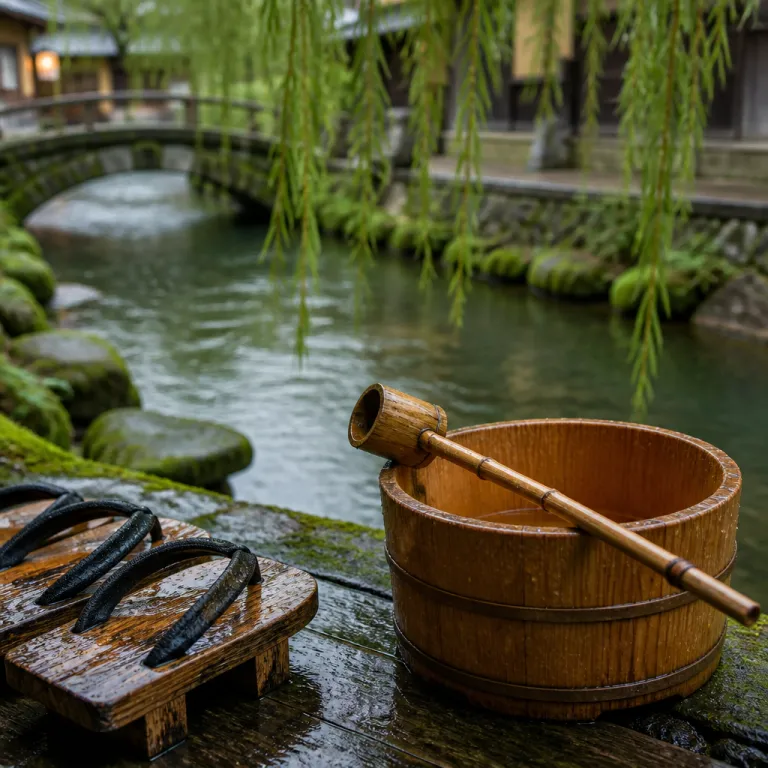
The first thing you notice in Kinosaki is the rhythm of the town. A willow lined canal runs for roughly one kilometre, and this soft spine turns the onsen town into a single, legible stage for your stay. For a solo traveler using any careful Kinosaki onsen accommodation guide, this clear layout makes a first hot spring trip in Japan feel calm rather than confusing.
Kinosaki sits in Toyooka City on the northern coast of Hyogo Prefecture in Japan, and the compact town centre folds easily between the train station and the seven public bathhouses. You step off the train from Kyoto or from the Kyoto Osaka corridor, walk less than 10 minutes, and the entire onsen town is already around you in a way that few other hot spring resorts manage. Limited express services such as Kinosaki, Hashidate and Kounotori typically take about 2.5 to 3 hours depending on departure point and time of day, which keeps the journey simple even for first time visitors.
The history runs back more than a millennium, and the town has been shaped around hot springs rather than the other way around. Instead of one dominant ryokan with a private outdoor bath hidden behind walls, Kinosaki Onsen treats the whole town as a single extended ryokan where the streets, the canal and the public bathhouses are shared living rooms. That cooperative structure underpins every smart Kinosaki onsen town ryokan guide and explains why repeat visitors say the town reads almost like a living Japan guide written in steam.
Seven baths, one culture : how the walk actually works
The Kinosaki Seven Bath Walk is not a marketing slogan ; it is a daily cultural practice. Local tourism materials define it clearly : "What is the Kinosaki Seven-Bath Walk?" and answer just as plainly, "A cultural practice of visiting seven public bathhouses in Kinosaki Onsen." That single sentence is the backbone of any honest Kinosaki hot spring town guide, because your stay is structured around these baths rather than around a single property.
Each ryokan in town issues a sotoyu meguri pass, which gives you access to all seven hot spring bathhouses during your stay. Recent guidance from Toyooka City tourism notes that the pass for overnight guests is typically bundled into room rates, while day visitors can purchase a similar ticket at the information centre or individual bathhouses for a modest fee. You change into a light yukata, slip on geta sandals, and walk from bath house to bath house, feeling the stone streets warm underfoot as steam drifts from roofs and vents. This is where Kinosaki differs sharply from Hakone or from the more scattered onsen towns near Kyoto Osaka, where guests often remain inside one property and never meet the town itself.
The seven baths each have a distinct personality that any precise guide should treat almost like a tasting menu. Goshono Yu offers a sense of imperial elegance with a generous outdoor bath, Ichino Yu feels more intimate with its cave like interior baths, Mandara Yu leans into the Buddhist legend that shaped its hot springs, while Satono Yu, Kono Yu, Yanagi Yu and Jizo Yu round out the circuit with different layouts and atmospheres. If you are planning a peak season detour from Kyoto, pairing a night here with a second stop from a peak summer ryokan strategy elsewhere in Japan can turn a simple trip into a layered onsen circuit.
Choosing your ryokan : where luxury means access, not isolation
Luxury in Kinosaki is not about a fortress like property ; it is about how gracefully your ryokan plugs you into the town. High end ryokans here rarely compete with the public bathhouses, because the onsen Kinosaki model assumes that the best baths are shared rather than hoarded. That cooperative mindset is why a thoughtful Kinosaki onsen town ryokan guide will focus on location, service style and dinner rather than on private pools.
Look first at distance from the train station and from the canal, because walking in yukata between baths is the essence of the stay. A ryokan two or three minutes from the main street lets you move easily between hot baths, sake bars and the quiet path up to Onsenji Temple without clock watching. For solo travelers, this proximity also means you can return to your room quickly after a late night soak, which matters more than an extra square metre of floor space.
Next, study how each property handles kaiseki dinner, because this is where premium ryokans in Japan justify their rates. Crab focused menus in winter, Tajima beef in other seasons and carefully balanced Japanese breakfasts turn the stay into a culinary guide Japan could be proud of. If you are travelling alone, read a specialist piece such as what actually changes when you book a room for one before you reserve, then use that lens to choose between more formal and more relaxed dining rooms. When comparing plans, confirm whether your sotoyu pass, local tax and seasonal menu upgrades are included or itemised, as this can subtly change the value of each offer.
Practical rhythm : trains, timings and the open closed dance
Reaching Kinosaki is straightforward, which is another reason every serious Kinosaki onsen town ryokan guide recommends it to first time visitors. Limited express trains run from Kyoto and from Osaka along the Japan Rail network, taking roughly two and a half hours to reach Kinosaki Onsen train station from Kyoto and a similar duration from Osaka depending on the service. You step out, see the station footbath steaming gently, and the town begins almost immediately, without the bus transfers that complicate other hot spring trips in Japan.
Because the town is compact, timing matters more than transport once you arrive. Check in at your ryokan usually falls in the mid afternoon, which leaves enough time for two or three baths before dinner if you move with intention. Day visitors can also enjoy the bathhouses, as local information makes clear with the simple reassurance, "Do I need to stay overnight to participate?" followed by, "No, day visitors can also enjoy the bathhouses." A simple itinerary might be: arrive around midday, store luggage at the station or tourism office, purchase a bath pass, visit two bathhouses in the afternoon, then return to the train after an early evening meal.
Bathhouse schedules follow an open closed rotation, and some facilities are closed Wednesdays or on other specific days, so you should always confirm the pattern at the tourism office or with your host. Official tourism guidance currently answers the phrase "Are the bathhouses tattoo-friendly?" with, "Yes, all seven bathhouses welcome guests with tattoos.", which makes Kinosaki unusually welcoming compared with many onsen towns. Policies, opening hours and pass prices can change, so it is wise to double check the latest details with the Toyooka City Tourism Association, Hyogo Tourism Board or Japan National Tourism Organization before you travel and build your own small Japan guide by noting which bath house offers your favourite outdoor bath, which one feels best in the morning and which one suits a late night hot soak after dinner.
Beyond the steam : temples, seasons and parallel onsen towns
Once you have settled into the rhythm of baths and yukata, the rest of the town starts to open quietly. A stone path climbs from the canal towards Onsenji Temple, which historically marked the spiritual gateway to the hot springs and still offers a calm counterpoint to the busy bathhouses. Walking this route at a slow pace, you feel how the town, the temple and the hot springs form a single narrative that any refined Kinosaki onsen town ryokan guide should treat as one story rather than three attractions.
Food seasons shape that story as much as architecture. Winter brings snow on the roofs and intense crab focused dinners, while warmer months shift attention to Tajima beef, river walks and occasional fireworks along the canal. Sake from local breweries in Toyooka City pairs naturally with both, and a quiet bar visit after your final bath can be as memorable as the hot water itself.
For travelers building a longer trip through Japan, Kinosaki sits comfortably alongside other refined onsen towns and cultural cities. You might pair it with Kanazawa, using an elegant Kanazawa places to stay guide to balance hot spring calm with art and gardens, or fold it into a broader circuit that includes Kyoto and smaller coastal towns. What matters is that Kinosaki Onsen, with its seven public bathhouses and its legible town plan, remains one of the most readable chapters in any personal guide Japan travelers write for themselves over time.
FAQ
Do I need to stay overnight in Kinosaki to enjoy the seven baths ?
You do not need to stay overnight in Kinosaki to enjoy the seven public bathhouses, because day visitors are explicitly welcomed. The official explanation states, "Do I need to stay overnight to participate?" and answers, "No, day visitors can also enjoy the bathhouses." That said, an overnight stay in a ryokan lets you use the bath pass more flexibly and experience both evening and early morning soaks.
Are the Kinosaki public bathhouses tattoo friendly ?
According to current local guidance, all seven public bathhouses in Kinosaki are tattoo friendly, which is unusual among traditional hot spring facilities in Japan. The information materials answer the question "Are the bathhouses tattoo-friendly?" with the clear statement, "Yes, all seven bathhouses welcome guests with tattoos." As with any policy, details may evolve over time, so checking the latest notes from the tourism office or your ryokan before visiting is sensible.
How many public bathhouses are there in Kinosaki Onsen town ?
Kinosaki Onsen town operates seven public bathhouses, often referred to collectively as the Seven Bath Walk. This number is confirmed by local tourism data that lists the "Number of public bathhouses" as seven baths in total. Each bathhouse has its own character, so most visitors try to sample at least three or four during a single stay.
Is Kinosaki a good first onsen town for solo travelers ?
Kinosaki is an excellent first onsen town for solo travelers because the layout is compact, the rules are clearly explained and the cooperative structure makes the whole town feel like one extended ryokan. The short walk from the train station to most properties reduces arrival stress, and the shared culture of strolling in yukata between baths creates a relaxed, communal atmosphere. Solo guests who value clarity and walkability often find Kinosaki easier to navigate than more dispersed hot spring regions.
When is the best time of day to visit the baths in Kinosaki ?
The best time of day to visit the baths in Kinosaki depends on your tolerance for crowds and your preferred atmosphere. Early mornings tend to be quieter, with softer light and more space in the indoor and outdoor pools, while evenings bring a livelier scene as guests in yukata move between bathhouses after dinner. Many repeat visitors plan one circuit before breakfast and another after the evening meal to experience both moods.
Sources
Japan National Tourism Organization (JNTO) ; Hyogo Tourism Board ; Toyooka City Tourism Association. For the latest information on tattoo policies, bathhouse opening days, sotoyu meguri pass prices and train timetables, consult current notices from these primary sources or the official Kinosaki Onsen tourism office before travelling.