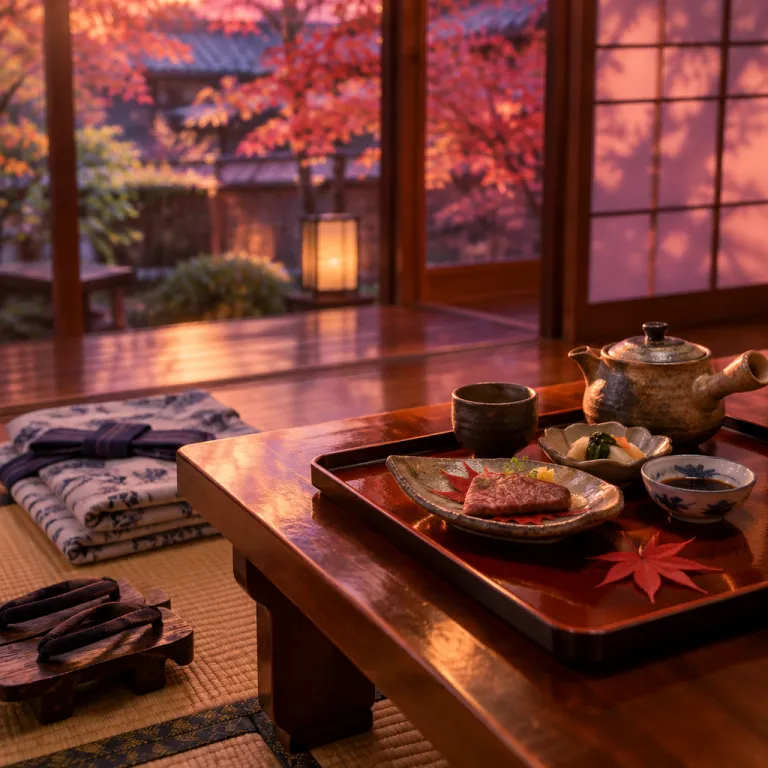
Why hiranoya kachoan is a refined choice in takayama
Hiranoya kachoan sits in the historic heart of Takayama, a compact property that feels quietly insulated from the busy public streets. This intimate ryokan is part of the respected Honjin Hiranoya group, giving guests the reassurance of long standing service standards while still feeling like a discreet hideaway in Hida Takayama. For travellers planning serious Japan travel focused on culture and hot springs, its location near Honmachi Takayama makes every stay both practical and deeply atmospheric.
The main appeal lies in how each room balances traditional Japanese style with contemporary comfort, so you never feel you have sacrificed ease for authenticity. Some rooms are pure Japanese style rooms with tatami, shoji screens, and futons, while others follow a Japanese Western layout that combines beds with a low seating area for tea. This mix of Japanese and Western style rooms allows different types of guests to choose the rhythm that suits them, whether they are new to ryokans or seasoned onsen devotees.
From the entrance, staff guide you smoothly through check in, explaining the shuttle service, meal times, and how to use the hot spring facilities. The ryokan’s shuttle connects the property with Takayama Station, which simplifies access for international guests managing luggage on Japan’s rail network. Once you reach the lobby, the quiet hum of conversation, the faint scent of hinoki wood, and the soft lighting all signal that this is a place designed for unhurried stays rather than quick overnight rooms.
Rooms, suites, and the art of japanese style comfort
Accommodation at hiranoya kachoan is built around the idea that a room should feel like a private retreat rather than a simple sleeping space. Standard Japanese style rooms are generous enough for couples or small families, with low tables that staff transform into futon beds after dinner, while larger Japanese Western rooms add Western style beds for guests who prefer familiar mattresses. In both types of rooms, sliding doors and alcoves frame views of Takayama or inner gardens, turning each stay into a quiet dialogue with the surrounding town.
For travellers seeking more indulgence, the ryokan offers suite options that elevate the experience far beyond typical rooms. A suite in Japanese style might include a semi open veranda facing a courtyard, while a Japanese Western suite can feature a spacious living area that separates the sleeping zone from the tea corner. At the top end, the imperial suite concept brings together a large style room, refined traditional Japanese décor, and often a room private hot spring bath that makes leaving the property feel almost unnecessary.
Many suites and higher category rooms integrate an open air bath or semi open air bath, allowing guests to soak in Takayama onsen waters without visiting the public bathing area. These room private hot springs are especially appealing for travellers who feel shy about communal bathing yet still want the full onsen effect. When you combine this with reliable in room internet access, careful non smoking room allocation, and attentive staff who anticipate needs, the result is a stay that feels tailored rather than standardized.
For readers comparing different hot spring destinations, it is worth exploring how a refined Kusatsu onsen ryokan escape in Japan’s most storied hot spring town contrasts with the more intimate scale of Takayama onsen; each region offers distinct bathing traditions and landscapes that can shape your wider Japan travel itinerary.
Hot springs, open air baths, and the rhythm of takayama onsen
The bathing experience is central to any stay at hiranoya kachoan, and the property treats hot springs as a daily ritual rather than a simple amenity. Shared indoor baths use Takayama onsen water, with separate facilities for men and women, and the design encourages guests to slow down, rinse carefully, and then sink into the steaming pools. For many visitors, alternating between the indoor hot springs and the outdoor open air baths becomes the highlight of their time in Takayama.
Open air baths at the ryokan are often framed by stone, wood, and seasonal plantings, so each soak feels connected to the climate of central Japan. Some semi open air baths are partially sheltered, giving guests protection from snow or rain while still letting fresh air circulate around the water. When you book a room private air bath or a suite Japanese layout with its own tub, you can recreate this atmosphere in your own space, which is especially appealing for couples or families who value privacy.
Because demand for hot spring rooms can fluctuate dramatically across the year, timing your stay in Takayama matters as much as room selection. Travellers who study seasonal pricing patterns often find that rates can drop significantly after peak holiday periods, and a detailed guide on where the September ryokan rate drops to half the August rate can help you align your budget with the most comfortable weather. Whether you choose a standard room or an imperial suite, planning around these rhythms lets you allocate more of your Japan travel budget to experiences such as sake tastings, guided walks through Honmachi Takayama, or side trips into the Hida Takayama countryside.
Dining, restaurant culture, and the pleasure of staying in
Meals at hiranoya kachoan are designed as multi course journeys through Hida Takayama’s produce, rather than simple hotel style dinners. Many plans include kaiseki served either in a dedicated restaurant space or directly in your room, which allows guests to dine in yukata and move seamlessly from meal to futon. Seasonal menus highlight Hida beef, mountain vegetables, and river fish, so each stay reveals a different side of central Japan’s culinary landscape.
The main restaurant areas are usually separated from the public entrance zones, which keeps the atmosphere calm even when the property is fully booked. Guests who prefer more privacy can request in room dining in certain Japanese style rooms or suites, while those in Western style rooms may enjoy the structure of set seating in the restaurant. Whatever the format, staff pay close attention to dietary needs, and advance check of allergies or preferences is strongly recommended when you confirm your reservation.
Between meals, a small shop inside the property sells regional sweets, local sake, and crafts from Honmachi Takayama, making it easy to bring a piece of your stay back home. Complimentary tea and sometimes free coffee in public lounges encourage guests to linger, read, or plan the next stage of their Japan travel while staying connected through stable internet access. Because the ryokan is non smoking in most interior spaces, with clearly designated smoking areas outside, the air in corridors and lounges remains fresh, which many international guests particularly appreciate.
Access, shuttle service, and navigating takayama with ease
Reaching hiranoya kachoan is straightforward for most guests, thanks to clear access routes from Takayama Station and the ryokan’s own shuttle service. After arriving by limited express train from Nagoya or Toyama, travellers can either walk through Honmachi Takayama’s atmospheric streets or use the shuttle, which is especially convenient in winter or with heavy luggage. The property’s location near the main sightseeing district means you can step from your room into the old town in just a few minutes.
For international visitors planning wider Japan travel, Takayama works well as a base between Tokyo, Kanazawa, and the Japanese Alps. The combination of traditional Japanese streetscapes, Takayama onsen bathing, and easy day trips into the Hida Takayama region gives each stay a satisfying balance of culture and nature. When you return to hiranoya kachoan after exploring, the contrast between the lively public streets and the quiet interior corridors reinforces the sense that your room is a sanctuary.
Within the property, signage in both Japanese and English helps guests navigate from rooms to baths, restaurant areas, and the shop without confusion. Non smoking policies are clearly marked, and staff are quick to guide smokers to appropriate outdoor spots so that shared spaces remain comfortable for everyone. If you are planning a multi stop itinerary that includes other refined ryokan stays, a detailed guide to Kyoto in November for discerning ryokan guests seeking refined autumn escapes can help you pair Takayama with other seasonal highlights across Japan.
Public spaces, etiquette, and what discerning guests should check before booking
Life at hiranoya kachoan unfolds across a series of carefully designed public spaces, from the entrance hall to lounges and corridors lined with art. These areas are not large, but their scale suits the modest number of rooms, so guests rarely feel crowded even at busy times. Soft lighting, natural materials, and the absence of background music in some corners create an atmosphere that encourages quiet conversation or simple contemplation.
Before confirming a stay, it is wise to check several practical details that can shape your comfort. Ask whether your preferred room type is Japanese style, Western style, or a Japanese Western hybrid, and confirm if it includes a semi open air bath or a fully open air bath, especially if a private hot spring is important to you. Clarify non smoking room availability, shuttle schedules, and whether your plan includes free access to certain facilities or special menus in the restaurant, as these details can vary between packages.
Etiquette also matters in a traditional Japanese property, particularly around hot springs and shared facilities. Guests are expected to wash thoroughly before entering public baths, to keep towels out of the water, and to move quietly in corridors so that others can rest in their rooms. By respecting these customs, you not only enhance your own stay but also contribute to the calm, respectful atmosphere that makes hiranoya kachoan and its sister Honjin Hiranoya properties so appealing to repeat visitors.
Key figures and travel statistics for planning a stay in takayama
- Takayama receives roughly 4 to 5 million visitors per year, with a significant share coming from overseas markets such as Europe, North America, and Southeast Asia, which means early booking at popular ryokans is strongly advised during spring and autumn (data from Gifu Prefecture tourism reports).
- Limited express trains from Nagoya to Takayama take about 2 hours and 20 minutes for a distance of roughly 150 km, making the town an efficient side trip within a one week Japan Rail Pass itinerary (based on JR Central timetable data).
- Average winter temperatures in Takayama often hover between −3 °C and 5 °C, creating ideal conditions for enjoying outdoor hot springs while surrounded by snow, according to the Japan Meteorological Agency’s long term climate statistics.
- Hida beef, a signature ingredient in many ryokan kaiseki dinners, must meet strict grading standards that classify marbling, colour, and texture, and only a fraction of regional cattle receive the highest grades used in premium ryokan cuisine (data from the Hida Beef Brand Promotion Conference).
FAQ: planning your hiranoya kachoan ryokan stay
How many nights should I stay at hiranoya kachoan ?
Two nights is ideal for most guests, as it allows you to enjoy multiple hot spring sessions, experience both dinner and breakfast kaiseki, and still have a full day to explore Takayama’s old town and nearby Hida villages. Shorter one night stays are possible but feel more like a taste than a full immersion. Longer three night stays work well if you plan day trips into the wider Hida Takayama region.
Are there non smoking rooms and clear smoking policies ?
Yes, hiranoya kachoan offers non smoking rooms and enforces non smoking rules in most interior public areas. Designated smoking spaces are usually located outdoors or in clearly marked sections, which keeps corridors and lounges comfortable for sensitive guests. Always confirm your preference for a non smoking room at the time of booking to avoid misunderstandings.
Is the ryokan suitable for guests new to japanese style accommodation ?
The property is well suited to first time ryokan guests because it offers both Japanese style rooms and Japanese Western or Western style rooms. Staff are accustomed to explaining how to wear yukata, how to use the baths, and what to expect from kaiseki meals. Choosing a Japanese Western room can be a gentle introduction, combining familiar beds with traditional Japanese elements.
Does hiranoya kachoan have reliable internet access for remote work ?
Most guests can expect stable internet access in rooms and public areas, which is sufficient for email, browsing, and standard video calls. However, the ryokan is designed primarily for relaxation rather than intensive remote work, so you should not rely on it for very high bandwidth tasks. If connectivity is critical, check current internet details directly with the property before confirming your stay.
How does hiranoya kachoan compare with larger resort style hot spring properties ?
Hiranoya kachoan is smaller and more intimate than large resort style hot spring complexes, with fewer rooms and quieter public spaces. This scale allows staff to offer more personalized service and creates a calm atmosphere, though it also means fewer on site entertainment facilities. Travellers who value privacy, attentive hospitality, and proximity to Takayama’s historic streets usually find this style of property more rewarding than expansive resorts.