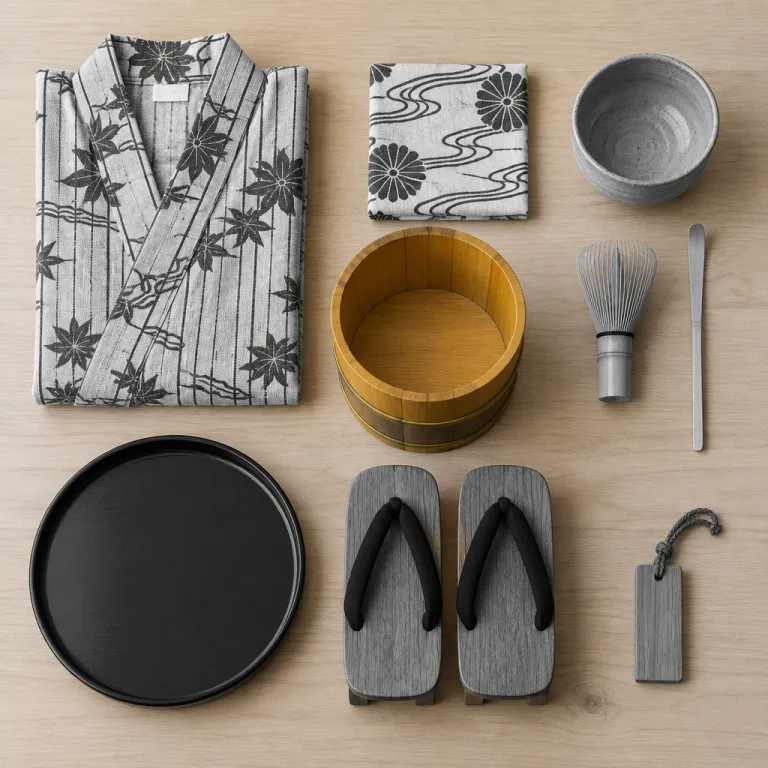
Why Sumiya Kihō-an is a refined Kyoto hideaway for ryokan lovers
Sumiya Kihō-an sits quietly in Yunohana Onsen, Kameoka City, Kyoto Prefecture (2-1 Hiedanocho Ashinoyama, Kameoka, Kyoto 621-0034), just beyond Kyoto, offering a refined ryokan experience that feels deeply rooted in traditional Japanese hospitality. This intimate hot spring inn balances a calm rural setting with easy access to the city, so you can plan a stay that combines countryside onsen time with urban culture in a single seamless itinerary. For travelers comparing Kyoto ryokan stays, Sumiya Kihō-an stands out as a place where every room and every bath is designed around slow time, soft light, and the changing seasons.
The ryokan is operated by the long-established Sumiya group, known for its historic Kyoto city ryokan, and the name Kihō evokes a sense of seasonal beauty that runs through the entire property. With around 27 guest rooms in total, many visitors choose a plan that includes both kaiseki dining and access to the onsen baths, creating a complete Japanese-style retreat without needing to leave the grounds. Because Kameoka is known locally for its hot springs, the natural hot spring bath water at Sumiya Kihō-an feels especially silky, and the open-air baths frame the surrounding hills in a way that feels quietly theatrical and distinctly rural Kyoto.
Rooms range from compact Japanese-style spaces to generous suite layouts, including categories with semi-open-air baths and terrace-style rotenburo, and each suite room is arranged to highlight the connection between tatami, shoji, and the private onsen experience. When you book a room with a private open-air bath, you gain the freedom to soak whenever the mood strikes, whether under morning mist or late-night stars. One repeat guest described the experience as “like having a tiny mountain hot spring all to ourselves,” and for many visitors this combination of traditional Japanese architecture, hot spring baths, and thoughtful service makes Sumiya Kihō-an one of the most appealing hidden gems near Kyoto for onsen-focused travel.
Rooms, suites, and private onsen: choosing the right plan for your stay
Every room at Sumiya Kihō-an is arranged in a traditional Japanese style, with tatami flooring, low furniture, and sliding doors that open toward nature. When you book, you can select a plan that focuses on a compact room open to a shared garden, or upgrade to a suite that includes a private onsen and more generous seating areas. The key is to match your travel rhythm with the right balance of space, privacy, and proximity to the baths so that your Kyoto onsen stay feels effortless.
Many travelers are drawn to the suite room categories that feature open-air baths, where the hot spring water flows directly into a stone or cypress tub on a terrace. These open-air bath spaces allow you to feel the cool night air against your skin while you soak, and the contrast between the warm spring bath and the crisp breeze is one of the great pleasures of staying in a rural Kyoto ryokan. Some suites, such as those inspired by the tsuki oboro concept of hazy moonlight, use soft lighting and natural textures to make the open-air terrace feel like an extension of the indoor living room, and photos of these rooms often highlight the moonlit reflection on the bath water.
Within the rooms, you will often find a massage chair positioned to face the garden, inviting you to unwind between visits to the larger communal baths. Guests who prefer non-smoking environments can request non-smoking room categories, while others may choose a plan Japanese option that includes both breakfast and elaborate dining courses served in the privacy of their room. For travelers researching unique places to stay in Japan, Sumiya Kihō-an often appears in curated selections of unforgettable ryokan journeys, precisely because its rooms and suites feel so carefully tuned to slow, restorative stays.
Onsen culture at Sumiya Kihō-an: from open-air baths to hidden footbaths
The heart of Sumiya Kihō-an is its onsen, where natural hot springs from Kameoka feed a series of indoor and open-air baths. Guests can move between larger communal baths and more intimate spring bath corners, letting the rhythm of soaking and cooling shape the day. Because the ryokan draws its hot spring water from a local source, the baths maintain a consistent mineral profile that regular onsen travelers often seek out when choosing a Kyoto-area hot spring inn.
In the main bathing areas, you will find both indoor tubs and open-air bath spaces that frame the surrounding greenery, allowing steam to rise into the cool air. The design encourages you to sit quietly, feel the air warm against your face while the rest of your body relaxes in the water, and listen to the subtle sounds of the garden. For guests who prefer more privacy, certain room categories include a private onsen, so you can enjoy a personal hot spring bath without leaving your suite room or adjusting to communal bath hours.
One of the more charming hidden gems at Sumiya Kihō-an is the footbath Honami, a small hot springs feature where you can soak your feet while remaining fully clothed. This Honami Japanese-style footbath is ideal between meals or after a walk, and it pairs beautifully with a cup of tea or a quiet book. Travelers planning peak-season trips often consult local advice on where to bathe when famous resorts are crowded, and Kameoka is frequently highlighted as a calmer alternative to more saturated hot spring destinations around Kyoto and Kansai.
Seasonal kaiseki and bath dining: how Sumiya Kihō-an elevates Japanese cuisine
Dining at Sumiya Kihō-an is structured around kaiseki, the multi-course Japanese meal that showcases seasonal ingredients from Kyoto and Kameoka. When you book your stay, you can select a plan Japanese option that includes both dinner and breakfast, ensuring that your culinary experience is fully integrated with your time in the baths. The chefs work closely with local producers, so the dining room becomes a quiet stage for regional vegetables, river fish, and delicately prepared hot dishes that change with the season.
Many guests choose in-room dining, where staff serve each course in your room open to the garden, allowing you to move between the table and the tatami seating at your own pace. Some plans include bath dining elements, where a light meal or snack is timed around your private onsen soak, creating a gentle flow between nourishment and relaxation. This approach to bath dining reflects a traditional Japanese understanding that hot spring bathing and carefully balanced food work together to restore the body during a ryokan stay.
The ryokan also pays attention to air quality and comfort in its dining spaces, with clear separation between smoking and non-smoking areas to keep the air fresh. In certain suite categories, a small dining corner is integrated into the suite room layout, so you can enjoy kaiseki in a more casual, lounge-like setting after a long day in the hot springs. For travelers curious about how to combine onsen stays with thoughtful cuisine, guides to serious hot spring bathing in high summer often mention the importance of light, seasonal dining, something Sumiya Kihō-an handles with particular finesse.
Wellness, relaxation, and the subtle luxuries of rural Kameoka
Beyond the obvious appeal of the hot spring baths, Sumiya Kihō-an builds a broader wellness experience around quiet, tactile comforts. The presence of a massage chair in many rooms encourages guests to release tension after long walks through Kyoto or Kameoka, turning the suite room into a small personal spa. Combined with the gentle heat of the onsen and the cool night air, this creates a layered sense of relaxation that goes beyond a simple hot bath and feels closer to a slow wellness retreat.
The Honami Japanese concept appears not only in the footbath Honami but also in the way fabrics, lighting, and materials are chosen throughout the ryokan. Corridors are softly lit, rooms use natural fibers, and the open-air spaces are arranged to let the breeze move freely, so the terraces feel both sheltered and connected to the landscape. Guests often comment that the air itself seems different here, carrying the faint scent of hot springs and forest, which deepens the feeling of stepping away from daily life into a quieter corner of Kyoto Prefecture.
Because Kameoka sits slightly higher than central Kyoto, evenings can feel cooler, making an open-air bath especially appealing after sunset. The combination of hot spring water, fresh air against your skin, and the quiet of the countryside is a powerful antidote to urban fatigue. For travelers who value subtle, sensory luxuries over overt glamour, Sumiya Kihō-an offers a style of wellness that feels authentically rooted in traditional Japanese ryokan culture and contemporary onsen travel trends.
How to book Sumiya Kihō-an and choose the best hidden gem plan
When you are ready to book Sumiya Kihō-an, start by deciding how much time you want to spend in your room versus exploring Kyoto and Kameoka. If your priority is the onsen, choose a plan that includes a private onsen or open-air bath attached to your suite room, so you can soak at dawn and late at night without watching the clock. Travelers who expect to be out during the day may prefer a simpler room open to the garden, paired with access to the larger communal baths and a focus on evening dining.
Most booking platforms will present several plan Japanese options, combining different meal arrangements, bath access, and room categories under clear names. Look for descriptions that mention suite layouts, tsuki oboro-inspired designs, or Honami Japanese touches if you want a more atmospheric stay, and always confirm whether your chosen room is non-smoking or allows smoking on the terrace only. Because Sumiya Kihō-an is a relatively small ryokan, the most sought-after rooms with private hot spring baths can fill quickly during peak foliage and cherry blossom seasons, and sample rates for popular weekends can rise significantly compared with midweek stays.
For travelers seeking hidden gems rather than crowded city stays, Kameoka offers easy train access to Kyoto while feeling worlds apart in terms of pace. From Kyoto Station to Kameoka Station, the JR Sagano Line (Sanin Main Line) takes roughly 20 to 30 minutes depending on the service, and a short taxi ride of about 10 minutes connects the station to the ryokan. Booking one or two nights at Sumiya Kihō-an as part of a longer Kansai itinerary allows you to experience both urban temples and rural hot springs without long transfers, and by choosing a thoughtful plan that balances room comfort, onsen access, and kaiseki dining, you turn a simple reservation into a quietly luxurious chapter of your Japanese journey.
Key figures and trends in Kyoto ryokan and onsen travel
- According to the Japan Tourism Agency, Kyoto Prefecture welcomed over 87 million domestic and international overnight guests in a recent pre-pandemic year, highlighting the strong demand for stays that combine cultural sightseeing with traditional Japanese accommodation. (Source: Japan Tourism Agency, "Survey of Overnight Travel Statistics," 2019.)
- Data from the Japan Spa Association indicates that there are more than 3,000 officially recognized hot spring areas across Japan, and rural destinations like Kameoka benefit from travelers seeking quieter hot springs away from major resort hubs. (Source: Japan Spa Association, official onsen area listings.)
- Surveys by the Kyoto City Tourism Association show that travelers who stay in a ryokan and experience kaiseki dining report higher overall satisfaction scores than those who choose only Western-style accommodation, underscoring the value of integrated bath and dining plans for Kyoto visitors. (Source: Kyoto City Tourism Association, visitor satisfaction surveys.)
- Industry reports on wellness tourism in Japan suggest that onsen-related travel continues to grow faster than the general tourism market, as visitors increasingly prioritize hot spring baths, massage facilities, and slow-paced rural stays when planning their Kyoto and Kansai itineraries. (Source: Japan Tourism Agency and regional wellness tourism white papers.)
FAQ about staying at Sumiya Kihō-an and booking a Kyoto ryokan
Is Sumiya Kihō-an suitable for first-time ryokan guests?
Sumiya Kihō-an works very well for first-time ryokan guests because staff guide you gently through Japanese-style customs such as wearing yukata, using the onsen, and timing kaiseki dining. Clear explanations in simple English help you understand bath etiquette, including how to wash before entering the hot spring baths. The atmosphere is relaxed rather than formal, so you can learn at your own pace without feeling self-conscious.
Do all rooms at Sumiya Kihō-an have private onsen baths?
Not every room at Sumiya Kihō-an includes a private onsen, so you need to check the room description carefully when you book. Suite room categories and certain suite layouts often feature an open-air bath on a terrace, while more compact rooms rely on access to the shared indoor and open-air baths. If a private hot spring bath is essential for you, choose a plan that clearly states in-room open-air bath or private onsen in the title.
How far is Sumiya Kihō-an from central Kyoto sightseeing areas?
Sumiya Kihō-an is located in Kameoka, which is reachable from central Kyoto by train in roughly 20 to 30 minutes, depending on the line and connection. From Kameoka Station, a short taxi ride brings you to the ryokan, allowing you to combine city sightseeing with rural hot springs in a single day. Many guests spend the day visiting temples in Kyoto, then return to the quiet of Kameoka for evening baths and kaiseki dining.
What should I know about onsen etiquette at Sumiya Kihō-an?
Onsen etiquette at Sumiya Kihō-an follows standard Japanese customs, including washing thoroughly before entering the bath, keeping towels out of the water, and maintaining a calm, quiet atmosphere. Swimsuits are not worn in the communal baths, and guests with tattoos should check current policies in advance, as rules can vary by ryokan. Staff are accustomed to international visitors and can explain any details you are unsure about before you enter the hot springs.
Are there non-smoking options and allergy-friendly meals available?
The ryokan offers non-smoking room categories and separates smoking areas from main dining and lounge spaces to keep the air comfortable. When you book, you can inform the property of dietary restrictions, and the kitchen will usually adapt kaiseki menus within the limits of traditional Japanese ingredients. It is best to communicate allergies clearly in advance, especially for seafood, gluten, or specific seasonings, so the team can adjust your plan Japanese dining experience appropriately.