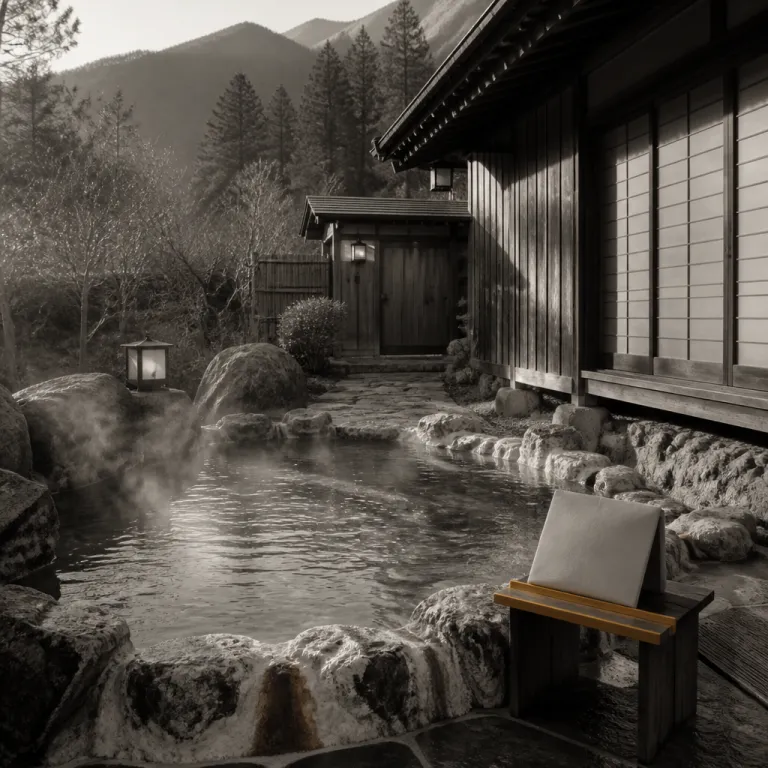
Why a luxury ryokan guest should care about onsen analysis cards
Step into a refined ryokan, slide open the shoji, and you will usually walk straight past the most important hot spring information in the building. Mounted discreetly near the entrance to the baths, the 温泉分析書 — the official onsen analysis card defined under Japan’s Hot Springs Law (Onsen Hō, Law No. 125 of 1948, administered by the Ministry of the Environment and local authorities) — quietly explains what kind of mineral rich water will be touching your skin and shaping your experience. For a traveler using a luxury and premium booking website for ryokans, learning to read this card turns an opaque regulation into a personal guide to Japanese hot spring water types that helps you choose the right property, the right pool, and even the right length of bathing session.
Japanese law requires every licensed onsen to post this mineral analysis, and local health departments and environmental agencies audit it regularly to protect guests. The process is rigorous: water sampling, laboratory testing, and data analysis are carried out with analytical instruments, then results are shared with public authorities to ensure that each hot spring meets safety standards and that onsen water is not over manipulated. This context matters when you compare ryokans in different onsen towns, because a facility that respects its spring sources and posts a clear, recent analysis card is usually the same kind of place that cares about quiet corridors, attentive kaiseki service, and genuinely restorative experiences across Japan.
Think of the card as a compact, technical portrait of the springs rather than a marketing image or brochure. It tells you whether you are about to enter a sulfur rich pool that smells of eggs, a chloride rich bath that feels like a warm sea, or a bicarbonate rich tub that leaves the skin almost slippery and polished. For a solo explorer planning travel across several prefectures, this reference lets you match specific hot spring categories to your own health and comfort goals, whether that means easing blood pressure concerns, protecting sensitive skin, or simply finding the most atmospheric open air bath where the steam rises and the town disappears into the night.
Key fields on the onsen card: pH, temperature, and mineral families
Start with the basics on the onsen analysis card: pH, source temperature, and total dissolved minerals define how the water will feel in the bath. The pH number tells you whether the spring water is acidic, neutral, or alkaline, and that single figure can mean the difference between a sharp, almost tingling bathing experience and a silky, skin conditioning soak that feels like a beauty treatment. Strongly acidic waters, such as those in Kusatsu Onsen or the intense flows at Tamagawa, can be invigorating but will challenge sensitive skin if you stay in the hot baths too long or repeat sessions without breaks.
Next, look at the 源泉温度 — the temperature at the spring sources before any cooling or heating — which is especially relevant in classic hot springs Japan destinations like Noboribetsu Onsen or Kurokawa Onsen. A source temperature above roughly 60 °C usually means the ryokan must cool the onsen water, either by blending with colder waters or by exposing it to air in open air pools, while a lower temperature may require gentle heating that should be clearly noted on the card. When you compare properties on a booking platform, a facility that can offer gensen kakenagashi, meaning natural flow without recirculation or heavy dilution, often provides a more vivid sense of place than a complex system of pumps and reheaters.
Mineral composition appears next, grouped into families that shape both feel and potential health benefits, and this is where the classification of onsen water types becomes truly practical. Sulfur springs often look milky and smell distinctive, chloride springs feel like a warm ocean and help retain body heat, bicarbonate springs are the so called beauty baths that leave the skin smooth, while iron rich waters stain tubs reddish and feel heavy yet grounding. Many Japanese hot spring associations note that common bathing temperatures cluster around 40–42 °C, but the card in front of you tells you exactly how this particular bath in this particular prefecture will behave during a long toji style stay, and you can read more about extended immersion culture in this detailed piece on three nights in one onsen.
To make this concrete, imagine a typical analysis summary: pH 2.2 (strongly acidic), source temperature 68.5 °C, total dissolved solids 1,800 mg/kg, with major ions such as chloride (600–900 mg/kg), sulfate (300–500 mg/kg), bicarbonate (under 50 mg/kg), and measurable sulfur and iron. Another card might show pH 8.6 (alkaline), source temperature 41.0 °C, total dissolved solids 500–700 mg/kg, and higher bicarbonate (200–350 mg/kg) with gentle sodium and calcium levels. Even without reading Japanese, those numbers tell you whether you are stepping into a bracing, medicinal style bath or a softer, skin friendly pool suited to longer soaks.
Sulfur, chloride, bicarbonate, iron: how each onsen water type feels
Once you understand the headings, the real pleasure of the onsen analysis card lies in matching mineral types to sensory expectations before you undress. Sulfur rich onsen water, often labeled 含硫黄泉, may appear cloudy or milky, and the card will usually list sulfur ions alongside a note about antibacterial properties and potential benefits for certain skin conditions. As summarized in Ministry of the Environment guidance on hot spring classifications, sulfur is associated with keratolytic and antibacterial effects, but these are traditional indications rather than guaranteed medical outcomes.
Chloride springs, common in coastal prefectures and in classic destinations like Arima Onsen, feel like a gentle, hot sea and are often recommended for those who chill easily, because the salts help the body retain warmth after bathing. Bicarbonate springs, sometimes called 美人の湯 or beauty baths, leave the skin feeling slippery and polished, and the analysis card will show significant bicarbonate ions alongside calcium or sodium, which is why many ryokans with a spa and wellness focus highlight these waters in their property descriptions. Iron rich hot springs, which you may encounter in parts of Kinosaki Onsen or in some pools at Dogo Onsen, stain tubs and rocks a deep orange red, and the card will list iron content clearly while official FAQs from local tourism boards emphasize that iron rich onsen water is generally considered safe for healthy adults when used as directed.
In volcanic regions such as Hakone, where the caldera hosts multiple spring sources, the card becomes a map of micro geology rather than a single label. One ryokan may draw slightly alkaline spring water ideal for long, gentle baths, while another a few hundred meters away channels acidic waters that feel sharper and more medicinal, and both must post separate analyses even if they share the same postal address in Kanagawa Prefecture. When you read a detailed review of a property like Hakone Hotel Kowakien, pay attention to how the writer describes the feel of the baths, then cross reference that language with the mineral families listed on the onsen card when you arrive.
Acidic versus alkaline, natural flow versus engineered baths
For a solo traveler curating a sequence of onsen experiences Japan wide, the most practical distinction on the analysis card is often between acidic and alkaline waters. Strongly acidic springs, such as those in Kusatsu Onsen, can be extraordinary for short, bracing immersions, but alternating them with equally intense alkaline baths in a single day can be hard on the skin and on blood pressure regulation. When you plan a multi night stay through a luxury booking website, consider alternating days rather than hours if you want to sample both extremes of spring water chemistry.
Alkaline waters, especially those with a pH above 8, tend to feel soft and almost viscous, making them ideal for longer, meditative bathing sessions in both public baths and private onsen suites. The analysis card will show relatively low free hydrogen ions and often highlight bicarbonate or simple spring water profiles, which many ryokans market as gentle on the skin and suitable for guests new to onsen Japan culture. If you have sensitive skin or are concerned about blood pressure, staff can help interpret the card and suggest shorter or cooler baths, and you should always remove silver jewelry to prevent tarnishing in sulfur baths as official guidance recommends.
Another crucial line on the card indicates whether the facility uses 源泉掛け流し, meaning natural flow directly from the hot spring without recirculation, or whether the water is heated, cooled, or diluted before reaching the baths. A gensen kakenagashi system, common in carefully managed onsen towns like Kurokawa Onsen or some pools in Noboribetsu Onsen, usually means the waters feel more alive, with subtle temperature shifts and mineral scents that change through the day. Engineered systems that reheat or filter the onsen water can still offer excellent hygiene and comfort, but the card lets you see exactly how much intervention stands between the spring sources and the bath where you will sit under the open air sky.
Using the onsen card to choose the right ryokan, room, and ritual
On a luxury and premium booking website for ryokans, every property promises a unique onsen experience, but the analysis card is what allows you to match those promises to your own needs. If you know that long sessions in very hot springs leave you light headed, look for cards that show moderate source temperatures and note that the baths are cooled or mixed with gentler waters, especially when planning extended toji style stays. Guests with sensitive skin might prioritize bicarbonate rich or mildly alkaline spring water, while those seeking muscular relief after long travel days may prefer chloride rich baths that hold heat and soothe deep into the evening.
Room selection also benefits from a close reading of the card, particularly when you are choosing between suites with private onsen and access only to shared public baths. A private onsen attached to your room in a ryokan in Kinosaki Onsen or Dogo Onsen may draw from the same spring sources as the main pools, but the card will tell you whether the water is delivered at full strength or slightly diluted for comfort and safety. If you are traveling with children or older relatives and weighing different room types, this decision tree for choosing a ryokan with children pairs well with a careful look at water temperature and mineral content on the posted guide.
Finally, the card helps you shape a personal bathing ritual that respects both your body and the spring, whether you are in Arima Onsen, Noboribetsu Onsen, or a quieter town near a rural station. Short, repeated immersions in hotter baths can be more effective and safer than a single long session, especially in waters that affect blood pressure or in high altitude onsen towns where the air is thin. By reading the onsen water information on the wall before you undress, you turn a regulatory document into a private concierge, one that quietly advises when to enter, how long to stay, and which baths to visit at different moments of your stay.
From Hakone to Noboribetsu: regional contrasts and practical booking tips
Regional variation is where the onsen analysis card becomes a true travel tool rather than a mere safety notice. In Hakone, for example, the caldera hosts multiple spring sources with radically different mineral profiles, so two ryokans in the same town can offer entirely different baths even if they share similar images of mist and cedar tubs. One property may lean into sulfur rich, slightly acidic waters that feel sharp and invigorating, while another emphasizes bicarbonate rich, alkaline springs that suit long, reflective soaks after late arrivals at the station.
Head north to Noboribetsu Onsen in Hokkaido and you encounter a dramatic palette of hot springs Japan is famous for: milky sulfur pools, iron tinged baths, and chloride rich waters that feel almost like a natural spa circuit. Here, the analysis cards read like tasting notes, and a luxury booking website that lists specific mineral types and spring water temperatures gives you a more honest sense of the experiences Japan can offer than any generic wellness label. In Kyushu, Kurokawa Onsen and other onsen towns often emphasize open air rotenburo surrounded by forest, and the cards help you understand whether those tranquil pools are fed by a single concentrated hot spring or by blended waters from several sources.
When you compare ryokans in Arima Onsen, Kinosaki Onsen, or Dogo Onsen, pay attention to how clearly each property explains its onsen water and whether it shares translated summaries of the analysis card. A ryokan that takes the time to interpret pH, mineral content, and health benefits for international guests usually shows the same care in kaiseki pacing, futon preparation, and quiet overnight service. For a solo explorer, that level of transparency turns a simple bath into a considered ritual, and the posted hot spring analysis on the wall becomes as essential as the room key in your hand.
FAQ
How can I quickly tell if an onsen is sulfur rich?
Look at the onsen analysis card for sulfur ions and terms such as 含硫黄泉, then compare that to what you see and smell in the baths. Sulfur rich waters often appear milky or cloudy, and official guidance from the Ministry of the Environment notes that mineral content, such as sulfur, can cause water to appear opaque or whitish. If you wear silver jewelry, remove it before bathing because sulfur can tarnish metal surfaces.
Are there specific health benefits linked to different onsen water types?
Different mineral profiles are associated with different traditional indications, which are summarized on the analysis card under therapeutic uses. Sulfur springs are often linked to certain skin conditions, chloride springs to warmth retention, bicarbonate springs to smoother skin, and iron rich waters to support for circulation in some local explanations. These are general tendencies drawn from Japanese hot spring manuals rather than medical prescriptions, so guests with serious conditions or blood pressure concerns should consult a doctor before planning intensive bathing routines.
Is it better to choose a ryokan with natural flow onsen water?
Natural flow, or gensen kakenagashi, means the onsen water runs from the spring sources through the baths without recirculation, which many enthusiasts value for freshness and character. The analysis card and facility notes will indicate whether water is used in this way or is heated, cooled, or filtered, and both approaches can be safe when properly managed. For guests seeking the most vivid sense of place, natural flow systems in carefully maintained onsen towns often feel more atmospheric, especially in open air pools.
How long should I stay in a hot spring bath?
Most ryokans suggest short sessions of 5 to 10 minutes in very hot baths, especially in strongly acidic or mineral dense waters, followed by rest and hydration. The analysis card helps you judge intensity by showing temperature and mineral concentration, which you can use to adjust your own routine. If you feel light headed or notice your heart rate rising, leave the bath immediately, cool down, and consult staff if symptoms persist.
Who checks that onsen water is safe to bathe in?
Onsen facility operators work with local health departments and environmental agencies to sample and test the water regularly, and health inspectors review the results to ensure compliance with regulations. The dataset behind each analysis card comes from laboratory testing with analytical instruments, not from marketing claims, and results are posted publicly to enhance visitor trust. This system is why you can rely on the 温泉分析書 as a factual guide to Japanese hot spring water whenever you step into a new ryokan bath.
Medical disclaimer: Information about therapeutic effects of onsen water in this article reflects traditional Japanese classifications and general guidance from public agencies. It is not a substitute for professional medical advice, diagnosis, or treatment. Always consult a qualified healthcare provider about any health condition before using hot springs for wellness purposes.