Tsuyu as the insider’s window: why japan rainy season ryokan tsuyu travel works
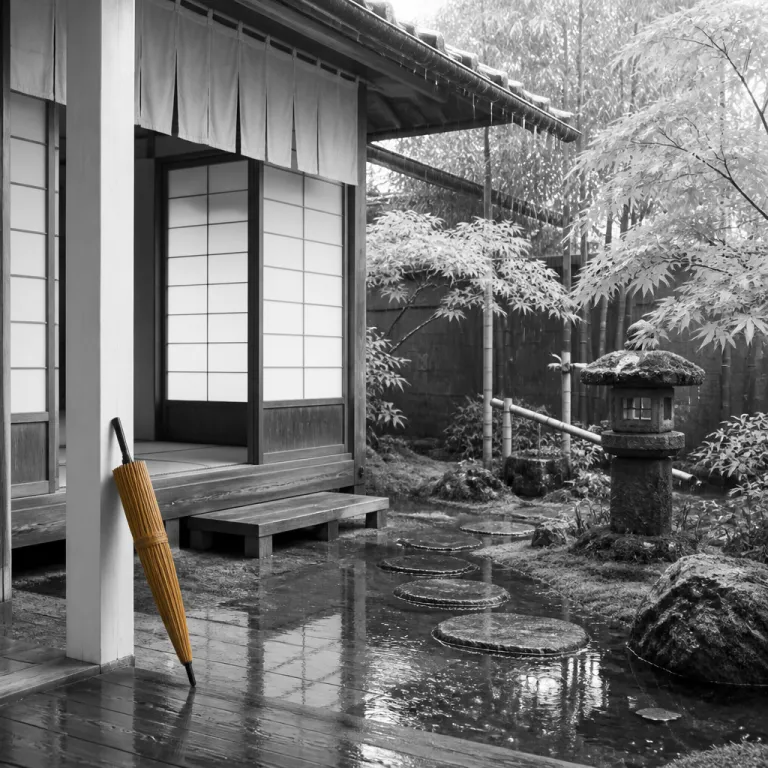
Tsuyu, the plum rain season in Japan, turns a ryokan stay into something quietly theatrical. When the rainy season settles over Japan in early June, steam from the onsen rises into cool wet air while rain traces silver lines across stone basins and cedar eaves. For couples planning a romantic escape during Japan’s early-summer rains, this is the time when the garden, the bath, and the kaiseki menu align with the rhythm of the weather.
On paper, this is simply the rainy season in Japan, with the Japan Meteorological Agency defining the average start of Tsuyu in the Kanto–Koshin region (including Tokyo) around 7–8 June and the end around 19–21 July, and in the Kinki region (including Osaka and Kyoto) from roughly 6–7 June to 19–21 July, based on 1991–2020 climatological normals reported by JMA. In practice, those rainy days mean quieter corridors, more attentive staff, and a level of calm that is hard to find during cherry blossom or Golden Week, when every day will feel like a festival rather than a retreat. JMA climate statistics show that Tokyo’s average June precipitation for 1991–2020 is approximately 167 mm and July’s is about 153 mm, while Osaka records around 186 mm in June and 157 mm in July, and local tourism agency data for prefectures such as Kyoto and Kanagawa indicate that occupancy at traditional inns can fall by 10–25 percent compared with peak sakura or autumn foliage periods. That combination of steady rainfall and softer demand is why serious ryokan travelers treat Tsuyu as the most atmospheric time to visit Japan rather than a season to avoid.
Think of Tsuyu as the season Japan reserves for people who care about the details of hospitality. A rain day softens the light through shoji screens, and the sound of steady rain outside makes the futon ceremony feel even more cocooning. If you plan your stay for early June or late July shoulder dates within the official Tsuyu window published by the Japan Meteorological Agency, you often secure lower rates, better room categories, and more flexible kaiseki timings over several days, especially at countryside properties that lean into the mood of the rain.
Tokyo to Kyoto in the rain: where tsuyu flatters the ryokan
Between Tokyo and Kyoto, Tsuyu changes which ryokan shine brightest and which feel merely wet. In Tokyo, urban ryokans lean into indoor rituals during the rainy season, with longer kaiseki dinners, extended tea services, and private onsen slots timed to the heaviest rain day. A well run property will use this early-summer window to showcase seasonal ingredients such as ayu and hamo, turning a rainy day into a culinary event that feels specific to the season. At high-end city ryokans in Tokyo’s Taito and Chiyoda wards, booking data from major Japanese reservation platforms and metropolitan tourism reports show that June and early July often sit below peak occupancy, which gives chefs and staff more bandwidth to personalize menus and pacing for guests who travel during Tsuyu.
Kyoto’s ryokans, by contrast, become stage sets for moss and stone once the rain arrives in June and July, and the best addresses sit near temple districts where hydrangea and wet stone lanterns frame your walk back from the bath. On a typical series of rainy days in Kyoto, the garden paths glisten, your geta click against damp flagstones, and staff quietly line up umbrella stands at the genkan so that every guest steps into the weather with grace. Prefectural visitor statistics for Kyoto regularly show that June and early July ryokan stays trail the peaks of April and November, which means more availability at long-established inns in districts such as Higashiyama and Arashiyama. For couples planning a combined Tokyo–Kyoto itinerary, traveling during Tsuyu makes sense when you want culture-heavy days in Kyoto and more flexible indoor options in Tokyo.
Beyond the big two, mountain ryokans in Hakone, Nikko, and the Kii Peninsula are arguably the purest expression of the rainy season in Japan, because the onsen and the landscape are inseparable. In these places, a rotenburo during Tsuyu is not just a bath but a sound installation, with rain on leaves, distant river noise, and the hiss of hot water meeting cool wet air. If you are tempted by classic onsen towns, study a detailed guide to Kinosaki’s seven bath walk and other historic hot spring districts, where a light rain jacket and waterproof shoes turn a sequence of short wet walks into part of the ritual. Regional tourism offices in Hyogo, Kanagawa, Tochigi, and Wakayama publish monthly accommodation statistics that consistently show softer occupancy for June compared with the cherry blossom and foliage peaks, which is why regular onsen travelers quietly favor this rainy season window.
Rates, availability, and the quiet luxury of rainy days
From a booking perspective, early-summer ryokan trips are when the numbers finally favor the guest. With the Japan Meteorological Agency marking Tsuyu from early June to around late July in most of Honshu, many domestic travelers avoid this season, and occupancy at traditional properties can fall by roughly one to two tenths compared with peak foliage or cherry periods, according to local tourism board reports and Japan Tourism Agency accommodation surveys. That drop in demand translates into rate reductions that often sit in the low double digits at many luxury ryokans, especially for stays outside weekends and public holidays such as Golden Week.
Lower occupancy during the rainy season in Japan does more than trim the bill, because it also changes the feel of the property. Fewer guests mean quieter shared baths, more availability for private rotenburo slots, and staff who have the time to adjust your kaiseki pacing to the rhythm of the rain day outside. When you reserve several nights rather than a single stay, you can often secure better room categories or added amenities, particularly in early June or early July when demand is softest and managers are keen to reward longer bookings. Booking-platform trend reports for onsen regions such as Hakone, Nikko, and Kinosaki regularly note that multi-night stays during Tsuyu receive a higher share of upgrades and value-added packages than equivalent bookings in April or November.
There is also a regulatory and cost context that serious travelers should understand, especially if they plan to visit Japan repeatedly. Policy changes such as the nationwide departure levy for international travelers, sometimes called the sayonara tax and set at 1,000 yen per person since its introduction in January 2019, have made timing more strategic for those who care about total trip cost rather than just the nightly rate. For couples who already budget for that fixed departure charge, shifting their visit into Tsuyu can be a rational way to offset fees with lower accommodation costs while still enjoying high end service and attentive hospitality.
What to pack, how to move, and when Tsuyu is not for you
Packing correctly is what separates a serene rainy-season ryokan experience from a damp compromise. At minimum, you need a compact umbrella, a light but reliable rain jacket, and waterproof shoes that you can slip on and off easily at the genkan, because you will be moving between indoor and outdoor spaces many times a day. Quick drying fabrics for travel days, plus a spare set of clothes in your daypack, mean that a sudden rainy day or two will not derail your plans.
Think about the rhythm of the season Japan offers during Tsuyu rather than fighting the weather. Early June often brings gentler rain and more stable weather patterns, while late July can feel heavier and more humid, especially in low lying cities such as Tokyo. If you are sensitive to humidity, consider mountain regions or coastal ryokans with strong ventilation rather than dense urban neighborhoods, and plan your most active time to visit Japan for mornings when the air is cooler and paths are less wet. JMA’s regional climate tables for Kanto, Kansai, and Chubu confirm that average relative humidity and minimum temperatures rise steadily from early June into July, which is why seasoned travelers often schedule longer walks and temple visits for earlier in the Tsuyu period.
Honesty matters here, because extended stays during the rainy season are not for everyone. Some travelers will not enjoy the consistently wet conditions, the occasional intense rain day, or the way heavy rain can limit long hikes and certain outdoor excursions. As one practical answer from local tourism guidance puts it, “Is Tsuyu a good time to visit Japan? Yes, for fewer crowds and cultural experiences.” For visitors who prioritize blue skies, alpine trekking, or beach time over onsen steam and indoor rituals, another time to visit Japan may be more suitable than the contemplative, rain-soaked weeks of Tsuyu.
FAQ
Is Tsuyu really a good time to visit Japan for ryokans ?
For travelers focused on ryokans, Tsuyu is often an excellent time to visit Japan because occupancy drops and the atmosphere becomes more contemplative. The rainy season in Japan enhances gardens, onsen steam, and indoor rituals, which are central to the ryokan experience. If you value calm over clear skies, this early-summer window can be the most rewarding period to book traditional inns, especially in regions where Japan Meteorological Agency data confirm a defined Tsuyu season and tourism statistics show softer demand.
What should I pack for a ryokan stay during the rainy season ?
Pack a compact umbrella, a breathable rain jacket, and waterproof shoes that are easy to remove at entrances. Quick drying layers help on travel days, while a small dry bag keeps phones and passports safe during sudden rain. Ryokans usually provide yukata and indoor slippers, so focus your packing on staying comfortable and dry between properties, particularly if you plan to move between Tokyo, Kyoto, and onsen regions during the heart of the rainy season in Japan.
Are ryokans cheaper during Tsuyu compared with other seasons ?
Rates at many premium ryokans tend to be lower during Tsuyu than during cherry blossom, autumn foliage, or Golden Week peaks. With fewer domestic and international visitors, properties often release better rooms at softer prices, especially for stays of two or more nights. Japan Tourism Agency accommodation surveys and regional tourism board reports frequently show that June and early July average daily rates sit below those of April and November, which makes the rainy season attractive for couples seeking luxury without peak season premiums.
How does the weather affect daily plans in Tokyo and Kyoto during Tsuyu ?
In both Tokyo and Kyoto, rain usually falls in steady showers rather than constant storms, so you can structure your days around indoor activities and short walks. Museums, tea houses, covered shopping streets, and long kaiseki lunches work well on a rain day, while early mornings often offer lighter showers for temple visits or garden strolls. Planning flexible itineraries and accepting a few fully rainy days is key to enjoying city breaks and ryokan stays during this season, and checking Japan Meteorological Agency forecasts each evening helps you match your plans to the next day’s rainfall pattern.
Do I need to worry about extreme weather or typhoons during Tsuyu ?
Tsuyu is defined by persistent rain and high humidity rather than by frequent typhoons, which are more common from August to October according to Japan Meteorological Agency typhoon statistics. The Japan Meteorological Agency issues clear forecasts and advisories, so checking their updates before travel days helps you avoid disruption. For most ryokan guests, the main concern is staying comfortable in wet conditions rather than dealing with severe storms, and reputable properties in onsen regions are accustomed to adjusting meal times and transport support around heavier rain.
References
- Japan Meteorological Agency (seasonal outlooks, Tsuyu onset and end dates, rainfall and humidity statistics for 1991–2020 normals)
- Japan Tourism Agency (domestic travel trends, accommodation surveys, and occupancy data by prefecture and season)
- Local prefectural tourism boards for Tokyo, Kyoto, Kanagawa, Hyogo, Tochigi, and Wakayama (regional visitor reports and monthly ryokan statistics)