Reading a summer ryokan in Japan: how July quietly rewrites the rules
High summer in Japan changes a ryokan more than any other season. The heat, the humidity and the end of the rainy season in early July force every serious property to rethink air, light and water, which is why a carefully planned summer ryokan stay in Japan during July feels so distinct. If you want the best balance of atmosphere, value and calm, this is the time to book a ryokan stay with intent rather than by habit.
Start with the calendar, because timing shapes everything about your ryokan experience. June still belongs to the rainy season, so staying at a ryokan in that month means softer light, lush moss and more hot water time in the indoor bathing area, while July brings clearer skies, festivals and warmer onsen water that feels almost silky against the skin. According to long term climate data from the Japan Meteorological Agency, many Honshu cities see sunshine hours and average temperatures rise sharply between late June and mid July, and July also sits between the early summer rush and the mid August peak, so your booking window is wider and the same rooms in the same properties will often be priced more gently.
For couples planning a romantic ryokan stay, the gap between Tanabata on 7 July and the Obon holidays in mid August is the strategic sweet spot. This is when a ryokan in Japan will often release its best river facing rooms and suites, and when a premium property can still confirm a private onsen or a kaiseki dinner on the terrace without requiring months of advance notice. A thoughtful booking during this period turns a generic summer trip into a precise, seasonally tuned ryokan holiday in Japan, aligned with the climate instead of fighting it, and gives you a distinctly Japanese summer ryokan Japan experience in July without the most intense crowds.
Natsuzashiki and the summer room: how sudare change the way you feel the heat
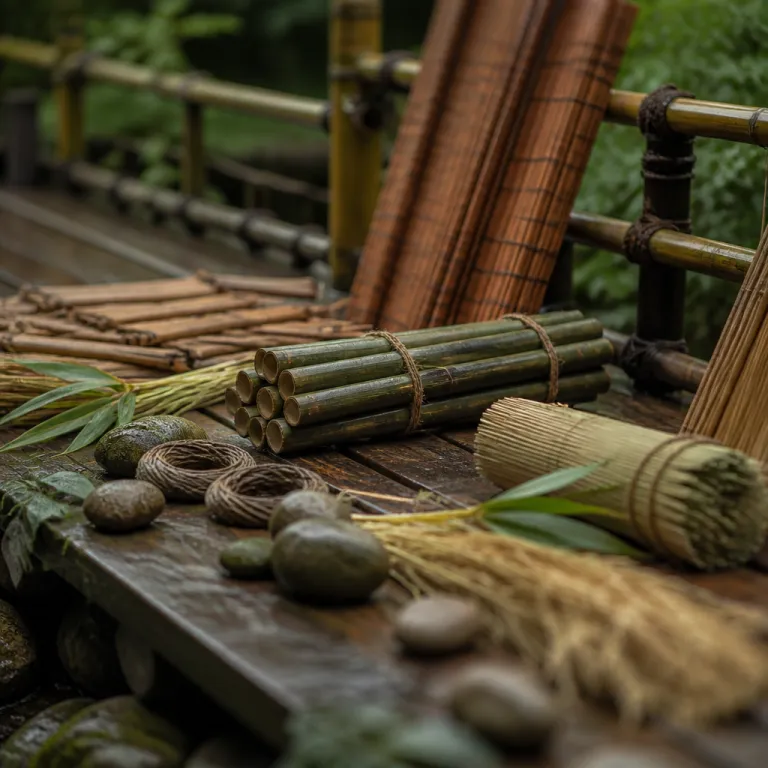
Walk into a serious ryokan Japan property in July and the first signal of summer is architectural, not culinary. Fusuma panels slide away, sudare reed screens appear and the entire room becomes a natsuzashiki, a summer configuration that trades insulation for airflow and the sound of water outside. Local artisans still weave many of these bamboo screens by hand, and their work is central to the way top ryokans manage the season without relying only on air conditioning.
Sudare filter the light and invite movement, so the boundary between your tatami rooms and the garden or river area feels porous. They cool interiors by shading the shoji while allowing cross ventilation, which is why experts say, “How do sudare help in summer? They provide shade and allow air circulation, cooling interiors.” In practice, that means you can sit in a light cotton yukata, feel the breeze from the bathing area courtyard and still enjoy hot spring steam later, without the shock of leaving a sealed, over chilled western style suite.
For couples, this natsuzashiki layout is one of the quiet luxuries of a summer ryokan Japan experience in July. When you book, ask explicitly whether the property offers a seasonal room setup and whether any rooms have direct views of a river, garden pond or onsen water feature, because the sound of moving water is part of the design. If you plan to stay in a ryokan with children on another trip, study how these spaces work now and keep a note of which properties manage airflow and safety best, then use a detailed family focused guide such as the ryokan with children decision tree when you plan that different style of ryokan stay.
Kawadoko, kaiseki and the taste of July on the river
In Kyoto, the most emblematic expression of a summer ryokan Japan experience in July is not the bath but the table. Along the cool river valleys of Kibune and Takao, restaurant operators and some ryokan owners build kawadoko and kawayuka platforms directly above the water, turning dinner into a sensory performance of sound, temperature and light. These wooden decks, engineered with traditional tools yet often supported by modern safety standards, are where a kaiseki dinner becomes a seasonal ritual rather than a fixed menu, and long established venues such as ryokan and restaurants along the Kibune River have made this riverside style of dining a Kyoto summer symbol recognised by local tourism offices.
On these platforms, the kitchen shifts into summer mode with precision. Expect lighter broths, chilled hiyashi wan soups, vinegared sunomono courses and fruit driven finales, with watermelon at breakfast and iced matcha or cold sake at dusk, all designed to work with the climate data that shows Kyoto averaging around 30 °C and roughly 75 % humidity in July, based on Japan Meteorological Agency statistics for the city. Many ryokans in this area will offer combined plans that include kawadoko kaiseki dinner and a more relaxed dinner breakfast pairing the next morning, so ask how the menu changes between June, July and the later summer weeks when the heat peaks.
Because demand for these riverside experiences is intense, you should treat kawadoko as the anchor of your booking strategy. Reserve your ryokan onsen stay three to four months in advance if you want specific seating times, and confirm whether the property has its own platforms or works with nearby restaurant operators for shared access. While you are planning, factor in current travel costs such as Japan’s existing international departure tax, sometimes nicknamed a sayonara tax and set at ¥1,000 per person under national law, because that will subtly influence how you allocate budget between rooms, dining and private onsen reservations.
Onsen in high summer: etiquette, water and why July still matters
Many first time visitors assume hot springs are only for snow season, but a well run ryokan onsen in July is a different, equally deliberate pleasure. In summer, the contrast between warm onsen water and humid night air can be deeply relaxing, especially when the bathing area opens to a garden or river and the sound of water cools the mind even as the body rests in hot water. A thoughtful ryokan experience in this season is about modulation, not intensity.
Properties with strong onsen programs adjust both temperature and rhythm for the heat. Outdoor rotenburo baths may be kept slightly cooler, indoor pools rely more on fresh spring water circulation and some ryokans schedule cleaning breaks to align with the hottest hours of the day, so guests bathe at dawn or after dinner breakfast service instead. In places like Kusatsu Onsen, where the mineral rich hot springs are naturally very hot, long standing practices such as yumomi, in which attendants stir and cool the water with large wooden paddles before bathing, and careful staff guidance on onsen etiquette help ensure that short, repeated immersions in the hot spring feel restorative rather than overwhelming.
For couples, the key decision is whether to prioritise a large communal ryokan onsen or invest in a private onsen attached to the room. A private bath gives you more flexibility with bathing times and more intimacy, but the best communal facilities often have superior spring water quality and more varied bathing area layouts, especially in regions outside Tokyo where space is generous. To understand how different properties balance tradition and innovation, and how some groups are exporting the ryokan stay model abroad, read the analysis of onsen focused brands in the global expansion of onsen ryokan travel before you book your own summer ryokan Japan experience in July.
FAQ
What is a ryokan and how is it different in summer ?
A ryokan is a traditional Japanese inn offering tatami rooms and communal baths. In summer, especially in July, many ryokans convert rooms into natsuzashiki layouts with sudare screens, open verandas and closer connections to gardens or rivers. The result is a cooler, more breathable space that feels tailored to the season rather than simply air conditioned.
Why is July a good time to book a ryokan in Japan ?
July sits between the end of the rainy season and the crowded Obon holidays, so availability is often better and prices can be more favourable than in mid August. Festivals begin, kawadoko riverside dining platforms open fully and onsen operations adjust for the heat, making a summer ryokan Japan experience in July feel both lively and manageable. For couples, this gap between Tanabata and Obon is a particularly smart booking window.
How far in advance should I book a summer ryokan stay ?
For popular areas such as Kyoto, Hakone or Kusatsu Onsen, aim to book three to four months in advance if you want specific room types, private onsen access or kawadoko kaiseki dinner seating. Less famous properties or ryokans outside major hubs may have availability closer to the date, but July weekends still fill quickly. Booking early also gives you more choice between western style beds and traditional futon setups.
What should I know about onsen etiquette in July ?
Onsen etiquette does not change in summer, but the rhythm of bathing often does. You still wash thoroughly in the bathing area before entering the hot spring, keep towels out of the water and move quietly, yet many guests prefer early morning or late evening soaks to avoid the hottest hours. Staff at quality ryokans will guide you on ideal times and any seasonal adjustments to onsen water temperature.
How do sudare and kawadoko help you stay cool in Japan’s summer ?
Sudare reed screens shade interiors while allowing air to circulate, which naturally cools tatami rooms without sealing them off from the outside. Kawadoko and kawayuka platforms place dining spaces directly above rivers, where cooler air and the sound of flowing water lower the perceived temperature. Together, these traditional techniques create a layered summer ryokan Japan experience in July that feels both authentic and physically comfortable.