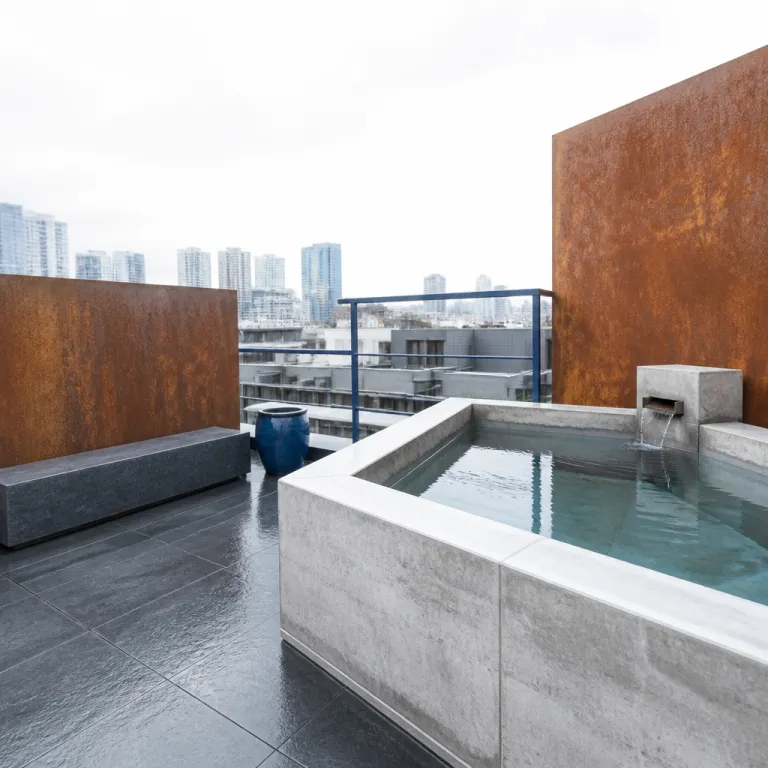
Why a private onsen in Tokyo is the ultimate urban escape
Choosing a private onsen in Tokyo lets you slow the city’s pace instantly. In a carefully designed onsen room, you step from neon streets into a quiet world of hot spring ritual and refined Japanese hospitality. The contrast between the skyscraper skyline and the still surface of your private bath feels almost surreal, especially when you slide open a window and hear only distant traffic instead of the usual city noise.
Urban luxury ryokan-style properties now integrate natural onsen water or mineral-rich hot baths directly into rooms, so you can enjoy the experience without leaving the city. This shift reflects a broader trend where urban hotels incorporating private soaking tubs respond to guests who want traditional spring baths with modern privacy, comfort, and flexibility. For international travellers, it means you can check into a room, close the door, and enjoy an onsen-style experience without navigating public baths or language barriers, a relief if you are unfamiliar with detailed bathing etiquette.
Tokyo currently offers a limited but growing number of places with private open-air baths and indoor soaking tubs, often positioned as premium or luxury room options. Industry surveys and hotel group commentary suggest that, as of the early 2020s, only a few dozen properties in the wider metropolitan area offer some form of in-room hot spring–inspired bath, though new openings are announced almost every year. Facilities such as FUFU Tokyo and Hoshinoya Tokyo show how a city ryokan approach can bring hot spring–inspired baths into many rooms, creating a consistent onsen room standard across the property. For travellers comparing city escapes with classic Hakone onsen or Atami onsen stays, this urban model offers a different kind of view ryokan experience, where the skyline replaces Mount Fuji yet the ritual of the bath remains central.
How Tokyo’s luxury ryokan style stays reinvent the onsen ritual
In traditional Japanese culture, an onsen is more than a hot bath. It is a complete ritual that combines cleansing, soaking in hot spring water, and quiet contemplation in harmony with the surrounding air and landscape. Luxury ryokan-inspired properties in Tokyo reinterpret this ritual for travellers who want privacy, flexibility, and refined design in the heart of the city, often blending classic materials with contemporary architecture.
At FUFU Tokyo, for example, every guest room includes a private onsen-style bath, so guests can enjoy repeated short soaks rather than one long visit to public baths. The hotel uses natural hot spring water piped from outside the city, and staff will often explain the mineral composition when you check in. This in-room approach suits city escapes where you may return late from dining or shopping, yet still want to slide into hot water before sleep. For couples or families, having rooms open directly onto a bath-focused private space removes the need to coordinate gender-separated bathing times and lets everyone follow their own rhythm.
Tokyo’s new generation of view ryokan-style hotels often frame their deep tubs with floor-to-ceiling windows, turning the skyline into a living artwork while you soak. While you will not see Mount Fuji from central Ginza, you may enjoy a layered city view that feels just as cinematic, especially at night when the lights reflect on the surface of the bath. At Hoshinoya Tokyo, for instance, the rooftop communal onsen uses natural spring water, while some room categories feature soaking tubs that echo the same atmosphere with carefully controlled heated water. Travellers who love the classic scenery of Hakone onsen or Atami onsen can now alternate between those destinations and refined city stays in places like Kanazawa, where several properties with a strong ryokan spirit are highlighted in this guide to refined stays in Kanazawa with a ryokan atmosphere.
Privacy, mixed gender bathing, and tattoo policies in Tokyo
One of the strongest reasons to book a private onsen in Tokyo is control over privacy and gender dynamics. Traditional onsen culture usually separates baths by gender, and some public baths still restrict entry for guests with tattoos. For many international travellers, these rules can feel confusing or limiting, especially when they want to share the experience with a partner or travel companion.
Private open-air onsen rooms and enclosed hot spring suites remove most of these barriers because the bathing area is reserved only for your party. In these intimate settings, mixed gender bathing is generally allowed, and many properties are more relaxed about tattoos since you are not sharing the onsen water with other guests. When you check in, it is still wise to ask staff to confirm what is allowed in your specific room, especially if you plan to invite friends or family to join, as some hotels cap the number of non-staying visitors.
Konparu Yu, a traditional bathhouse in Tokyo, illustrates how even public baths are adapting by offering reservable private baths alongside gender-separated pools. The facility’s official information notes that these private rooms can usually be booked in 45–60 minute slots, giving you a defined window of exclusive use. This hybrid model lets travellers enjoy both the social side of public baths and the intimacy of a private onsen session in the same visit. If you are planning a broader itinerary that includes city escapes such as Matsumoto, you will find similar flexibility in several properties featured in this overview of Matsumoto ryokan stays for refined city breaks, where mixed gender private baths are increasingly common.
Design details that define a refined private onsen room
When you book a private onsen in Tokyo through a luxury and premium ryokan-focused platform, pay close attention to room descriptions. The best properties treat the onsen room as the heart of the stay, not just an added bath. You should expect thoughtful Japanese design, quality materials, and a layout that makes moving between sleeping area and bath feel effortless, even when the overall footprint is compact.
Look for rooms private enough that you can slide open shoji or glass doors directly onto an open-air bath or semi-open terrace, without being overlooked. Many high-end rooms open onto compact gardens, city courtyards, or balconies where carefully placed screens protect your privacy while still letting fresh air circulate around the hot spring-style tub. When the soaking area is indoors, designers often use stone, hinoki wood, and soft lighting to evoke the atmosphere of rural Hakone onsen or Atami onsen retreats, sometimes adding subtle incense or soundscapes to reinforce the sense of calm.
Some Tokyo properties use deep soaking tubs filled with mineral-rich onsen water piped from offsite springs, while others recreate the hot spring experience with carefully balanced heated water and advanced filtration systems. Either way, the aim is to let you enjoy long, unhurried soaks without leaving your room, turning even a short city stay into a restorative ritual. Travellers who appreciate this level of detail often also enjoy refined ryokan-style stays in other cities, and may find it helpful to read about solo-friendly options in this guide to what changes when you book a ryokan room for one.
Comparing Tokyo’s private onsen stays with Hakone and Atami
Many travellers planning a private onsen in Tokyo also consider classic hot spring destinations such as Hakone and Atami. Each area offers a distinct balance between scenery, tradition, and convenience, so it helps to be clear about your priorities. Are you seeking dramatic views of Mount Fuji, or do you value immediate access to city dining and culture more highly when choosing where to stay?
Hakone onsen ryokan often feature large open-air baths with sweeping views of valleys, forests, and on clear days, Mount Fuji in the distance. Rooms open directly onto terraces where you can feel cool mountain air while soaking in genuine hot spring water, which creates a very different mood from an enclosed urban onsen room. Atami onsen, by contrast, leans towards coastal scenery, with some view ryokan properties offering private open-air baths that overlook the sea and capture the changing light across the bay, especially beautiful at sunrise and sunset.
Tokyo’s private onsen stays cannot replicate the natural drama of these regions, but they excel in convenience and design. You can check into a luxury ryokan-style property after a day of meetings or shopping, then slip straight into a hot bath without a long train ride, and still head out later for dinner if you wish. Many travellers now combine a night or two in a private onsen room in Tokyo with a longer stay in Hakone onsen or Atami onsen, enjoying both urban sophistication and classic spring baths in a single itinerary.
How to choose and book the right private onsen stay
Booking a private onsen in Tokyo through a specialist luxury and premium ryokan website gives you access to detailed room-level information. Start by deciding whether you want an indoor soaking tub, a semi open-air onsen, or a fully open terrace bath, because this will shape both the atmosphere and the price. Then look closely at floor plans to see how the bath area connects to the sleeping and living spaces, noting whether you need to step outside or can move barefoot from tatami to tub.
Always check whether the onsen water is natural hot spring water or a high-quality heated system, especially if authentic springs are important to you. Some properties pipe in real hot spring water from outside Tokyo, while others focus on temperature control, cleanliness, and design to recreate the feel of a traditional onsen. If you have tattoos or plan mixed gender bathing, confirm that these are allowed in your chosen room, even when it is clearly marketed as an onsen private or rooms private category, as policies can change without much notice.
Before finalising your reservation, review cancellation policies, meal options, and any time limits on using private open-air baths or reservable indoor baths. Many luxury properties limit the number of non-staying guests who can join you in the bath, so ask in advance if you plan to invite friends. Following core etiquette guidelines such as washing thoroughly before entering the bath and keeping towels out of the onsen water will help you enjoy a seamless stay while respecting Japanese customs, and staff are usually happy to explain any local rules when you arrive.
Key figures and trends for private onsen stays in Tokyo
- Recent industry commentary from hotel groups and tourism reports indicates that there are currently only a small number of facilities in Tokyo offering some form of private onsen experience, a modest figure compared with regional hot spring hubs but growing steadily as urban hotels integrate baths into rooms.
- Specialist platforms tracking urban onsen development report that private hot spring baths are becoming more common in luxury hotels, reflecting increased demand from international travellers who value privacy and flexible bathing times.
- Operators consistently highlight three main objectives for private onsen offerings in cities: to provide privacy, to allow couples to bathe together in mixed gender settings, and to accommodate guests with tattoos who may feel unwelcome in traditional public baths.
- Industry partnerships between local tourism boards and the hospitality sector are encouraging more urban properties to experiment with onsen water pipelines and hot spring–inspired design, especially in premium and luxury segments.
FAQ about booking a private onsen stay in Tokyo
Are private onsen common in Tokyo?
They are becoming more common, especially in luxury hotels. While the total number of facilities remains modest compared with regional hot spring areas, the trend is clearly upward as more urban properties add onsen room categories and private baths to attract international guests, often highlighting them prominently on official hotel pages.
Can couples use private onsen together?
Yes, private onsen allow couples to bathe together. Because these baths are reserved for a single room or party, mixed gender use is generally allowed, making them ideal for romantic stays or for families who prefer to share one bath rather than separate into gender-specific public baths.
Do private onsen allow tattoos?
Many private onsen are tattoo-friendly. Since you are not sharing the onsen water with other guests, operators tend to be more flexible, although it is still wise to check each property’s policy in advance, especially if you plan to use any shared public baths on site or visit nearby sento.
Should I book a private onsen in Tokyo or go to Hakone instead?
Tokyo is better if you want convenience, design-focused rooms, and easy access to dining and culture, while Hakone excels at natural scenery, larger open-air baths, and classic hot spring atmospheres. Many travellers choose to combine both, spending one or two nights in a private onsen room in Tokyo before or after a longer stay in Hakone onsen or Atami onsen.
Do I need to follow traditional onsen etiquette in a private bath?
Yes, the core etiquette still applies even in a private onsen. You should wash thoroughly before entering the bath, avoid putting towels into the onsen water, and keep noise levels low so that neighbouring rooms can enjoy a calm atmosphere, which aligns with long-standing Japanese bathing customs. When you are ready to book, use a specialist ryokan-focused site or contact properties directly to compare room types, prices, and availability for your preferred travel dates.