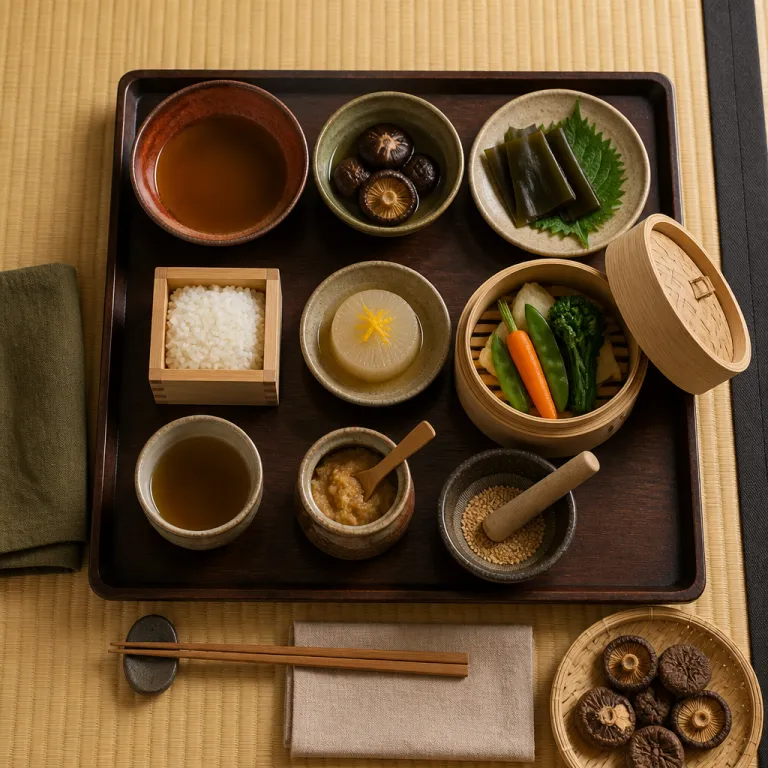
From shojin ryori to vegan kaiseki in the modern ryokan
Vegan kaiseki in a ryokan only makes sense when you understand its roots in shojin ryori. Long before luxury stays in japan were a consideration, monks in every buddhist temple kitchen were refining plant based meals that felt quietly ceremonial. That lineage matters when you are weighing a vegan kaiseki ryokan japan shojin option against a more conventional stay with fish and meat.
Shojin cuisine emerged in monasteries such as those around koyasan shukubo lodgings, where strict vegan practice was a spiritual discipline rather than a dietary preference. In those halls, kombu shiitake stock replaced bonito dashi, and shiitake dashi gave depth to miso soup, simmered vegetables and tofu without relying on eggs dairy or animal fat. When a contemporary vegan ryokan talks about shojin ryori, you are not getting a trend, you are stepping into a centuries old system that already solved the protein question with tofu, yuba and seasonal beans.
For today’s traveler, the shift from temple refectory to private onsen suite is where the story becomes interesting. A luxury kyoto ryokan or a polished hakone ryokan now takes that monastic logic and stretches it into a full vegan kaiseki sequence, served in your tatami room over the course of a long night. The ceremony of the dinner, not the presence of bonito or meat, is what defines the experience for a vegan vegetarian or vegetarian guest who still wants the full japanese rhythm of courses.
What changes when the kitchen removes bonito dashi
The central tension in any vegan kaiseki ryokan japan shojin experience is not whether the food is vegan, but whether removing bonito dashi breaks the architecture of the meal. Classic kaiseki relies on layered dashi, usually a blend of katsuobushi bonito flakes and kombu, to tie together miso soup, nimono stews and even some grilled dishes. When a chef commits to strict vegan or vegetarian kaiseki, that bonito base disappears and the entire flavor map must be redrawn.
In kyoto, several kaiseki houses now run parallel menus where kombu shiitake and shiitake dashi stand in for fish stock, and the results can be startlingly deep. The sakizuke appetiser and nimono simmered course adapt almost effortlessly, especially when the kitchen leans into mountain vegetables, tofu skins and seasonal mushrooms from regions like nikko or kinugawa. Where things become more experimental is the yakimono grilled course and the hassun seasonal platter, which traditionally showcase fish and can feel conceptually thinner when the protein becomes tofu or seitan rather than something from the sea.
Regionality still matters as much as ever, even when the plate is fully plant based. A stay in a hakone ryokan or a property near kinugawa onsen might highlight local vegetables and river greens instead of crab or river fish, yet the plating and pacing remain resolutely kaiseki. If you want to understand how regions write the ryokan plate in this new context, look for properties whose chefs speak openly about their sourcing and philosophy in their culinary storytelling, not just their booking copy.
How to book a vegan or vegetarian kaiseki without losing the ritual
For a traveler scanning a luxury booking site, the phrase vegan kaiseki ryokan japan shojin can hide a lot of variation in practice. Some properties offer a fully articulated vegan kaiseki, while others simply remove meat and fish from a standard dinner and still rely on bonito dashi in the background. Your task is to separate marketing language from kitchens that truly understand shojin ryori technique and the needs of vegan vegetarian and vegetarian guests.
Start by checking whether the ryokan explicitly mentions vegan ryokan options, vegetarian kaiseki and the ability to handle strict vegan dietary requirements. The best houses ask for advance notice at the booking stage, often through a dedicated dietary request form or a follow up email from the reservations équipe. When you reply, be precise about whether you avoid eggs dairy, bonito, all animal derived dashi or only meat and fish, because japanese kitchens will otherwise default to bonito dashi in miso soup and simmered dishes.
Properties in kyoto, nikko, hakone and near kinugawa onsen are increasingly used to handling layered dietary constraints, from halal to gluten free and low sodium, alongside vegan and vegetarian needs. A serious kyoto ryokan will usually confirm your breakfast dinner format, clarify whether you prefer in room service or a private dining room and note any request for a private onsen or specific room type in the same correspondence. Treat that email exchange as part of the ceremony, because the clarity you provide before the night of arrival is what allows the kitchen to plan a coherent, seasonal vegan kaiseki rather than a last minute workaround.
Inside the room: breakfast, dinner and the onsen rhythm
Once you arrive at a ryokan that takes vegan kaiseki seriously, the choreography of the stay matters as much as the menu. You check in, soak in the onsen or your private onsen if you have reserved one, then return to your tatami room where the low table is set for dinner. The absence of fish or meat does not change that rhythm ; it simply shifts the flavors that carry you through the night.
A well executed vegan or vegetarian kaiseki will still open with a delicate sakizuke, move through sashimi like preparations built around yuba or seasonal vegetables, then into grilled, steamed and simmered courses. The miso soup will rely on kombu shiitake or shiitake dashi instead of bonito, and the kitchen will often lean on textures, temperature and ceramics to keep the sequence feeling luxurious rather than worthy. Breakfast the next morning should echo the same care, with rice, pickles, tofu, simmered vegetables and a miso soup that respects your dietary boundaries instead of quietly slipping in fish stock.
In regions such as nikko and kinugawa, some properties now offer parallel breakfast dinner tracks, one fully plant based and one more traditional, which works well for mixed vegan vegetarian groups. A hakone ryokan or kyoto ryokan that has invested in this structure will usually mention it clearly in pre arrival information, so read those messages rather than skimming. When the ceremony holds from evening to morning, you leave feeling that the vegan kaiseki ryokan japan shojin promise was about hospitality, not just ingredients.
Choosing the right vegan friendly ryokan for your style of travel
Not every property that claims to be a vegan ryokan is operating from a shojin ryori mindset, and that distinction matters if food is central to your trip. Some onsen resorts near kinugawa onsen or in larger japanese hot spring towns will offer a token plant based dinner while keeping their main focus on seafood heavy banquets. Others, often smaller kyoto ryokan or design forward houses near a buddhist temple district, build their entire culinary identity around vegan kaiseki and vegetarian kaiseki menus.
When you compare options on a booking platform, look beyond room photos and onsen shots to the way each property writes about dashi, seasonal vegetables and dietary flexibility. A house that talks specifically about kombu shiitake stock, shiitake dashi and the removal of bonito from all sauces is usually paying attention at the right level of detail. If sustainability and integrity matter to you, it is worth reading deeper editorial pieces on how ryokan translate values into practice, because the same mindset that governs waste, sourcing and energy often shapes how seriously they treat vegan and vegetarian requests.
For solo travelers, the question is often whether the ceremony feels welcoming when you are alone at the low table with a multi course vegan kaiseki. Properties that are used to international guests will pace the meal with just enough explanation, sometimes in english, so that the structure of kaiseki in japan becomes legible without feeling like a performance. In those rooms, the vegan kaiseki ryokan japan shojin equation resolves into something simple ; the ingredients have changed, but the quiet, attentive choreography of the night remains intact.
FAQ
How far in advance should I request a vegan kaiseki menu at a ryokan ?
Most ryokan that offer vegan or vegetarian kaiseki ask for clear advance notice at least several days before arrival. This allows the kitchen to source specific vegetables, tofu and seasonings, and to prepare kombu shiitake or shiitake dashi instead of their usual bonito base. Always confirm your requirements by email after booking, especially if you are strict vegan or have multiple dietary restrictions.
Can a traditional japanese kaiseki structure work without fish or meat ?
Yes, the kaiseki structure in japan is defined by sequence, seasonality and balance rather than by specific proteins. When a chef understands shojin ryori techniques, they can build depth with plant based stocks, tofu, yuba and vegetables while keeping the classic flow from appetiser to rice course. The ceremony of serving, plating and pacing holds even when bonito dashi and animal protein are removed.
Will my miso soup and dashi really be vegan at a ryokan ?
Only if you have clearly requested vegan or vegetarian preparation and the property has confirmed that they avoid bonito dashi and other animal based seasonings. In many japanese kitchens, miso soup automatically includes fish stock unless told otherwise, even when no visible fish is present. Ask specifically for kombu shiitake or purely plant based dashi in both breakfast and dinner to avoid misunderstandings.
Are temple stays like koyasan shukubo better for strict vegan travelers ?
Temple lodgings such as koyasan shukubo traditionally serve shojin ryori, which is usually fully plant based and aligned with strict vegan practice. These stays can be ideal if your priority is deeply authentic buddhist temple cuisine rather than luxury amenities or a private onsen. If you want both high comfort and shojin inspired food, look for a vegan ryokan that explicitly references temple cuisine in its culinary philosophy.
How can I balance onsen luxury with plant based dining on a short trip ?
For a brief stay of one or two nights, focus on regions where vegan friendly ryokan are already established, such as kyoto, hakone, nikko or kinugawa. Choose a property that offers both a strong onsen experience and a clearly articulated vegan kaiseki or vegetarian kaiseki menu. This way you can enjoy the full rhythm of soaking, dinner and breakfast without compromising your dietary principles.