Kai miyajima hoshino resorts opening reshapes the Seto Inland Sea map
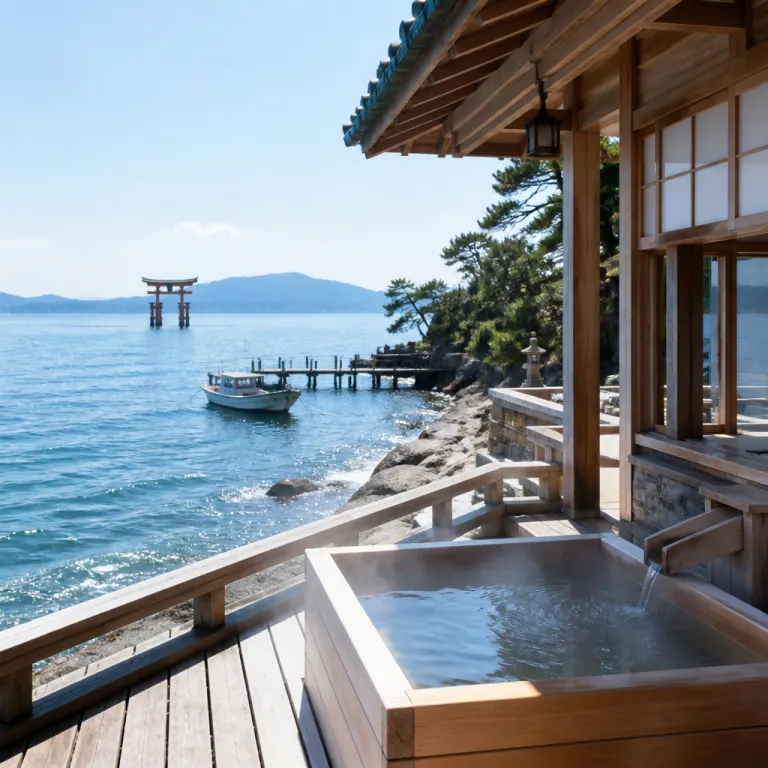
KAI Miyajima is scheduled to open on July 23, 2024, in Hatsukaichi, Hiroshima Prefecture, as the first KAI brand property on the Seto Inland Sea coast. According to the official Hoshino Resorts press release and the KAI Miyajima property page, this debut marks a deliberate shift from the group’s traditional mountain onsen ryokan strongholds toward maritime Japan, positioning guests directly opposite the Great Torii Gate of Itsukushima Shrine. For travelers who already know KAI Kusatsu in Gunma Prefecture or KAI Zao in the snow country, this new seaside ryokan offers a contrasting sea focused experience rather than another highland hot spring retreat.
The property stands in Miyajimaguchi, about 5 minutes by car or roughly 10 minutes on foot from JR Miyajimaguchi Station, giving fast access to the ferry for Miyajima and the shrine island’s coastal trails. Hoshino Resorts states on the official overview that the hotel manages 54 guest rooms, and 30 of these suites feature open air baths facing the sea, so every stay is framed by shifting sea fog and the quiet traffic of ferries crossing Hiroshima Prefecture’s inland waters. For travelers tracking news of high end openings in Japan, this new KAI outpost is currently one of the most strategically placed ryokan for combining an onsen stay with unhurried visits to Itsukushima Shrine.
All guest rooms face the water, but the signature Umigiri no Ma category is where the KAI brand narrative becomes most tactile. The official room description highlights Fukuyama denim cushions, Aji glass lighting and curtains that echo the Seto Inland Sea fog, so the interior design feels closer to a coastal atelier than a generic hotel room. If you have stayed at a more traditional spring ryokan inland, such as the intimate Kayotei in Yamanaka Onsen, you will immediately notice how KAI Miyajima’s palette and materials lean into maritime culture rather than cedar forests or mountain stone, a contrast worth studying through this in depth ryokan retreat review.
From mountain onsen to maritime japan: how kai miyajima changes the stay
For years, the KAI brand has been synonymous with mountain onsen ryokan like KAI Kusatsu in Gunma Prefecture and KAI Zao in the Tohoku snow belt. With the new KAI Miyajima opening on the Seto Inland Sea, Hoshino Resorts pivots toward a different kind of hot spring experience, one where the horizon line and the sea fog are as central as the mineral rich water. Travelers who once split trips between a city hotel and a rural ryokan can now fold both impulses into a single stay anchored in Hiroshima Prefecture.
The onsen facilities here include indoor baths and open air rotenburo that look straight onto the sea, so the transition from guest rooms to water feels almost theatrical. A highlight is the Setouchi Ancient Sauna, described by Hoshino Resorts in the Japanese language materials as “a traditional bathing method from the Setouchi region” that uses a dome shaped stone structure positioned closest to the sea. This sauna concept, presented as unique to KAI Miyajima within the official brand lineup, has no equivalent at other KAI properties such as KAI Kusatsu or KAI Zao, and it deepens the sense that this ryokan is not just another replication of the brand template.
Dining also marks a clear departure from the mountain focused kaiseki of many onsen ryokan in Japan. Here the multi course menus lean into Hiroshima oysters, local lemons and a Suigun Nabe hot pot built around octopus, seaweed and sea bream, so every dinner feels like a cartography of the surrounding sea. Typical plans on the official site bundle breakfast and dinner, and while exact prices fluctuate by season and room type, many guests can expect a broad range from roughly mid to upper tier nightly rates for two with meals included. If you are weighing whether to book solo or as a pair for this coastal retreat, it is worth reading a detailed guide to what changes when you reserve a room for one at a ryokan, then deciding how you want to pace these long, seafood driven meals.
Booking strategy, brand context and how kai miyajima fits the wider hoshino map
From a booking perspective, the KAI Miyajima launch comes with one crucial caveat for international guests. As of the latest information on the Hoshino Resorts Japanese site, reservations are primarily handled through Japan based channels, so overseas visitors planning a stay may need either a domestic contact, a Japanese travel agency or to monitor Hoshino Resorts’ English site for policy changes. With the national tourism landscape evolving and new rules such as the recently introduced sayonara tax reshaping trip budgets, it is worth staying informed through analyses like this overview of what the new departure tax means for ryokan bound travelers.
Within the wider Hoshino portfolio, KAI Miyajima sits alongside urban brands like OMO and BEB and flagship retreats under the Hoshinoya label, including Hoshinoya Nara. Travelers who know OMO Yokohama or BEB Mojiko will recognize the group’s interest in city edges and port towns, yet this new ryokan leans more into contemplative sea views than nightlife. The contrast with Hoshinoya Nara and the nearby Nara Prison redevelopment into a prison museum is instructive, because it shows how Hoshino Resorts now threads heritage, contemporary design and regional storytelling across very different prefectures.
For travelers mapping a multi stop itinerary across Japan, one elegant route is to pair KAI Miyajima with a night in Hiroshima city, then continue toward Kyushu via Mojiko or loop back through Nara Prefecture. Along the way you can trace how the KAI brand interprets hot spring culture differently from an urban OMO property or a heritage focused site like the former Nara Prison. Practical details such as standard check in from mid afternoon, morning check out, and the option to have a local agent or Japan based booking service secure reservations on your behalf help turn a simple hotel booking into a considered ryokan experience that feels specific to place rather than interchangeable across resorts.