Why ryokan sumiya in Kyoto feels like a hidden inner-city retreat
Ryokan Sumiya sits quietly in central Kyoto, yet the city noise fades the moment you step through its wooden gate. This traditional ryokan in Kyoto, Japan is a rare place where you can feel the pulse of the city and still enjoy the calm of a private retreat, making it ideal for travellers who want culture on the doorstep and serenity inside. In a landscape filled with larger hotels Kyoto offers, Sumiya Ryokan keeps just 23 rooms, which preserves a sense of intimacy that many guests now actively seek when choosing where to stay in Japan (room count based on Sumiya’s published accommodation overview, last checked 2024).
The heritage of Sumiya stretches back to the early twentieth century, when cultural gatherings and refined kyo kaiseki dining shaped its reputation among Kyoto residents. That history still informs every style room today, from the way staff welcome you in the entrance hall to the careful pacing of meals served on low tables over tatami mats in softly lit spaces. This continuity of Japanese style hospitality is what sets Sumiya Ryokan apart from more anonymous hotels, and it is the main reason seasoned travellers return to this ryokan in Kyoto rather than shifting to newer properties.
Location is another quiet luxury at Sumiya, because the ryokan stands in Nakagyo ward, close to the Kamogawa River and major cultural sites. You can walk from your room to the streets of Kyoto in minutes, then slip back through the noren curtain to a world of polished wood corridors and the faint scent of incense. For guests comparing a hotel Kyoto might offer near the station with this central address, the ability to move easily between urban exploration and private calm often becomes the deciding factor. The area around central Kyoto sits at approximately 35.01 degrees north and 135.77 degrees east (standard Kyoto city mapping data), which also makes onward rail travel to Kameoka and other Kansai destinations straightforward.
Rooms, tatami mats and the art of Japanese style living
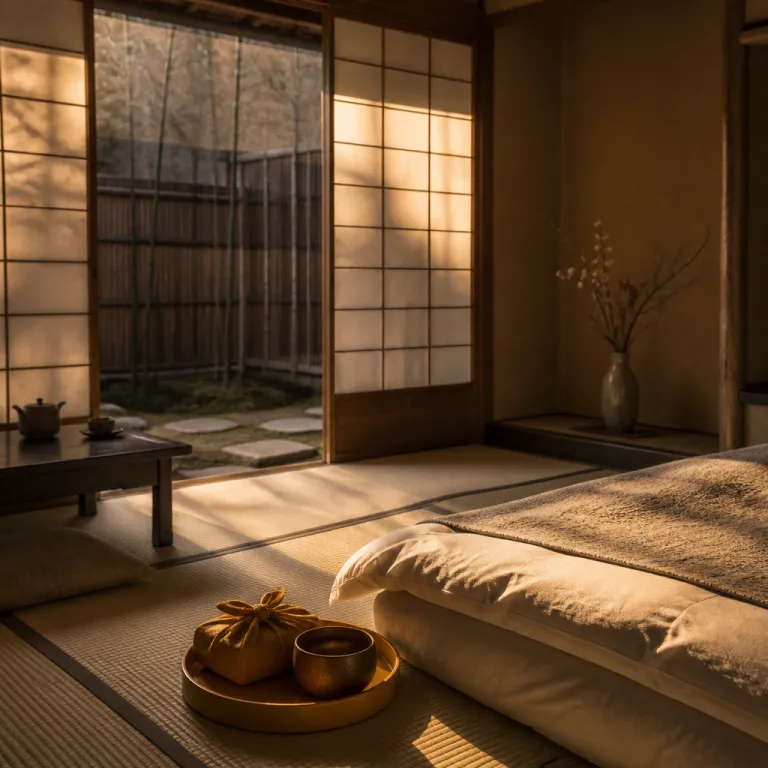
Each room at Sumiya Ryokan is designed around traditional room tatami layouts, which means you sleep on futons rolled out over woven tatami mats rather than on raised Western beds. This Japanese style arrangement changes the way you move, sit and rest, and many guests find that the closeness to the floor and the natural scent of the mats create a deeper sense of grounding. When you compare these rooms with standard rooms in larger hotels Kyoto offers, the difference in atmosphere is immediate and surprisingly soothing.
Most rooms at Sumiya feature sliding shoji screens, alcoves for seasonal flower arrangements and low tables where kyo kaiseki dining is served in the evening. During the day, staff quietly fold away bedding so the same style room becomes a living space, and this fluid use of space is one of the most distinctive aspects of staying in a ryokan in Japan. Some rooms also include a small veranda or room open to a pocket garden, where fresh air and filtered light soften the boundary between indoors and outdoors without sacrificing privacy.
For travellers comparing ryokan options across Kansai, it is worth asking in advance which rooms at Sumiya Ryokan include private baths and which rely on shared facilities. The official guidance from the property is summarised as follows: “Some rooms have private baths; confirm during booking” (based on information published on Sumiya’s own site at the time of writing). On a luxury booking platform for ryokans, this detail should be highlighted alongside room tatami size, view and whether the bath is an indoor cypress tub or an open air soaking tub, because discerning guests often prioritise these features over sheer floor area.
Hot spring style bathing: how Sumiya connects Kyoto to Kameoka
While Sumiya Ryokan itself is a traditional inn in central Kyoto, many guests pair their stay with an excursion to the hot spring area of Kameoka Yunohana, where the related property Sumiya Kihoan offers a different expression of the brand (relationship based on Sumiya group materials, current as of 2024). In Kameoka, the focus shifts from inner city calm to open air immersion in nature, with onsen style hot spring baths framed by hills and seasonal foliage. Travellers who split their nights between Sumiya in Kyoto city and Sumiya Kihoan in Kameoka often say this combination gives them a fuller sense of regional ryokan culture than staying in one place alone.
At Sumiya Kihoan, you find open air baths that draw on natural hot spring sources, creating mineral rich pools where steam rises into the cool night air. These onsen facilities contrast with the more urban baths at Sumiya Ryokan, yet both share the same emphasis on quiet, unhurried bathing rituals that define Japanese hospitality. When planning a trip, it can be helpful to read a detailed comparison of price and value, such as a guide explaining why the thoughtfully priced ryokan often beats the more expensive one, before deciding how many nights to allocate to each property.
Guests who appreciate the meditative rhythm of a hot spring bath in Kameoka Yunohana usually find that returning to their tatami mats in Kyoto feels even more special. The transition from an open air onsen to a compact inner city room open to a small garden shows how flexible Japanese style design can be while still feeling coherent. For a high end booking site, presenting Sumiya, Sumiya Kiho and Sumiya Kihoan together as complementary stays allows travellers to understand how one brand can offer both hot spring immersion and refined urban calm within the same broader region.
Dining, tea ceremony and the rhythm of an evening at Sumiya
Kyo kaiseki dining is central to the experience at Sumiya Ryokan, and it is one of the main reasons many guests choose this ryokan sumiya over conventional hotels in Kyoto. The multi course meal is served in your room or in a private dining room, with each dish reflecting the season, the local markets and the long relationship between Sumiya and Kyoto culinary artisans. Because the number of rooms is limited, the kitchen can focus on precision rather than volume, which is a key distinction from larger hotels Kyoto travellers might otherwise consider.
The tea ceremony at Sumiya is another quiet highlight, offered on specific evenings each month in a dedicated tearoom that has hosted cultural gatherings for generations. The property’s own guidance explains the practice clearly: “Guests invited on 7th and 17th evenings; inquire at reception” (as stated in Sumiya’s official guest information, verified 2024). For guests using a luxury booking website, this detail should be flagged as a time sensitive opportunity, because aligning your stay with these dates allows you to experience a formal tea ceremony without leaving the ryokan.
Even if your visit does not coincide with the tea ceremony evenings, the overall rhythm of nights at Sumiya remains deeply Japanese in style. After your hot bath, whether in a private soaking tub attached to your room or in a shared facility, you change into a yukata, enjoy kyo kaiseki dining and then return to a room tatami layout already prepared for sleep. This sequence, repeated across rooms and nights, is what transforms a simple stay in Kyoto into a layered cultural experience that many guests remember long after they leave the city.
Hidden gem pairings: Sumiya, Kameoka and lesser known Kansai escapes
Travellers who choose Sumiya Ryokan often look beyond the usual Kyoto city circuit and seek quieter corners of Kansai that pair well with a refined urban stay. Kameoka Yunohana, with its cluster of hot spring ryokans including Sumiya Kihoan, is one such hidden gem, offering open air onsen baths and mountain air within easy reach of central Kyoto. For those planning peak season trips, studying a local focused strategy for where residents book when famous resorts are full can reveal alternatives that feel more personal and less crowded.
Another thoughtful pairing is to combine Sumiya in Kyoto with a stay in a mid range ryokan property in a smaller town, using Sumiya as the cultural anchor of your journey. This approach allows you to experience both the polished kyo kaiseki dining and tea ceremony at Sumiya and the more rustic charm of countryside hot spring inns, without committing your entire budget to one style of accommodation. When curated well on a premium booking website, such itineraries help guests understand how different rooms, baths and locations can work together to create a balanced trip.
For travellers who value quiet over spectacle, the key is to look for ryokan options where the number of rooms is modest, the focus on tatami mats and Japanese style interiors is strong and the presence of a hot spring or at least a carefully designed indoor soaking tub is clear. Sumiya, Sumiya Kiho and Sumiya Kihoan all meet these criteria in different ways, which is why they appear frequently in expert recommendations for Kyoto and the wider Kansai region. Linking these properties with other lesser known ryokans near Kameoka or along the Sagano line can turn a simple visit into a sequence of hidden gem stays that feel both coherent and quietly luxurious.
How to choose and book Sumiya on a luxury ryokan platform
Selecting the right room at Sumiya Ryokan begins with clarifying how you want to balance space, bathing options and proximity to shared areas. Some guests prioritise a larger style room with an alcove and room open to a small garden, while others focus on securing a private bath or open air tub even if the floor area is more compact. On a well designed luxury and premium booking website for ryokans, filters should allow you to sort rooms by tatami mats count, presence of open air facilities and whether the bath uses hot spring style water or standard heated water.
When comparing Sumiya with other hotels Kyoto lists, pay close attention to what is included in the nightly rate, especially around dining and bathing. At Sumiya, kyo kaiseki dining is typically part of the stay, and access to communal baths is standard, which can make the overall value more favourable than a hotel Kyoto might offer where meals and spa access are charged separately. As a broad guide, many central Kyoto ryokans in this category price stays with dinner and breakfast from the upper mid range into luxury territory, so reading detailed reviews that explain how the hot water feels in the baths, how quiet the rooms are at night and how attentive the staff are during tea ceremony service will give you a clearer picture than price alone.
For travellers building a longer itinerary across Japan, it can be useful to consult a refined guide to ryokan stays in established hot spring towns, then position Sumiya as the Kyoto anchor of that journey. This approach helps you understand how a city based ryokan like Sumiya Ryokan complements more remote onsen stays, especially when you factor in travel times and the different moods of each place. Once you have chosen your dates, reserve well in advance, because with only 23 rooms, availability at Sumiya and related properties such as Sumiya Kiho and Sumiya Kihoan can tighten quickly during peak spring and autumn seasons.
Key figures and practical data for planning a stay at Sumiya
- Sumiya Ryokan maintains 23 rooms, which is significantly fewer than most central Kyoto hotels, and this limited capacity supports a quieter, more personalised style of service (room count confirmed against Sumiya’s official accommodation overview, last verified 2024).
- The property has been welcoming guests for well over a century, and this long history underpins its focus on preserving Japanese style hospitality, from tatami mats to kyo kaiseki dining (timeline information drawn from Sumiya’s published historical notes).
- Central Kyoto, where Sumiya is located, sits at approximately 35.01 degrees north and 135.77 degrees east, placing the ryokan within walking distance of major cultural sites while still allowing easy rail access to Kameoka Yunohana and other Kansai hot spring areas (coordinates based on standard Kyoto city mapping data).
- Interest in traditional accommodations such as ryokans has risen steadily in recent years, with Kyoto city tourism data showing a growing share of visitors choosing Japanese style inns over large scale hotels, especially among travellers seeking cultural immersion.
- Participation in cultural experiences like tea ceremony and kyo kaiseki dining has increased alongside this trend, and Sumiya’s practice of hosting tea ceremonies on specific evenings each month reflects this wider demand for structured yet intimate cultural encounters.
FAQ: staying at Sumiya Ryokan in Kyoto
What type of cuisine is served at Sumiya Ryokan?
Sumiya Ryokan serves kyo kaiseki cuisine, which is a traditional Kyoto multi course meal emphasising seasonal ingredients and careful presentation. Meals are usually served in your room on low tables over tatami mats, creating a private dining atmosphere. This style of dining is a core part of the ryokan experience and is typically included in the room rate.
How can guests join the tea ceremony at Sumiya?
The tea ceremony at Sumiya takes place on specific evenings each month in a dedicated tearoom within the ryokan. The property states: “Guests invited on 7th and 17th evenings; inquire at reception.” If you wish to attend, it is wise to align your booking dates with these days and confirm participation when you check in.
Are private baths available in the rooms?
Some rooms at Sumiya Ryokan include private baths, while others rely on shared communal facilities. The official guidance is: “Some rooms have private baths; confirm during booking.” When reserving through a luxury and premium booking website, check the room description carefully to see whether a private bath, open air tub or access only to shared baths is included.
Is Sumiya suitable for first time visitors to Kyoto Japan?
Sumiya is well suited to first time visitors who want both cultural immersion and convenient access to Kyoto city sights. Its central location allows easy walking or short transport rides to major temples, markets and the Kamogawa River. At the same time, the ryokan format, tatami mats and kyo kaiseki dining provide a structured introduction to Japanese style hospitality.
How far is Sumiya from hot spring areas like Kameoka Yunohana?
Sumiya Ryokan stands in central Kyoto, while Kameoka Yunohana, known for its hot spring ryokans such as Sumiya Kihoan, lies to the west in the surrounding hills. Travel between Kyoto city and Kameoka typically involves a short train ride followed by local transport to the onsen area. Many travellers choose to stay first at Sumiya in Kyoto and then continue to Kameoka Yunohana for open air hot spring baths and a more rural atmosphere.