Why a sustainable ryokan in Japan feels different from responsible travel slogans
Walk into a truly sustainable ryokan in Japan and you feel responsible travel long before you read any plaque on the wall. The architecture sits low in the landscape, built from local timber and stone, and the rhythm of your stay follows daylight, not the all-hours glow of a conventional hotel corridor. For a solo explorer planning a trip to Japan, this quiet alignment between place, people and practice is what separates marketing from meaning.
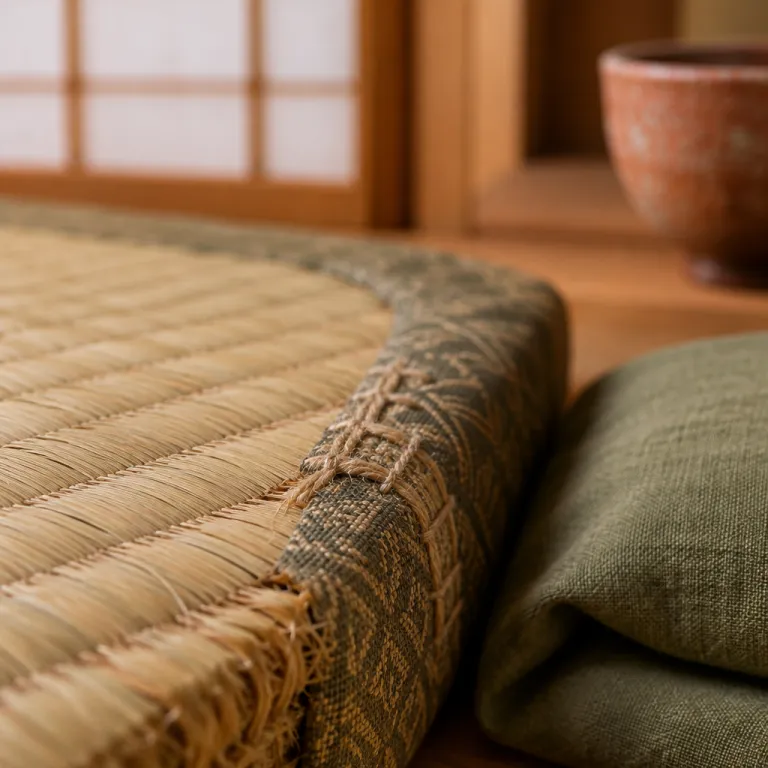
Across Japan, travel conversations around World Tourism Day tend to echo global tourism campaigns, yet many traditional Japanese inns have practiced sustainable travel principles for generations. Tatami rooms that breathe, shoji screens that diffuse light and futon bedding that is aired daily rather than mechanically dried all reduce energy use in ways most hotels would frame as eco friendly innovation. These traditional Japanese design choices are not nostalgia ; they are functional responses to climate, materials and rural areas where public transport once dictated guest arrival and departure times.
For travelers who care about sustainable ryokan Japan responsible travel, the question is not whether to visit Japan but how to choose properties where inherent efficiency is respected rather than overruled by imported luxury standards. Look for small scale operations run by Japan local families, where kaiseki menus lean on nearby farms and coastal fisheries instead of national cold chains. When you compare these stays with larger hotels in parks Japan or near a national park, you start to see how experiences in Japan can either reinforce or erode the country’s quieter, older sustainability logic.
Geothermal by default and the quiet efficiency of ryokan life
Onsen towns across Japan national landscapes sit on geothermal veins that heat baths, floors and sometimes kitchens without burning fuel. In these places, the sustainable ryokan Japan responsible travel story begins not with a rooftop solar panel but with volcanic water flowing directly into stone pools, a system explored in depth in this analysis of geothermal by default ryokan heating. When you soak in an outdoor rotenburo while snow falls on cedar branches, you are inside an energy system that predates modern sustainable travel language by centuries.
Many ryokan in rural areas use this geothermal source to warm guest rooms through underfloor channels, reducing reliance on electric heaters that dominate in urban hotels in Tokyo and other dense cities. The same water that steams your onsen can preheat laundry or support low temperature cooking, cutting both energy waste and the need for complex mechanical systems that often fail in remote national parks. For a solo traveler planning a trip Japan itinerary, choosing an onsen inn that publishes clear data about its geothermal use is one of the most direct ways to support responsible travel in practice.
Contrast this with a conventional hotel that installs a token eco friendly feature while still relying on fossil fuel boilers and intensive air conditioning. In many ryokan, the absence of central corridors, the use of sliding doors and the compact scale of buildings reduce the volume of air that must be heated or cooled, which quietly lowers emissions without fanfare. When you read an English language travel guide or browse Japan travel platforms, look beyond generic sustainability badges and ask how the building itself works with the land, not against it.
Seasonal kaiseki, food waste and the problem with single use plastic
Seasonal kaiseki is often described as art on a plate, yet it is also one of the most effective food systems for reducing food waste in hospitality. Chefs build menus around shun, the precise moment when ingredients from Japan local farms and fisheries are at their peak, which means shorter supply chains and less dependence on national cold storage. For travelers interested in sustainable ryokan Japan responsible travel, this seasonal logic matters more than any marketing line about organic food.
In many traditional Japanese inns, breakfast and dinner are included in the rate, which allows kitchens to plan portions accurately and minimize leftovers. When you compare this with buffet heavy hotels that cater to mass tourism, the difference in food waste volumes is stark, even if not always quantified in public data. Guides who specialize in experiences in Japan often highlight this as a cultural detail, but for responsible travel advocates it is a structural advantage that deserves more attention in English language travel guides.
Yet the ryokan world is not free from contradictions, particularly around single use plastic and the expectation of pristine newness. Individually wrapped toiletries, disposable yukata belts and layers of packaging around snacks create a stream of plastic waste that clashes with the otherwise low impact rhythm of the stay. Before you book, use frameworks such as the questions outlined in this piece on sustainability beyond certification to ask how a property handles amenities, food waste and the balance between hygiene standards and unnecessary packaging.
From demolition paradox to traveler choices : what you can actually influence
Across Japan, travel policy has encouraged the demolition of abandoned inns through subsidy programmes, raising difficult questions about what sustainable means when buildings are treated as disposable. Some structures in rural areas are torn down rather than retrofitted, even when their timber frames and compact footprints could support low energy renovation. For a traveler focused on sustainable ryokan Japan responsible travel, this demolition paradox is a reminder that cultural lifespan and carbon lifespan do not always align.
Certification schemes such as Eco Mark, Green Key and Sakura Quality attempt to measure environmental performance, yet they often miss the inherent efficiencies of traditional Japanese architecture. A small riverside inn that uses public transport links, local craftsmen and natural ventilation may score lower than a new concrete hotel with standardized systems and a polished sustainability report. When you read English language guides or plan to visit Japan during peak tourism periods around World Tourism Day, treat labels as a starting point, not a verdict.
Your choices still matter, especially as Japan travel numbers climb and high yield tourism reshapes which properties survive. This analysis of the country’s high yield pivot shows how changing visitor patterns affect the ryokan you can actually book, and why responsible travel decisions now will shape what remains in a decade. Prioritize inns that encourage arrival by public transport, that are transparent about energy sources and that reduce plastic without compromising the quiet, attentive service that defines the best hotels in Japan.
How to choose a sustainable ryokan in Japan for your next trip
Start with geography and infrastructure, because responsible travel always begins with how you reach a place. Ryokan in rural areas that sit near a national park or within easy reach of public transport hubs allow you to reduce car dependence while accessing some of the most memorable experiences in Japan. When you plan a trip Japan itinerary, map your route along rail lines and bus networks first, then layer in stays that align with those corridors.
Next, read between the lines of property descriptions, especially in English, to understand how sustainability is practiced rather than performed. Look for mentions of local sourcing, participation in Japan national park conservation efforts, and clear policies on reducing single use plastic in rooms and shared baths. If a ryokan highlights partnerships with nearby farmers, artisans or guides who lead low impact experiences in parks Japan, you are likely looking at a place where tourism revenue circulates within the community.
Finally, consider newer concepts such as Treeful Treehouse in Okinawa, which experiment with elevated structures and off grid systems while still drawing on traditional Japanese hospitality cues. These properties show how eco friendly design, careful land use and immersive experiences can coexist without replicating the footprint of conventional hotels. As you visit Japan and move between Tokyo, coastal towns and mountain valleys, keep asking how each stay fits into a broader pattern of sustainable travel, not just how it looks on your social feed.
FAQ
How can I tell if a ryokan is genuinely sustainable rather than greenwashing ?
Look for specific practices rather than vague claims, such as geothermal heating, clear policies on reducing plastic, and menus built around local seasonal food. Genuine sustainable ryokan Japan responsible travel properties will often explain how they manage energy, water and food waste, not just display a logo. When in doubt, email in English and ask direct questions about transport access, sourcing and waste management.
Is staying in a ryokan better for the environment than staying in a regular hotel ?
Many traditional inns use less energy and generate less waste than large hotels because of their scale, materials and reliance on local supply chains. However, some ryokan still rely heavily on single use plastic and may not optimize heating or cooling, so you need to assess each property individually. Choosing places near public transport and national parks, and supporting those that prioritize local sourcing, is one of the most effective responsible travel decisions you can make.
What should I ask a ryokan before booking if I care about responsible travel ?
Ask how you can arrive by public transport, whether meals use local ingredients, and how the property reduces food waste and plastic amenities. You can also inquire about any involvement with nearby national park conservation or community projects in rural areas. Clear, practical answers usually signal that sustainability is part of daily operations, not just a marketing theme.
Are eco focused ryokan only found in rural areas and national parks ?
While many of the most sustainable properties sit in small towns and near parks Japan, you can also find thoughtful options on the edges of Tokyo and other cities. Urban inns may not have geothermal baths, but they can still support sustainable travel through efficient buildings, local partnerships and reduced waste. The key is to read beyond star ratings and look closely at how each place talks about energy, sourcing and community impact.
Can I enjoy traditional Japanese hospitality and still travel sustainably as a solo guest ?
Yes, solo travelers can absolutely combine traditional Japanese experiences with responsible travel by choosing smaller inns, traveling by train and bus, and being mindful about amenities. Many ryokan welcome solo guests outside peak weekends, especially in shoulder seasons around World Tourism Day. By aligning your trip Japan plans with these quieter periods, you support both the property and the surrounding community with a lighter footprint.