Choosing a ryokan where the workshop is the main event
For a solo traveler, the right ryokan in Japan is less a simple Japanese inn and more a compact cultural campus. You are not just booking a room with tatami mats and access to hot spring baths; you are choosing a place where a hands-on cultural workshop at a ryokan can quietly rewire how you read Japanese culture. Many of the most interesting traditional properties now treat cultural experiences as seriously as their onsen facilities or multi course kaiseki dinners built around local ingredients.
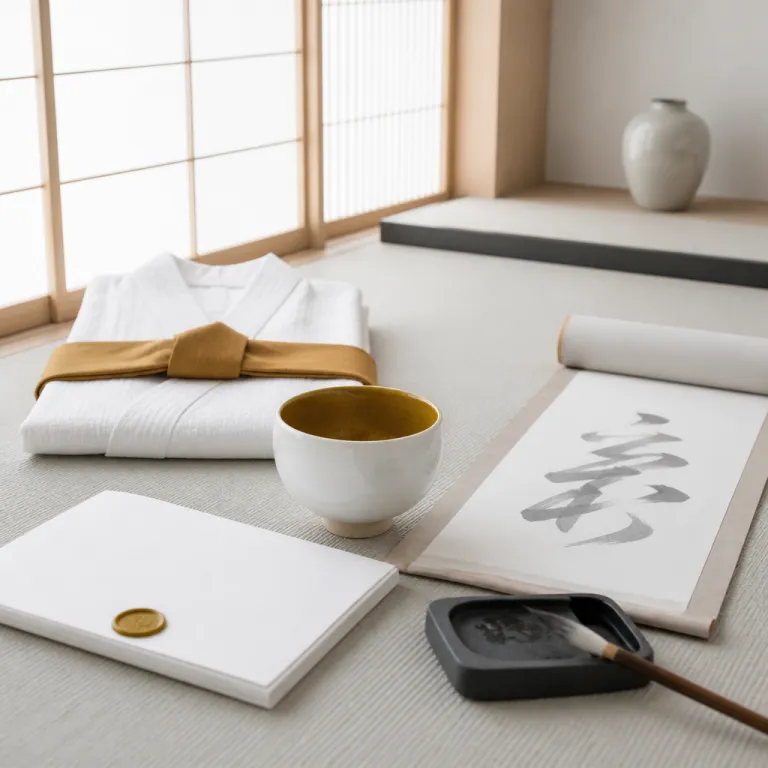
Think of these stays as curated gateways into traditional Japanese life rather than basic places to sleep. A strong in-house program will weave tea ceremony, calligraphy, or local craft into the rhythm of your visit, so guests absorb culture between soaks in hot springs and slow meals that showcase regional produce. This is where ryokan omotenashi becomes visible; Japanese hospitality is expressed not only in how the futon is laid in your ryokan room, but in how patiently a calligraphy teacher guides your first hesitant brushstrokes at low tables in a quiet corner.
Across Japan, a modest but growing number of traditional inns now offer structured cultural workshops as part of their hospitality, according to commentary from regional tourism boards and property listings on major booking platforms. These cultural experience programs usually run around two hours, long enough for travelers to move beyond a photo moment and into real practice. When you plan a trip and choose where to stay ryokan, look for places that treat cultural programming as a core part of the stay, not a side activity squeezed between bus tours or rushed visits to nearby sights.
Kyoto and Kaga: where architecture, artisans and omotenashi align
Kyoto remains the obvious place to seek traditional Japanese culture, but not every Japanese inn in the city offers depth. Higashiyama Shikikaboku, for example, is known for integrating cultural experiences into the architecture and flow of the property, from low tables in intimate rooms to shamisen performances that echo through timber shaped by classical Japanese design. Here, a cultural workshop at a ryokan might mean a pottery session in the afternoon, followed by an evening exploring Gion culture with local experts who explain how rituals evolved.
For travelers who want Japanese hospitality with fewer crowds, Beniya Mukayu in Kaga’s Yamashiro Onsen offers a different rhythm. The retreat sits amid natural beauty, with hot spring baths that open onto a quiet garden and rooms that frame the landscape like scroll paintings. Through its collaboration with the Omotenashi Institute, documented in the property’s own materials and hospitality awards coverage, the hosts treat ryokan omotenashi as a craft to be studied and transmitted, turning each stay into a living workshop on how traditional Japanese service, architecture and cuisine intersect.
Kyoto also rewards those who pair a cultural workshop with a classic place to stay. If you are mapping a longer stay ryokan itinerary, consider reading about authentic Japanese hospitality in Kyoto to understand how a garden facing ryokan room can complement more structured cultural programs. Between Kyoto and Kaga, you can move from urban temples to quieter hot springs, comparing how different ryokans translate Japanese culture into daily rituals for guests. In both regions, the most rewarding properties treat every room, bath and workshop as part of one coherent cultural narrative.
Kyushu myths and mountain rituals: Takachiho and beyond
Head south to Kyushu and the tone shifts from courtly Kyoto refinement to something more elemental. In Takachiho, Ryokan Shinsen uses its rooms and gardens as a stage for night kagura performances, linking guests directly to the mythological landscape that surrounds the town. Here, a cultural experience at a ryokan might involve a swordsmith session by day and masked dance by night, with the hot baths acting as a quiet reset between intense cultural experiences that connect you to local stories.
This is where the idea of a place to stay becomes inseparable from the place itself. The ryokan room is not just a neutral box with tatami mats and low tables; it is a viewing platform for local culture, from the way the futon is folded to the seasonal flowers arranged in the tokonoma alcove. When travelers choose to stay ryokan in Takachiho, they are choosing to let Japanese culture seep in through sound, scent and ritual rather than through museum labels or quick photo stops.
Elsewhere in Kyushu and nearby regions, properties like Kinnotake Tonosawa in Hakone experiment with cultural programming that pairs hot spring onsen time with hands on workshops. Before you book, read about an Atami ryokan onsen stay with private rooms and refined hospitality to calibrate your expectations for service and design. Once you understand how Japanese hospitality can feel at its best, it becomes easier to judge whether a proposed workshop is a genuine extension of that omotenashi or just a tourist facing add on that does not reflect the deeper culture of the region.
Art, onsen towns and the new craft itineraries
On the Japan Sea side, Yamanaka Onsen and Yamashiro Onsen show how hot spring towns are reinventing themselves through art and craft. Hanamurasaki in Yamanaka Onsen offers the Yamanaka Retreat Tour, which threads guests through studios, galleries and riverside paths, turning the entire town into an extended cultural experience based around the ryokan. The onsen baths become punctuation marks in a longer story about lacquerware, poetry and the natural beauty of the Kakusenkei Gorge that travelers walk along between sessions.
Nearby, Beniya Mukayu’s collaboration with the Omotenashi Institute formalizes what many travelers sense intuitively. Japanese hospitality here is not improvised; it is studied, practiced and then expressed in how tea is poured, how a multi course dinner is paced, how staff anticipate when you want the communal baths quiet. For solo travelers, this level of intentionality means you can move through shared spaces and private rooms with confidence, knowing the culture of the place has been thought through at every touchpoint and that staff understand how to support different comfort levels.
These onsen towns are ideal for travelers who want to plan a trip around both hot springs and cultural experiences. You might spend the morning in a lacquer workshop, the afternoon in a hot spring bath, and the evening in your ryokan room writing notes at low tables while steam curls off the outdoor tub. In such places to stay, the line between workshop, stay and town blurs, and Japan feels less like a checklist and more like a culture you are slowly learning to read through repeated, small encounters.
How to read a cultural program before you book
From a distance, every ryokan cultural experience workshop in Japan can sound similar, but the details matter. Start by checking whether the workshops are led by local artisans, in house cultural experts or general ryokan staff, because each model shapes the depth of the experience. Properties that partner with dedicated craftspeople usually offer more rigorous cultural experiences, while those relying only on staff may lean toward lighter, introductory sessions that focus on simple demonstrations.
Next, look at how the workshop fits into the rhythm of the stay. A tea ceremony held in a room designed with traditional Japanese architecture, complete with tatami mats and shoji screens, will feel different from one staged in a multipurpose hall. If the program description mentions local ingredients, seasonal themes or links to nearby shrines and studios, that is a sign the culture of the place is being treated as a living ecosystem rather than a backdrop, and that the ryokan traditional setting is part of the learning.
Practicalities matter as well, especially for solo travelers. Many ryokans recommend that guests book workshops in advance and check seasonal availability, because some activities only run when certain flowers bloom or when rivers are safe for walking. When you plan a trip, ask directly about group size, language support and whether the workshop fee includes access to communal baths or private hot spring tubs, so you can balance time in hot springs with time at the low tables learning a new skill and still enjoy quiet moments in your room.
Onsen etiquette, workshop pacing and the solo traveler’s comfort
For many first time travelers, the idea of communal baths in a Japanese inn can feel more intimidating than a calligraphy class. Yet once you understand onsen etiquette, the hot baths become the quiet counterweight to the intensity of a ryokan cultural experience workshop in Japan. Reading a detailed guide to the onsen analysis card, such as this piece on how to interpret sulfur, iron and salt in hot springs, helps you choose the right hot spring for your body and mood and makes the whole experience feel less mysterious.
Workshop pacing is another overlooked part of Japanese hospitality. A well designed program will leave space between activities for guests to soak, rest in their rooms and absorb what they have learned, rather than rushing from one cultural station to the next. When ryokan omotenashi is working properly, staff will quietly adjust meal times, bath suggestions and even futon setup so that your stay ryokan feels like one continuous, breathable experience that respects both learning and rest.
Remember that you do not need prior experience to participate in most cultural workshops at ryokans. As one industry style summary puts it, “Workshops include tea ceremony, calligraphy, and traditional crafts.” and “Do I need prior experience to participate?” “No, workshops are designed for beginners.” and “Are workshops available year-round?” “Yes, but some are seasonal; check availability in advance.” For a solo traveler, that means you can arrive with curiosity and leave with new skills, a deeper sense of Japanese culture and a mental map of which places to stay you would gladly return to for future trips.
Key figures shaping cultural workshops at ryokans
- Travel industry observers, including regional tourism offices and hospitality trade publications, estimate that dozens of ryokans across Japan currently offer structured cultural workshops, a small but significant fraction of the total ryokan landscape that signals a clear shift toward experiential stays.
- The average workshop duration is about 2 hours, which is long enough for guests to move beyond observation into hands on practice without overwhelming a short stay or cutting into time in the hot spring baths.
- Programs typically run year round, but many properties add seasonal workshops tied to local festivals or harvests, so travelers who plan a trip around specific dates often access rarer cultural experiences that are not available in other months.
- Industry observers note a rising interest in cultural tourism and increased collaboration with local artisans, suggesting that more Japanese inns will formalize their cultural offerings in the coming years and that omotenashi will increasingly include structured learning.
FAQ about cultural experience workshops at ryokans
What types of cultural workshops do ryokans usually offer?
Most ryokans that focus on cultural immersion offer tea ceremony, calligraphy and traditional crafts such as pottery, textile work or lacquerware. Some properties add music, dance or local food sessions built around regional ingredients. The strongest programs connect each activity to the surrounding place, so guests understand how Japanese culture expresses itself in that specific valley, town or neighborhood and how the onsen town’s history shapes the experience.
Do I need any prior experience to join a workshop?
No prior experience is required for the vast majority of ryokan workshops. They are designed for beginners, with instructors who expect nervous first timers and adjust the pace accordingly. As a solo traveler, you can safely book a session knowing you will not be the only person holding a brush or tea whisk for the first time and that staff are used to guiding international visitors.
Are cultural workshops at ryokans available all year?
Workshops are generally available year round, but some are seasonal and depend on weather, festivals or harvest cycles. For example, outdoor craft walks or garden based tea gatherings may pause during heavy snow or typhoon periods. It is wise to confirm seasonal availability when you plan a trip, especially if a specific workshop is the main reason you chose a particular place to stay or a certain hot spring town.
How far in advance should I book a cultural workshop?
Booking at least a few weeks ahead is sensible for popular ryokans, especially in peak cherry blossom or autumn foliage seasons. Smaller properties with limited rooms and intimate class sizes can fill their cultural experiences quickly. When you reserve your ryokan room, request workshop slots at the same time so the staff can shape your stay ryokan schedule around both baths and learning and advise you on ideal timing.
How can I tell if a workshop is authentic or just for tourists?
Look for clear information about who leads the workshop, how it connects to local culture and whether it uses local ingredients or materials. Programs run with local artisans or cultural experts, and integrated into the architecture and daily rhythm of the ryokan, tend to offer deeper experiences. If the description feels generic and could apply to any Japanese inn anywhere in Japan, you may be looking at a surface level activity rather than a genuinely rooted cultural experience that reflects traditional Japanese values.