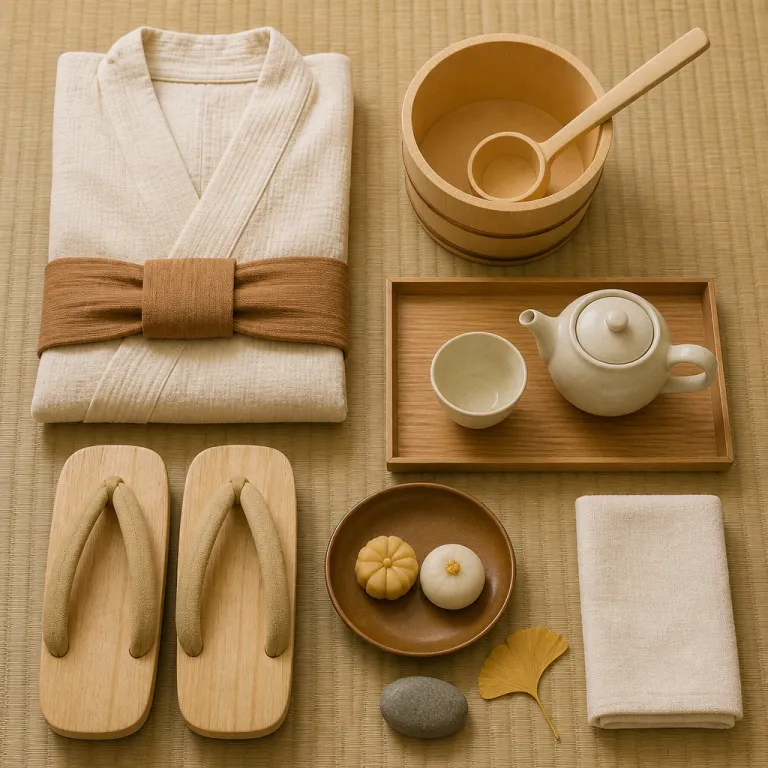
Kayotei ryokan as a hidden gem in Yamanaka Onsen
Nestled in the forested hills of Yamanaka Onsen, Kayotei ryokan offers an intimate retreat with just ten suites rather than a large resort. This traditional Japanese ryokan sits in Ishikawa Prefecture, close enough to Kanazawa for a refined day trip yet far enough to feel like a different world. Each room is designed as a calm place where time slows and the rhythm of hot springs, kaiseki cuisine, and quiet rituals shapes your stay.
The property of Kayotei in Yamanaka is renowned among Japanese travelers for its understated luxury and its focus on omotenashi, the art of wholehearted hospitality. As a luxury and premium booking website user, you will notice that every suite and every Japanese room type is presented with meticulous detail, from tatami layouts to the orientation of each balcony. This level of transparency helps you compare a family suite, a junior suite, or a larger Japanese suite without losing the sense of mystery that makes a traditional Japanese inn so alluring.
Set within the lush valley of Yamanaka Onsen, Kayotei ryokan benefits from mineral rich hot springs that have made this corner of Japan famous for centuries. The ryokan stands a short drive from Komatsu Airport, which simplifies access for international guests who want a seamless arrival on the same day as their flight. Once you cross the small bridge into the property, the outside world fades and the focus turns to private open air baths, seasonal cuisine, and the quiet sound of wind in the cedars.
Architecture, suites, and the art of traditional Japanese comfort
Kayotei ryokan is built as a classic wooden Japanese inn, with low sloping roofs, shoji screens, and tatami mat flooring in every room. The architecture reflects a traditional Japanese aesthetic, yet the integration of modern comforts means each suite feels both authentic and quietly luxurious. This balance is central to the ryokan’s identity and is a key reason it appeals to travelers booking through luxury platforms.
There is a deliberately limited number of suites at Kayotei in Yamanaka, and each Japanese suite is individually styled with handcrafted wooden furniture and soft Japanese paper lanterns. Some suites feature a suite balcony that opens to forest views, while others offer a balcony private corner where you can sit with tea and listen to the river below. When comparing room types online, pay attention to whether you prefer a junior suite, a larger family suite, or a Japanese junior configuration with extra futons for flexible sleeping arrangements.
Bathrooms vary by room type, and this matters if you value a private onsen style experience. Certain suites include a private open air spring bath on the balcony, creating the feeling of your own hot spring while still allowing you to visit the communal onsen. When you read about ryokan design trends and the evolution of Japanese hot springs hospitality, resources such as the official Kayotei website and independent onsen ryokan travel analysis help you understand how Kayotei preserves tradition while embracing discreet innovation.
Onsen rituals, private open air baths, and the rhythm of the day
Staying at Kayotei ryokan means structuring your day around water, from the first morning bath to the last soak before sleep. The communal onsen draws from Yamanaka Onsen hot springs, whose soft alkaline waters are prized across Japan for their soothing effect on skin and muscles. Many guests plan their time so that they alternate between the shared spring bath and their own room bath, especially when they have a balcony private tub.
For travelers who prefer seclusion, suites with a private open air bath on a suite balcony offer the most intimate experience. You can slide open the shoji, step onto the wooden deck, and sink into steaming water while mist rises from the surrounding forest. One guest from Tokyo described listening to the river at night from the tub as “like being in an outdoor onsen hidden in the trees, but with the comfort of your own room just a few steps away.” This type of private hot spring setting is particularly appealing for couples and multi generational families who want to enjoy hot springs together without navigating gender separated bathing areas.
Guests often combine a stay at Kayotei in Yamanaka with a day trip to Kanazawa, returning in the late afternoon to soak again before dinner. If you are planning peak season travel and find that popular onsen areas are fully booked, it is worth studying strategies such as those outlined in guides to where locals book when famous resorts are full. Yamanaka Onsen remains a quieter place than some famous hot spring towns, which makes Kayotei ryokan a refined alternative when you want space, silence, and time to enjoy the baths.
Kaiseki dining, local artisans, and the spirit of omotenashi
Food is central to the Kayotei ryokan experience, and the dining room becomes a stage for seasonal Japanese cuisine. Multi course kaiseki dinners highlight local ingredients from Ishikawa Prefecture, including mountain vegetables, river fish, and delicately prepared seafood from the nearby Sea of Japan. Each dish is served on carefully chosen ceramics and lacquerware, many crafted by artisans from the Yamanaka and Kanazawa region.
The ryokan works closely with local farmers and craftspeople, which deepens the sense of place for guests who value authenticity. Tatami rooms are framed by sliding doors made with Japanese paper, and you may notice that the patterns echo motifs used by lacquer artists and woodworkers in Yamanaka Onsen. This connection between the suite interiors, the dining room setting, and the wider cultural landscape of Ishikawa Prefecture is deliberate and gives each stay a quietly curated character.
Staff embody omotenashi through attentive yet unobtrusive service, anticipating needs before you voice them and adjusting the pace of each meal to your preferred time. As one of the reference explanations notes, “What is kaiseki cuisine? A multi-course Japanese meal emphasizing seasonal ingredients and presentation.” Guests who appreciate this level of culinary detail often explore more of the region’s refined stays, using resources such as a guide to elegant ryokan experiences in Kanazawa to extend their journey beyond Yamanaka.
Location, access, and how to plan your stay around Yamanaka
Kayotei ryokan sits in Yamanaka Onsen, a hot spring town in Ishikawa Prefecture that is surrounded by cedar forests and river gorges. The nearest gateway is Komatsu Airport, from which you can reach the ryokan by car or transfer in roughly an hour depending on traffic and time of day. Many international guests pair a stay here with visits to Kanazawa, using the city as a cultural counterpoint to the quiet of Yamanaka.
The town itself stretches along a dramatic ravine crossed by a famous bridge, and walking paths lead from the ryokan down to riverside trails. During a clear day you can stroll from your Japanese suite to the gorge, then return for a hot spring bath before dinner. This rhythm of gentle activity and restorative bathing is one reason Yamanaka Onsen appeals to travelers who want a slower pace than more crowded hot springs resorts in Japan.
When planning your booking on a luxury platform, consider how many nights you need to fully enjoy both the ryokan and the surrounding place. Two nights allow time for a day trip to Kanazawa, while three nights give space for artisan visits, extra onsen sessions, and unhurried meals in the dining room. Because Kayotei maintains a small number of suites, it is wise to secure your preferred room type well in advance, especially if you want a family suite or a junior suite with a balcony private bath.
Choosing the right suite type for couples, families, and solo travelers
One of the strengths of Kayotei ryokan is the variety of room types within a compact inventory of suites. Couples often gravitate toward a Japanese junior suite with an open air spring bath on a suite balcony, valuing the privacy and the ability to bathe together at any time. Solo travelers may prefer a slightly smaller Japanese suite that still offers a generous tatami room and access to the communal onsen.
Families and multi generational groups tend to choose a family suite, which provides more floor space and flexible futon arrangements. Sliding partitions made with Japanese paper allow you to create separate sleeping zones at night while keeping the room open during the day. When booking through a premium ryokan website, look closely at floor plans and note whether the balcony private area is large enough for everyone to sit together between baths.
Guests interested in cultural immersion should also consider how much time they plan to spend inside the room versus exploring Yamanaka Onsen and the wider Ishikawa Prefecture. If you expect to spend long stretches reading on the balcony, choose a suite with a strong connection to the surrounding forest and a private open air bath. Those who plan more excursions to Kanazawa, the Higashiyama district, and nearby artisan workshops may prioritize location and dining room availability over the most elaborate in room spring bath.
Kayotei ryokan within Japan’s evolving luxury ryokan landscape
Within Japan’s broader luxury ryokan scene, Kayotei ryokan stands out for its commitment to preserving a traditional Japanese atmosphere while quietly updating comfort standards. The property’s intimate scale allows staff to maintain a high staff to guest ratio, which is reflected in consistently strong guest impressions shared on travel platforms. This smaller size also means that each room, each bath, and each dining room seating can be tailored to individual preferences.
As interest in authentic cultural experiences grows, travelers are increasingly seeking ryokan stays that feel rooted in their local community. Kayotei in Yamanaka responds by collaborating with artisans, farmers, and cultural practitioners from across Ishikawa Prefecture, turning each stay into a subtle introduction to the region. Guests who arrive via Komatsu Airport and continue on to Kanazawa or the Higashiyama district often describe Kayotei as the emotional anchor of their journey through this part of Japan.
For luxury and premium booking platforms, Kayotei ryokan illustrates how a traditional Japanese inn can appeal to discerning international guests without losing its soul. The combination of hot springs, private open air baths, carefully designed Japanese suites, and deeply local cuisine creates a complete experience rather than a simple place to sleep. When you choose your room type and plan your time here, you are not just booking a stay; you are aligning your trip with a style of hospitality that values quiet detail over spectacle.
Key figures and statistics about Kayotei and Yamanaka Onsen
- Kayotei ryokan is a boutique property with a limited number of suites, a deliberately small inventory that enhances privacy and personalized service compared with larger properties in Ishikawa Prefecture (figures should be confirmed against the official Kayotei website or booking confirmation at the time of reservation).
- Guest feedback for Kayotei on major travel platforms frequently highlights room comfort, hot springs, and dining experiences; specific average review scores can change over time, so it is advisable to check current ratings directly on your preferred booking site before you book.
- Typical check in and check out times at Kayotei are designed to give guests ample time to enjoy the onsen and kaiseki meals; exact hours may vary by season or plan, so always verify the latest schedule in your reservation details or pre-arrival information.
- Yamanaka Onsen is part of the Kaga hot springs area in Ishikawa Prefecture, a region that has seen rising demand from international visitors seeking traditional Japanese ryokan stays outside the most famous cities and ski resorts.
- Komatsu Airport serves as the main air gateway for Ishikawa Prefecture and offers multiple daily connections to major Japanese hubs, making Yamanaka Onsen accessible within a half day of travel from many international arrival points when combined with rail or private transfer.
FAQ about Kayotei ryokan and traditional Japanese stays
What is a ryokan and how does Kayotei fit this type of stay ?
A ryokan is a traditional Japanese inn featuring tatami matted rooms and communal baths, often centered around hot springs. Kayotei ryokan follows this classic model with tatami rooms, shoji screens, and onsen facilities, while adding discreet modern comforts and a strong focus on personalized service. Its small scale and emphasis on local culture make it a refined example of this accommodation type in Ishikawa Prefecture.
What is kaiseki cuisine at Kayotei’s dining room like ?
Kaiseki is a multi course Japanese meal that highlights seasonal ingredients and precise presentation, and at Kayotei it is served in the dining room or in your suite depending on your plan. Menus often feature produce from local farmers, seafood from the Sea of Japan, and regional specialties from Yamanaka and Kanazawa. The pacing of each course is adjusted to your preferred time, reflecting the ryokan’s omotenashi approach.
What is omotenashi and how is it expressed at Kayotei ?
Omotenashi is the Japanese concept of wholehearted hospitality and service, where hosts anticipate needs without being intrusive. At Kayotei, this appears in thoughtful touches such as preparing your room bath at the right temperature, arranging futons while you dine, and adapting meal times to your schedule. Staff aim to create a seamless experience so that you can focus on the hot springs, the scenery, and the quiet of Yamanaka Onsen.
How do I reach Kayotei in Yamanaka Onsen from Komatsu Airport ?
From Komatsu Airport you can travel to Yamanaka Onsen by a combination of train and taxi or by private transfer arranged through the ryokan or a luxury booking website. The journey typically takes around an hour depending on connections and time of day. Many guests also combine the transfer with a brief stop in Kanazawa before continuing to the hot springs.
Is Kayotei suitable for families and multi generational trips ?
Kayotei ryokan is well suited to families, especially when you book a family suite or a larger Japanese suite with flexible futon arrangements. Private open air baths and balcony private spaces allow families to enjoy hot springs together, while communal areas remain calm and quiet. Because there is a limited number of suites, it is advisable to reserve early if you are planning a multi room stay for a special occasion.