Kai matsumoto reopening review 2026 as a test of the ryokan idea
KAI Matsumoto’s 2026 relaunch is less a simple refurbishment and more a manifesto for what a contemporary onsen ryokan can be. Any thoughtful kai matsumoto reopening review 2026 has to start with that shift in intent. Hoshino Resorts has recast this hot spring inn as a music focused retreat where every guest room doubles as a listening lounge, every bath feels like a stage, and the traditional trade between ritual and relaxation is renegotiated for a new generation of travelers from the United States and beyond.
For couples used to rating luxury hotels by thread count and rooftop bars, this property asks a sharper question about what a ryokan experience can be at night when the vinyl spins, the hot spring steam rises, and the room itself becomes part of the performance. The official Hoshino Resorts press materials describe the reopening as a concept driven project, and the on property photography and room descriptions on the KAI Matsumoto booking page underline that this is not a cosmetic refresh but a rethinking of how guests move between rooms, baths, and shared spaces.
The headline change in this kai matsumoto reopening review 2026 is culinary; Italian replaces kaiseki, with a structured course menu built to pair with local Shinshu wines rather than sake. According to Hoshino Resorts’ official materials, the dinner sequence now opens with Stuzzichini on a piano shaped plate, olive oil glossing layered sauces, which feels closer to a design hotel in Milan than a mountain ryokan in Nagano, yet the price still includes both dinner and breakfast in the classic onsen package style.
For couples comparing rooms and hotels across Japan best onsen destinations, the key is understanding that this inn is no longer about seasonal kaiseki theatre but about a wine bar as a third space between room and dining hall, where you will find a quieter, more urbane rhythm and a dining room that behaves more like a contemporary restaurant than a ceremonial banquet hall. The official dinner overview on Hoshino’s site confirms that the wine list leans heavily on Nagano labels, so oenophiles can treat the meal as a regional tasting as much as a hotel course dinner.
Access remains straightforward for international guests; KAI Matsumoto sits about a 15 minute walk or short taxi ride by car from JR Matsumoto Station, making it an easy add on to a ski resort itinerary in the Northern Alps or a rail loop that also touches Lake Kawaguchi and other onsen towns. The front desk operates with the polished efficiency regulars expect from Hoshino Resorts, handling booking adjustments, late arrivals from the station, and guest review feedback with the same calm precision as a city hotel.
As of the latest information on the official property page, starting rates typically begin from around 41,000 JPY per person based on double occupancy, which positions the property firmly in the premium bracket but still competitive with high end hotels that lack any natural hot spring on site. That figure is drawn from the publicly listed rate calendar on Hoshino Resorts’ direct booking engine, but always confirm current pricing and reopening details directly with Hoshino before you lock in dates, as seasonal demand and special plans can shift the nightly cost.
GAKU no Ma rooms, vinyl rituals, and the new language of comfort
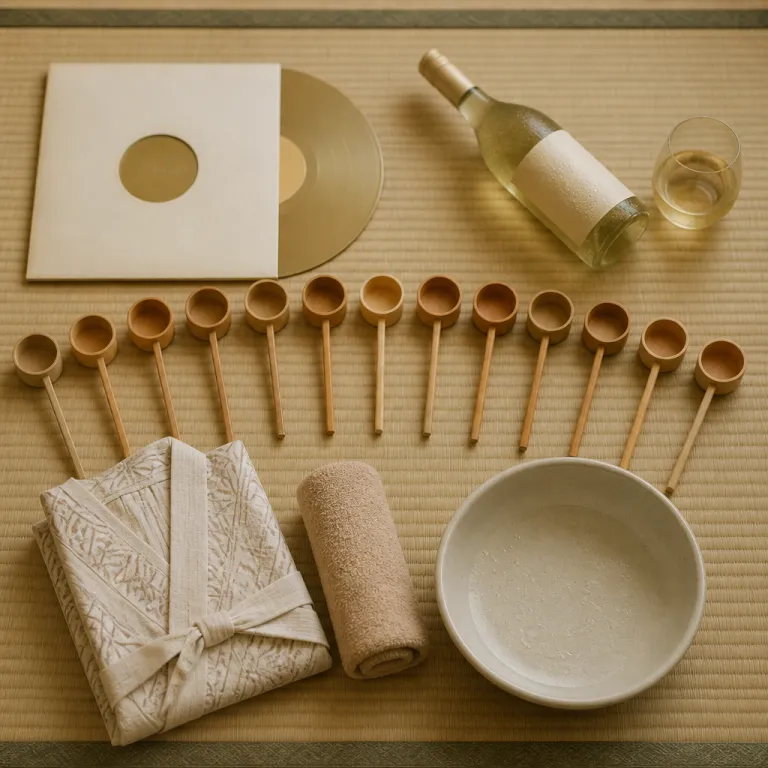
The most radical element in any honest kai matsumoto reopening review 2026 is the GAKU no Ma room concept, which turns all 29 rooms into music suites equipped with high fidelity speakers and analog record players, as outlined in Hoshino Resorts’ reopening announcement and room inventory list. Headboards carry Matsumoto Keisei nuri lacquer panels, a direct nod to the city’s guitar manufacturing heritage, so the room design literally embeds the sound of the region into the walls and reframes what a ryokan room should feel like once the futon is laid out for the night.
For couples arriving from the United States or Europe, used to streaming playlists in anonymous rooms and public spaces, the tactility of vinyl and the soft crackle between tracks becomes part of the onsen experience itself, turning late evening listening into a shared ritual rather than background noise. The official photo gallery on Hoshino’s site shows shelves of carefully selected records in each GAKU no Ma, and early guest reviews already focus on the pleasure of browsing sleeves before a soak in the bath.
Hoshino describes the renewed property as a place where “music, hot springs, and Matsumoto’s craftsmanship resonate,” and the “Thirteen Baths” idea is framed as a way to experience multiple moods of the same source water rather than a single signature pool. In practice, that language translates into a stay where the inn feels curated like a gallery, and where the trade between silence and sound is as carefully managed as the temperature of each hot spring bath.
Couples who usually read guest reviews for clues about mattress firmness or minibar contents will instead find detailed reviews of the record library, the warmth of the analog sound, and how the music shapes the mood of the room at different times of day, from pre dinner aperitivo listening to slower, more introspective late night sessions. The property’s own FAQ section even notes quiet hours and volume guidelines, underscoring that this is a listening focused retreat rather than a party hotel.
From a practical standpoint, the rooms are divided between those with private open air baths and those that rely on the shared public bath zones, and Hoshino’s official room list confirms that 19 of the 29 rooms now feature private outdoor baths that draw directly from the natural hot spring source at Asama Onsen. If you are planning a romantic trip and comparing whether to book a room for one or two, it is worth reading guidance on what actually changes when you book a room for one, then applying that lens to this property’s pricing and room categories.
The rating you assign will likely hinge on whether you value the intimacy of a private bath on your terrace more than the social rhythm of moving between rooms, public corridors, and the indoor outdoor bathing circuit that defines the shared onsen spaces, especially if you are used to hotels where soaking is a quick amenity rather than the main event. For many couples, the sweet spot will be a GAKU no Ma with its own rotenburo, where you can move directly from a vinyl listening session to a private soak without ever stepping into a corridor.
Thirteen baths, Asama onsen, and where KAI Matsumoto sits among japan best ryokan stays
For all the noise around vinyl and Vermentino, the core of any kai matsumoto reopening review 2026 must be the bathing programme, because this is where the property still behaves like a classic onsen ryokan. Fed by Asama Onsen, the resort offers eight types and thirteen variations of hot springs, including indoor outdoor pools, open air rotenburo, and a sauna, which means couples can design a personal onsen experience that shifts from quiet morning immersion to hotter, more social soaks before dinner.
The water is a true natural hot spring rather than a heated circulation pool, and that distinction matters if you are comparing price and value against hotels near a ski resort that only simulate onsen conditions and cannot offer the same mineral rich, continuously refreshed flow. Hoshino Resorts’ official onsen description for KAI Matsumoto specifies that the baths draw directly from the Asama source, and the temperature and mineral profile are listed alongside usage guidelines for guests who are new to Japanese bathing etiquette.
The layout separates gendered public bath areas from the more intimate private baths attached to certain rooms, so you will find a clear rhythm between communal and secluded soaking. Some baths are fully indoor, others are outdoor pools with open air views, and a few are designed as indoor outdoor transitions where steam hangs low over stone and wood, which will appeal to travelers who loved the multi bath walk in Kinosaki and have read about that town’s seven bath culture in pieces such as Kinosaki’s seven bath walk.
Unlike many hotels that charge extra for certain facilities, most of the bathing circuit here is included at effectively free charge once you are checked in, and the front desk team can map out quieter times if you prefer to avoid rooms public flows at peak hours and want a more meditative soak. The official facilities page also notes cleaning schedules and peak usage windows, which is useful if you are planning a proposal, anniversary, or simply want a less crowded experience.
Positioning KAI Matsumoto among Japan best ryokan destinations means comparing it not only to other Hoshino properties but also to independent onsen ryokan such as Kayotei in Yamanaka Onsen, which we have covered as an intimate luxury retreat with a more traditional kaiseki focus. Where Kayotei leans into heritage and slow craft, KAI Matsumoto leans into design, music, and a more cosmopolitan dining room, so the right choice for your booking depends on whether you want a purist ryokan experience or a hybrid inn that plays with the boundaries of what a hot spring retreat can be.
For couples planning a route from Tokyo through Matsumoto Station and on toward Lake Kawaguchi or a Nagano ski resort, the most strategic move is to check availability early, read recent guest reviews for granular detail on room comfort and bath temperature, and then decide whether this particular blend of vinyl, Vermentino, and thirteen baths matches your idea of luxury for that specific night. Reopening specifics, room counts, and seasonal pricing are best verified directly with the official site, where Hoshino Resorts maintains up to date information on plans, inclusions, and any limited time offers tied to the 2026 relaunch.
