Why rural towns in Japan create the most refined ryokan stays
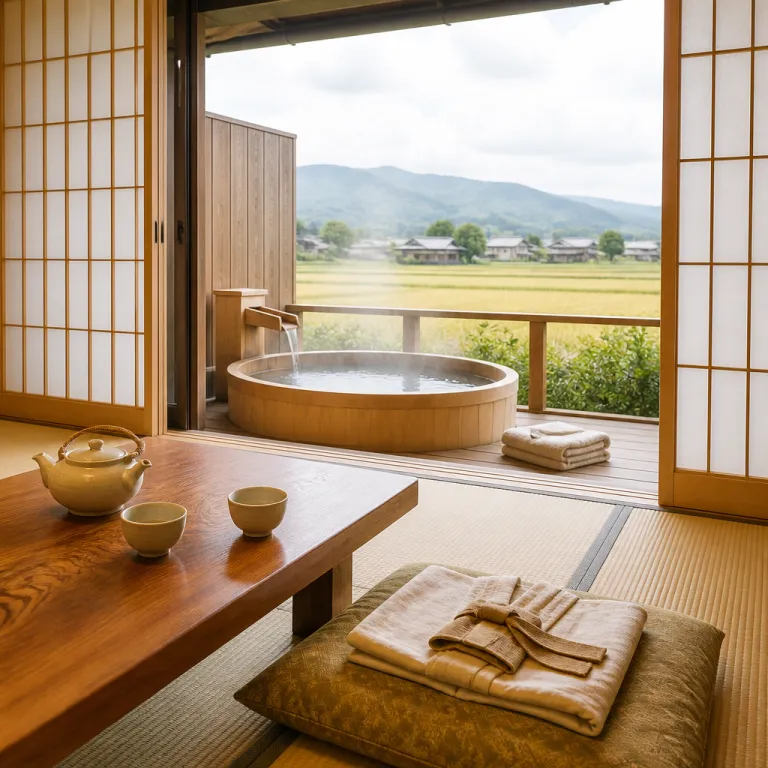
Rural towns in Japan offer a calm, layered atmosphere that suits luxury ryokan stays perfectly. In these quieter regions, the rhythm of time slows just enough to let you feel every detail of the experience, from the first bow at check-in to the last glimpse of lantern light at night. For travellers used to the pace of Tokyo, the contrast with the Japanese countryside feels both intimate and quietly dramatic.
Choosing rural Japan for your next trip means trading neon skylines for mountain silhouettes and rice terraces. These pastoral landscapes frame some of the best onsen ryokan properties, where private hot springs, kaiseki dinners, and tatami suites open directly onto natural scenery in every season. The most sought-after small towns balance discreet service, strong cultural heritage, and easy access to hot springs, hiking trails, and traditional villages that still follow long-established calendars.
Many of the finest ryokan in regional towns sit in a single prefectural valley or along an old trade route, which keeps the scenery cohesive and the atmosphere authentic. In Nagano Prefecture, for example, preserved post towns such as Tsumago and Magome show how countryside life once revolved around travellers, horses, and wooden inns. Staying in a luxury ryokan there lets you enjoy refined comfort while walking streets where cars are restricted and Edo-era silhouettes still define the low skyline.
Signature rural ryokan experiences in Shirakawa-go, Ainokura, Tsumago, and Magome
Some of the best rural towns in Japan for a ryokan-focused trip are already recognised for their preservation efforts. Shirakawa-go in Gifu Prefecture and Ainokura in neighbouring Toyama Prefecture are UNESCO-listed mountain hamlets, where steep thatched farmhouses known as gasshō-zukuri stand against snow-covered peaks. Here, luxury and premium ryokan-style stays often mean intimate properties with only a few rooms, offering private onsen baths that look directly onto fields and forested hillsides.
Tsumago and Magome in Nagano Prefecture form another refined axis for rural Japan travel, especially for guests who appreciate history. These small post towns on the former Nakasendo route have banned visible power lines and modern signage, preserving a traditional streetscape that feels cinematic yet lived in. When you book a high-end ryokan here, you step from polished wooden corridors straight into stone-paved lanes, then follow lanterns back to multi-course dinners that reinterpret regional ingredients with quiet precision.
Local tourism boards in each prefecture support guided walks, cultural workshops, and seasonal festivals that pair beautifully with a ryokan stay. You might join a sake tasting in a small brewery, learn about cherry blossom viewing customs, or attend an autumn celebration before returning to your suite’s cypress bath. For guests who want a deeper experience, some properties can arrange private guides, rental car transfers between nearby towns, and curated visits to adjacent national park landscapes that highlight rural scenery at its most dramatic.
Designing a luxury ryokan trip through the Japanese countryside
Planning a premium itinerary through rural towns in Japan starts with choosing your prefecture focus. Many travellers pair a few nights in Tokyo with a loop through regions such as Nagano Prefecture, Gifu Prefecture, or Toyama Prefecture, using a mix of trains, buses, and a rental car for the most flexible access to small communities. This combination lets you enjoy both the energy of the capital and the quiet of remote valleys and mountain basins in a single trip.
The best time for a countryside journey depends on the experience you want most. Spring brings cherry blossoms to many towns, with petals drifting over rivers beside traditional inns and hot springs, while autumn wraps the Japanese countryside in deep reds and golds that frame every onsen terrace. Winter highlights the natural beauty of Shirakawa-go and Ainokura, where snow piles high on gasshō-zukuri roofs and indoor baths feel especially indulgent after a walk through the cold air.
Luxury booking platforms dedicated to ryokan stays help you compare room types, private onsen options, and meal plans across different rural towns. Look for properties that limit the number of guests, emphasise local cultural heritage, and offer flexible check-in times that match your travel connections. When distances between villages are short, consider staying two nights in one countryside ryokan and then moving by rental car or private transfer to another, creating a gentle progression through different scenery and rural atmospheres.
Onsen, hot springs, and the art of slow bathing in rural Japan
For many guests, the defining experience of rural towns in Japan is the onsen ritual. Natural hot springs bubble beneath much of the Japanese archipelago, and ryokan owners have spent generations perfecting how to frame these waters with stone, cedar, and carefully edited views. In the countryside, bathing becomes a slow ceremony, with time stretching between indoor and outdoor pools, steam, and the quiet sound of wind in bamboo.
High-end ryokan in rural areas often offer both shared and private hot springs, each with a different view of surrounding landscapes. One bath might face a river lined with cherry blossoms, while another opens toward terraced fields or a distant national park ridge, giving you a sense of the wider countryside without leaving the property. Many suites now include semi open-air tubs, so you can bathe under the sky at any time, listening to rain or snow while remaining sheltered.
Regions such as Nagano Prefecture, Iya Valley, and the mountain belts between Gifu Prefecture and Toyama Prefecture are especially rich in onsen culture. In Iya Valley, for example, some ryokan perch on steep slopes above deep gorges, offering hot springs that seem to hang over the rural landscape below. Whether you choose one property or several, focus on towns where the hot springs feel integrated into the natural beauty and cultural heritage of the area, rather than added as an afterthought to attract travel traffic from Tokyo or other cities.
Immersive local culture, cuisine, and seasonal rhythms in rural towns
Staying in rural towns in Japan through a luxury ryokan platform gives you access to local life that day trips cannot match. In places like Tsumago, Magome, Shirakawa-go, and Ainokura, mornings start with soft light over wooden eaves and the sound of residents opening shutters, not commuter trains. This slower pace lets you notice how countryside routines still follow the seasons, from rice planting to autumn harvest festivals.
Many premium ryokan in rural Japan work closely with farmers, foragers, and artisans in nearby villages to shape their menus and experiences. Kaiseki dinners might feature river fish grilled over charcoal, mountain vegetables gathered that morning, and sake brewed in the same prefecture, all presented on ceramics made in neighbouring towns. When cherry blossoms or autumn leaves reach their peak, chefs adjust dishes and plating to echo the colours outside, turning each meal into a reflection of the surrounding landscape.
Cultural activities deepen this connection between guest and place, especially when curated through a specialised booking website. You might join a guided walk along the old Nakasendo between Tsumago and Magome, take part in a workshop on gasshō-zukuri architecture in Shirakawa-go, or learn local crafts in a small community centre. For travellers who want to combine rural sanctuaries with an urban stay, pairing these experiences with a refined winter ryokan stay in the capital, using a resource such as this guide to elegant escapes in Tokyo in winter, creates a balanced side-Japan itinerary that feels both polished and deeply rooted.
How luxury booking platforms elevate rural ryokan stays off the beaten path
Specialised luxury and premium booking websites for ryokan stays in rural towns in Japan do more than list rooms. They curate regions and properties that meet strict standards for service, design, and authenticity, helping you avoid generic options and focus on ryokan that genuinely reflect the Japanese countryside. This curation is especially valuable in remote areas where English signage is limited and many small properties rely on phone reservations or local agents.
These platforms often provide detailed guidance on the best time to visit each prefecture, from snow seasons in Shirakawa-go to cherry blossoms in Nagano Prefecture and quiet summer months in Iya Valley. They also clarify access, explaining when a rental car is practical, when public transportation is more efficient, and how long transfers between villages will take in real travel time. For guests planning a multi-stop trip through several rural towns, this level of information prevents rushed days and ensures you arrive at each ryokan with enough time to enjoy the onsen, meals, and scenery.
Digital tools now extend the experience beyond booking, with maps, audio guides, and virtual previews of towns and national park trails that surround them. Some platforms partner with local tourism boards and cultural preservation societies to highlight events, from winter illuminations in Shirakawa-go to festivals in Tsumago and Magome, so you can align your stay with meaningful cultural heritage moments. Used well, these services turn a journey through rural towns in Japan into a coherent narrative, guiding you along a thoughtful beaten path that still leaves space for quiet side-trip detours and personal discoveries.
Key figures shaping luxury ryokan travel in rural Japan
- Shirakawa-go welcomes around 1.5 million visitors each year, according to the Gifu Prefecture Tourism Board, yet luxury ryokan stays remain limited, which preserves a calm atmosphere despite the headline number (see Gifu Prefecture Tourism Federation statistics, 2019).
- Ainokura has a resident population of roughly 60 people, based on Toyama Prefecture statistics, so premium ryokan-style stays here feel especially intimate and closely connected to local life (Toyama Prefecture census data, 2020).
- Tsumago has been the focus of formal preservation efforts since 1968, as recorded by Nagano Prefecture Cultural Affairs, making it one of the earliest Japanese countryside towns to prioritise heritage over rapid development (Nagiso Town Preservation Council archives).
- Magome sits at an elevation of about 600 metres, according to the Nagano Prefecture geographic survey, which gives its compact skyline crisp mountain views and cooler summer evenings ideal for onsen bathing (Nagano Prefecture topographic survey, latest edition).
FAQ about luxury ryokan stays in rural towns in Japan
What is gasshō zukuri architecture?
Gasshō-zukuri architecture refers to traditional Japanese farmhouses with steep thatched roofs designed to shed heavy snow. In rural towns such as Shirakawa-go and Ainokura, many of these structures now host refined stays or sit beside luxury ryokan, giving guests direct views of this distinctive countryside silhouette. Choosing a property near these houses lets you experience Japanese rural history without sacrificing comfort.
How do I reach Shirakawa-go for a ryokan stay ?
Shirakawa-go is typically reached by highway bus from Takayama or Kanazawa, with journeys taking about 50 to 75 minutes each way. Many luxury travellers combine a rail journey from Tokyo with a regional bus transfer, then use a rental car or private transfer to move between nearby rural towns and historic villages. Booking platforms focused on rural Japan often provide up-to-date schedules and can coordinate arrival times with ryokan check-in.
Are there traditional inns in Tsumago suitable for premium stays ?
Yes, Tsumago offers traditional inns and guesthouses, including options suitable for premium stays. While some properties are simple, a growing number of high-end ryokan-style accommodations provide ensuite baths, multi-course dinners, and carefully restored rooms that highlight the town’s cultural heritage. For the best experience, stay at least one night to enjoy the quiet streets after day-trippers leave.
When is the best season to visit Magome for a ryokan trip ?
Magome is especially appealing in autumn for foliage and in spring for cherry blossoms. Luxury ryokan bookings in this part of Nagano Prefecture peak during these periods, when the surrounding hills frame the town in vivid colour. If you prefer quieter travel, consider early summer or winter weekdays, when rural towns in Japan feel especially serene.
How can I respect local customs during a rural ryokan stay ?
Guests in rural towns in Japan should follow a few simple guidelines to support local communities. Remove shoes where indicated, keep voices low in shared onsen and corridors, and carry cash for small purchases in local shops that may not accept cards. Checking seasonal events in each prefecture before you travel also helps you avoid conflicts with local rituals and ensures your trip aligns respectfully with long-standing traditions.