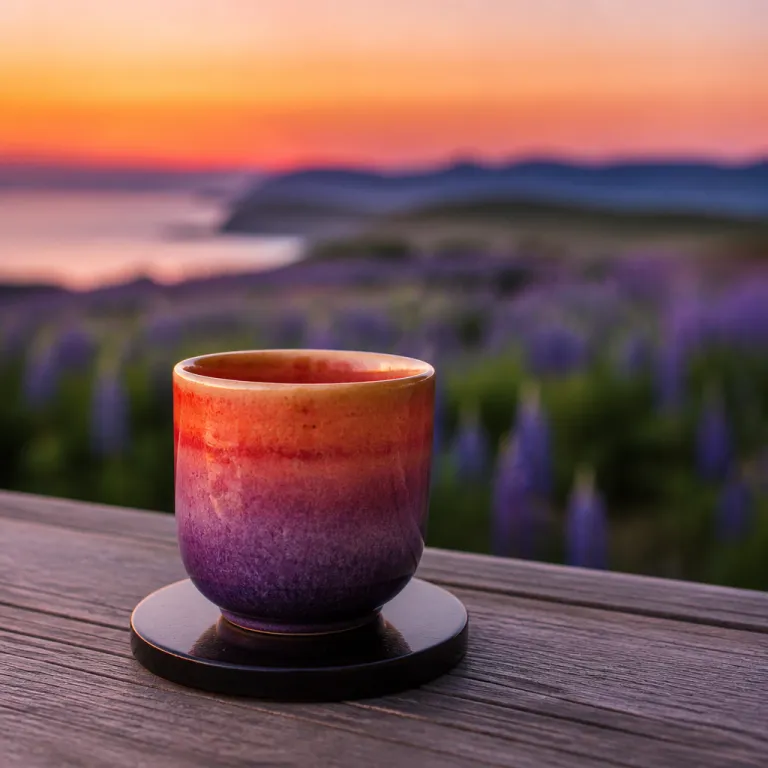
Why Hokkaido Japan summer is ideal for luxury ryokan stays
Hokkaido in summer offers a rare combination of mild air and luminous skies. During the Hokkaido Japan summer season, average daytime temperatures in Sapporo sit around 22 °C, according to long-term climate data from the Japan Meteorological Agency, which makes it one of the most comfortable climates in Japan for guests who overheat easily in traditional wooden rooms. This cooler time of year lets you enjoy tatami suites, kaiseki dinners, and private hot springs without the heavy humidity that affects much of mainland Japan.
For many travelers, the best time to visit Hokkaido aligns with the lavender and sunflower bloom from July to August. The Hokkaido Tourism Organization notes that summer brings mild temperatures, vibrant flower fields, and abundant outdoor activities. When you plan your travel around this season, you can enjoy long daylight hours, comfortable evening walks in yukata, and a slower time rhythm that suits the ryokan experience.
Luxury ryokan in Hokkaido balance classic Japanese omotenashi hospitality with discreet modern comforts. You might spend a day exploring a nearby national park, then return to a riverside open air bath while the air stays cool but not cold, even in the height of Hokkaido summer. This time of year is also the best moment to visit Hokkaido if you want to avoid the deep snow and ice of Hokkaido winter, yet still feel close to the island’s wild landscapes.
Sapporo, Lake Tōya, and urban edge: where city lights meet onsen nights
Sapporo is often the first stop for travelers who want to visit Hokkaido in style. The city’s grid layout and efficient public transportation make it easy to reach refined ryokan-style properties in nearby hot spring areas, while still enjoying Sapporo’s dining scene and the famous Sapporo Beer Museum during the day. In Hokkaido Japan summer, this balance between urban energy and onsen calm feels especially appealing, because the city never becomes oppressively hot.
Within an hour or two by train or rental car, you reach Lake Tōya, where lakeside ryokan such as The Lake View Toya Nonokaze Resort or Toya Sun Palace Resort & Spa offer suites with panoramic views of the caldera lake. On clear days in July and August, the water reflects soft blue light, and you can enjoy private open air baths while cool breezes cross the lake surface. Many guests choose this time of year as their best time to visit because they can dine on seasonal Japanese seafood on the terrace, instead of staying indoors as they would during the snow festival period in winter.
When selecting a premium ryokan near Sapporo, pay close attention to onsen etiquette, especially if you have tattoos. Policies vary by property and region across Japan, so it is wise to consult a detailed tattoo-friendly ryokan guide or confirm directly with the inn before you book. Taking the time to check these details before your travel will help you enjoy every hot spring bath without last minute surprises during your Hokkaido summer stay.
Furano and Biei: flower fields, farm to table kaiseki, and cool evenings
Furano and nearby Biei have become emblematic of Hokkaido Japan summer thanks to their sweeping lavender fields and patchwork farms. The best time to visit these central Hokkaido landscapes is usually mid July to early August, when lavender peaks and the hills glow with multiple shades of green and gold. From a luxury ryokan perspective, this season offers the most photogenic backdrops for private garden breakfasts and evening strolls in yukata.
Many high end ryokan in the Furano area work closely with local farmers to design seasonal kaiseki menus. During this time of year, you can enjoy Japanese corn, melons, and dairy products at their sweetest, often served alongside cool Hokkaido white wines or carefully paired sake. Because the air remains relatively dry compared with southern Japan, guests can comfortably dine on open decks, listening to the soft sounds of the countryside rather than retreating indoors to escape hot, humid nights.
July August stays in Furano also pair beautifully with cultural experiences that highlight the rhythm of the season. Some properties offer guided day trips to nearby flower farms, followed by late afternoon access to private hot springs that feel especially soothing after walking through fields under the sun. One guest described the contrast as “stepping from a sea of purple into a cloud of steam.” For a deeper look at how summer changes the atmosphere of traditional inns across Japan, the analysis of seasonal ryokan culture on why July feels different in summer ryokan provides useful context before you plan your time to visit Hokkaido.
Shiretoko peninsula and eastern Hokkaido: wild coasts and refined retreats
The Shiretoko peninsula, a UNESCO listed region in eastern Hokkaido, offers one of the most dramatic settings for a luxury ryokan stay in Hokkaido Japan summer. In winter, this coastline is known for drift ice and harsh winds, but during the warm season the same national park becomes a sanctuary of deep green forests and calm seas. Choosing this time of year lets you enjoy the wildness of Shiretoko without the logistical challenges of Hokkaido winter travel.
High end ryokan in and around Shiretoko, including properties near Utoro Onsen, often frame their suites to showcase the contrast between sea and mountains. Guests can spend the day exploring Shiretoko National Park on guided walks, then return to soak in open air baths while the evening air stays cool but not cold. Because the best time to visit this area coincides with long daylight hours, you can enjoy late boat cruises or wildlife watching before returning to multi course Japanese dinners that highlight local seafood.
Further inland, Lake Mashū and the surrounding Akan Mashū National Park offer another refined base for travelers who want to visit Hokkaido beyond the usual routes. Here, ryokan often feature rooms with views over crater lakes, and in summer the water appears an intense blue that contrasts with the snow and ice seen in other times of year. Whether you arrive by rental car or carefully planned public transportation, this region rewards guests who value quiet, space, and a slower time rhythm during their Hokkaido summer journey.
Daisetsuzan National Park, Sōunkyō Onsen, and alpine onsen elegance
Daisetsuzan National Park, the largest national park in Japan, forms the mountainous heart of Hokkaido and offers a different angle on Hokkaido Japan summer. While the coasts feel mild, the highlands can still hold patches of powder snow into early summer, creating a striking contrast with the hot springs that bubble at their base. For ryokan guests, this is the best time to enjoy alpine scenery without the deep freeze that defines the same region in Hokkaido winter.
Sōunkyō Onsen, set in a dramatic gorge on the edge of Daisetsuzan, hosts several premium ryokan that specialize in open air baths framed by cliffs and forests. During July August, waterfalls run strong from the remaining snow, and guests can enjoy long day hikes followed by restorative soaks in mineral rich waters. Because this area sits inland, evenings cool quickly, which makes it comfortable to wear yukata outdoors and enjoy multi course Japanese dinners that highlight mountain vegetables and river fish.
When planning your time to visit Daisetsuzan, consider how you will move between trailheads and your ryokan. Public transportation reaches key gateways such as Asahikawa and Kamikawa, but a rental car offers more flexibility for early morning hikes and late returns, especially in this vast national park. Many luxury properties can arrange private transfers or guided excursions, allowing you to focus on the rhythm of your stay rather than the logistics of travel during your Hokkaido summer escape.
Planning your Hokkaido Japan summer ryokan itinerary: timing, access, and quiet luxury
Thoughtful planning transforms a Hokkaido Japan summer trip from a simple holiday into a seamless ryokan journey. Start by deciding your preferred time of year: early summer offers cooler air and lingering cherry blossoms in some areas, while July August brings peak flower fields and the most stable weather. For many guests, the best time to visit Hokkaido falls between these peaks, when crowds thin slightly but the season still feels vibrant.
Access also shapes your experience, especially when combining multiple regions such as Sapporo, Lake Tōya, Furano, and the Shiretoko peninsula. Hokkaido’s public transportation network covers major hubs, yet a rental car often suits travelers who want to reach remote hot springs or lakes like Lake Mashū without tight timetables. If you prefer curated support, specialist services such as a dedicated Tōhoku and Hokkaido travel planning team can help you design cross regional itineraries that link northern Honshū and Hokkaido in one elegant arc.
Finally, consider how your expectations of snow, ice, and hot springs align with the reality of Hokkaido summer. While you will not see the famous snow festival sculptures or deep powder snow during this season, you gain long days, comfortable temperatures, and the chance to enjoy lakes such as Lake Tōya in their full blue clarity. By aligning your time to visit with your personal rhythm, you allow each ryokan stay to feel unhurried, letting Japanese hospitality, seasonal cuisine, and carefully designed baths define your memory of travel in northern Japan.
Key figures for planning a Hokkaido summer ryokan stay
- Average daytime temperatures in Sapporo reach about 21.9 °C in July and 22.9 °C in August, based on Japan Meteorological Agency climate normals, which makes Hokkaido summer significantly cooler than many other regions of Japan during the same period.
- Lavender fields in areas such as Furano usually reach their best color around mid July, which means travelers who visit Hokkaido in the second half of that month often enjoy both peak blooms and relatively moderate crowds.
- Hokkaido largely escapes Japan’s main rainy season, known as tsuyu, so the probability of extended rain during Hokkaido Japan summer is lower than in regions like Kyōto or Tōkyō, improving the reliability of outdoor plans.
- Travelers who book popular hot spring areas such as Sōunkyō Onsen or Lake Tōya are advised to reserve ryokan stays several months in advance for July August, because domestic demand for summer holidays has risen alongside interest in cooler northern destinations.
FAQ about Hokkaido Japan summer ryokan stays
What is the best time to see lavender fields in Hokkaido near a ryokan stay ?
The best time to see lavender fields in Hokkaido, especially around Furano, is usually mid July, when the plants reach full bloom and the surrounding hills show their most vivid colors. Many luxury ryokan in the region offer shuttle services or guided visits to nearby farms during this period. Booking your stay around this window lets you combine peak flowers with comfortable Hokkaido summer temperatures.
Is Hokkaido affected by Japan's rainy season, and how does that impact ryokan stays ?
Hokkaido is largely unaffected by Japan’s main rainy season, known as tsuyu, which means Hokkaido Japan summer tends to bring more stable weather than central or southern regions. For ryokan guests, this translates into more reliable conditions for open air baths, terrace dining, and day trips to national parks. You still should expect occasional showers, but extended periods of heavy rain are less common than in other parts of Japan.
How far in advance should I book a luxury ryokan for July August in Hokkaido ?
For peak Hokkaido summer dates in July August, especially in popular areas such as Sapporo surroundings, Lake Tōya, Furano, and Sōunkyō Onsen, booking three to six months ahead is prudent. High end ryokan often have limited room counts, and suites with private open air baths sell out first. Early reservations also give you better flexibility for arranging private transfers and curated experiences.
Do I need a rental car to enjoy national parks and lakes from a ryokan base ?
Public transportation in Hokkaido connects major cities and some gateway towns to national parks, but a rental car offers greater freedom for reaching remote trailheads and lakes. Guests staying at luxury ryokan near Daisetsuzan National Park, Lake Mashū, or the Shiretoko peninsula often appreciate the flexibility of driving, especially for early morning or sunset outings. If you prefer not to drive, many properties can arrange private transfers or guided tours that align with train schedules.
Can I still enjoy hot springs in Hokkaido during summer, or are they too hot ?
Hot springs remain central to the ryokan experience in Hokkaido Japan summer, and the island’s cooler climate makes them comfortable even in the warmest months. Many properties adjust bath temperatures slightly or offer mixed options, including cooler outdoor pools and footbaths. Evening soaks are especially pleasant, as the air cools while you enjoy the contrast between hot mineral water and the fresh Hokkaido night.