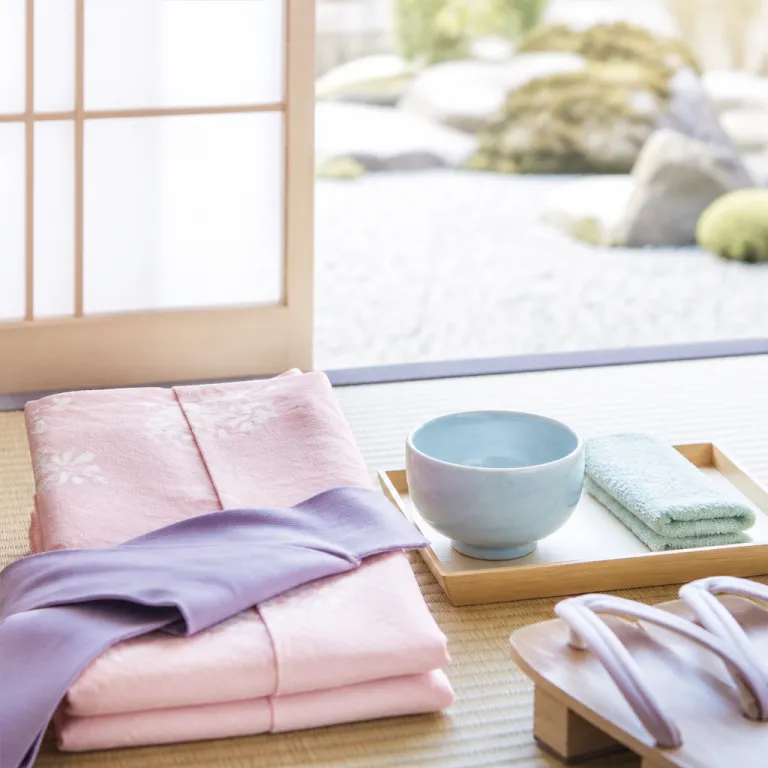
Why tohoku travel belongs on every luxury ryokan short list
Tohoku travel rewards guests who value space, silence, and deep cultural immersion. In northern Japan you find ryokan stays framed by mountains, lakes, and national parks that feel far removed from the usual Japan tours focused on Tokyo or Kyoto. For a traveler choosing between famous routes on Japan’s main islands, the Tohoku region offers refined onsen retreats where heritage, gastronomy, and nature align.
Regional authorities such as the Tohoku Tourism Board and the Japan National Tourism Organization have quietly elevated experiences in this area, yet many visitors from the United States or the United Kingdom still rush past on their way to Hokkaidō or southern Kyūshū. That is precisely why luxury ryokan here remain intimate, with staff who have time to anticipate preferences and explain local customs in both English and Japanese. When you plan a tour focused on ryokan culture rather than city nightlife, journeys through northern Japan become a sequence of slow transfers between hot spring villages, lakeside sanctuaries, and temple towns.
Each season reshapes the mood of these northern destinations, and your choice of ryokan should follow the rhythm of nature. Spring brings cherry blossom reflections on every quiet lake, while summer highlights each festival and rural event that animates otherwise tranquil valleys. Autumn leaves then set the forests around onsen towns ablaze, and winter wraps open air hot spring baths in snow, creating the kind of private theatre that luxury travelers quietly seek.
Hidden lakeside ryokans in aomori prefecture and akita prefecture
For many connoisseurs of Tohoku travel, the most memorable stays unfold around Lake Towada and Lake Tazawa. These two lakes form a natural axis between Aomori Prefecture and Akita Prefecture, where discreet ryokans offer rooms with floor to ceiling windows facing water and forest. When you compare price and value, a carefully chosen mid range lakeside ryokan in this area can rival far more expensive properties elsewhere in Japan’s main tourism corridors.
Lake Towada sits on the border of Aomori and Akita, and the surrounding national parks protect deep forests, waterfalls, and volcanic landscapes. On the Aomori side, you find traditional inns that combine private onsen baths with kaiseki dinners built around river fish, mountain vegetables, and local sake, while on the Akita side, smaller properties lean into cedar architecture and quiet reading lounges. Many international guests who usually book only urban Japan tours are surprised that staff here often speak functional English, supported by local tourism office training programs.
Lake Tazawa in Akita offers a different mood, with its famously deep blue water and a ring of low mountains that glow during the peak of autumn leaves. Aomori Akita itineraries that link both lakes by private transfer or rental car create a graceful arc through northern Japan, ideal for travelers who want to unpack only a few times yet experience varied landscapes. If you are weighing whether to invest in ultra high nightly rates or aim for the refined mid range sweet spot, detailed guidance on why a 15 000 yen ryokan often beats a 40 000 yen one can help you allocate budget intelligently across these lakeside stays.
Mountain sanctuaries: mount haguro, ginzan onsen, and secluded hot spring valleys
Travelers who associate Tohoku travel only with snow and remote villages often overlook its spiritual mountain retreats. Mount Haguro in Yamagata Prefecture anchors the Dewa Sanzan sacred mountains, and staying in nearby temple style lodgings or refined ryokans allows you to experience pre dawn rituals before descending through ancient cedar forests. This is where heritage, pilgrimage, and understated luxury intersect, with multi course shōjin ryōri dinners that feel as carefully curated as any tasting menu in Yokohama or Sendai.
Not far away, the historic streets of Ginzan Onsen offer one of the most atmospheric hot spring towns in all of northern Japan. Here, wooden façades glow at night, and many ryokans provide riverside open air hot spring baths where snow piles on the opposite bank while you soak, creating a cinematic contrast. Because the town remains compact, a short tour on foot reveals both classic properties and newer luxury focused renovations that still respect local architectural codes and cultural heritage.
Beyond these well known names, smaller valleys across the Tohoku region hide ryokans with only a handful of rooms, reached by narrow roads that wind through national parks. These are ideal retreats for guests who have already sampled major cities on previous experiences in Japan and now want silence, starlight, and long conversations with innkeepers. For inspiration on how such places fit into a broader itinerary of unique stays across Japan, curated ideas on unique places to stay in Japan for an unforgettable ryokan journey can help you refine your short list.
Sendai, aomori, and akita: urban gateways to rural ryokan luxury
While the essence of Tohoku travel lies in quiet valleys and lakes, your journey will likely pass through Sendai, Aomori, or Akita as urban gateways. Each city combines efficient transport hubs with access to nearby onsen towns, making them ideal first or last stops before you retreat into the countryside. For travelers arriving from the United States or the United Kingdom, these cities also provide a gentle transition from international flights to regional rhythms.
Sendai, the largest city in the Tohoku region, connects by Shinkansen to Tokyo and by ferry to the island of Hokkaidō, and its compact center allows you to visit key sites in a single day before heading to coastal or mountain ryokans. Aomori, at the northern tip of Japan’s main Honshū, serves as a launch point for Lake Towada, Oirase Gorge, and seasonal festival experiences such as Nebuta, while Akita offers easy access to Lake Tazawa and Nyūtō Onsen villages. According to Japan National Tourism Organization statistics, total inbound visitors to the broader Tohoku area were in the low millions in 2019, and the region hosts two UNESCO World Heritage Sites (Hiraizumi in Iwate and the Jōmon Prehistoric Sites in Northern Japan), underscoring how recognition coexists with relative calm.
Local tourism offices in these cities often provide English and Japanese maps, bus timetables, and curated lists of ryokans that match different budgets and preferences. When planning your tour, it is wise to schedule at least one night in an urban property at the start or end, especially if you want to attend a specific festival or event without worrying about late night rural transport. From there, a short train or private transfer carries you into quieter corners of northern Japan, where the real magic of ryokan hospitality unfolds.
Designing a refined tohoku travel itinerary around onsen and festivals
Thoughtful Tohoku travel planning begins with two anchor themes, usually onsen culture and seasonal festivals. Once you decide whether your priority is cherry blossom, autumn leaves, or snow scenes, you can align specific ryokans with the best viewing windows around each lake, mountain, or valley. Because each period brings different crowds and rates, luxury travelers benefit from booking early, especially for stays that coincide with major festival dates.
Spring itineraries might pair a stay near Hirosaki for cherry blossom viewing with nights at a lakeside ryokan on Lake Towada, while summer plans could revolve around Nebuta in Aomori or Tanabata in Sendai, combined with coastal hot spring retreats. Autumn leaves trips often focus on Oirase Gorge, Lake Tazawa, and the forests around Mount Haguro, where national parks frame every walk and drive in color. Winter journeys, by contrast, highlight snowbound onsen towns such as Ginzan Onsen or remote Aomori Akita valleys, where steaming hot spring baths contrast with silent, white landscapes.
When structuring your tour, consider alternating two or three night stays in rural ryokans with shorter city pauses to reset logistics and enjoy different dining scenes. Travelers who prefer solo stays or flexible schedules can benefit from specialist guidance on what actually changes when you book a room for one at a ryokan, which is particularly relevant in quieter regions like Tohoku. Whether you arrive from Yokohama after a cruise, from Hokkaidō by ferry, or from southern Kyūshū after a longer circuit of Japan’s main islands, the Tohoku region offers a calm final chapter where every onsen soak feels like a private ceremony.
Practical booking strategies for luxury and premium ryokans in northern japan
Securing the right ryokan in northern Japan requires more nuance than booking a standard city hotel. Many of the finest properties in the Tohoku region have limited online presence, and some accept reservations only through Japanese language websites or specialist agencies. For international guests, working with partners who understand both English and Japanese booking systems can unlock rooms that never appear on global platforms.
Start by defining your preferred balance between traditional atmosphere and modern comfort, then shortlist destinations such as Lake Towada, Lake Tazawa, Ginzan Onsen, or the Mount Haguro area. From there, check whether each ryokan offers private onsen baths, in room hot spring tubs, or only shared facilities, as this detail significantly shapes the feel of a luxury stay. It is also worth asking about meal formats, since multi course kaiseki dinners based on local produce often represent a substantial part of the overall experience and cost.
Travelers coming from the United States or the United Kingdom should confirm payment methods, dietary accommodations, and transfer options well in advance, especially when rural buses run infrequently. Local tourism office staff can help translate special requests into Japanese, ensuring that your arrival, festival attendance, and departure align smoothly with regional transport. By combining this practical groundwork with a clear sense of your priorities, you transform Tohoku travel from a simple tour into a curated sequence of experiences in Japan that feel both luxurious and deeply rooted in place.
Key figures shaping luxury oriented tohoku travel
- Japan National Tourism Organization data show that international arrivals to the wider Tohoku area were in the low millions in 2019, a scale that keeps many ryokans intimate compared with major Japan main city markets.
- The region hosts two UNESCO World Heritage Sites (Hiraizumi and the Jōmon Prehistoric Sites in Northern Japan), a concentration that highlights its cultural and natural heritage while still leaving large areas of northern Japan relatively untouched by mass tourism.
- Tohoku Tourism Board initiatives promoting rural areas have supported growth in eco friendly travel options, which aligns well with luxury guests seeking low impact stays in national parks and lakeside areas.
- Seasonal travel patterns show strong peaks around cherry blossom and autumn leaves, so premium ryokan bookings during these periods often fill several months in advance, especially near Lake Towada and Lake Tazawa.
FAQ about luxury ryokan stays during tohoku travel
What is the best time to visit Tohoku for a luxury ryokan stay ?
Each season offers unique attractions; choose based on preferred activities. Spring emphasizes cherry blossom and gentle temperatures, while summer highlights every major festival and lush greenery. Autumn leaves and winter snow both create dramatic backdrops for onsen baths, so your ideal period depends on whether you prefer color, snow, or milder weather.
How do I get around Tohoku when staying in rural ryokans ?
Utilize the Shinkansen, local trains, buses, and rental cars. Many luxury travelers combine high speed rail to hubs such as Sendai, Aomori, or Akita with private transfers to remote onsen towns. For more flexibility around lakes and national parks, a rental car can be invaluable, especially when bus schedules are limited.
Are there any famous festivals near ryokan areas in Tohoku ?
Yes, including Nebuta Matsuri in Aomori and Tanabata in Sendai. These festivals pair well with stays in nearby ryokans, allowing you to enjoy the event by day and retreat to quiet hot spring baths at night. Checking dates with local tourism offices before booking ensures that your travel and accommodation align with the festival calendar.
Is Tohoku suitable for first time visitors to Japan seeking luxury stays ?
Tohoku works well for first time visitors who value calm, nature, and authentic hospitality over dense sightseeing schedules. Urban gateways such as Sendai and Aomori provide enough infrastructure, English support, and transport links to make logistics straightforward. From there, curated ryokan stays around lakes, mountains, and hot spring towns deliver a sophisticated yet unhurried introduction to northern Japan.
How many nights should I plan for a ryokan focused tour of Tohoku ?
A balanced itinerary usually includes seven to ten nights, with two or three bases across the Tohoku region. This allows time for at least one lakeside stay, one mountain or national park retreat, and a night in a city such as Sendai or Aomori. With more days, you can extend to Hokkaidō or southern Kyūshū, framing Tohoku as the contemplative core of a longer journey across Japan’s main islands.