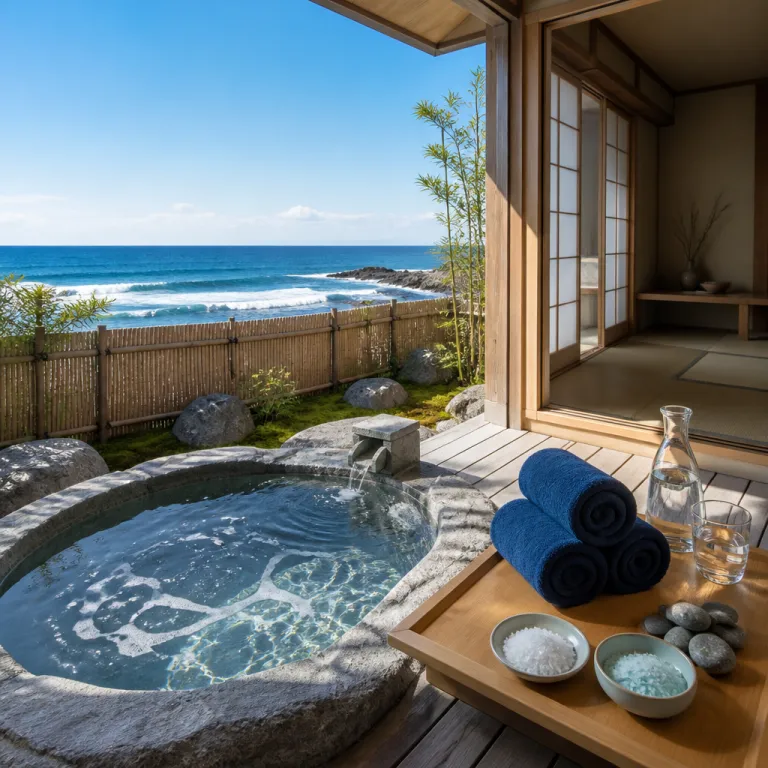
What a private bath really means in a luxury ryokan
In a premium ryokan, a private bath means your bathing space is never shared with other guests. A private bath is a bathroom reserved for one room only, and yes, in practice a private bath and an en suite bathroom both describe an exclusive, attached bathing area. This distinction matters when you compare Japanese style rooms, Western style suites, and hybrid layouts that blend tatami with low beds or daybeds.
When you book a Japanese style room with an attached onsen bath, you secure uninterrupted time with natural hot spring water. Some ryokan offer indoor soaking tubs in the room, while others feature private open air baths on a terrace or veranda, but in every case the bath and shower area belong only to you. This privacy is especially valuable for people with tattoos, families with children, or couples who prefer quiet bathing rituals away from large public bathhouses.
Luxury properties often distinguish between a standard bath with tap water and a true hot spring fed private bath. In the first case, the water is regular heated water, while in the second you soak in mineral rich spring water or thermal water that flows directly from a nearby hot spring source. When you read room descriptions, look for clear wording such as “in room hot springs”, “private baths with natural hot spring water”, or “open air bath with flowing spring water”, and compare how each ryokan explains its bathing facilities so you can match the description to your expectations.
Choosing between indoor, open air, and private open onsen experiences
Once you know your room includes a private bath, the next choice is atmosphere. Some travelers feel safest in a fully enclosed indoor bath, while others crave the sensation of an open air bath where steam rises into the night sky. On high end booking platforms, filters now distinguish between indoor private baths, private open air baths, and suites with both options, often with photos that show how the tub faces the garden, river, or sea.
Indoor onsen style baths in a ryokan room usually feature deep soaking tubs, soft lighting, and generous body soap and shampoo amenities. Open air baths on a balcony or garden deck bring in mountain air, sea breezes, or forest scents, and the contrast between hot water and cool air can be deeply restorative. For spa and wellness connoisseurs, a private open air bath attached to a Japanese style or Western style room is often the most coveted configuration, and resources such as a detailed guide to an elevated ryokan with private onsen for spa and wellness connoisseurs help clarify what to expect before you commit to a particular room type.
Some luxury ryokan also maintain small reservable family bath spaces in addition to in room baths. These family bath rooms function like miniature bathhouses, giving couples or small groups a larger tub and sometimes dual air baths with massage jets. When you compare options, decide whether you prefer the intimacy of a compact in room private bath or the extra space of shared but privately booked family baths that still use natural hot or thermal water, and check typical booking rules such as sixty minute slots in the evening so you can plan your schedule around them.
How to read ryokan listings and understand private bath pricing
Booking websites for ryokan can feel confusing when every room seems to mention a bath, onsen access, or hot springs in slightly different ways. The key is to separate three elements in each listing: the in room bathroom, the shared indoor bathhouse, and any reservable private baths outside your room. A clear luxury platform will label whether the room has only a standard bath, a private bath with regular water, or a true private bath supplied with spring water or thermal water.
Rates rise as you move from shared baths to guaranteed private baths and then to suites with private open air baths. A Japanese style room with a simple unit bath and access to large communal bathhouses will sit at the lower end, while a Western style suite with a terrace hot spring bath and sparkling wine on arrival will command a premium. For a deeper breakdown of how ryokan map their prices to different private bath categories, consult a specialist analysis of kashikiri buro and private bath pricing across the ryokan map, and compare sample ranges such as mid range rooms around ¥25,000 per person versus suites that exceed ¥60,000.
When you compare total value, remember that some ryokan include unlimited time in reservable private baths, while others charge per thirty or sixty minute slot. Check whether the rate includes access to both indoor and open air baths, and whether the family bath requires advance booking. If you travel with people who prefer privacy for bathing, paying more for a guaranteed in room private bath often delivers better comfort than relying only on shared hot spring facilities, especially during peak seasons when time slots book quickly.
Design details that elevate a private bath into a spa ritual
The finest ryokan treat your private bath not as a simple bathroom but as a personal spa suite. Design teams think carefully about how water flows into the tub, how air circulates, and how light falls on the bathing area at different times of day. This attention to detail transforms a short wash into a slow wellness ritual that anchors your stay and encourages you to linger between soaks and naps.
In a Japanese style room, you might step from tatami into a cedar lined wet room with a deep hinoki bath, a low stool, and a wooden bucket for pre bathing rinses. Western style rooms often feature stone or tile baths with adjustable air baths, allowing you to choose between still soaking and gentle bubbles powered by air jets. Many luxury ryokan now blend both approaches, pairing a traditional bathhouse aesthetic with modern spa technology such as chromotherapy lighting and temperature precise controls for hot spring or mineral water.
Thoughtful amenities complete the experience and should influence your booking decision. Look for thick bath towels, a smaller hand towel for use in shared baths, and high quality body soap and hair care products that respect sensitive skin. Some properties add small touches such as chilled sparkling wine by the tub, aromatic bath salts derived from local hot springs, or herbal teas that encourage you to enjoy longer, more mindful baths, turning the private bath into the centerpiece of your room and a highlight of your overall stay.
Etiquette, tattoos, and how to enjoy private baths with confidence
Many travelers choose a private bath because they feel unsure about Japanese bathing etiquette in large bathhouses. In a private space, you can take your time learning the sequence: rinse thoroughly, wash with body soap outside the tub, then soak quietly in clean water. This rhythm respects the cultural roots of onsen bathing while giving you room to relax and adjust the temperature or lighting as you like.
People with tattoos often face restrictions in public hot springs, which makes private baths especially valuable. While some ryokan now welcome tattoos in shared baths, policies still vary widely, so a room with its own hot spring bath or access to reservable private baths removes uncertainty. Families also appreciate the privacy of a family bath, where parents can guide children through bathing steps without worrying about disturbing other guests or navigating crowded changing rooms.
Even in a private open air bath, a few simple habits preserve both comfort and safety. Keep your hand towel and bath towel out of the water, avoid adding oils that might damage natural hot spring or thermal water systems, and limit glassware near slippery edges even if sparkling wine is provided. When you move between your room, the spa, and any shared bathhouses, wear the yukata and slippers supplied by the ryokan, which signals respect for local customs while keeping the atmosphere serene for everyone.
Planning a wellness focused itinerary around your ryokan private bath
A ryokan stay built around a private bath can anchor a wider spa and wellness journey. Start by choosing a region whose hot springs match your needs, whether you prefer sulfur rich spring water for skin concerns or gentle mineral water for longer soaks. Then select a property where the room type, bath style, and on site spa treatments align with how you like to rest, from quiet reading time to guided stretching or massage.
During your stay, alternate between quiet time in your in room private bath and visits to larger indoor baths or open air baths that showcase the landscape. Morning soaks in hot water can loosen muscles before walks, while evening bathing pairs beautifully with kaiseki dinners and a final air bath session under the stars. If you enjoy learning, consider ryokan that offer cultural activities alongside bathing, and use curated resources such as a guide to finding a ryokan that teaches you something beyond the bath to shape your itinerary.
Wellness does not end at the edge of the tub, so pay attention to sleep quality, meals, and movement. Choose a Japanese style room if you want futons on tatami and a more traditional rhythm, or a Western style room if your body prefers a bed and desk. With thoughtful planning, your private bath, the ryokan spa, and the surrounding hot springs landscape can work together as a single, coherent retreat rather than a series of disconnected baths, especially if you schedule rest days between travel legs.
Key statistics and trends about private baths in accommodations
- Survey data from housing and travel research consistently show that most modern households and hotel guests expect at least one dedicated bathroom per unit, underscoring how strongly people value exclusive bathing spaces in daily life and on the road.
- Internal pricing analyses published by major booking platforms such as Booking.com and Rakuten Travel indicate a clear price premium for rooms with guaranteed private baths compared with similar rooms that rely only on shared bathhouses, especially in destinations known for hot springs.
- Guest review analysis across Japanese ryokan on sites like Jalan and Rakuten Travel shows that mentions of “private bath” and “private open air bath” frequently appear in five star reviews, particularly among international travelers who feel uncertain about public bathing etiquette.
- Wellness tourism reports from organizations such as the Global Wellness Institute highlight that travelers increasingly seek natural hot spring or thermal water experiences integrated directly into their room, rather than visiting off site spas, to maximize relaxation time and privacy.
FAQ about private baths in ryokan
What is a private bath in a ryokan ?
In a ryokan, a private bath is a bathroom or bathing area reserved exclusively for one room, not shared with other guests. It may be a standard bath with regular water, or a true onsen bath supplied with natural hot spring water. Listings usually specify whether the private bath is indoor, open air, or a combination of both, and whether it is available at all hours.
Is a private bath the same as an en suite bathroom ?
Yes, in practice a private bath and an en suite bathroom both describe a bathroom directly attached to your room and not shared with other rooms. The term “private bath” is more common in ryokan and hot spring contexts, where the focus is on exclusive bathing. Always read the description to see whether the bath uses hot spring or regular tap water, and whether it includes a separate shower area.
Do all ryokan rooms include private baths ?
Not every ryokan room has a private bath, especially in older properties where shared bathhouses are central to the experience. Many standard rooms offer only a toilet and sink, with bathing done in large communal baths or reservable family baths. Luxury and premium booking websites usually allow you to filter specifically for rooms with in room private baths or private open air baths so you can avoid surprises at check in.
Are tattoos allowed in private baths and bathhouses ?
In your own private bath or in a privately reserved family bath, tattoos are generally not an issue because no other guests share the space. Policies about tattoos mainly affect large shared bathhouses and public hot springs, where some facilities still restrict visible body art. If tattoos are a concern, booking a room with its own private bath is the most reliable way to enjoy hot spring bathing without worry, and you can confirm any remaining rules before arrival.
How long can I use a private bath in a ryokan ?
If the private bath is inside your room, you can usually use it at any time during your stay, subject to quiet hours and safety guidelines. Reservable private baths outside the room often operate on timed slots, such as thirty or sixty minutes per session, to ensure fair access for all guests. Check the booking conditions carefully so you can plan your bathing and spa rituals around meals and activities, and ask at check in if you hope to reserve peak evening times.