Why the ryokan day is scripted, and why it matters
A luxury ryokan stay in Japan is not a free form resort weekend. The entire sixteen hour arc from 3 PM check in to 10 AM check out is choreographed so that the onsen, kaiseki dinner and futon ceremony align with light, temperature and appetite. When you understand this quiet script, you stop asking what to expect and start reading what the ryokan is trying to offer you in real time.
For first time Japan travel, this can feel unfamiliar because a traditional Japanese inn is closer to a tea ceremony than a Western resort. The ryokan daily schedule what to expect is built around the hot springs and the kitchen, so your room, the public bath and even the private onsen, if you booked one, are timed to support those two centers. Luxury ryokans generally refine this rhythm further, using fewer guest rooms, more staff per person per night and more attentive onsen etiquette guidance to keep the flow calm even at peak hours.
Think of a serious Japanese ryokan as staging a multi course theatre piece where you are the only audience. The staff will manage when you bathe, when you dine and when your tatami mats are transformed into beds, but they do it through gentle cues rather than strict rules. A good etiquette guide from your booking site or confirmation email helps you see what ryokan customs are non negotiable, what is flexible for families and how to enjoy each segment without rushing.
3 PM arrival: entering the room, the rhythm and the etiquette
Arriving at 3 PM is not a suggestion ; it is the opening scene of the ryokan stay. When you reach the entrance on time, the staff can welcome you with tea, explain onsen etiquette and walk you through what to expect from the evening’s kaiseki dinner without compressing anything. If you push arrival to 5 PM, you will still check in, but you lose the quiet margin that makes a traditional Japanese inn feel unhurried.
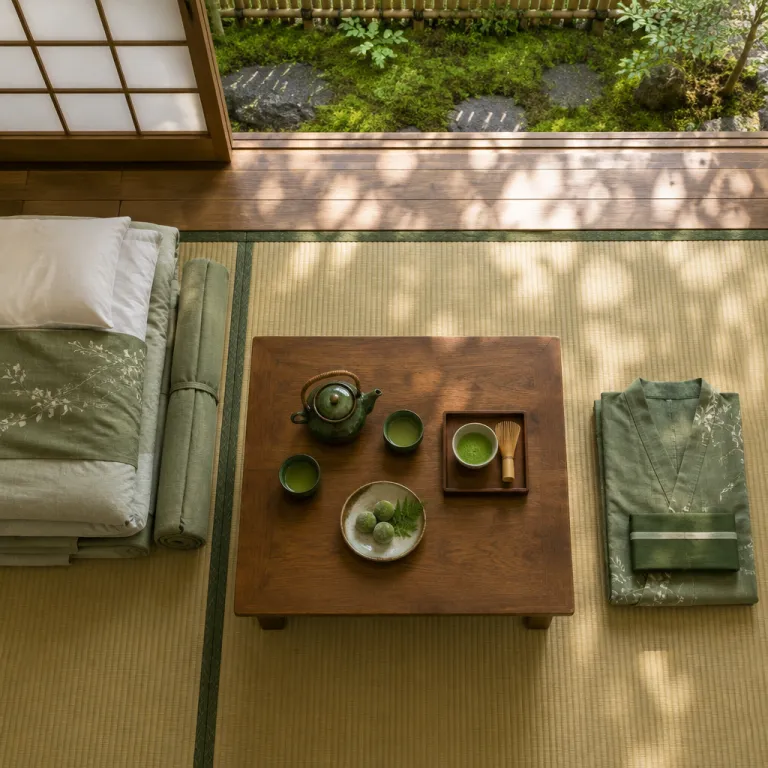
Once you step into your room, you notice tatami mats underfoot, shoji screens and a low table set for tea. This is not just décor ; it is a signal that the space will change function across the ryokan daily schedule what to expect, shifting from sitting room to dining room to bedroom when the futon ceremony happens later. For a deeper sense of how seriously a ryokan in Japan treats that transformation, read this detailed look at the futon ceremony and what it reveals about service standards.
During this first hour, staff will usually outline where the public bath is, how the private bath in your suite works if you booked a private onsen and what time they recommend you head to the hot spring before dinner. A thoughtful Japanese ryokan will also clarify small points of etiquette, such as where to leave your yukata after using the onsen ryokan facilities and how to signal when you are ready for the multi course kaiseki dinner. This is the moment to ask any questions about what ryokan customs apply to children, tattoos or mixed gender bathing so the rest of your stay feels effortless.
3:30–5:30 PM: the golden onsen window and the art of the first bath
The two hours after check in are the golden window for the first onsen. Most guests are still settling into their guest rooms, so the public bath is generally at its emptiest and the light over the outdoor hot springs is at its most flattering. If you are wondering what to expect from this first soak, think of it as the reset that separates your travel day from your ryokan stay.
In a classic onsen ryokan, you will shower thoroughly before entering the hot spring, then slide into the steaming water slowly so your body adjusts to the hot temperature. This is where onsen etiquette matters ; you keep your small towel out of the bath, avoid loud conversation and give other guests space even when the pool is large. Families often ask what ryokan rules apply to children here, and the answer is simple but strict, as kids must follow the same etiquette guide as adults and be comfortable with the heat and the quiet.
If you booked a room with a private bath fed by hot springs, this is also an ideal time to use that private onsen while the air is still bright and the garden is visible. Many luxury ryokans in Japan design these terraces so that the steam rises just above the railing, framing a mountain or river rather than the neighboring roofs. For guests curious about how regional ingredients later echo this sense of place at dinner, this piece on how each region writes the ryokan plate shows how the same precision shapes both the bath and the kitchen.
6 PM kaiseki: timing, temperature and the pace of the evening
By 6 PM, the focus of the ryokan daily schedule what to expect shifts decisively from water to fire. The kaiseki dinner is a multi course sequence where temperature, texture and timing are calibrated so that grilled fish arrives hot, sashimi arrives cold and simmered dishes land exactly when your appetite is ready. When you arrive late, the kitchen must compress this arc, and you feel it in plates that cool on the tray or courses that follow too quickly.
In a serious ryokan Japan experience, the staff will have asked your preferred dinner time at check in, usually between 6 PM and 7 PM. They will then stage the meal either in your room, transforming the low table into a private restaurant, or in a small dining salon with only a few guest rooms sharing the space. This is where traditional Japanese hospitality shows its precision, as the same attendant often serves you throughout the stay ryokan, remembers your drink preferences and quietly adapts the pace if you are traveling with children or older relatives.
Expect the kaiseki dinner to reflect the region’s hot spring terroir as much as the sea or mountain, with broths that echo the minerals of the onsen and grilled dishes that match the season. For families, this is also the hour when children’s menus, earlier sittings and simpler plates can be arranged so that everyone can enjoy the meal without stretching bedtime. Once the final rice and pickles arrive, you will usually be asked what time you would like your futon laid out, which closes the loop between dining room and bedroom and sets up the next act of the evening.
8–10 PM: second soak, town stroll and the quiet shift to sleep
After dinner, the ryokan stay moves into its most contemplative phase. Around 8 PM, many guests return to the onsen for a second bath, this time under darkness, when the hot water feels even more enveloping and the lanterns around the hot spring cast long reflections. If you are tracking the ryokan daily schedule what to expect, this is the moment when conversation drops and the property’s true calm becomes audible.
Public baths are usually quieter now, with only a few silhouettes moving through the steam, and onsen etiquette becomes almost invisible because everyone has settled into the rhythm. Couples may choose a slow stroll through the onsen town in yukata, stopping at foot baths or small shrines, while families with younger children will often keep the second soak short and head back to the room. In guest rooms, staff will have transformed the tatami mats into a sleeping landscape, and the futon thickness, pillow choice and layout tell you as much about the Japanese ryokan’s priorities as the lobby design.
For parents, this is where the family variation of what to expect really appears, as you juggle bath times, story time and sleep while keeping the room serene. A practical way to plan is to book an onsen ryokan with both public bath options and at least one private bath slot so that shy children or grandparents can enjoy the hot springs without pressure. For a deeper planning tool, this honest family decision tree for staying in a ryokan with children helps you decide which properties and room types match your family’s sleep and bath habits.
6:30–10 AM: the morning bath, breakfast and the early check out
The most underrated part of the ryokan daily schedule what to expect is the morning. Between 6:30 AM and 8 AM, the onsen is often at its most atmospheric, with cold air over hot water, pale light over the rocks and almost no one else in sight. Many guests sleep through this window, but those who rise early will tell you that this bath defines the memory of the stay more than any other.
After the soak, breakfast arrives as a structured counterpoint to the kaiseki dinner, usually served between 8 AM and 9 AM. Expect grilled fish, rice, miso soup and a series of small dishes that feel like a morning multi course, designed to wake you up rather than sedate you. For families, this is where the rhythm adjusts again, as children may prefer a simpler Western style plate while adults enjoy the full traditional Japanese spread.
The 10 AM check out can feel abrupt if you have not planned the morning, but it exists so that staff have enough time to air the guest rooms, reset the tatami mats and prepare for the next person per night arriving at 3 PM. To make these last hours count, aim for one more short hot spring bath after breakfast, then pack calmly rather than rushing. When you leave on time, you respect not just the property but the entire chain of guests whose Japan travel will follow the same quiet plot line you have just lived.
How premium booking sites personalize the ryokan script for families
For a premium family planning a stay ryokan in Japan, the challenge is not only what to expect but how to bend the script slightly without breaking it. Luxury booking platforms that specialize in ryokans now use detailed pre arrival questionnaires to understand your children’s ages, preferred dinner times, bath habits and any accessibility needs. This allows them to match you with a Japanese ryokan where the guest rooms, onsen layout and kaiseki dinner pacing align with your real life rhythm rather than an abstract ideal.
When you book through a specialist, you can usually specify whether you want a private onsen in the room, easier access to the public bath or flexible meal times within the standard windows. They will also flag properties where onsen etiquette is explained patiently in English, where staff are used to guiding first time visitors through what ryokan customs mean in practice and where the person per night rate includes child friendly adjustments. For families nervous about tattoos, mixed gender bathing or hot water tolerance, this kind of tailored etiquette guide in advance removes friction and lets you enjoy the hot springs as a shared experience rather than a source of stress.
Serious platforms also help you read between the lines of room descriptions, clarifying how many futons comfortably fit on the tatami mats, whether walls between guest rooms are thick enough for light sleepers and how much space remains once the beds are laid out. Over time, this level of matching builds trust, because you see that the promised ryokan daily schedule what to expect aligns with what actually happens on site. For discerning travelers, that is the difference between a one off Japan travel story and a tradition you return to every few years.
Key figures that frame a ryokan day
- Surveys from the Japan Ryokan & Hotel Association indicate that average check in time at traditional properties is set at 15:00, with more than 80 % of guests arriving within the first hour, which preserves the planned sequence of bath and dinner.
- Data from the Japan Tourism Agency show that around 60 % of international visitors using onsen for the first time report uncertainty about etiquette, which underlines the value of clear pre arrival guidance from booking platforms.
- Industry reports on hot spring resorts in Japan suggest that properties with fewer than 30 guest rooms tend to achieve higher guest satisfaction scores, largely because public bath areas feel less crowded during the key 3:30–5:30 PM and 6:30–8 AM windows.
- Consumer research by major Japan travel operators indicates that families with children are 40 % more likely to book an onsen ryokan when private bath options are clearly described, including water temperature, size and access from the room.
- Booking data from leading online agencies show that stays of one person per night in ryokans are increasing, but the classic pattern remains one or two nights, which makes understanding the sixteen hour schedule critical for maximizing the experience.
FAQ: ryokan daily schedule what to expect
What time should I really arrive at a ryokan in Japan ?
You should plan to arrive as close to 3 PM as possible, because this gives you time to settle into your room, enjoy the first onsen before it gets busy and receive a proper explanation of etiquette and dinner timing. Arriving after 5 PM usually compresses your first bath and the kaiseki dinner, which can make the evening feel rushed. For families, early arrival also helps children adjust to the new space and routine.
What can I expect from the onsen routine during a ryokan stay ?
You can generally expect three ideal windows for bathing ; a quiet first soak between 3:30 PM and 5:30 PM, a more contemplative second bath after dinner and a dawn or early morning bath before breakfast. Each onsen visit starts with thorough washing, followed by a slow entry into the hot spring and quiet soaking. Properties with both public baths and private onsen options give you more flexibility, especially if you are shy or traveling with children.
How long does a kaiseki dinner take, and can children handle it ?
A full kaiseki dinner usually lasts between 90 and 120 minutes, as it is a multi course sequence designed to unfold at a measured pace. Many ryokans offer shorter or simplified menus for children, served at slightly earlier times so they can finish before becoming tired. When booking, ask your platform or the property directly what ryokan options they provide for family friendly dining.
Why is ryokan check out usually at 10 AM ?
Check out at 10 AM allows staff enough time to air the guest rooms, reset tatami mats, clean the public bath areas and prepare kaiseki ingredients for the next wave of arrivals at 3 PM. This schedule keeps the property running smoothly while preserving the calm atmosphere guests expect. To make the most of it, plan a morning onsen, an unhurried breakfast and a calm packing window before departure.
How do premium booking sites personalize a ryokan day for my family ?
Specialist platforms collect detailed preferences about your ideal dinner time, bath habits, need for private baths and children’s ages, then match you with ryokans whose layouts and service patterns fit that rhythm. They can pre arrange earlier kaiseki sittings, clarify onsen etiquette in English and secure rooms where futon layouts work for your family size. This reduces surprises on arrival and helps every person per night in your party enjoy the traditional Japanese experience without stress.
Sources
- Japan Ryokan & Hotel Association
- Japan Tourism Agency
- Japan National Tourism Organization (JNTO)